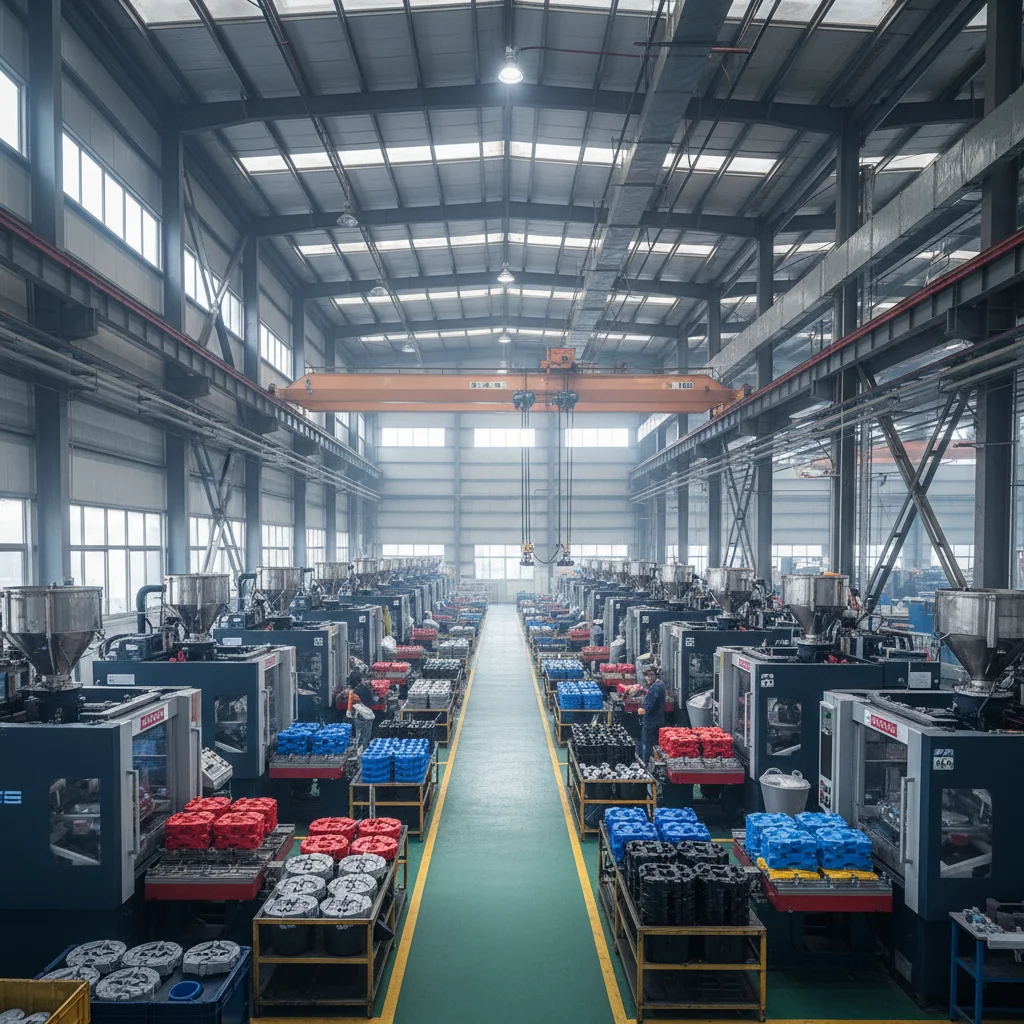
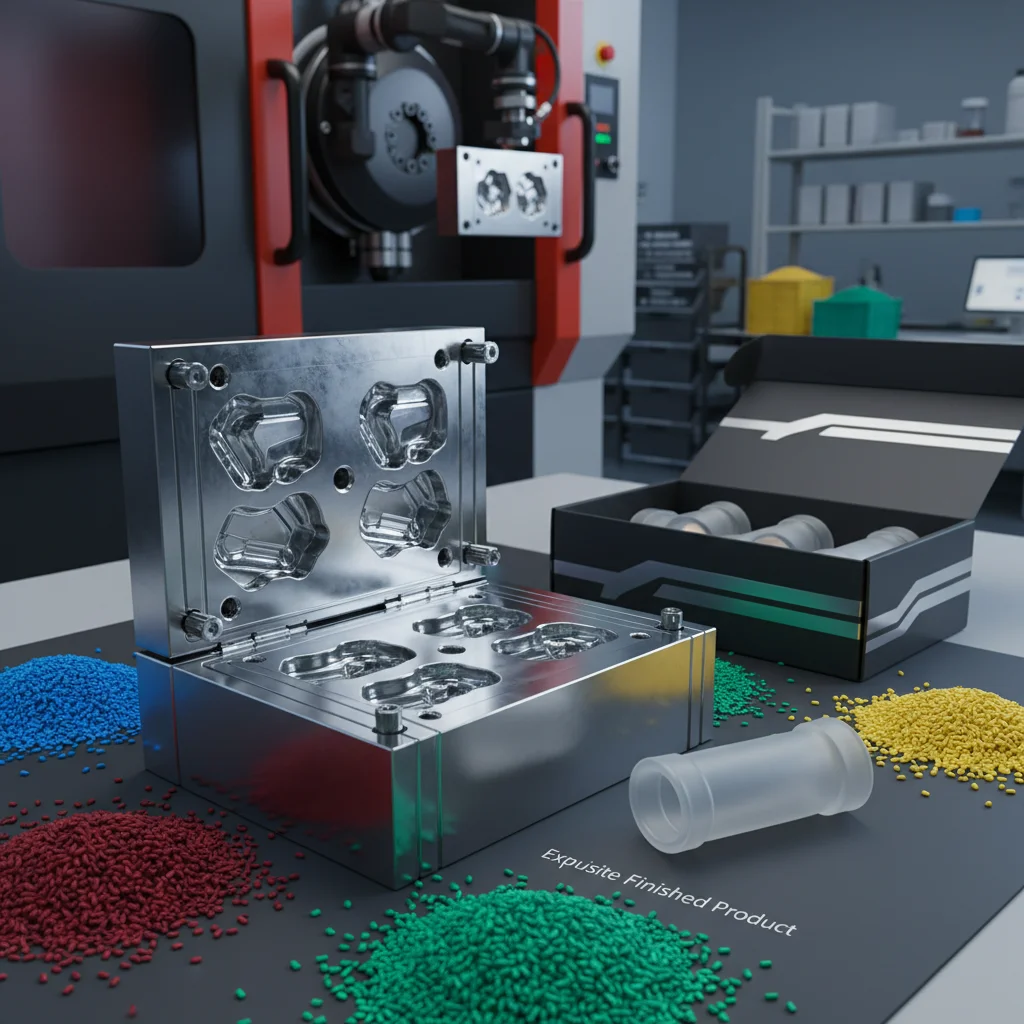
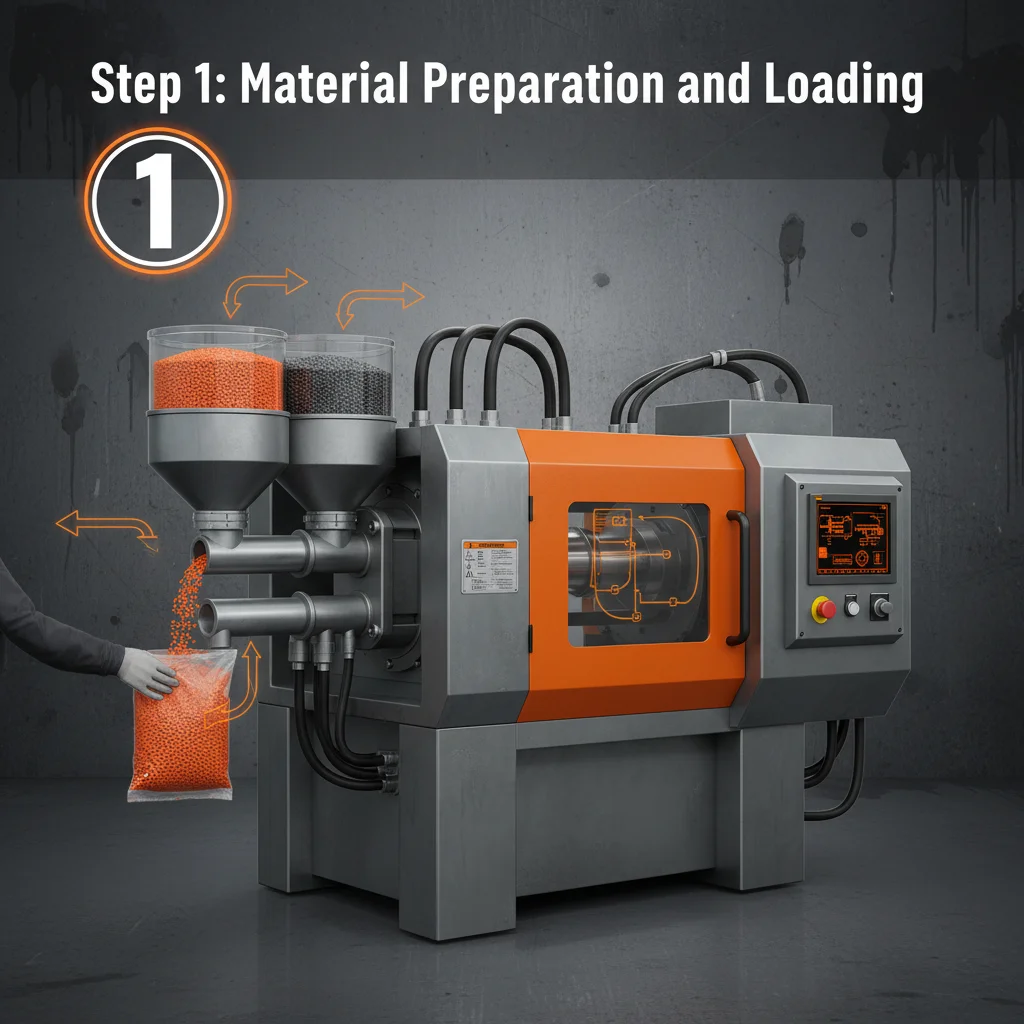
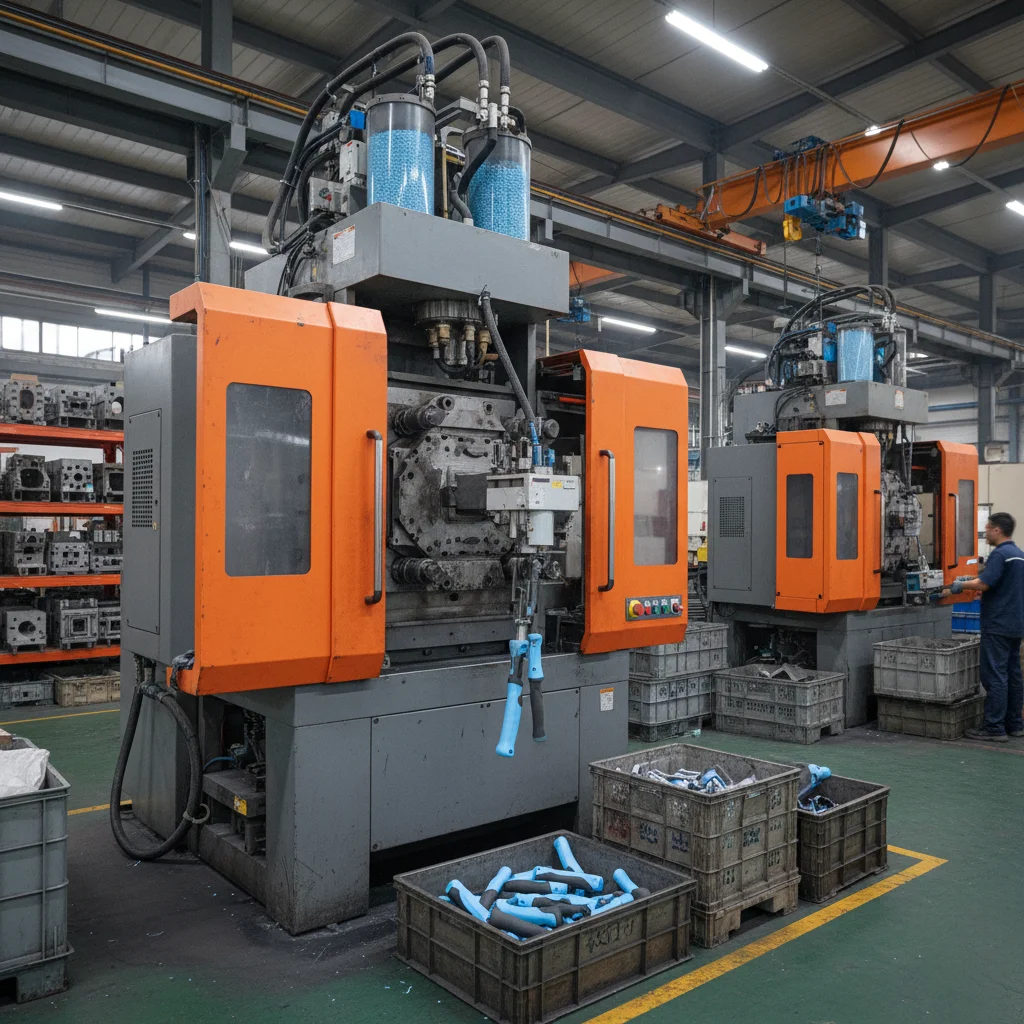
Customized injection molded rubber parts manufacturer play a vital role in modern industries, providing essential components for a wide array of applications, from automotive seals to medical devices. The demand for these parts is consistently growing due to the increasing need for precision, durability, and cost-effectiveness in manufacturing processes. Understanding the nuances of this specialized manufacturing process is crucial for businesses seeking reliable and high-quality rubber components.
Globally, the rubber products market is a multi-billion dollar industry, with injection molding being a dominant manufacturing technique. Factors driving this growth include advancements in materials science, increasing automation in manufacturing, and the expanding use of rubber components in emerging technologies. Choosing a specialized Customized injection molded rubber parts manufacturer is paramount to success in competitive markets.
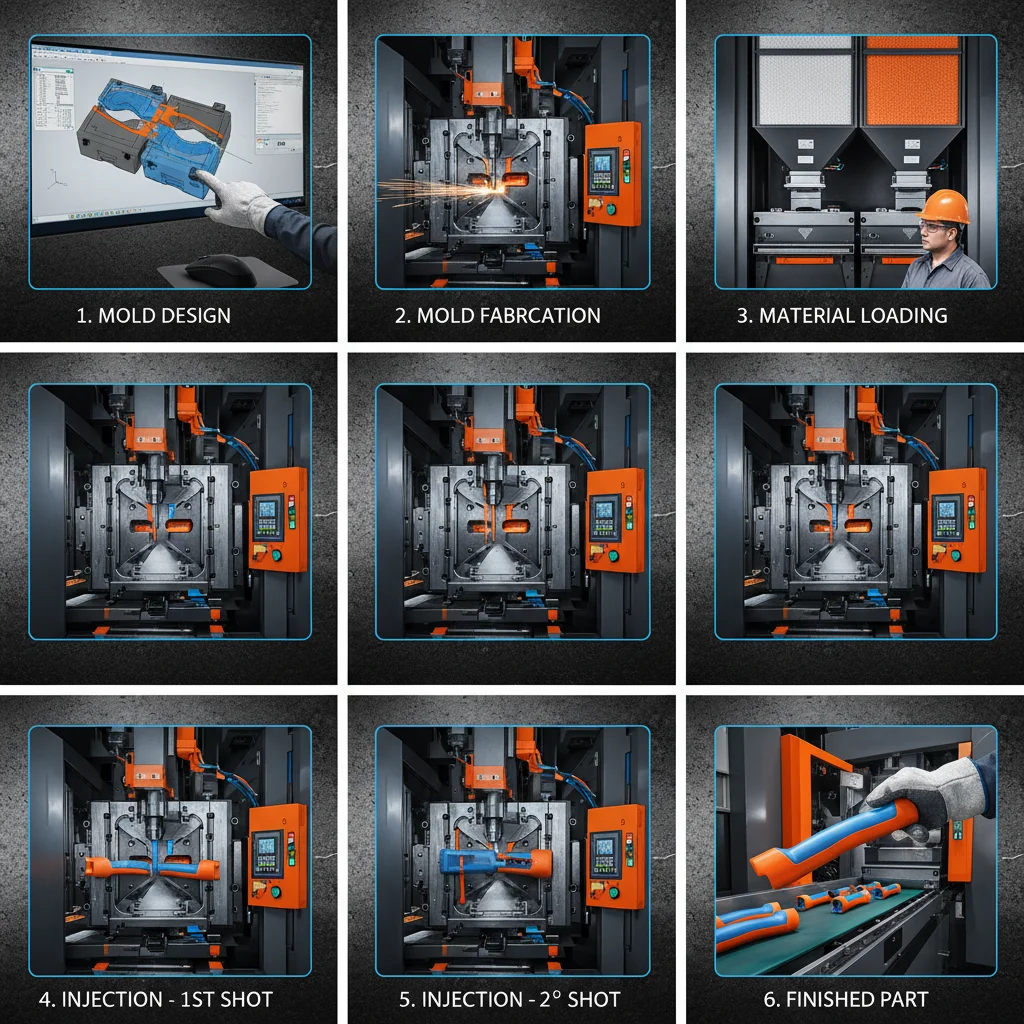
The versatility and precision of customized injection molding offer significant advantages over traditional rubber forming methods. This process allows for the creation of complex geometries with tight tolerances, making it ideal for demanding applications where performance and reliability are critical. The ability to tailor materials and designs to specific requirements makes customized injection molding a cornerstone of modern manufacturing.
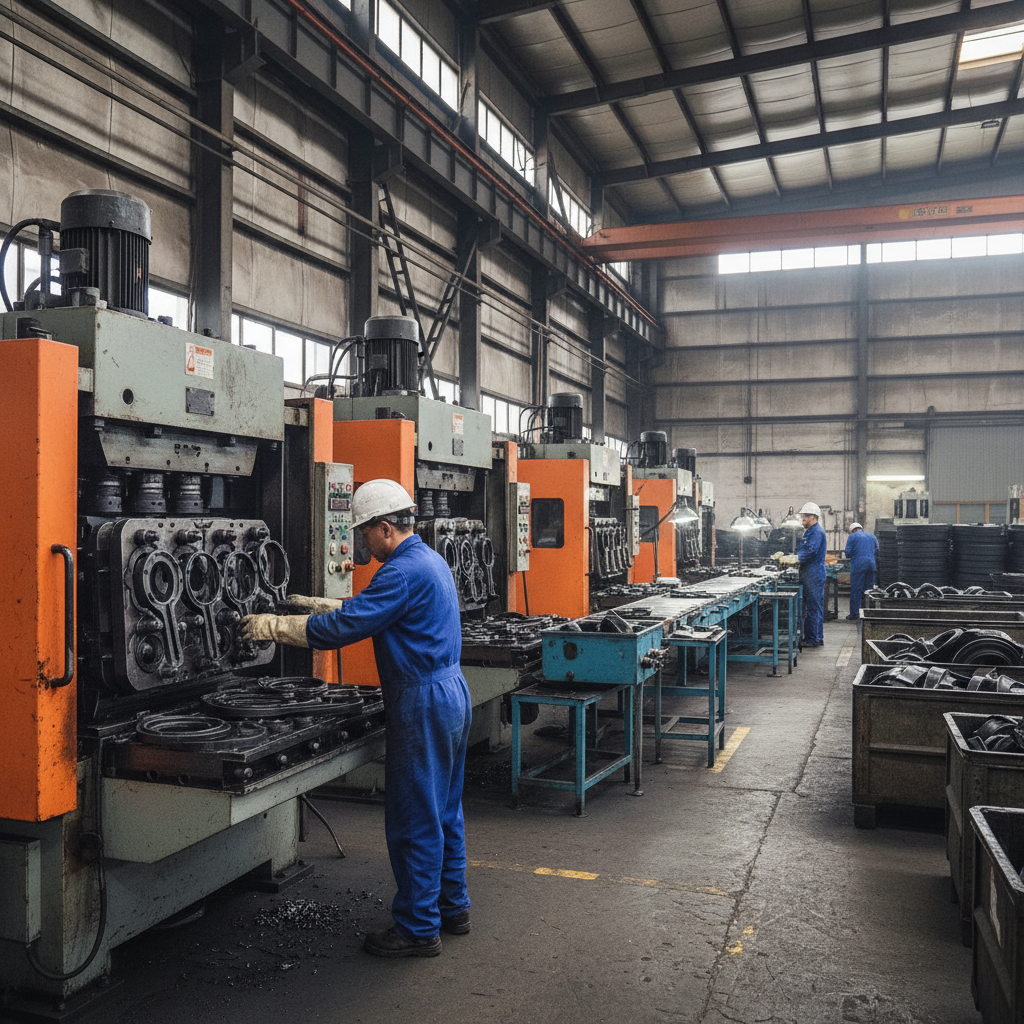
The Importance of Customized Injection Molded Rubber Parts
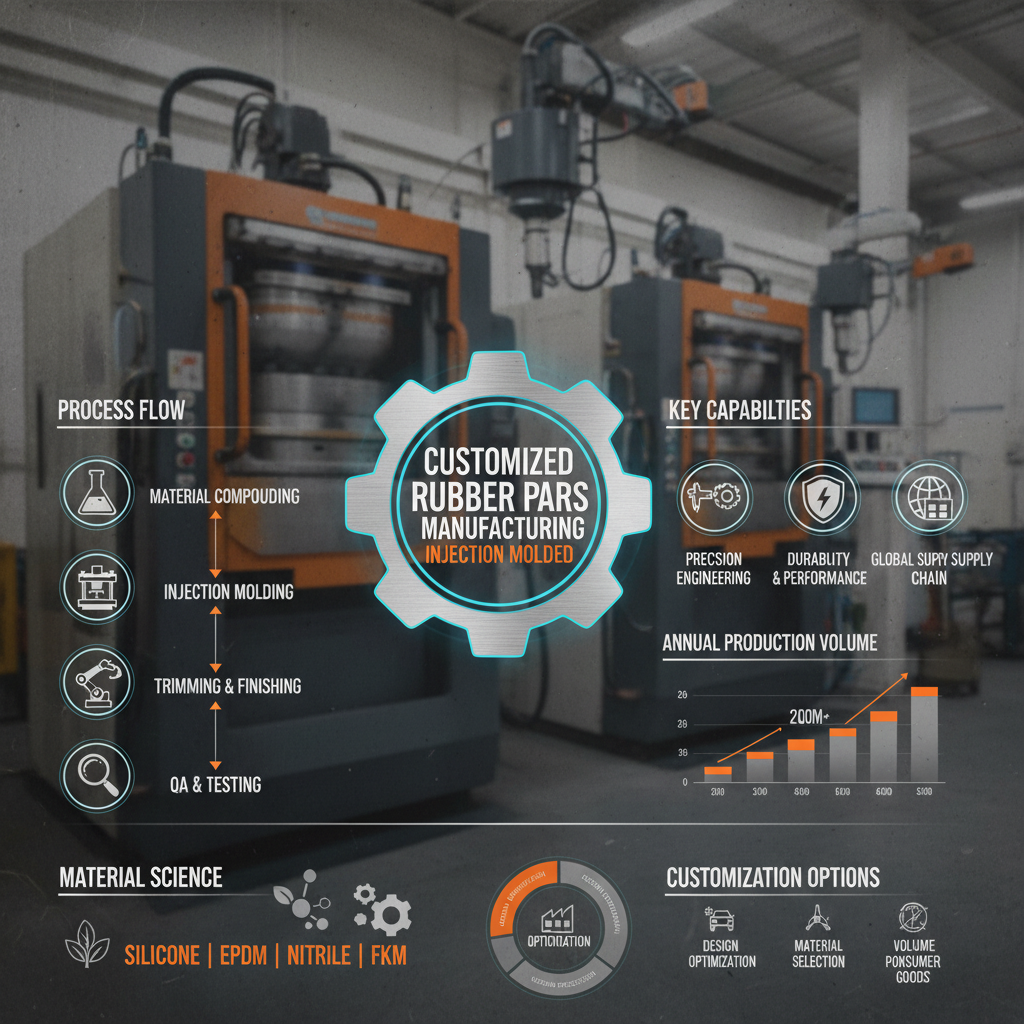
Customized injection molded rubber parts are essential across numerous industries because they offer unparalleled design flexibility and material options. This allows manufacturers to create components tailored to precise specifications, ensuring optimal performance in critical applications. A reliable Customized injection molded rubber parts manufacturer understands the intricacies of material science and molding processes.
The ability to produce complex shapes and intricate details with tight tolerances sets injection molding apart from other rubber forming methods. This makes it the preferred choice for demanding applications in automotive, aerospace, medical, and industrial sectors. High-quality parts translate directly to improved product performance and longevity.
FAQS
A wide range of materials can be utilized, including silicone, EPDM, neoprene, nitrile, and fluorocarbon rubber. The choice depends on the specific application requirements, such as temperature resistance, chemical compatibility, and flexibility. Customized injection molded rubber parts manufacturer will help select the ideal material for your project, balancing performance and cost.
Lead times vary depending on the complexity of the part, the tooling requirements, and the quantity ordered. Typically, expect a lead time of 4-8 weeks for tooling and another 2-4 weeks for production. Experienced Customized injection molded rubber parts manufacturer often offer expedited tooling options to reduce lead times.
We commonly accept 3D models in formats such as STEP, IGES, STL, and SolidWorks. 2D drawings in PDF or DXF format are also acceptable. Providing clear and accurate design files ensures a smooth and efficient manufacturing process with your chosen Customized injection molded rubber parts manufacturer.
We employ a rigorous quality control system that includes dimensional inspections, material testing, and visual inspections throughout the production process. We use advanced measuring equipment and adhere to industry standards to ensure that all parts meet or exceed customer specifications. A reputable Customized injection molded rubber parts manufacturer prioritizes quality above all else.
The MOQ varies depending on the size and complexity of the part, as well as the material used. We strive to accommodate both small and large production runs. We can discuss your specific requirements to determine a suitable MOQ. Customized injection molded rubber parts manufacturer often have flexibility to accommodate different order volumes.
Yes, we offer design assistance to help optimize your part for manufacturability and performance. Our experienced engineers can provide valuable insights into material selection, mold design, and process optimization. Collaboration with a skilled Customized injection molded rubber parts manufacturer can significantly improve your project's success.
Conclusion
Customized injection molded rubber parts are fundamental to a vast range of industries, offering unparalleled design flexibility, material options, and cost-effectiveness. The continuous advancements in materials, automation, and digital technologies are further enhancing the capabilities and efficiency of this manufacturing process. Selecting a reliable and experienced Customized injection molded rubber parts manufacturer is crucial for ensuring product quality, meeting stringent requirements, and achieving long-term success.
Looking ahead, embracing sustainable practices, investing in advanced technologies, and fostering collaboration between designers and manufacturers will be key to unlocking the full potential of customized injection molding. We invite you to explore the possibilities and discover how we can help you bring your innovative ideas to life. Visit our website today at www.ytlsrmold.com.
-
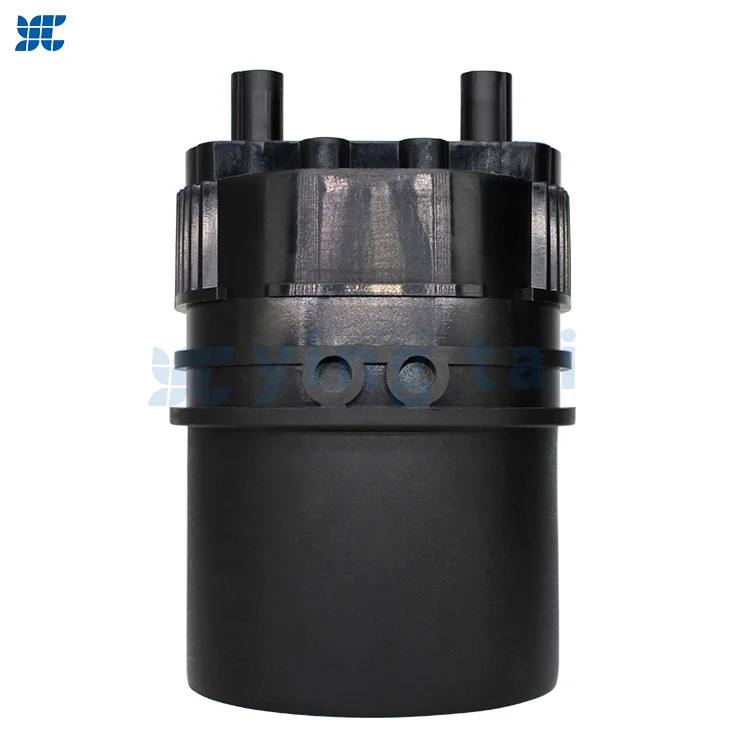
Yingtai Factory specializes in producing small plastic parts for automobiles, such as switch buttons, steering wheel buttons, interior rearview mirror adjustment rods/frames, storage box covers/buckles, cover plates, etc.
-
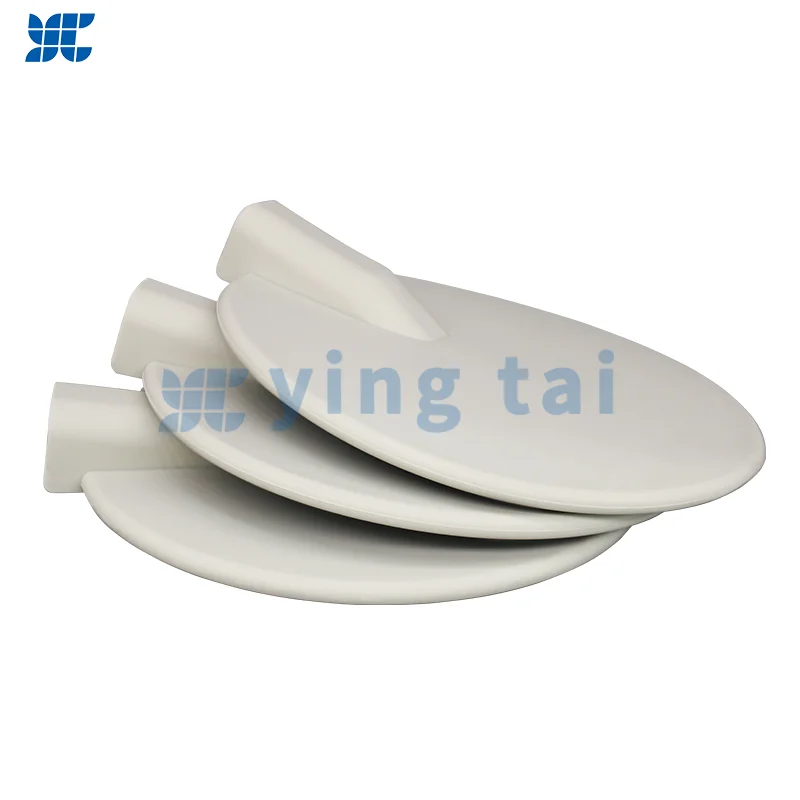 Looking for high-precision conductive liquid silicone accessories? Yingtai factory in China provides professional LSR processing and production. As leading suppliers of custom conductive silicone gaskets, our parts ensure superior EMI shielding and stable signal transmission.
 -
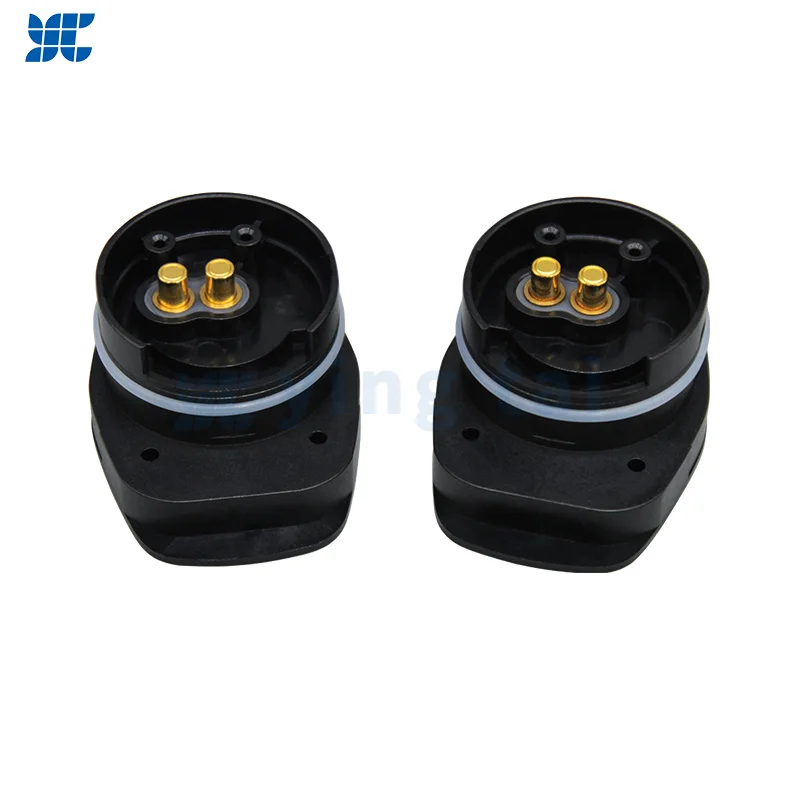
Insulated plastic connectors are suitable for industries such as smart appliances, industrial equipment, household appliances, communication equipment, etc.