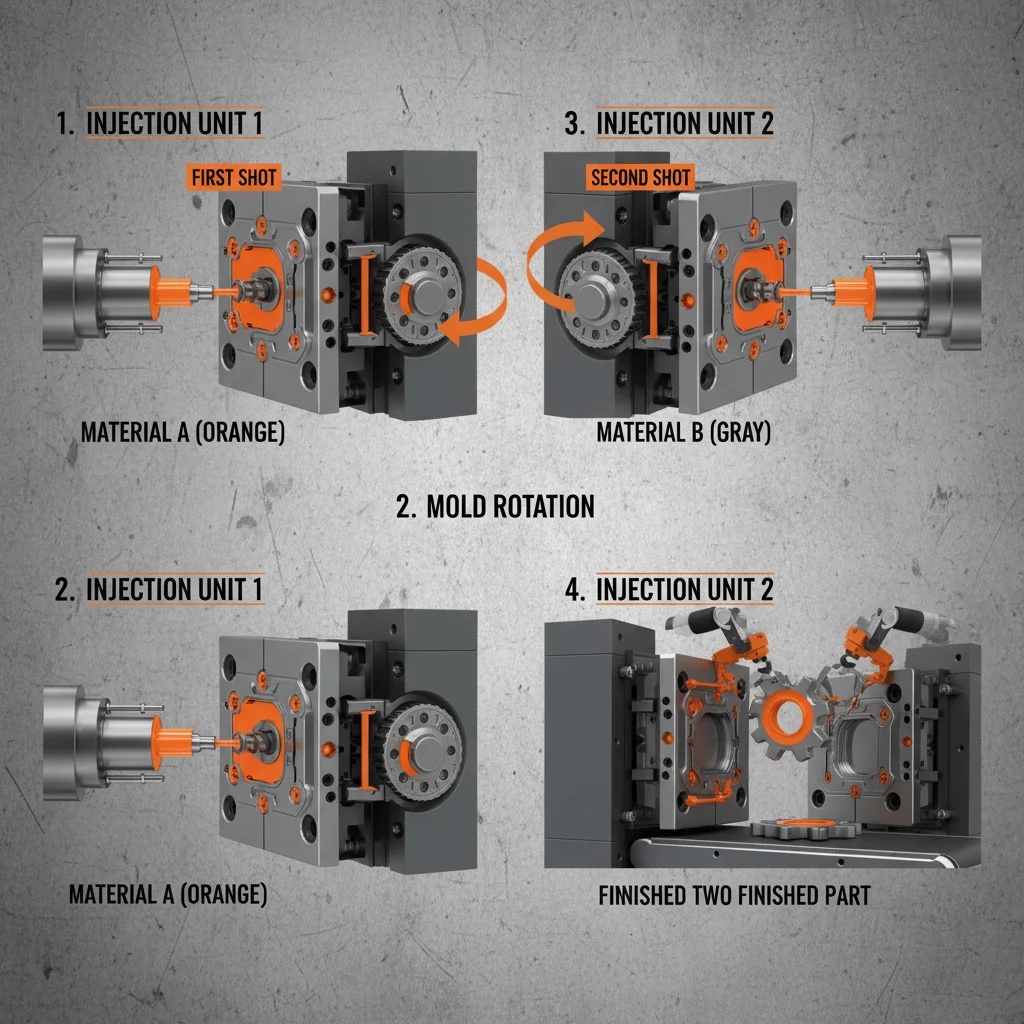
Injection molded rubber parts enterprises play a critical role in a vast array of industries globally, from automotive and aerospace to medical devices and consumer goods. The ability to precisely manufacture complex rubber components with consistent quality and cost-effectiveness has driven significant advancements across these sectors. This reliance isn’t merely industrial; the benefits extend to infrastructure, safety, and everyday life, impacting the functionality and longevity of countless products. Understanding the nuances of these enterprises is crucial for businesses seeking optimized supply chains, engineers designing innovative products, and policymakers fostering economic growth.
The demand for injection molded rubber parts continues to rise, fueled by increasing automation, a focus on lightweighting in transportation, and stringent requirements for material performance in demanding environments. As global manufacturing shifts and evolves, efficient and reliable production of these components becomes even more paramount. Specialized Injection molded rubber parts enterprises are uniquely positioned to meet these challenges, offering expertise in material science, tooling design, and process control.
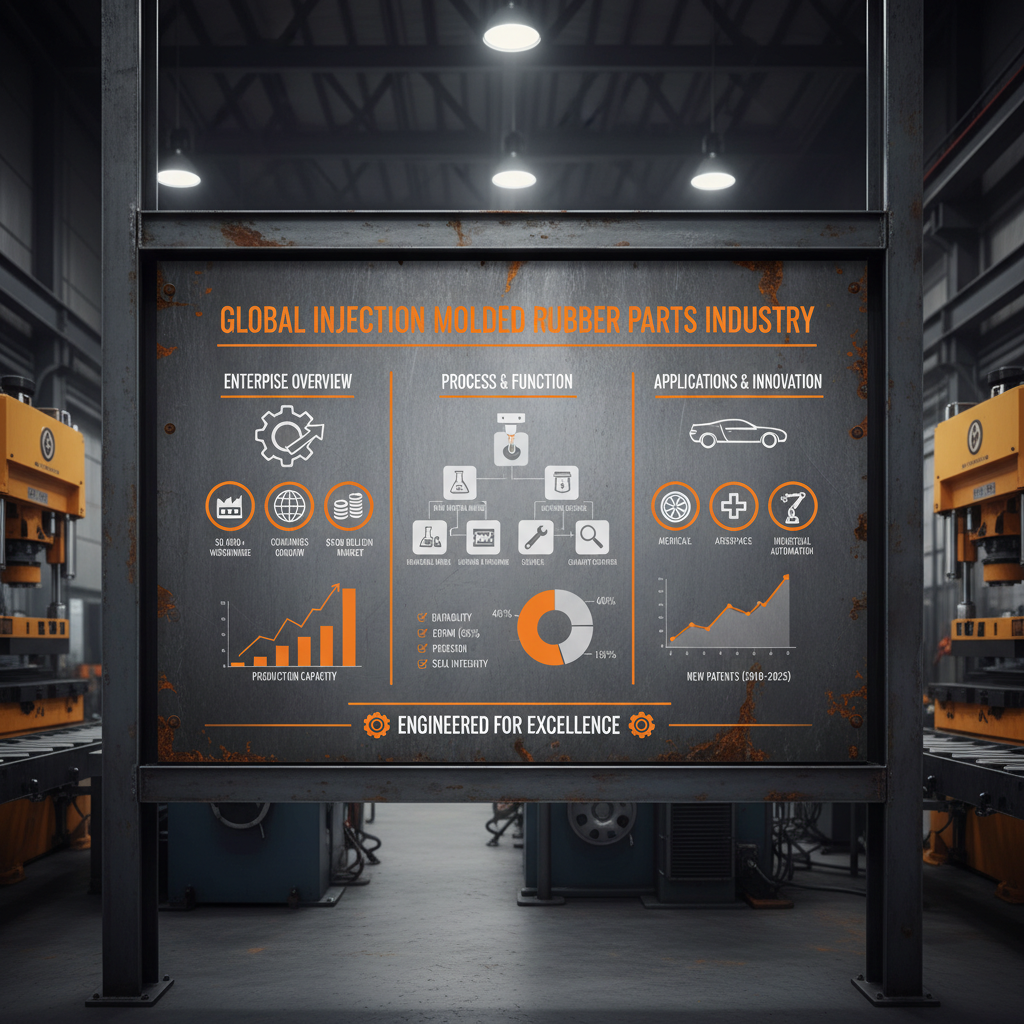
This comprehensive overview aims to explore the critical aspects of injection molded rubber parts enterprises, outlining their key components, global applications, advantages, and future trends. We'll also address common challenges and provide insights into optimizing performance and innovation within this vital sector.
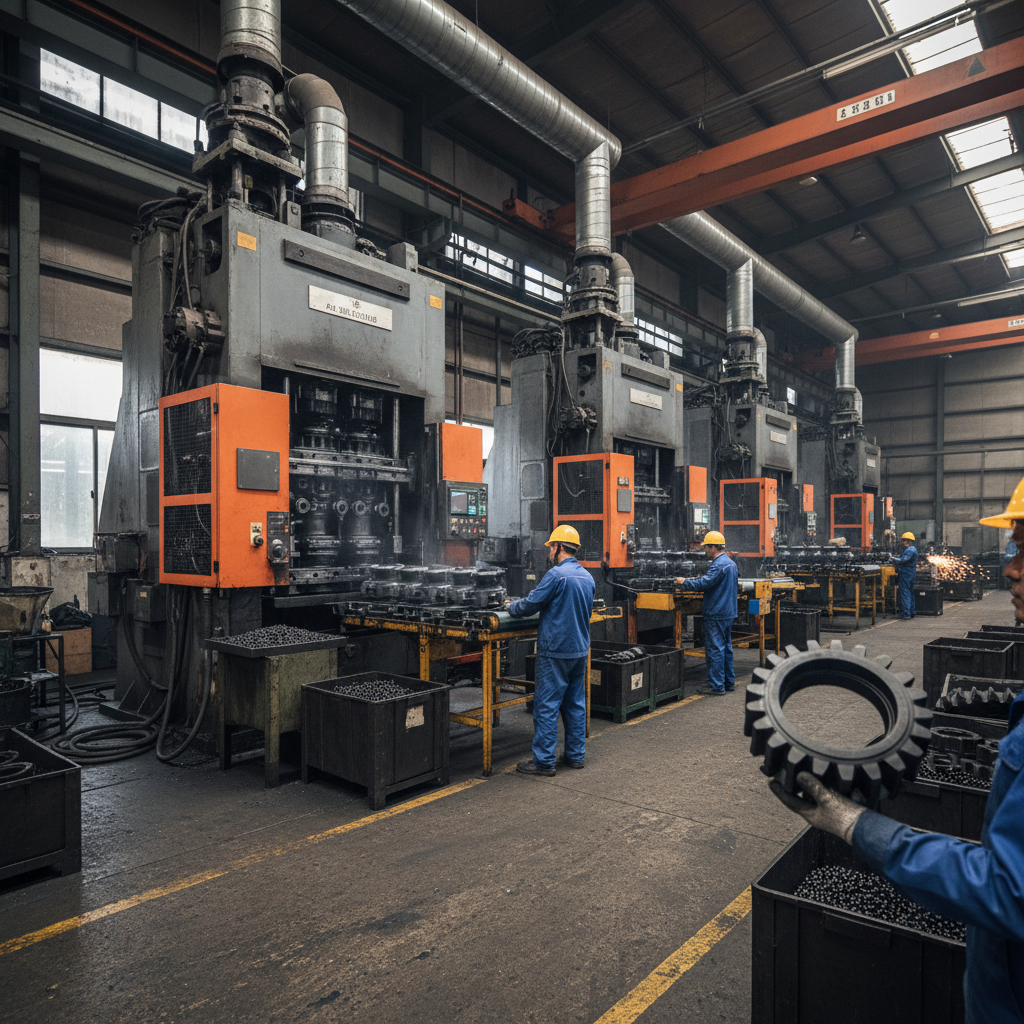
Injection molded rubber parts enterprises are specialized manufacturing facilities dedicated to producing rubber components through the injection molding process. These facilities encompass a range of capabilities, including material selection, tooling design and fabrication, molding process optimization, and quality control. The success of these enterprises relies on a deep understanding of rubber chemistry, polymer processing, and precision engineering. Leading injection molded rubber parts enterprises strive to deliver consistently high-quality products that meet stringent customer specifications.
The significance of these enterprises extends beyond simply creating parts. They are critical enablers for innovation in a diverse range of sectors, allowing for the development of more efficient, reliable, and durable products. By providing customized rubber solutions, they contribute to improved performance, enhanced safety, and reduced costs for their clients.
The global market for injection molded rubber parts is substantial and growing, driven by the expansion of key industries such as automotive, healthcare, and industrial manufacturing. According to recent reports, the rubber products manufacturing industry globally is valued at over $300 billion USD, with injection molding representing a significant portion of this market. Emerging economies, particularly in Asia-Pacific, are experiencing the most rapid growth, fueled by increased industrialization and consumer spending.
One major challenge facing injection molded rubber parts enterprises is the increasing demand for sustainable materials and manufacturing processes. Regulatory pressures and consumer preferences are driving a shift towards eco-friendly rubber compounds and reduced waste generation. Companies that proactively embrace sustainability initiatives will be best positioned to thrive in the evolving market landscape. The UN Sustainable Development Goals relating to responsible consumption and production are increasingly important considerations for these businesses.
Furthermore, geopolitical uncertainties and supply chain disruptions have highlighted the importance of resilient and diversified sourcing strategies. Reliable injection molded rubber parts enterprises are investing in advanced technologies and robust quality control systems to mitigate risks and ensure uninterrupted supply for their customers.
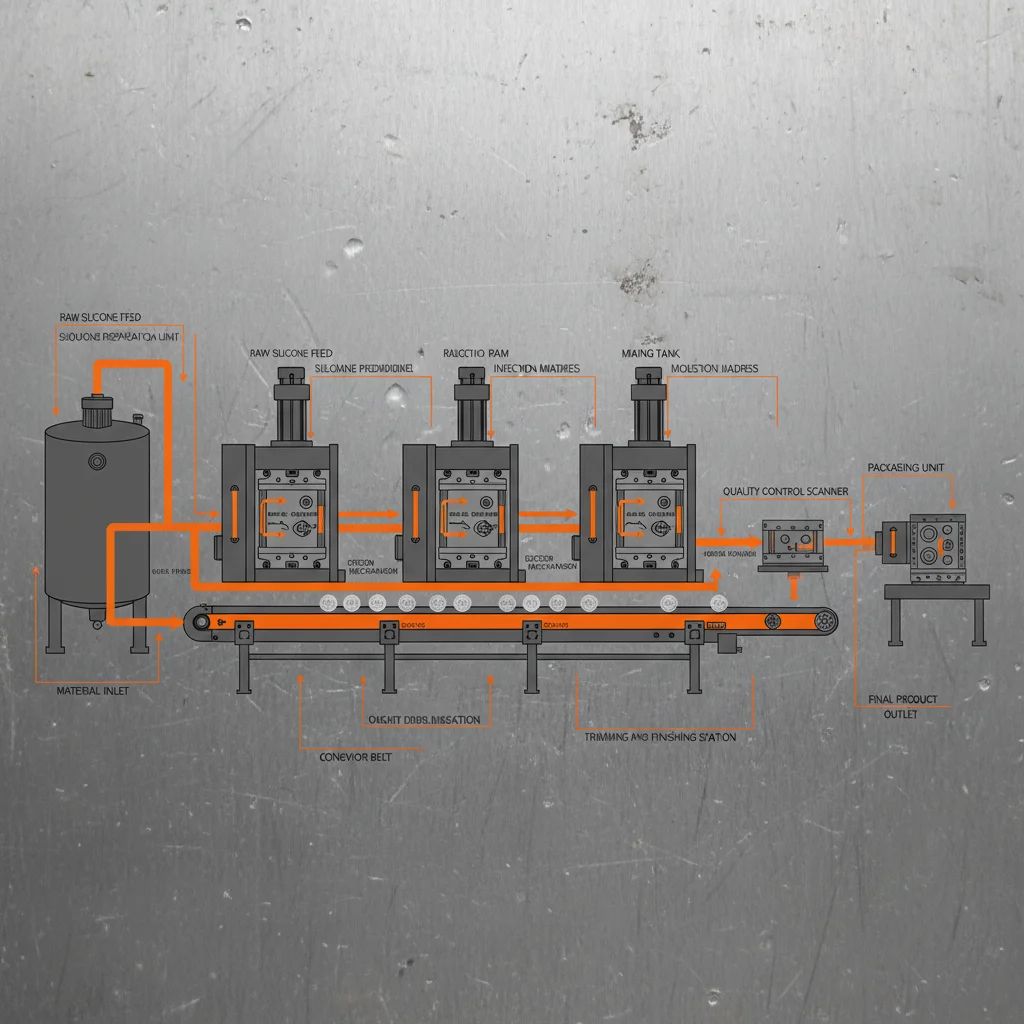
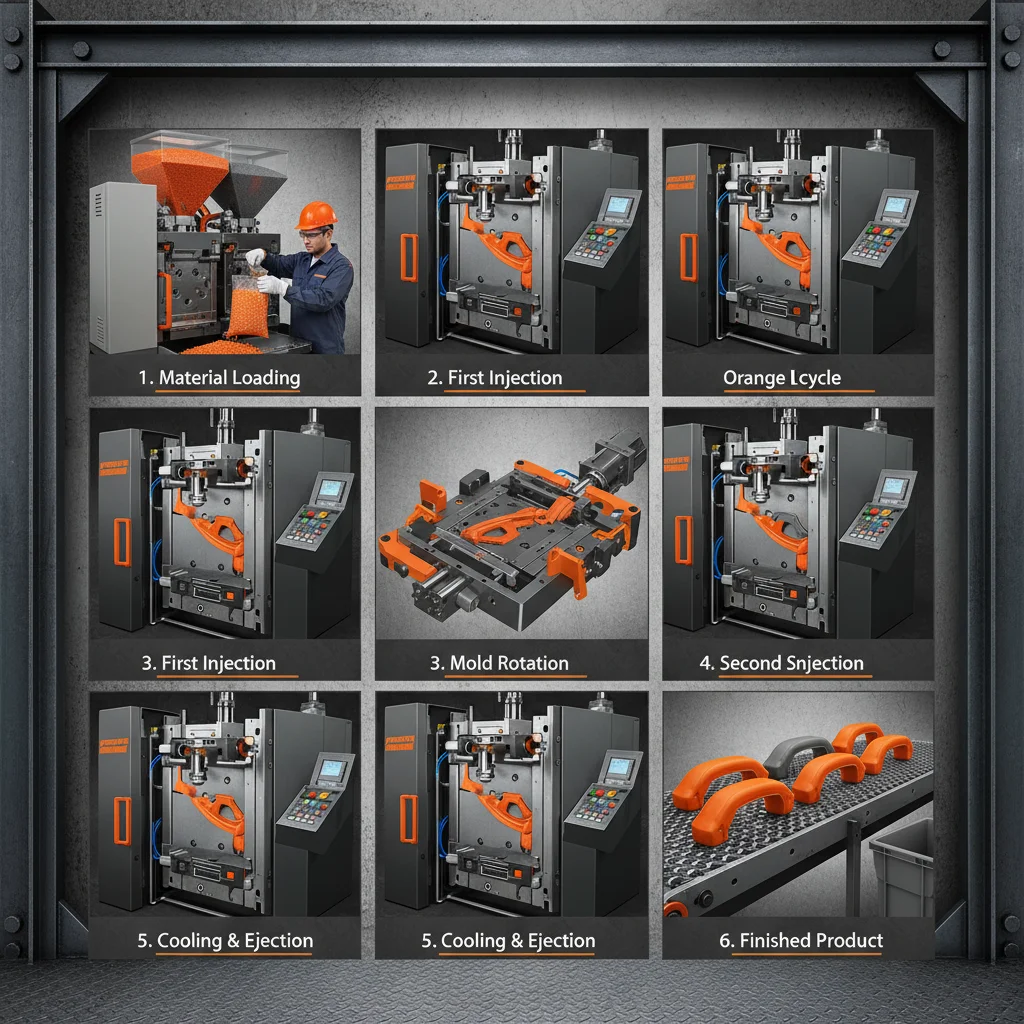
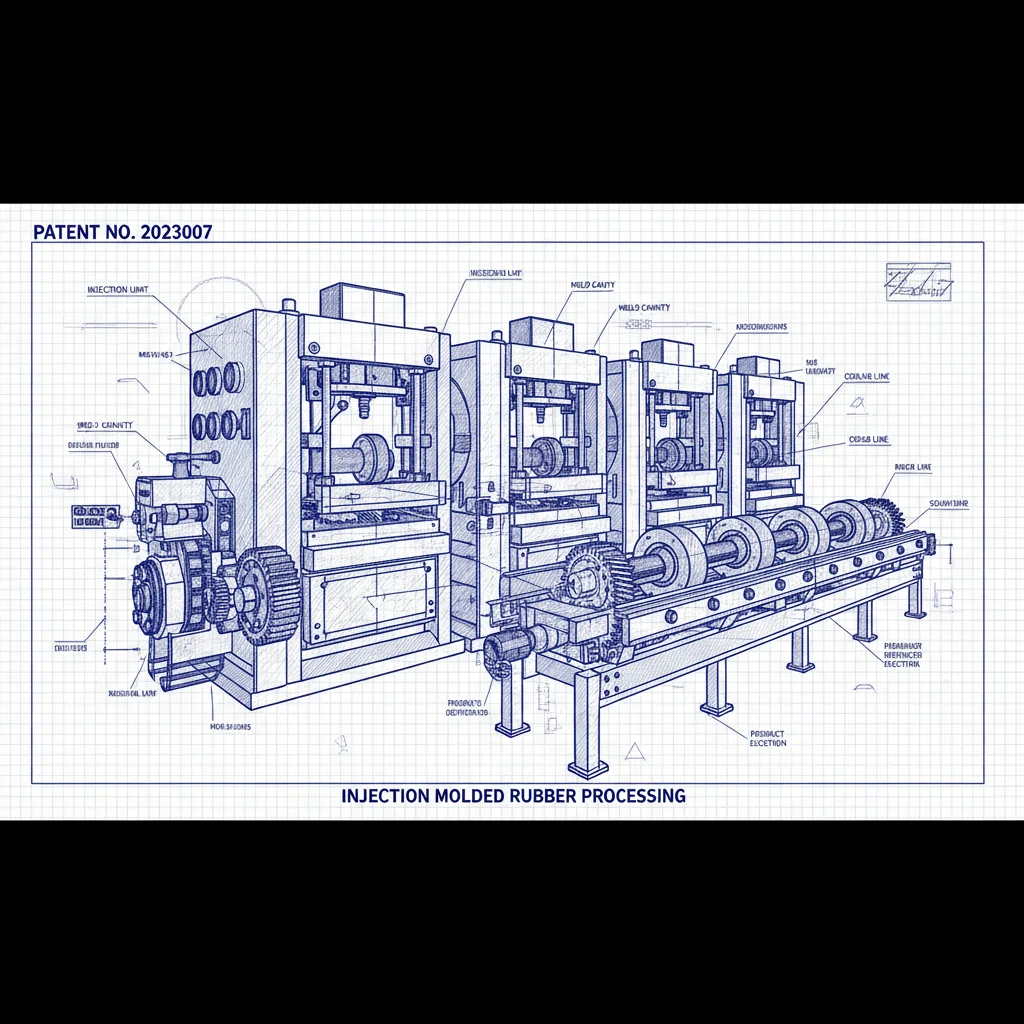
Injection molded rubber parts enterprises are businesses specializing in the manufacturing of rubber products using the injection molding process. This involves injecting molten rubber material into a mold cavity, where it cools and solidifies, forming the desired shape. These enterprises aren’t just manufacturers; they offer a complete solution, from initial design consultation and tooling creation to mass production and quality assurance.
The connection to modern industry is undeniable. Almost every sector relies on rubber components – seals, gaskets, o-rings, diaphragms, vibration isolators, and more. These parts are integral to the function and reliability of everything from automobiles and airplanes to medical equipment and household appliances. Without efficient and high-quality injection molded rubber parts enterprises, many critical industries would face significant operational challenges.
In essence, these enterprises bridge the gap between material science and practical application. They translate design concepts into tangible rubber products that meet specific performance requirements, contributing significantly to advancements in technology and innovation across diverse fields.
Successful injection molded rubber parts enterprises hinge on several core factors. Firstly, Material Expertise is paramount. A deep understanding of various rubber compounds (silicone, EPDM, neoprene, etc.) and their properties allows for selecting the optimal material for specific applications, ensuring performance and durability. Secondly, Tooling Precision is crucial. High-quality molds are essential for achieving tight tolerances, consistent dimensions, and a flawless surface finish.
Another critical factor is Process Control. Maintaining precise control over injection parameters (temperature, pressure, injection speed) is vital for minimizing defects and ensuring consistent part quality. Furthermore, Quality Assurance is non-negotiable. Implementing robust quality control systems, including dimensional inspections, material testing, and visual checks, is essential for meeting customer expectations and maintaining a strong reputation.
Injection molded rubber parts are ubiquitous across a vast spectrum of industries. In the automotive sector, they’re critical for seals, gaskets, hoses, vibration dampers, and interior components, enhancing vehicle performance, safety, and comfort. The aerospace industry utilizes high-performance rubber parts for fuel systems, hydraulic systems, and sealing applications, demanding exceptional reliability and resistance to extreme temperatures.
Within the healthcare industry, injection molded rubber parts play a vital role in medical devices, tubing, stoppers, and seals, requiring biocompatibility and strict adherence to regulatory standards. In post-disaster relief operations, portable water purification systems rely heavily on durable rubber seals and components produced by specialized enterprises. The increasing demand for medical-grade components highlights the importance of these specialized injection molded rubber parts enterprises.
The advantages of utilizing injection molded rubber parts are multifaceted. Cost-effectiveness is a significant driver, as the process allows for high-volume production with minimal material waste. Design flexibility enables the creation of complex geometries and intricate features, catering to diverse application requirements. Furthermore, injection molding delivers exceptional part consistency, ensuring reliable performance and reducing the risk of failures.
The long-term value extends beyond immediate cost savings. High-quality rubber parts contribute to increased product durability, reduced maintenance requirements, and improved overall system reliability. This translates into enhanced customer satisfaction, stronger brand reputation, and a reduced environmental footprint through longer product lifecycles. The inherent resilience and resistance of rubber components instill confidence and trust in the products they serve.
The future of injection molded rubber parts enterprises is being shaped by several key trends. Automation and robotics are increasingly being integrated into manufacturing processes to enhance efficiency, reduce labor costs, and improve quality control. The development of advanced rubber materials – including self-healing polymers, bio-based rubber, and high-performance elastomers – is driving innovation and expanding the range of possible applications.
Digital transformation is also playing a crucial role, with the adoption of Industry 4.0 technologies such as real-time data analytics, predictive maintenance, and digital twins optimizing production processes and improving decision-making. Furthermore, a growing emphasis on sustainability is driving the development of closed-loop manufacturing systems and the use of recycled rubber materials.
These advancements, coupled with the increasing demand for customized rubber solutions, will require injection molded rubber parts enterprises to invest in research and development, embrace new technologies, and foster a culture of continuous improvement.
Selecting the right rubber compound is crucial. Factors include temperature resistance, chemical compatibility, tensile strength, elongation, hardness, and cost. Common materials like silicone, EPDM, neoprene, and Viton each offer unique properties suitable for different applications. Understanding the end-use environment and performance requirements is paramount.
Tooling lead times vary depending on the complexity of the part, the material of the mold (aluminum or steel), and the enterprise's current workload. Typically, expect a lead time of 4-8 weeks for aluminum tooling and 8-16 weeks for steel tooling. Clear communication with the enterprise is vital for accurate timelines.
Implementing a robust quality control plan is essential. This includes dimensional inspections, material testing, visual checks, and process monitoring. Look for enterprises with ISO 9001 certification and a proven track record of quality performance. Proper documentation and traceability are also critical.
Key cost factors include tooling costs, material costs, labor costs, machine time, and quality control expenses. The complexity of the part, the production volume, and the material selection significantly influence the overall cost. Obtaining detailed quotes from multiple enterprises is recommended.
Yes, overmolding is a common process where rubber is molded onto a plastic or metal substrate. This creates a strong bond and provides a soft-touch grip, improved sealing, or enhanced aesthetics. Many injection molded rubber parts enterprises specialize in overmolding services.
MOQ varies widely depending on the enterprise and the complexity of the part. Generally, higher production volumes result in lower per-part costs. Some enterprises may offer prototyping services with lower MOQs for initial runs. Clear communication about your required quantity is key.
In conclusion, injection molded rubber parts enterprises are fundamental to a vast array of industries, providing essential components that drive innovation, enhance performance, and ensure reliability. Their ability to deliver customized solutions, coupled with the benefits of cost-effectiveness, design flexibility, and consistent quality, makes them invaluable partners for businesses across the globe. Understanding the key factors that contribute to success – from material expertise to process control – is crucial for maximizing value and fostering long-term relationships.
Looking ahead, these enterprises must embrace emerging trends such as automation, advanced materials, and digital transformation to remain competitive in an evolving market. A strong commitment to sustainability and a proactive approach to addressing supply chain challenges will also be vital. To learn more about how Injection molded rubber parts enterprises can benefit your business, visit our website today.
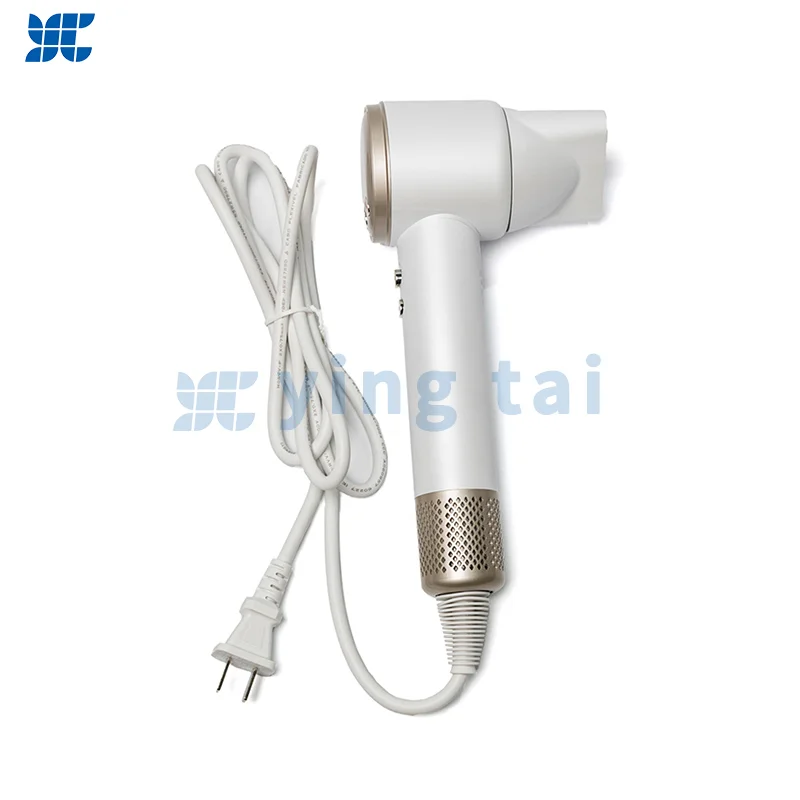
The hair dryer circulates cold and hot air, accurately shaping and meeting various hair quality and styling needs.
Violent testing does not deform, high rebound liquid silicone material, fearless of sweat and dust, suitable for industries such as industrial equipment/kitchen appliances/smart consumer appliances, etc. Welcome to process and produce.
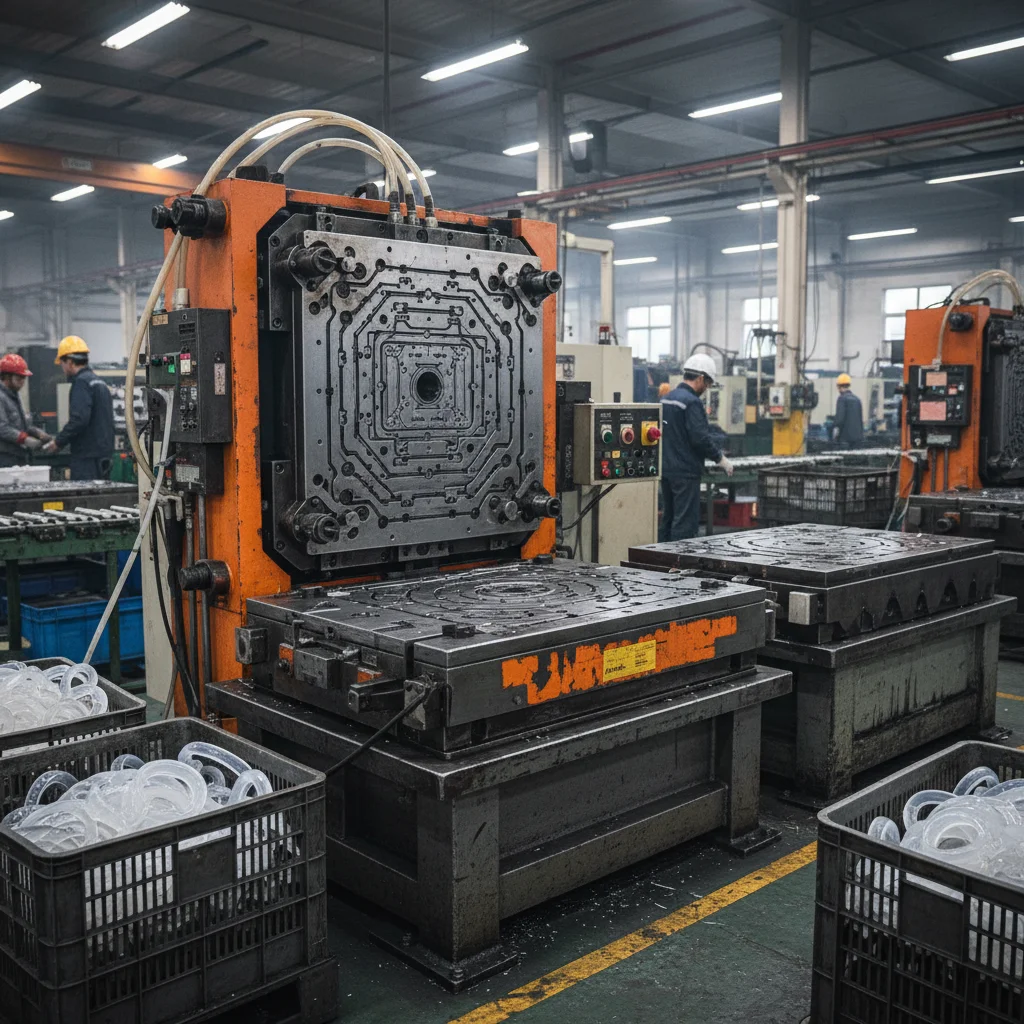
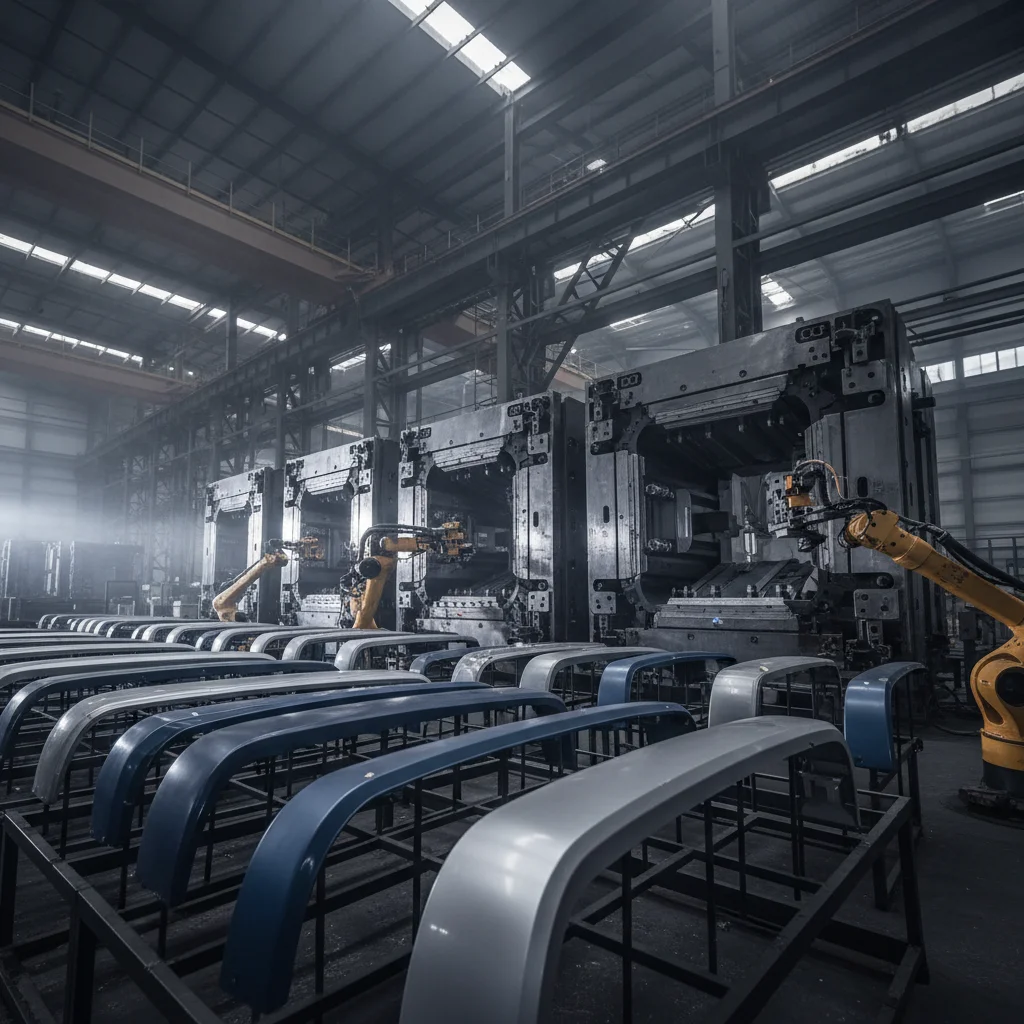
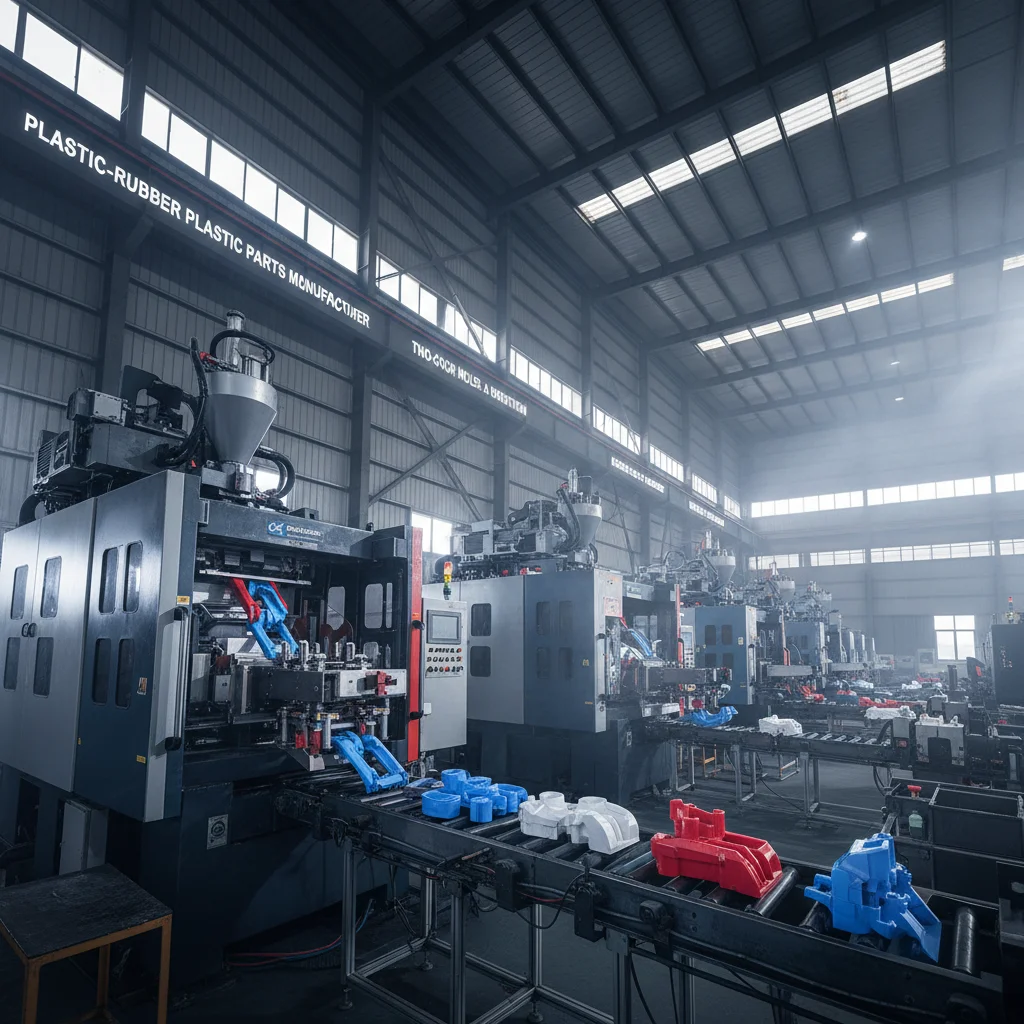
Fully automatic injection molding professional workshop, crafted with ingenuity. Physical display, visible quality, trustworthy.