Expert Two Color Plastic Parts Processing Factory Solutions and Manufacturing

Expert Two Color Plastic Parts Processing Factory Solutions and Manufacturing

Expert Two Color Plastic Parts Processing Factory Solutions and Manufacturing
Mar 9, 2026
share:

Two color plastic parts processing factory has become increasingly vital in modern manufacturing, offering solutions for a wide array of industries, from automotive and consumer electronics to medical devices and packaging. The ability to create aesthetically pleasing and functionally enhanced products with distinct color combinations drives demand for this specialized manufacturing process. This technique allows for the creation of parts with integrated seals, soft-touch surfaces, and branding elements directly molded into the component, reducing assembly costs and enhancing product durability.

The global market for plastic parts is experiencing significant growth, fueled by increased demand from emerging economies and a constant drive for innovation. Two color plastic parts processing factory specifically addresses the need for higher-quality, more complex designs, contributing to a reduction in material waste and improved product performance. Companies are increasingly seeking specialized manufacturers capable of delivering precision and consistency in these processes.

Understanding the nuances of two color plastic injection molding, including material selection, mold design, and process control, is crucial for achieving optimal results. This understanding allows businesses to leverage the technology for competitive advantage, offering unique products that stand out in the marketplace. Two color plastic parts processing factory are well equipped to handle the complexities of this process.
Two color plastic parts processing factory

The Core Principles of Two Color Plastic Parts Processing Factory
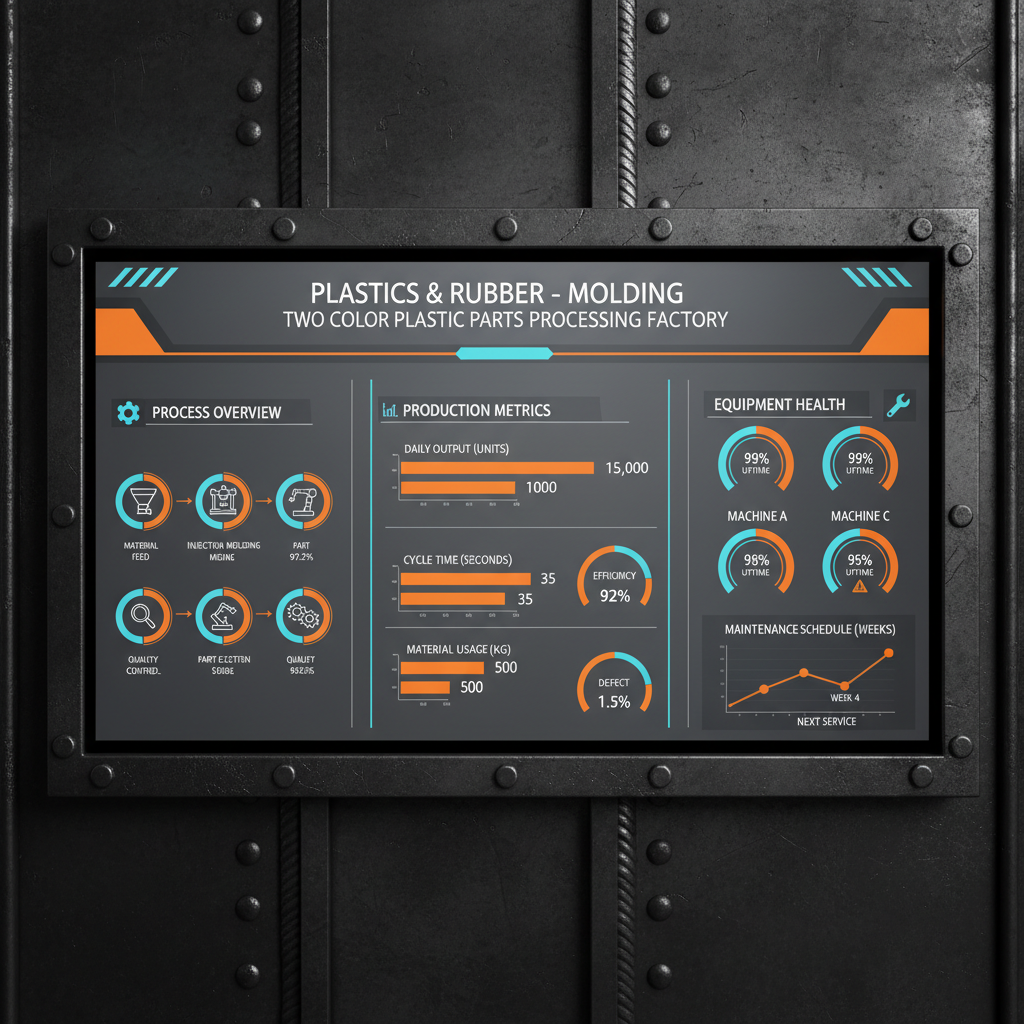
Two color plastic parts processing factory

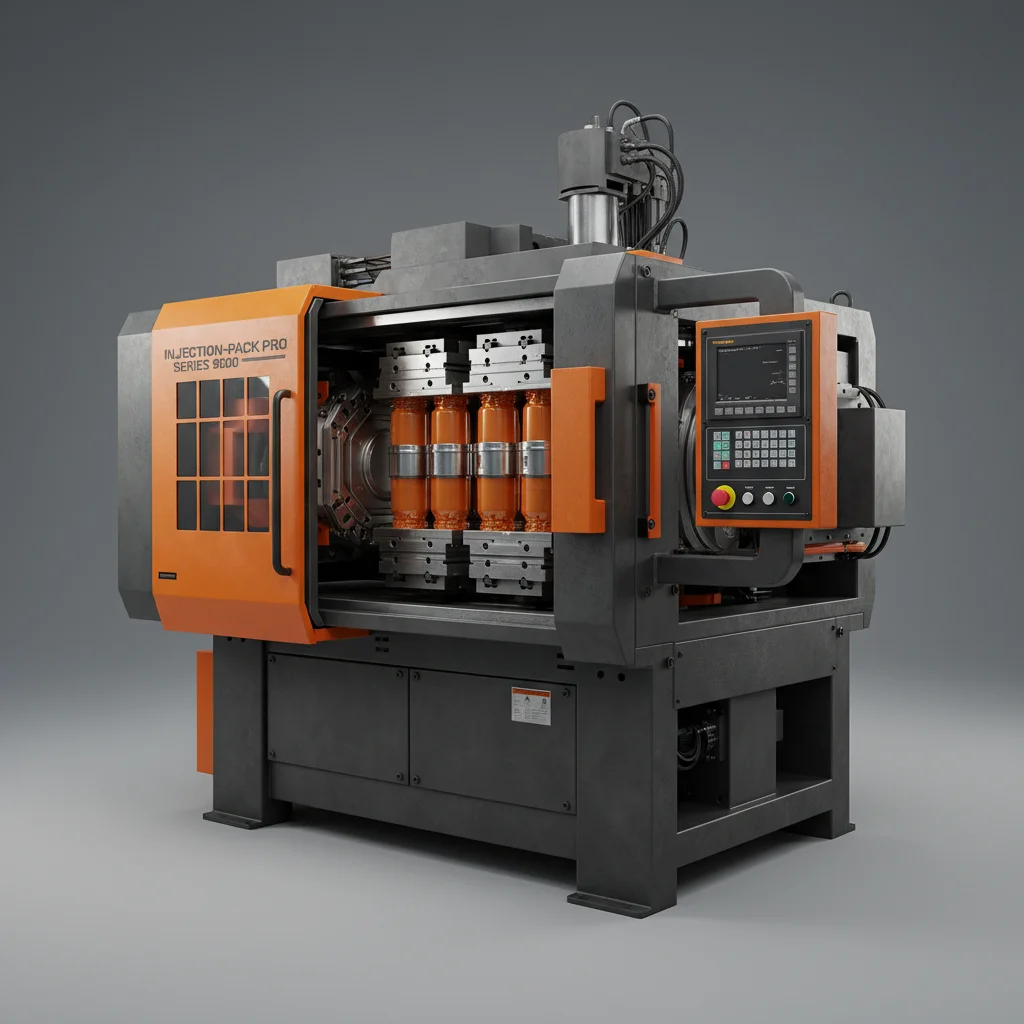
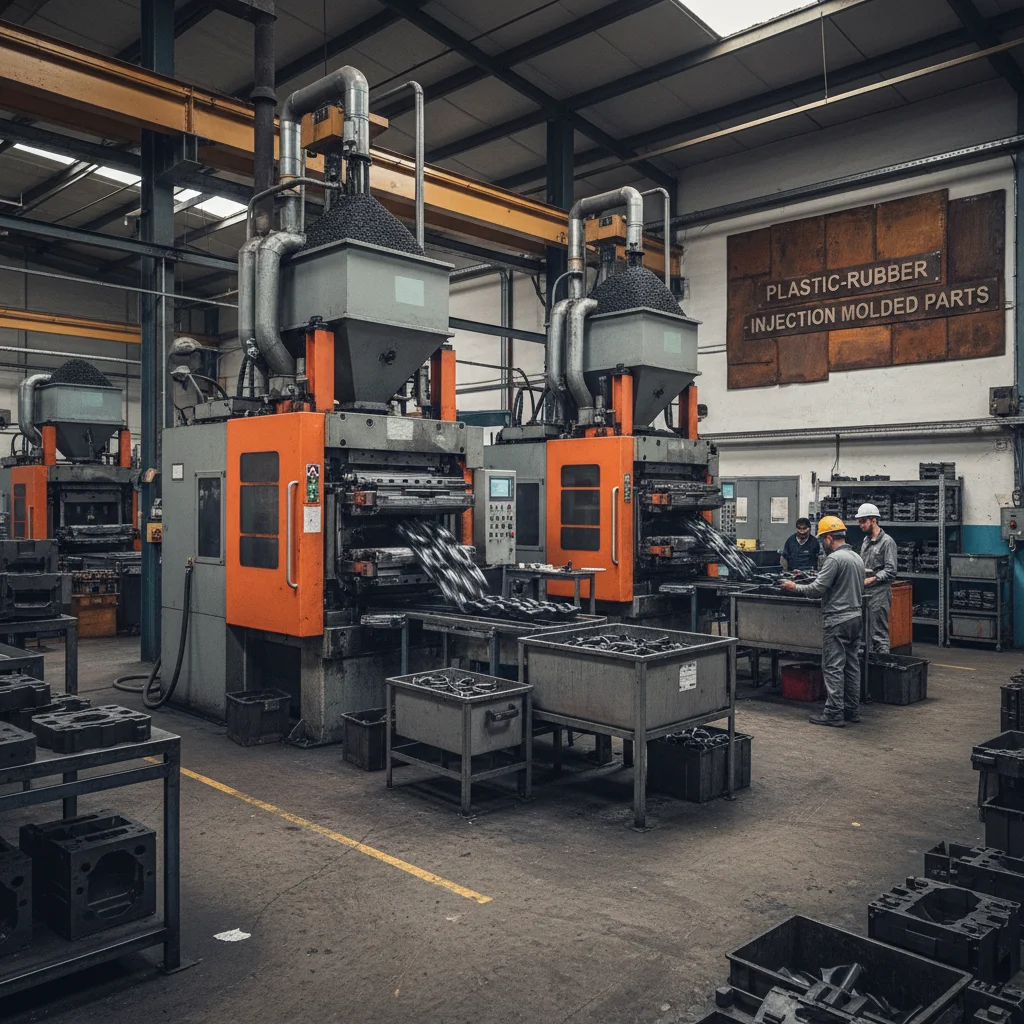
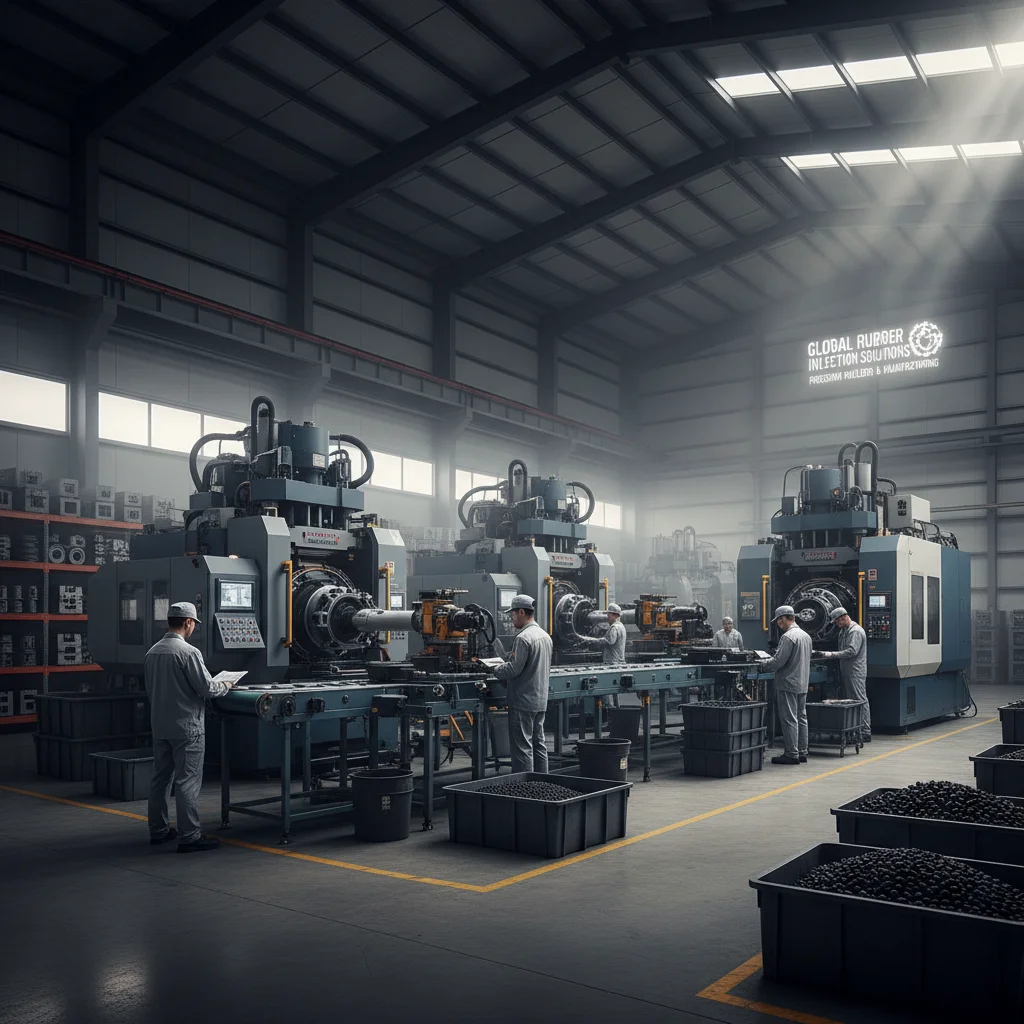
At its heart, Two color plastic parts processing factory involves the simultaneous molding of two different thermoplastic materials into a single component. This is achieved using a specialized injection molding machine and a meticulously designed mold. The process demands precise control over temperature, pressure, and injection speed to ensure proper bonding between the materials and prevent defects.

Understanding material compatibility is paramount. The chosen materials must exhibit adequate adhesion and similar shrinkage rates to avoid warping or delamination. Successful two color molding relies on a synergistic combination of advanced technology, skilled operators, and a robust quality control system.

The Global Landscape of Two Color Plastic Parts Manufacturing

The demand for two color plastic parts is expanding globally, with significant concentrations in Asia-Pacific, North America, and Europe. Countries like China, Vietnam, and India are rapidly becoming major hubs for plastic manufacturing, offering competitive labor costs and established supply chains. However, the need for high-precision molding and advanced material processing is driving demand for specialized manufacturers with proven expertise.

According to industry reports, the two-color molding market is expected to grow at a compound annual growth rate (CAGR) of around 6-8% over the next five years. This growth is fueled by the increasing demand for aesthetically pleasing and functional products across various industries, including automotive, consumer electronics, and medical devices.

Manufacturers in developed economies are focusing on innovation and high-value applications, while those in emerging economies are expanding their capacity to meet the growing demand for cost-effective solutions. Two color plastic parts processing factory plays a role in supplying both advanced and cost-effective solutions.

Defining Two Color Plastic Parts Processing Factory: A Technical Overview

Two color plastic parts processing factory, also known as two-shot molding or multi-color molding, is an injection molding process that combines two or more thermoplastic materials in a single molding cycle. This is accomplished using a specialized injection molding machine equipped with two or more barrels and a rotating mold. The machine injects each material sequentially into different sections of the mold, creating a finished part with distinct colors or material properties.

The mold itself is a critical component, designed with precision to ensure proper alignment and bonding between the different materials. Considerations include gate placement, runner design, and venting to minimize defects. The process requires careful control of injection speed, temperature, and pressure to achieve consistent results.

Understanding the melt flow characteristics of each material, as well as their adhesion properties, is essential for successful two color molding. This process is commonly used to create parts with soft-touch grips, integrated seals, or visually appealing color combinations.

Key Factors Influencing Two Color Plastic Parts Quality

Several key factors significantly influence the quality of two color plastic parts. Firstly, material selection is crucial. The two materials must be compatible and exhibit adequate adhesion. Secondly, mold design plays a pivotal role, dictating flow patterns, cooling rates, and overall part geometry. Precise gate placement and effective venting are essential to prevent defects.

Quality Factors in Two color plastic parts processing factory

Diverse Applications of Two Color Plastic Parts Across Industries

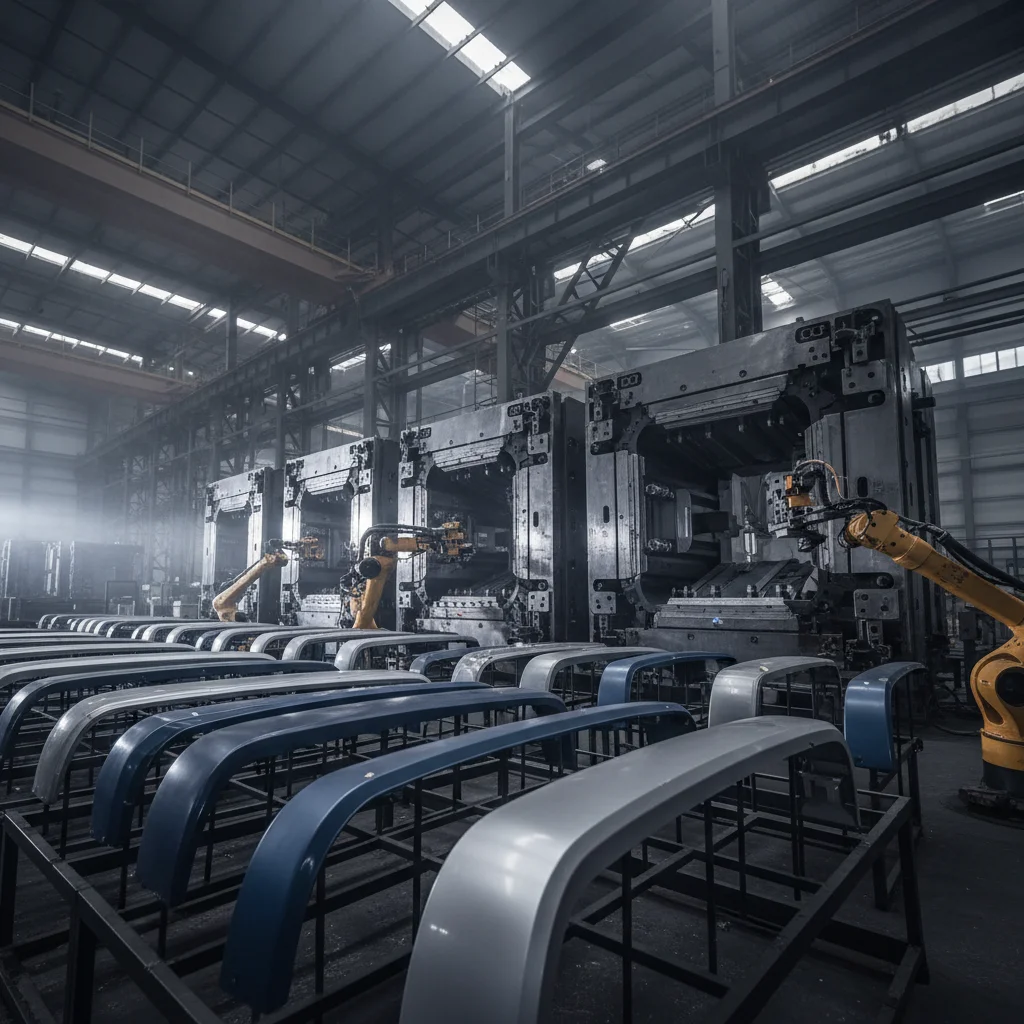
The versatility of Two color plastic parts processing factory makes it applicable to a vast array of industries. In the automotive sector, it’s used for creating interior components with soft-touch surfaces and integrated lighting. Consumer electronics benefit from aesthetically pleasing housings and ergonomic grips.

Medical device manufacturers utilize this technology for creating components with integrated seals and biocompatible materials. Packaging applications leverage two color molding for branding and tamper-evident features. The ability to combine different materials opens up possibilities for enhanced functionality and design.

Advantages and Long-Term Value Proposition

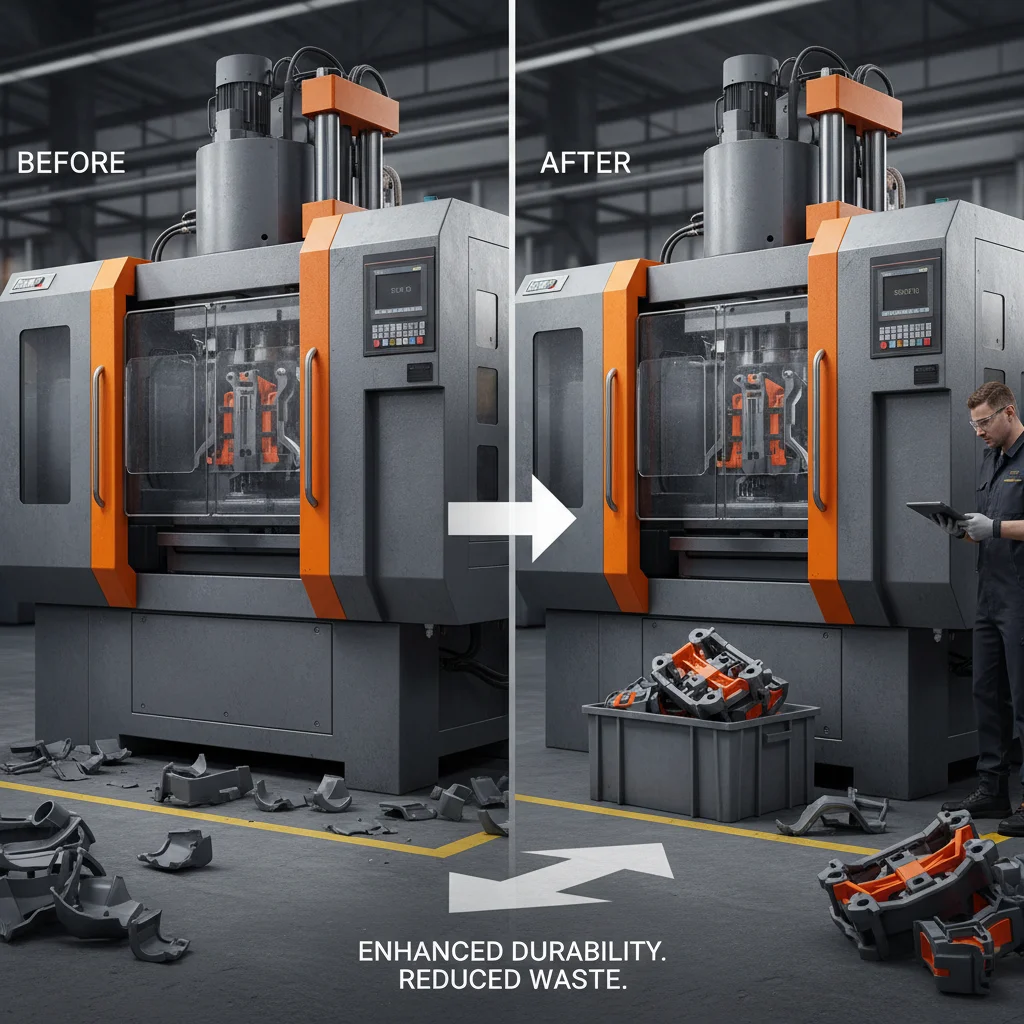
Two color plastic parts processing factory offers a multitude of advantages, including reduced assembly costs, improved product aesthetics, and enhanced functionality. By integrating different materials into a single component, manufacturers can eliminate the need for secondary operations like painting or gluing. This leads to significant time and cost savings.

The increased design freedom allows for the creation of more innovative and appealing products, enhancing brand recognition and customer satisfaction. Furthermore, the use of specialized materials can improve product durability and performance. Choosing a reliable Two color plastic parts processing factory is essential to realizing these benefits.

From a sustainability perspective, two color molding can reduce material waste and energy consumption compared to traditional manufacturing processes. This aligns with the growing demand for eco-friendly products and manufacturing practices.

Future Trends and Innovations in Two Color Plastic Parts Processing Factory

The future of Two color plastic parts processing factory is poised for significant innovation. The integration of automation and robotics is expected to increase efficiency and reduce labor costs. Advanced mold designs, incorporating features like conformal cooling channels, will improve cooling rates and reduce cycle times.

The development of new materials, including bio-based plastics and high-performance polymers, will expand the range of applications for two color molding. Digital technologies, such as simulation and modeling, will play an increasingly important role in optimizing mold designs and process parameters.

Furthermore, the growing emphasis on sustainability will drive the adoption of closed-loop manufacturing systems and the use of recycled materials in two color molding applications.

Analysis of Factors Affecting Two color plastic parts processing factory Efficiency

Material Compatibility Score Mold Design Complexity Process Parameter Optimization Overall Production Efficiency
9/10 (Excellent) 7/10 (Moderate) 8/10 (Good) 85%
6/10 (Fair) 9/10 (High) 6/10 (Fair) 70%
8/10 (Good) 6/10 (Moderate) 9/10 (Excellent) 90%
7/10 (Good) 8/10 (Good) 7/10 (Good) 80%
5/10 (Fair) 5/10 (Low) 5/10 (Fair) 60%
10/10 (Excellent) 7/10 (Moderate) 8/10 (Good) 95%

FAQS

What materials are commonly used in two color plastic injection molding?

Commonly used materials include polypropylene (PP), acrylonitrile butadiene styrene (ABS), polycarbonate (PC), and thermoplastic elastomers (TPE). The key is compatibility, meaning they should adhere well and have similar shrinkage rates. Selecting the right materials is crucial for achieving the desired mechanical properties and aesthetic appeal of the final product.

What are the main advantages of using two color molding compared to painting or assembly?

Two color molding eliminates the need for separate painting or assembly processes, resulting in lower production costs and faster cycle times. It also improves product durability as the different materials are chemically bonded, eliminating the risk of peeling or delamination. Aesthetically, it offers a more refined and professional finish.

What is the typical lead time for a two color injection molding project?

Lead times vary depending on the complexity of the part, the quantity required, and the availability of tooling. Typically, expect a lead time of 6-12 weeks from design confirmation to production. Tooling fabrication is the most time-consuming step.

What are some common defects encountered in two color molding and how can they be prevented?

Common defects include color bleeding, poor adhesion, and warping. These can be prevented through careful material selection, mold design optimization, and precise process control. Proper venting and gate placement are critical for ensuring consistent results.

Is two color molding suitable for small production runs?

While two color molding is most cost-effective for larger production runs, it can be viable for smaller volumes depending on the complexity of the part and the tooling costs. A thorough cost analysis is recommended to determine the feasibility.

What kind of design considerations are important for two color molding?

Design considerations include ensuring adequate draft angles, minimizing undercuts, and carefully selecting gate locations. The geometry of the part should be optimized for easy ejection and to minimize stress concentrations. It’s crucial to design for manufacturability from the outset.

Conclusion

In conclusion, Two color plastic parts processing factory is a powerful manufacturing technique that offers numerous advantages, including reduced costs, improved aesthetics, and enhanced functionality. Its versatility and adaptability make it a valuable asset for a wide range of industries, from automotive and consumer electronics to medical devices and packaging. The continued innovation in materials, mold designs, and automation technologies will further expand the possibilities and applications of this process.

Looking ahead, businesses that embrace Two color plastic parts processing factory will be well-positioned to deliver high-quality, innovative products that meet the evolving needs of the market. Investing in advanced technology and skilled personnel is crucial for maximizing the benefits of this process. To learn more about how we can help you with your two color molding needs, visit our website: www.ytlsrmold.com