Understanding Two Tone Plastic Products: A Comprehensive Guide
Two-tone plastic products are becoming increasingly popular across various industries due to their aesthetic appeal, functional benefits, and cost-effectiveness. This article delves into the world of two tone plastic products, exploring the manufacturing process, applications, advantages, and considerations for design and production. We'll cover the intricacies of achieving seamless color transitions and maximizing the impact of these versatile products. YTLSR Mold specializes in providing high-quality plastic injection molding solutions for diverse customer needs, and we'll highlight how our expertise can bring your two-tone vision to life.
What are Two Tone Plastic Products?
Two-tone plastic products are manufactured using two different colors of plastic material within a single molded part. This isn't simply painting or adding a secondary component; it’s an integrated process during injection molding. The result is a visually striking product with clearly defined color zones. This technique is utilized in a wide array of applications, from consumer goods and automotive parts to medical devices and electronic housings. The key to a successful two-tone product lies in precise mold design and control of the injection molding process.
Key Benefit: Creating products with unique aesthetics and functional color coding without the added cost of assembly or painting.
The Injection Molding Process for Two Tone Products
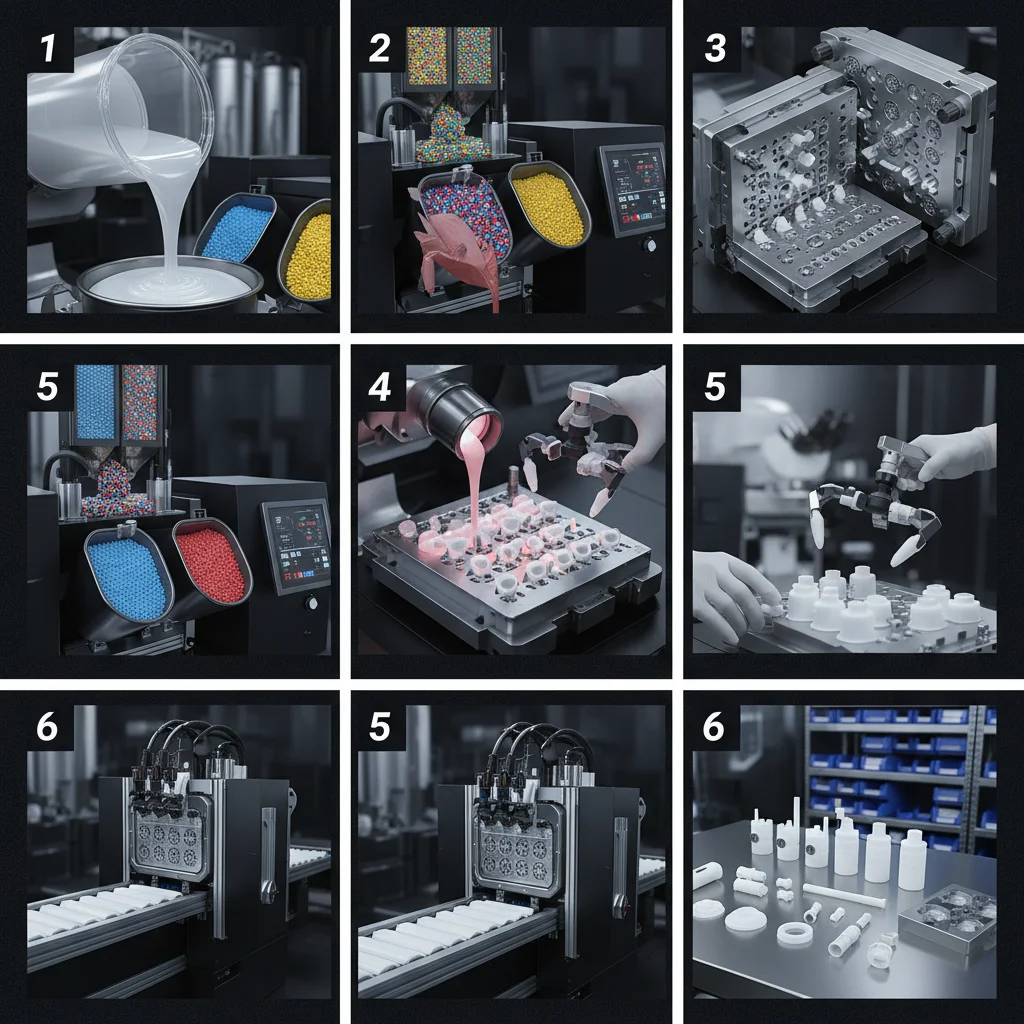
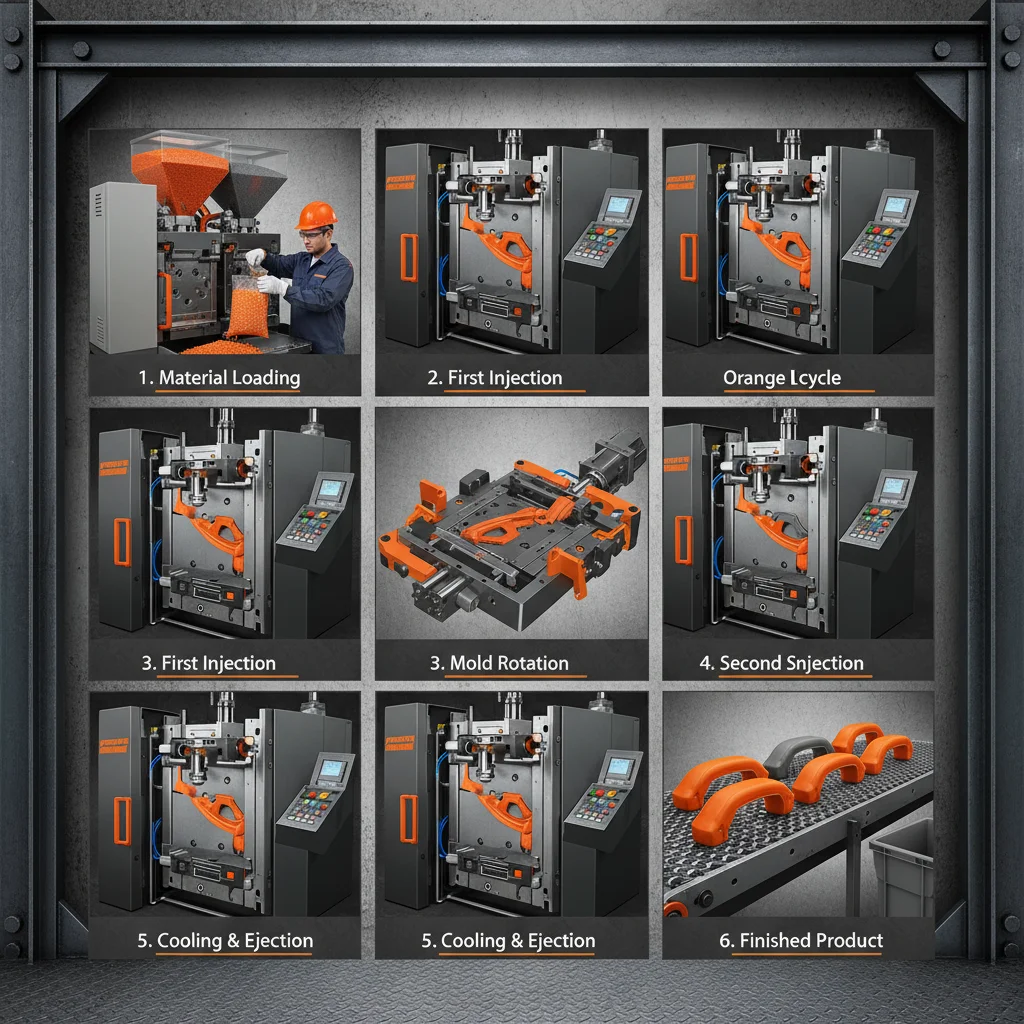
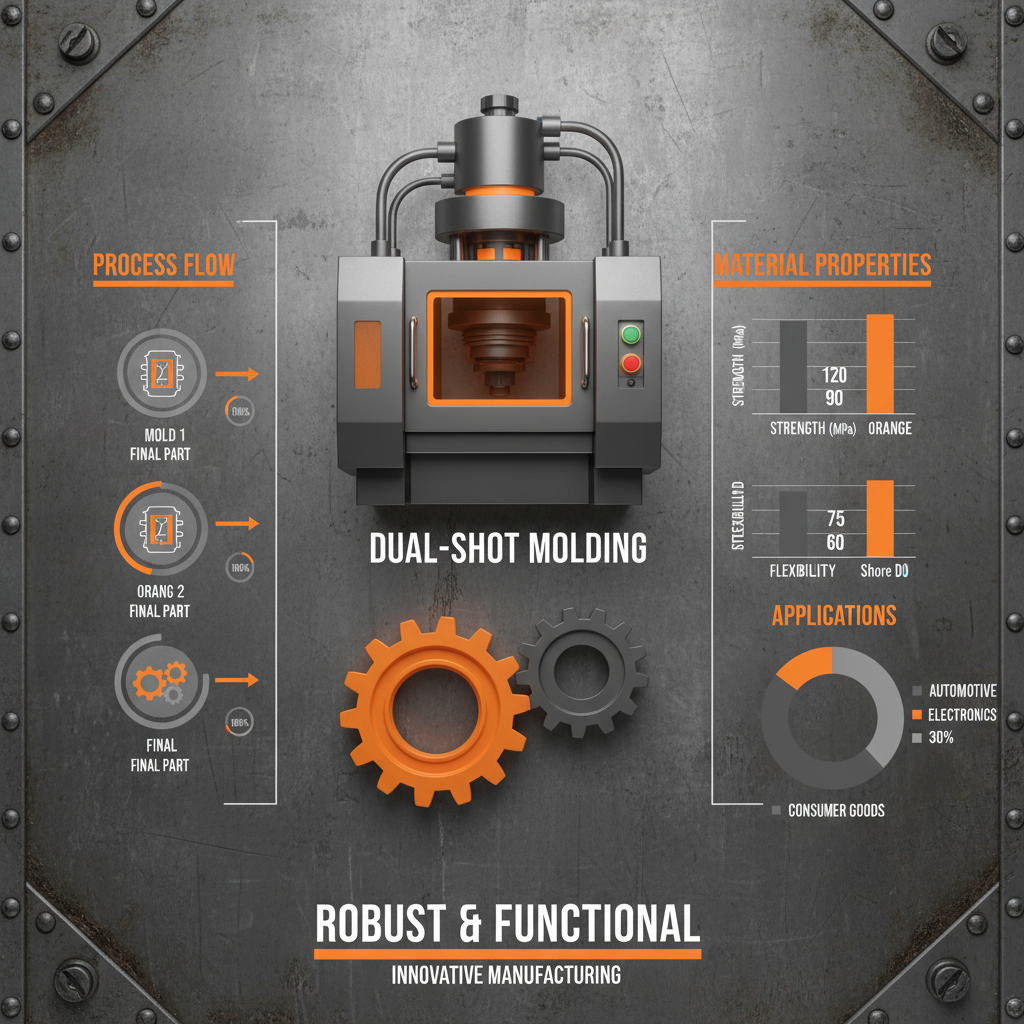
The creation of two-tone plastic parts requires a specialized injection molding process. Typically, this involves a dual-injection molding machine, also known as a two-shot molding machine. Here's a breakdown:
- First Shot: The first color of plastic is injected into the mold, forming the initial part of the component.
- Mold Rotation: The mold rotates to expose a different cavity.
- Second Shot: A second color of plastic is injected into the new cavity, fusing with the first shot to create the two-tone effect.
- Ejection: The completed two-tone product is ejected from the mold.
Precise control of injection speed, pressure, and temperature is crucial to ensure seamless bonding between the two materials and a clean color separation. YTLSR Mold’s expertise in mold design and process control guarantees consistent, high-quality results.
Applications of Two Tone Plastic Products
The versatility of two-tone plastic products lends itself to a wide range of applications. Some common examples include:
- Consumer Goods: Toothbrushes, pens, power tool housings, and appliance handles.
- Automotive Industry: Interior trim, dashboard components, and control knobs.
- Medical Devices: Syringes, inhalers, and diagnostic equipment.
- Electronics: Mobile phone cases, remote controls, and computer peripherals.
- Packaging: Cosmetic containers and beverage closures.
The ability to combine different colors and materials within a single part offers both aesthetic and functional advantages, making them ideal for products requiring visual distinction or specific material properties in different areas.
Two Tone Plastic Products: Advantages & Disadvantages
Like any manufacturing process, two-tone injection molding has its pros and cons. Understanding these factors is vital for making informed decisions about product design and production. Here’s a comparative overview:
Design Considerations for Two Tone Plastic Products
Designing for two-tone injection molding requires careful consideration. Here are some key points:
- Draft Angles: Ensure adequate draft angles for easy ejection of the part.
- Wall Thickness: Maintain consistent wall thickness to prevent warping and ensure proper material flow.
- Parting Line: The parting line (where the two colors meet) should be strategically placed for aesthetic and functional reasons.
- Material Compatibility: Select materials that bond well together and have similar shrinkage rates.
YTLSR Mold’s experienced design team can provide expert guidance throughout the design process, optimizing your product for manufacturability and performance.
Conclusion: Elevate Your Products with Two Tone Injection Molding
Two-tone plastic injection molding offers a powerful solution for creating visually appealing, functional, and cost-effective products. By leveraging the expertise of a reputable partner like YTLSR Mold, you can unlock the full potential of this innovative manufacturing process. Contact us today to discuss your project and discover how we can help you bring your vision to life.
Frequently Asked Questions (FAQs)
What materials are commonly used in two-tone injection molding?
A wide variety of thermoplastics can be used, including Polypropylene (PP), Acrylonitrile Butadiene Styrene (ABS), Polycarbonate (PC), and Thermoplastic Polyurethane (TPU). The key is to select materials that are compatible in terms of bonding and shrinkage rates. Softer materials, like TPU, are often paired with harder materials, like PC or ABS, to provide a comfortable grip or enhanced functionality. We at YTLSR Mold can assist in material selection based on your specific application requirements.
What is the minimum order quantity for two-tone plastic parts?
The minimum order quantity (MOQ) depends on the complexity of the part, the size of the mold, and the materials used. Generally, MOQs are higher than for single-color injection molding due to the higher tooling costs. However, YTLSR Mold strives to accommodate a range of order sizes and can discuss flexible options based on your specific needs. We can provide a detailed quote outlining the MOQ and associated costs.
How long does it take to create a two-tone mold?
The lead time for creating a two-tone mold typically ranges from 4 to 8 weeks, depending on the complexity of the mold and the current workload. This includes the design phase, mold fabrication, and testing. YTLSR Mold utilizes advanced mold-making technology and experienced engineers to streamline the process and deliver molds on time and within budget. We provide regular updates throughout the mold-making process to keep you informed.
Can two-tone injection molding be used with overmolding?
While distinct processes, two-tone injection molding can be combined with overmolding techniques. Overmolding involves injecting a second material over an existing part, offering additional functionality like grip or sealing. In a two-tone application, this means you can have multiple colors and an overmolded component for enhanced features. YTLSR Mold has expertise in both technologies and can create complex, multi-material parts to meet your specific requirements.
-
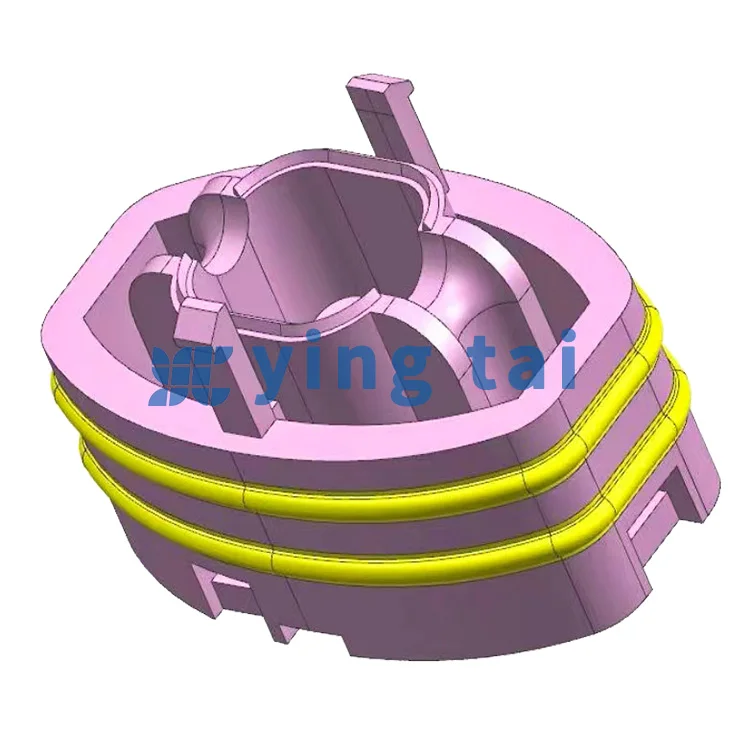
Yingtai Factory has a complete and scientific quality management system and one-stop development and production capabilities. Welcome to come and process and produce.
-
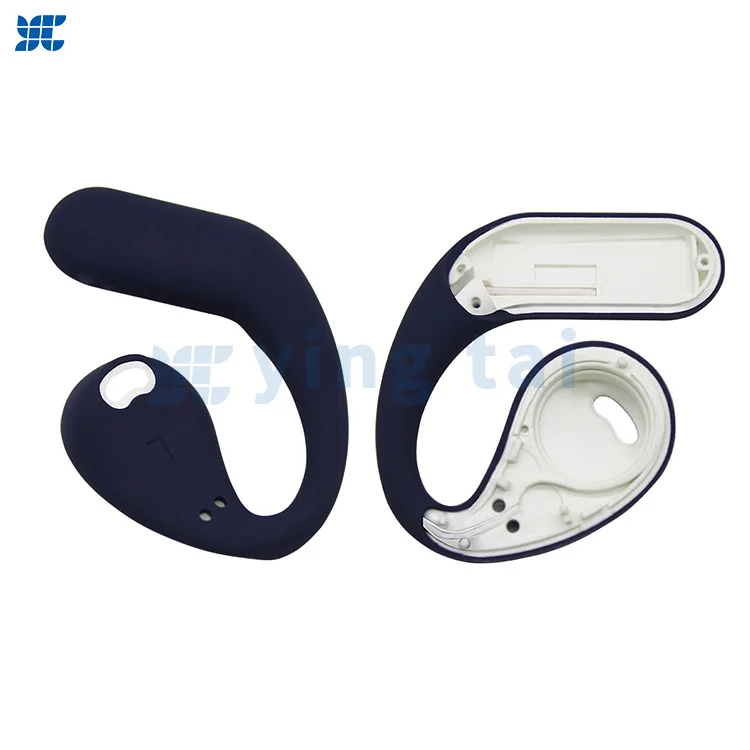 Good sound quality headphone accessories Ear hanging earphone components Earphone production factory
The ear hanging Bluetooth earphones are made of skin friendly liquid silicone material, which is flexible and fits snugly to the earlobe. Yingtai factory processes and produces multiple sizes to match different ear shapes.
-
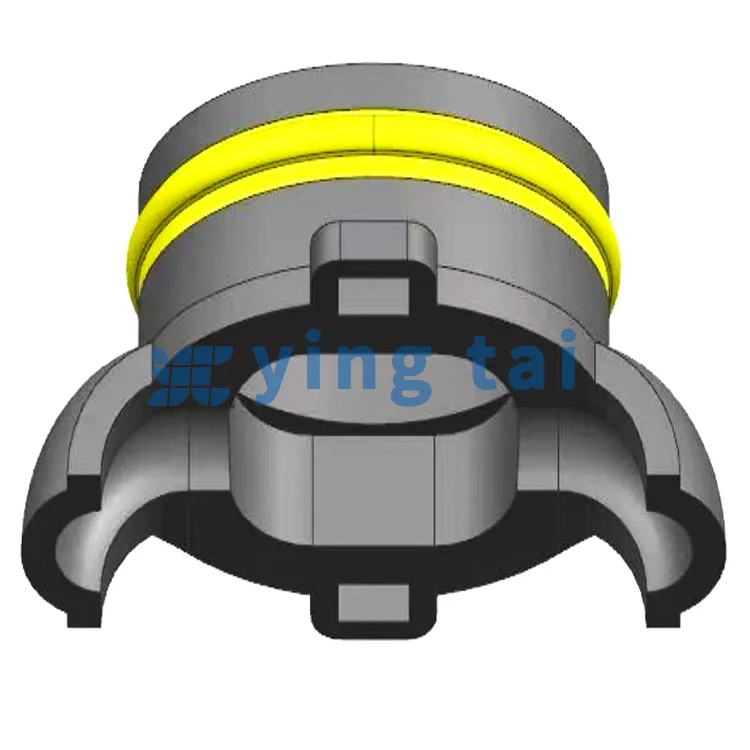
Yingtai manufacturers can wholesale and produce customized liquid silicone wrapped hardware, silicone waterproof sealing products, wrapped molded accessories and other electric kettles, hair dryers, electric toothbrushes, etc.