The production of two-color plastic parts factory represents a pivotal advancement in manufacturing, enabling the creation of aesthetically pleasing and functionally enhanced products. Globally, demand for these parts is surging across diverse industries like automotive, consumer electronics, and medical devices. This trend is driven by the increasing need for complex designs, improved product quality, and cost-effective production solutions. Understanding the nuances of this production process is vital for businesses seeking to innovate and remain competitive in the modern market.
The significance of efficient two-color plastic parts production extends beyond mere aesthetics. It impacts product durability, functionality, and overall value. Manufacturers are continuously seeking ways to optimize this process, leading to advancements in mold design, material science, and automation technologies. A key benefit lies in reducing assembly time and costs by integrating multiple colors and materials into a single molded part. Production of two-color plastic parts factory is becoming increasingly critical for supply chain efficiency.
This specialized manufacturing process isn’t merely about combining colors; it’s about creating parts with unique properties and characteristics, allowing for softer grips, sealing surfaces, or distinct branding elements without the need for secondary operations like painting or gluing. Investing in understanding and utilizing the technologies behind this field can unlock significant advantages for a wide spectrum of industries.
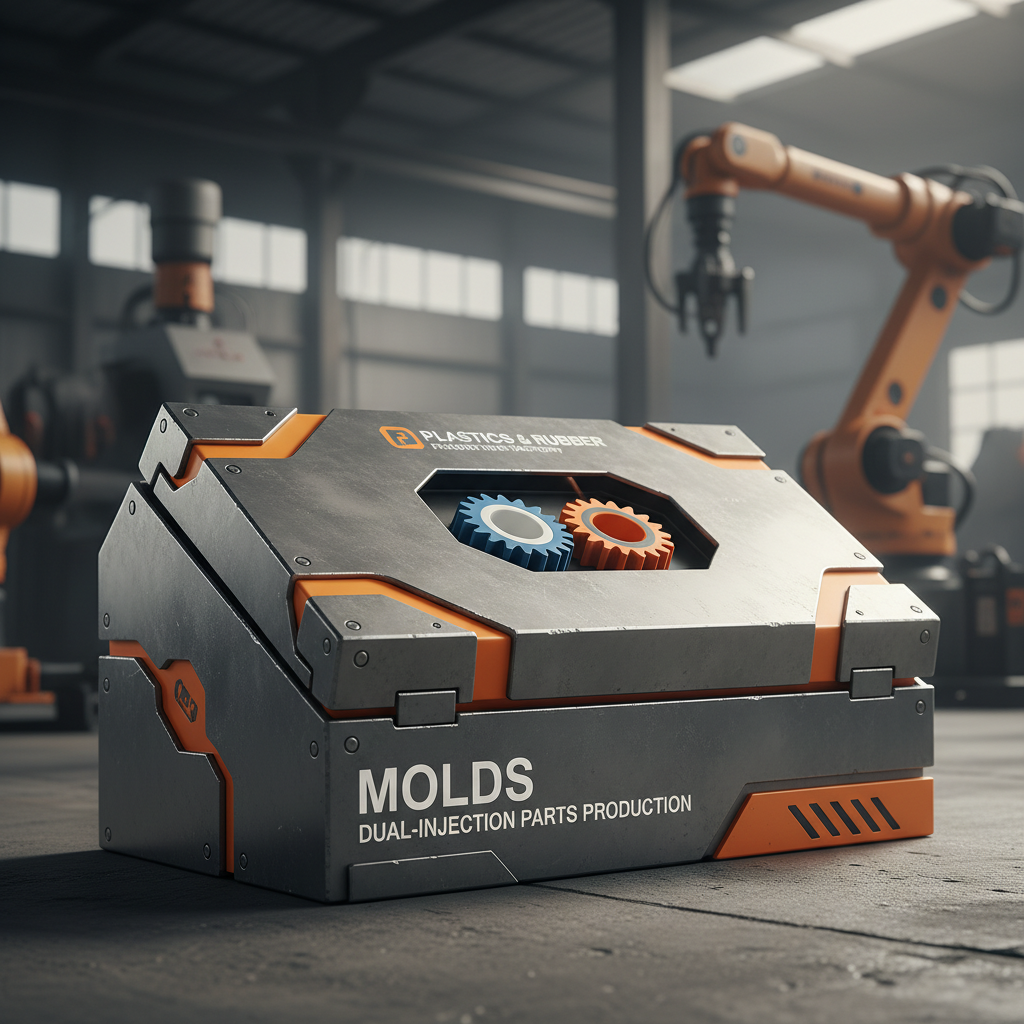
The Core Principles of Production of two-color plastic parts factory
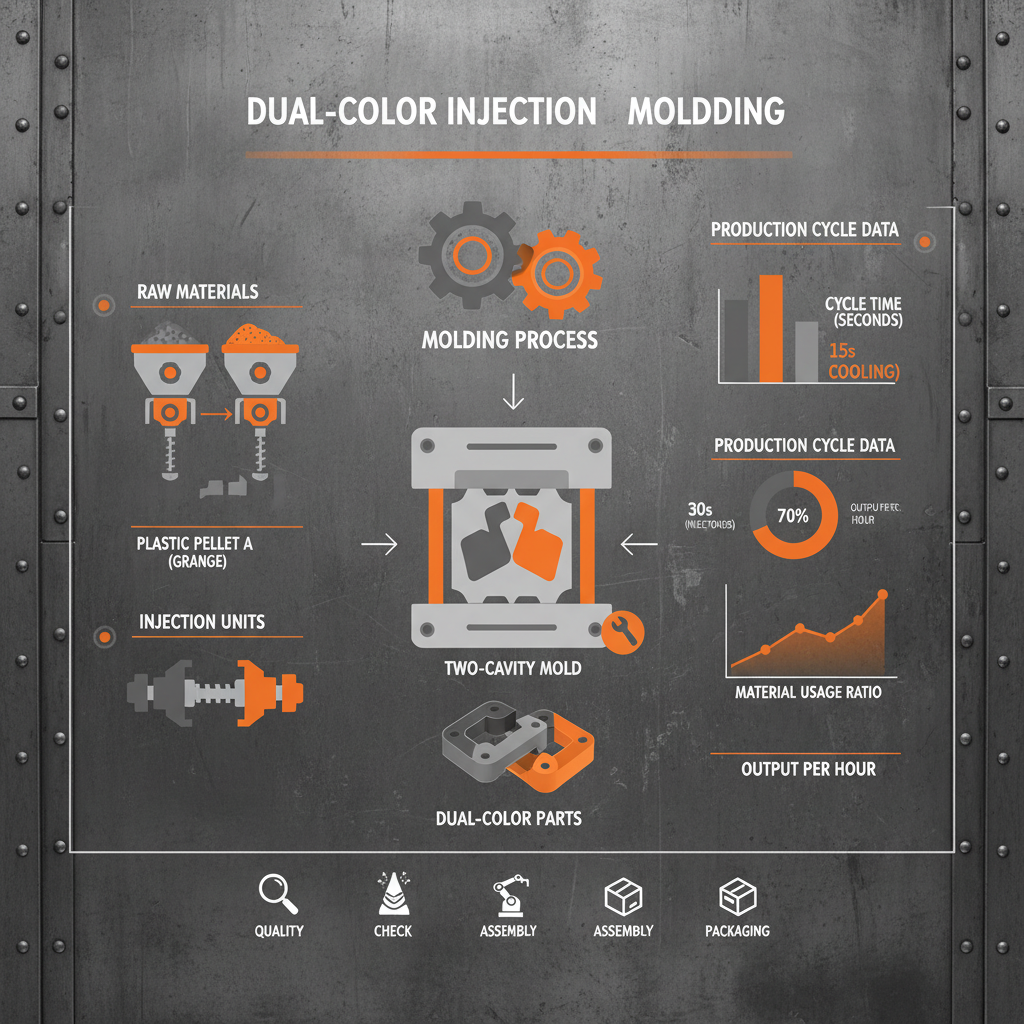
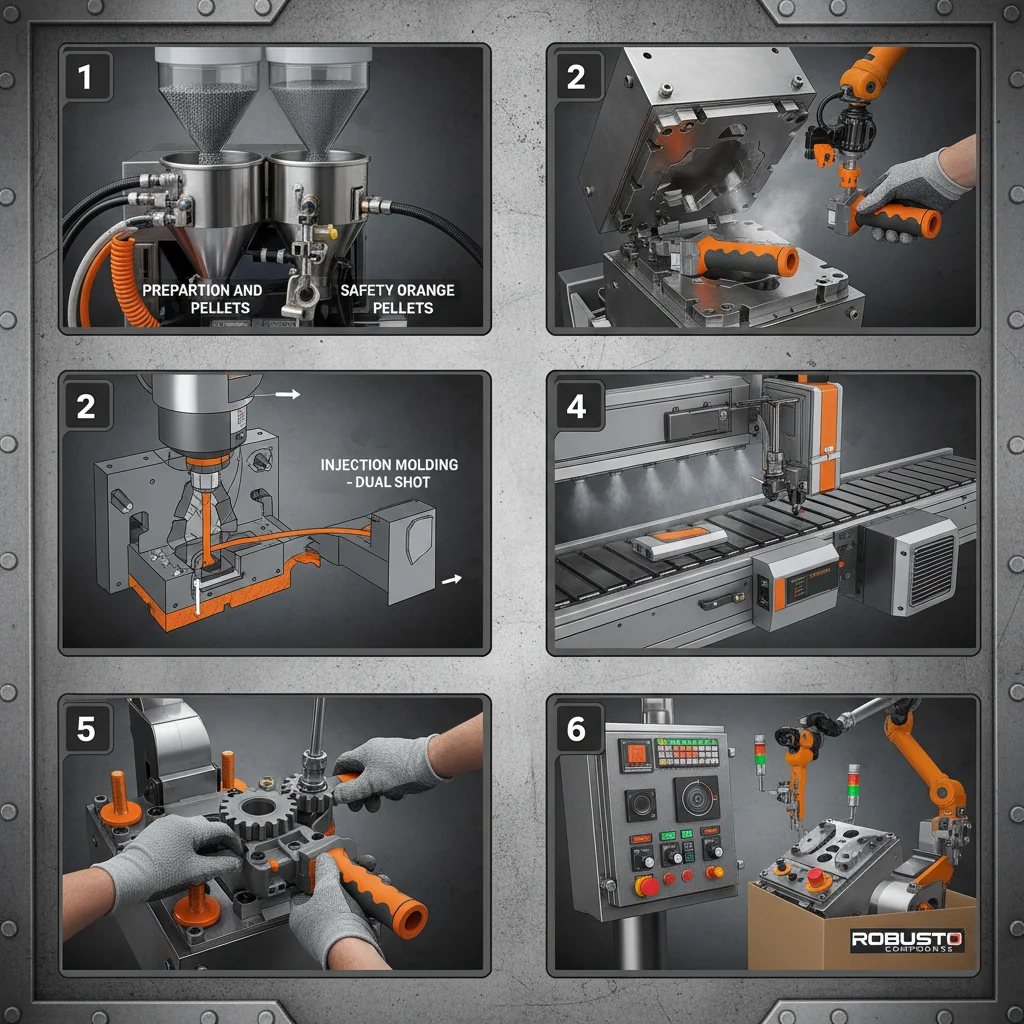
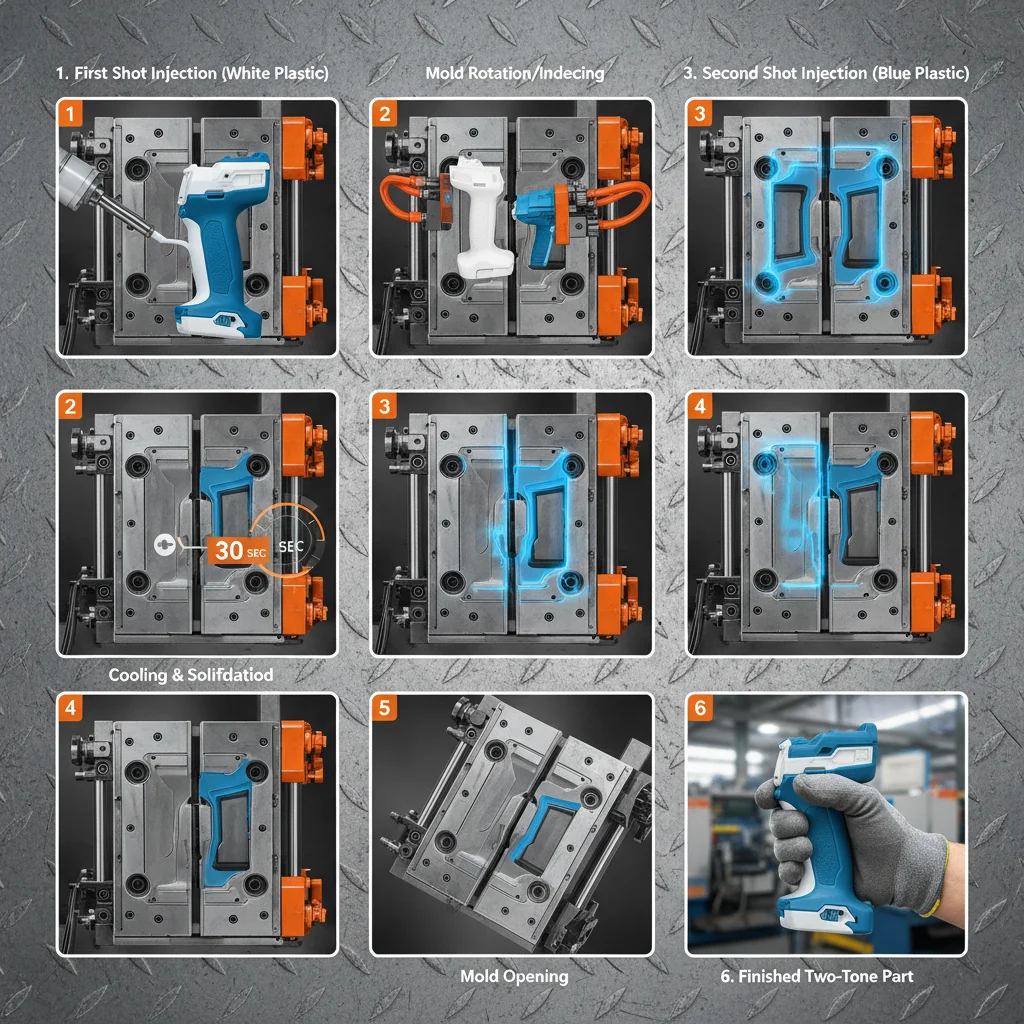
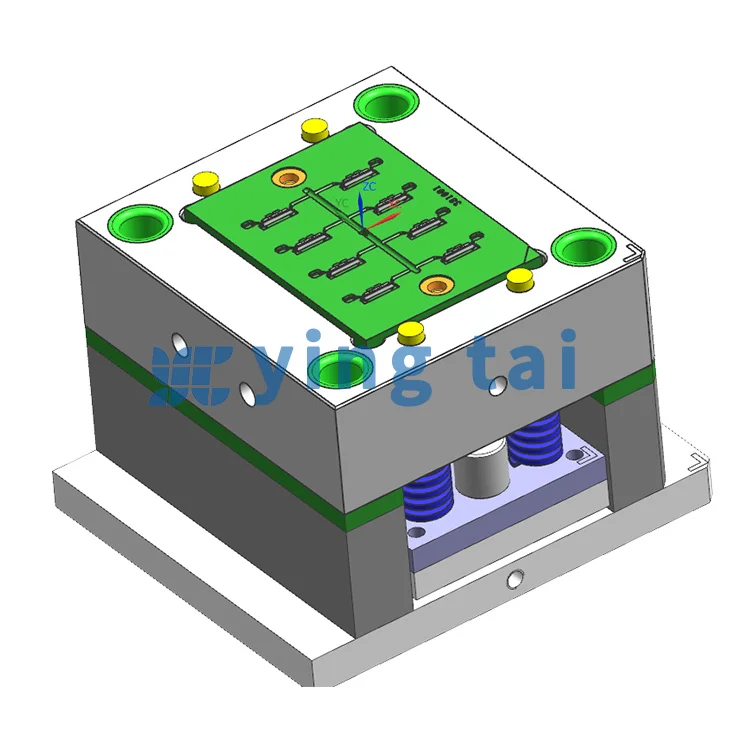
The essence of two-color plastic parts production lies in utilizing sophisticated injection molding techniques that simultaneously introduce two different thermoplastic materials into a single mold. This process demands precise control over parameters such as temperature, pressure, and injection speed to ensure seamless bonding between the materials. Production of two-color plastic parts factory hinges on achieving this delicate balance.
This isn't simply a matter of injecting two colors into a mold; it's about designing a mold that can accurately and consistently position and combine materials with varying physical properties. Achieving consistent results requires a deep understanding of material compatibility and the potential for shrinkage and warping during the cooling process.
FAQS
Two-color injection molding offers significant advantages over traditional methods. It eliminates secondary operations like painting and assembly, reducing labor costs and lead times. It also creates a stronger, more durable bond between materials and allows for more complex designs. Ultimately, this leads to a higher-quality, more cost-effective product.
Commonly used materials include polypropylene (PP), acrylonitrile butadiene styrene (ABS), polycarbonate (PC), thermoplastic polyurethane (TPU), and thermoplastic elastomers (TPE). The selection depends on the specific application requirements, such as flexibility, durability, and chemical resistance. Compatibility between the materials is critical to ensure a strong bond.
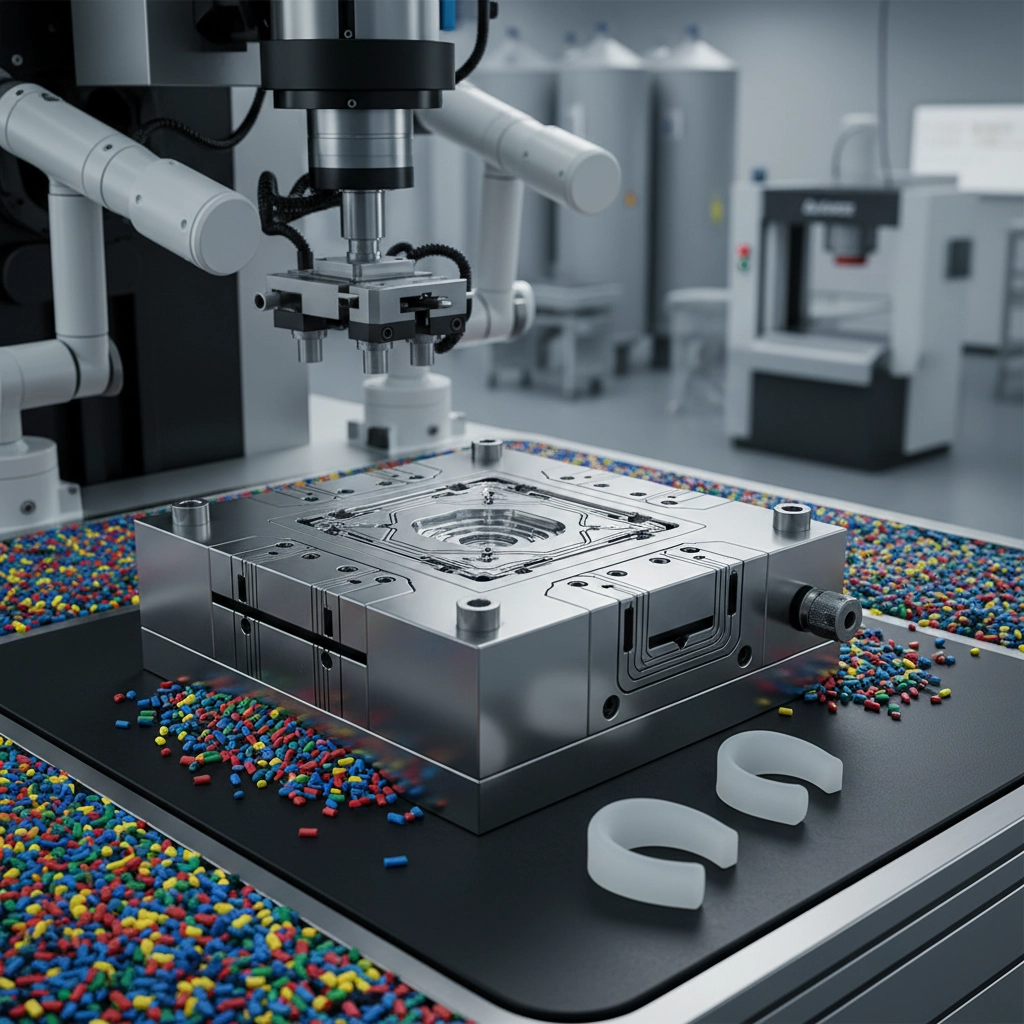
Mold design is paramount. It must account for factors like material shrinkage, gate locations, venting, and cooling channels to ensure proper flow and adhesion between the two materials. Precision and accuracy in mold construction are essential for dimensional stability and consistent quality. A poorly designed mold can lead to defects like voids, sink marks, and delamination.
Tooling lead times can vary significantly based on the complexity of the mold, typically ranging from 4-12 weeks. Production lead times depend on the volume and complexity of the parts, but generally fall between 2-6 weeks after tooling completion. Effective project management and clear communication are essential for meeting deadlines.
Look for a factory with a proven track record, experienced engineers, and advanced equipment. Certifications like ISO 9001 demonstrate a commitment to quality management. Assess their capabilities in mold design, material selection, and process control. Communication, responsiveness, and willingness to collaborate are also crucial factors.
The cost is influenced by several factors including tooling complexity, material selection, part volume, and cycle time. While initial tooling costs are higher than single-color molding, the elimination of secondary processes and potential for design optimization can lead to long-term cost savings. Request a detailed quote outlining all expenses for accurate budgeting.
Conclusion
In conclusion, the production of two-color plastic parts factory represents a cornerstone of modern manufacturing, offering significant advantages in terms of aesthetics, functionality, cost-effectiveness, and sustainability. The ability to integrate multiple materials and colors into a single molded part streamlines production, enhances product quality, and unlocks opportunities for innovation across diverse industries. From automotive components to consumer electronics, its impact is far-reaching.
Looking ahead, advancements in automation, material science, and digital technologies will further enhance the efficiency and capabilities of two-color molding. By embracing these innovations and prioritizing collaboration between designers, engineers, and manufacturers, we can unlock even greater potential and drive the evolution of this vital manufacturing process. For tailored solutions and expert guidance, visit our website: www.ytlsrmold.com
-
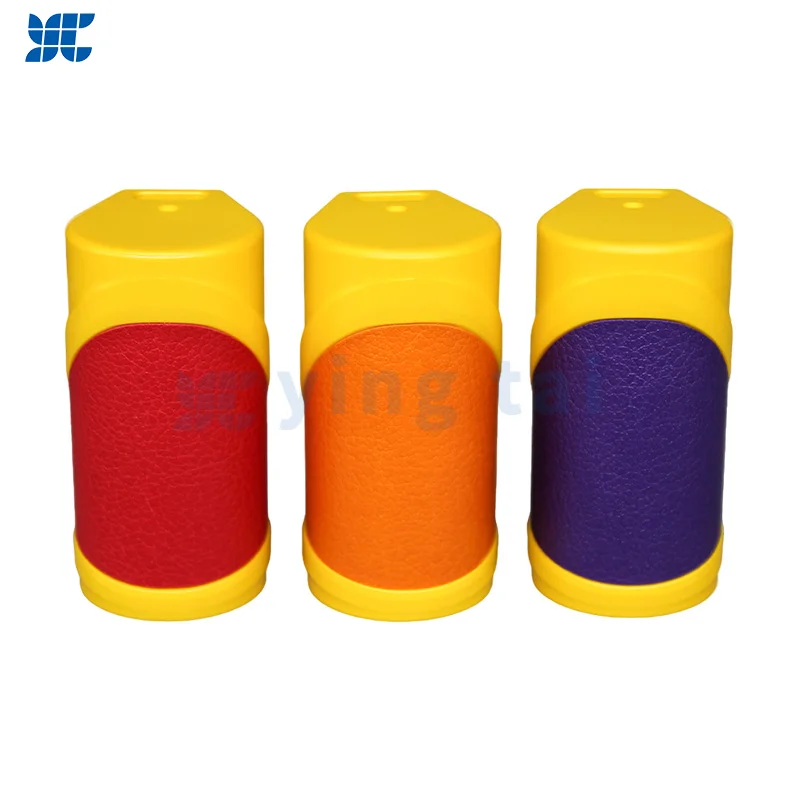
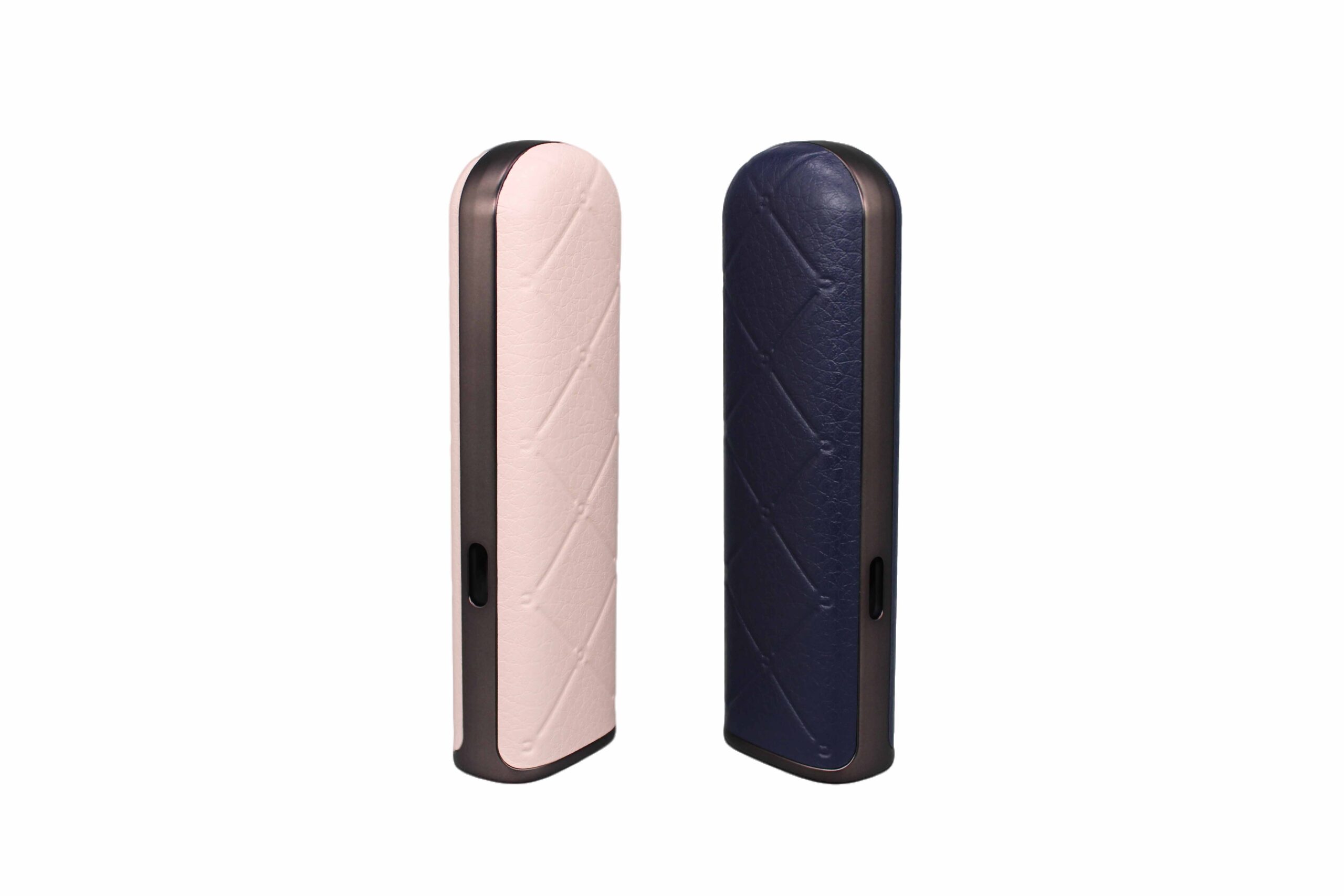
Plastic hard shell with leather to bid farewell to cold touch, premium leather with hard core protection. Every grip feels comfortable.
-
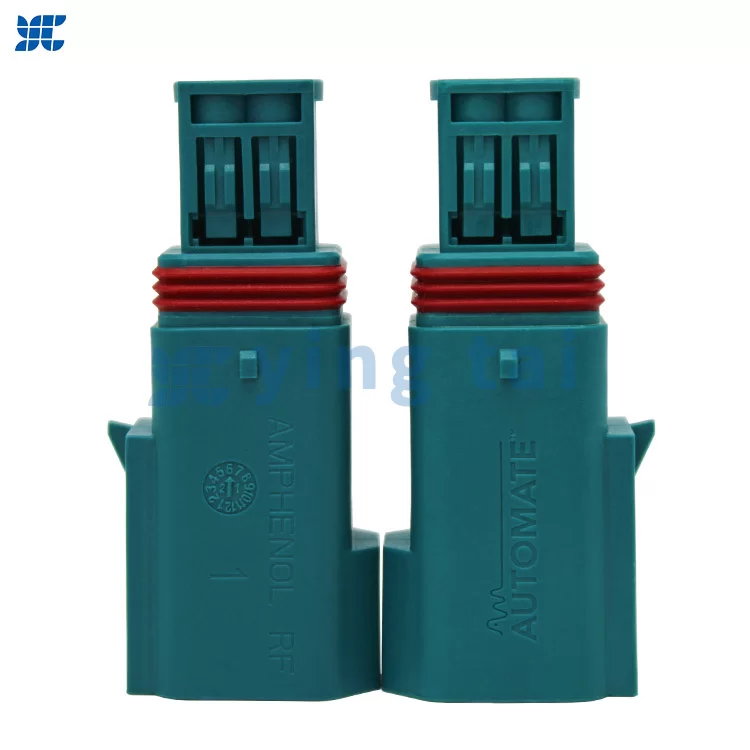
The functional performance improvement of liquid silicone coating on other materials such as plastic, metal, ceramics, etc.: waterproof, dustproof, shock-absorbing, and anti slip.
-
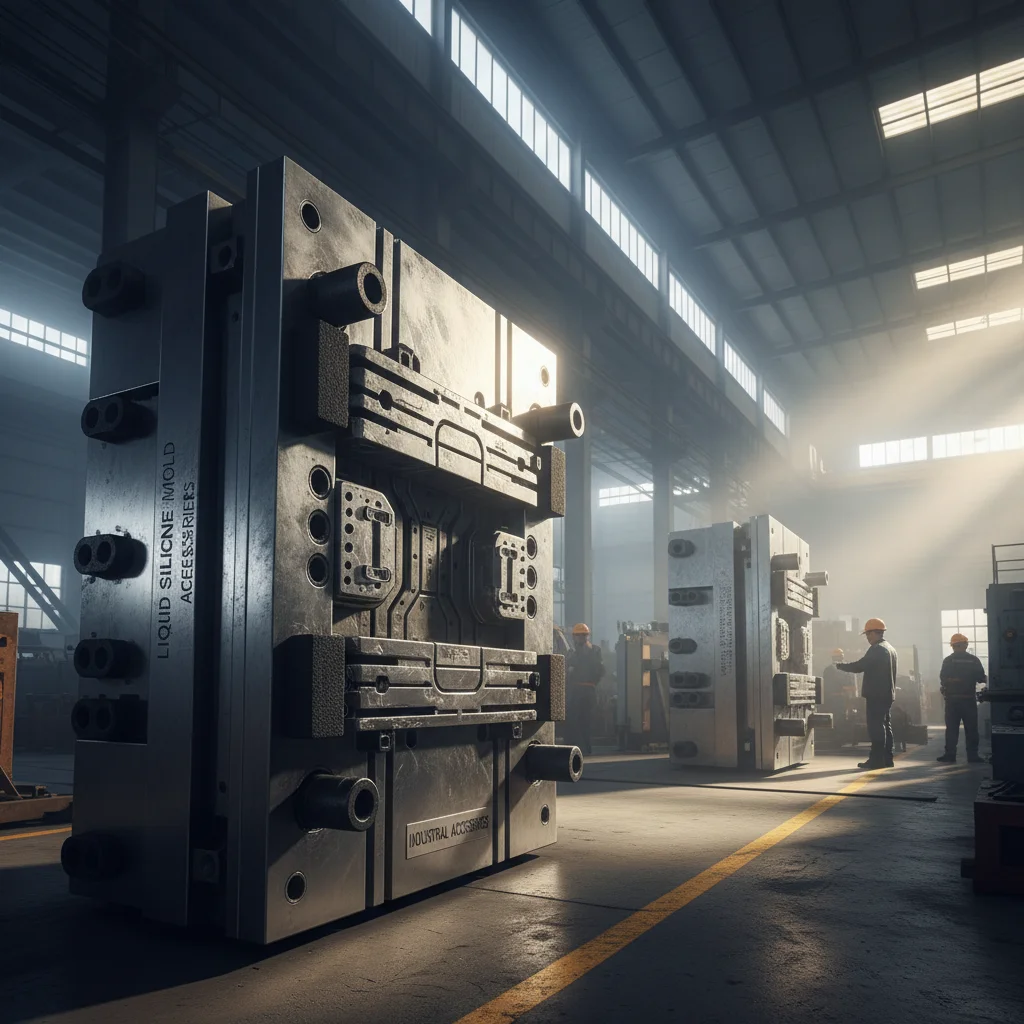
From liquid silicone tubing to baby pacifiers, from smart wearable sealing rings to automotive components, all liquid silicone accessories can be manufactured at our Yingtai factory.