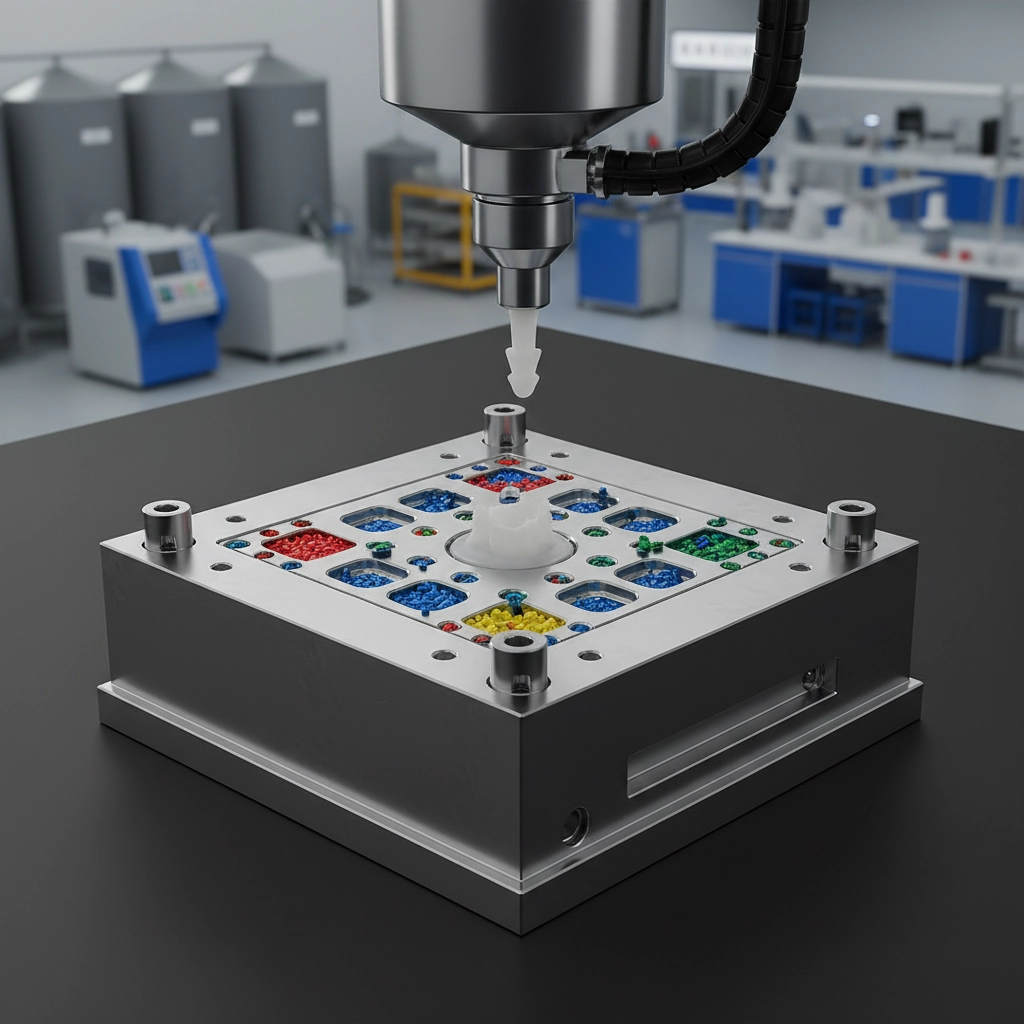
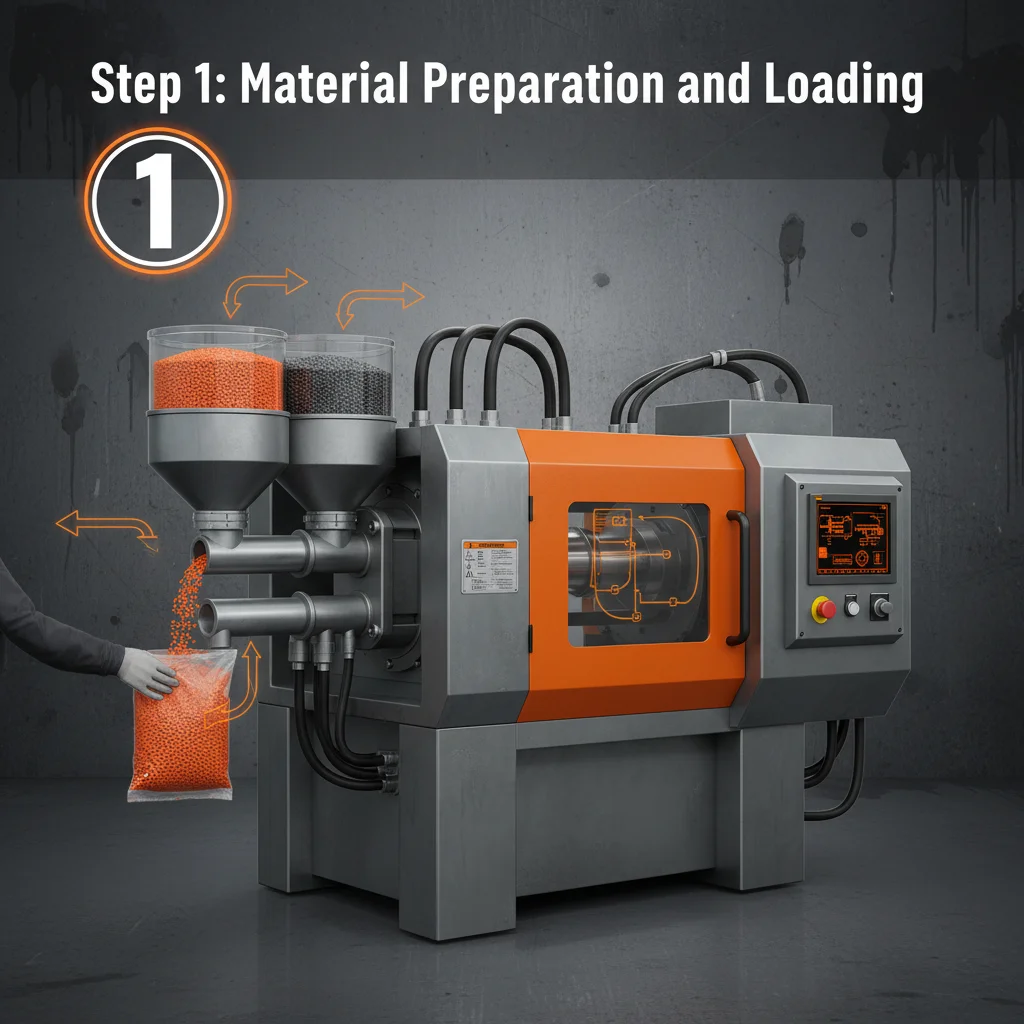
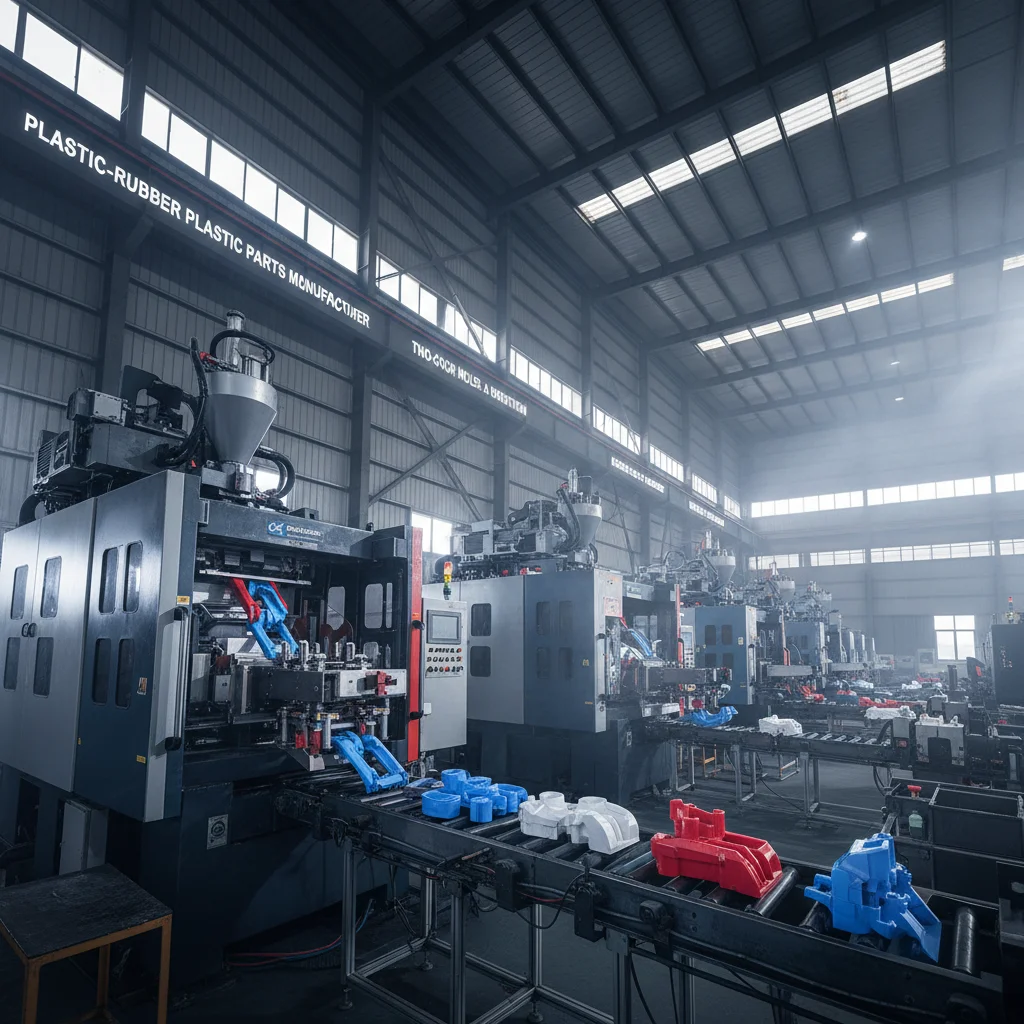
Look, I've spent the last fifteen years boots-on-the-ground with liquid silicone pad molds – not in a lab, but on actual construction sites, pouring concrete, wrestling with materials, and talking to the guys who use this stuff. And I can tell you, this isn’t some flashy new tech; it's a foundational piece for getting things done right, safely, and efficiently. It’s about precision, durability, and ultimately, cutting down on headaches down the line. We’re talking about anything from precast concrete components to intricate architectural details – the quality of the mold directly impacts the finished product.
For years, folks were patching things together with whatever they could find. Wooden forms, steel, even fiberglass – all had their drawbacks. Wood warps, steel rusts, and fiberglass delaminates. That meant constant repairs, scrapped parts, and projects running over budget. Liquid silicone pad molds changed that game. They’re flexible enough to handle complex designs, durable enough to withstand repeated use, and release cleanly, giving you a superior surface finish.
What I’ve seen evolve over that time is the understanding that the upfront investment in a quality mold – a really good liquid silicone pad mold – pays for itself multiple times over in reduced labor, less waste, and a higher-quality final product. It’s not just about cost savings; it’s about reputation, and delivering on promises.
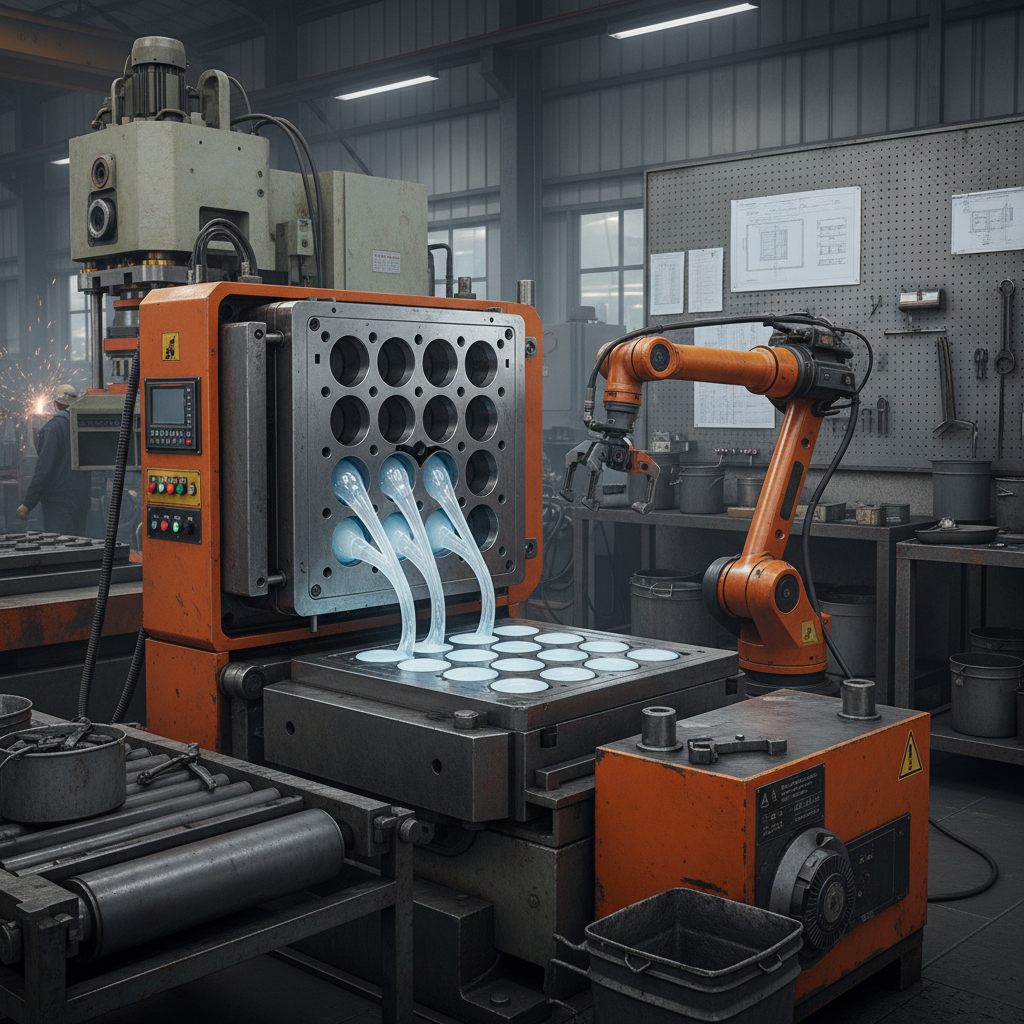
The Practical Value of Liquid Silicone Pad Molds
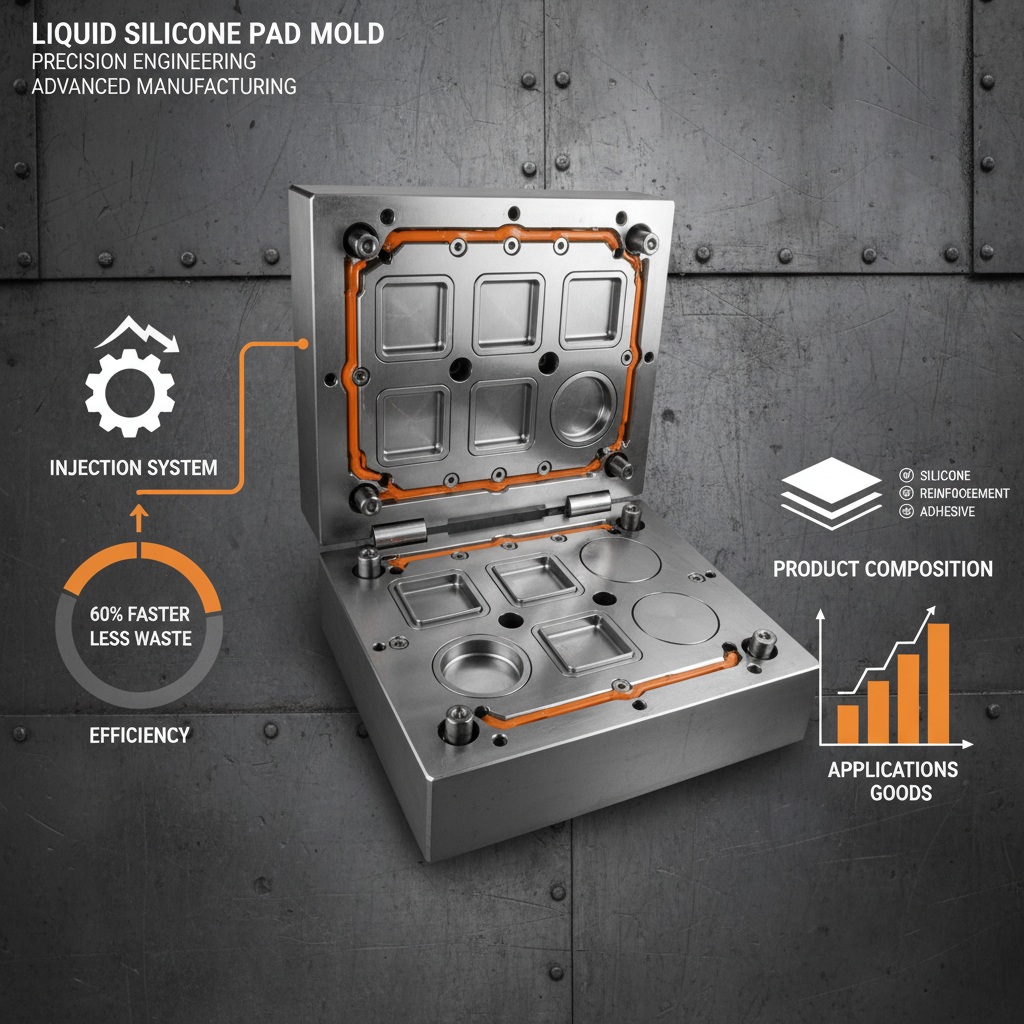
From my experience, a liquid silicone pad mold isn’t just a tool; it's a problem solver. I’ve seen it used to replicate intricate architectural pieces that would be impossible to create with traditional methods, and it's become essential in precast concrete for consistent, high-quality production. It really shines where repeatability and detail matter.
It all boils down to reducing rework. Rework is the enemy of every project manager. A good mold, built with quality liquid silicone, means fewer defects, less patching, and faster turnaround times. That translates directly into cost savings and happy clients.
FAQS
A quality liquid silicone pad mold, with proper cleaning and storage, can easily last for hundreds, even thousands, of pours. It depends on the material being cast, the complexity of the design, and the care taken during demolding. Regular application of a release agent also extends its lifespan considerably. Think of it as an investment, not a disposable item.
Durometer selection depends on the complexity of the part and the casting material. Softer silicones (lower durometer) are better for intricate designs with fine details, as they can conform to undercuts more easily. Harder silicones are more durable and resist tearing, but might be harder to demold with complex geometries. Consider the material you're casting—some require a firmer mold for support.
Water-based release agents are generally preferred, as they won't damage the silicone. Avoid solvent-based releases, as they can degrade the rubber over time. Silicone release agents are also a good option, but use them sparingly. Proper mold preparation with a release agent is vital for easy demolding and maintaining the mold's surface quality.
Small tears or imperfections can sometimes be repaired using silicone repair compounds. However, significant damage usually requires replacing the mold. Prevention is key – careful handling during demolding and proper storage are the best ways to avoid damage. The cost of repair might sometimes outweigh the cost of a new mold.
Most liquid silicone rubbers can withstand temperatures ranging from -60°C to 200°C (-76°F to 392°F). However, it's crucial to check the specifications of the specific silicone grade you're using, as some formulations have different temperature limits. Avoid exposing the mold to extreme temperatures for prolonged periods.
More complex designs with undercuts and intricate details require more skill and experience in mold making. The master pattern needs to be exceptionally accurate, and the pouring and curing process needs to be carefully controlled to avoid air bubbles or distortions. A skilled mold maker can also advise on design modifications to simplify the molding process.
Conclusion
Ultimately, the value of a liquid silicone pad mold isn’t just about the material itself; it’s about the efficiency, quality, and long-term cost savings it brings to your projects. From reducing rework and waste to enabling intricate designs, it's a cornerstone of modern manufacturing and construction.
If you’re serious about delivering high-quality products consistently and efficiently, investing in a quality liquid silicone pad mold is a smart move. Don't just look for the cheapest option; focus on durability, flexibility, and the expertise of the manufacturer. Visit our website at www.ytlsrmold.com to learn more about how we can help you find the perfect mold for your needs.
-
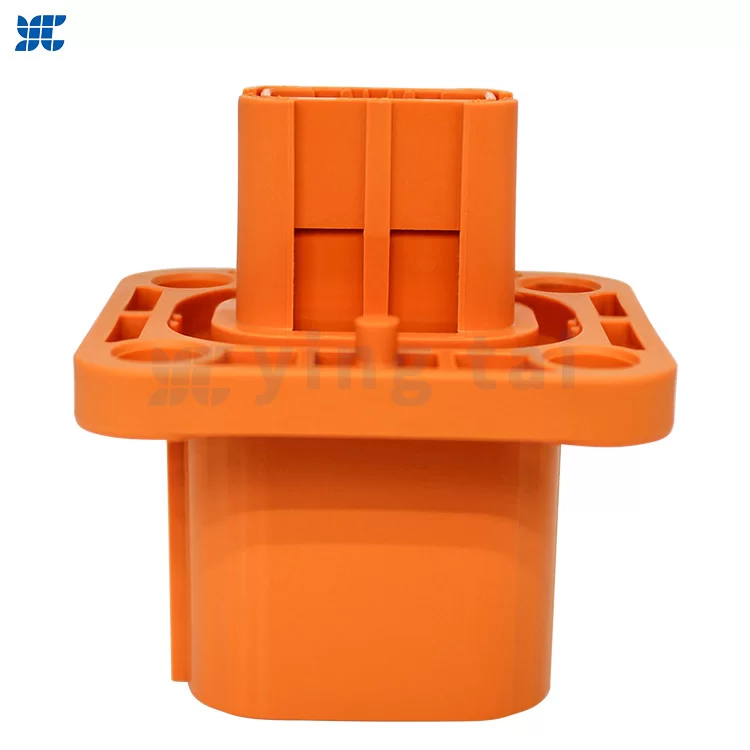
Precision injection molding of plastic connectors for new energy vehicles, reliable and durable, with insulation and leakage prevention.
-
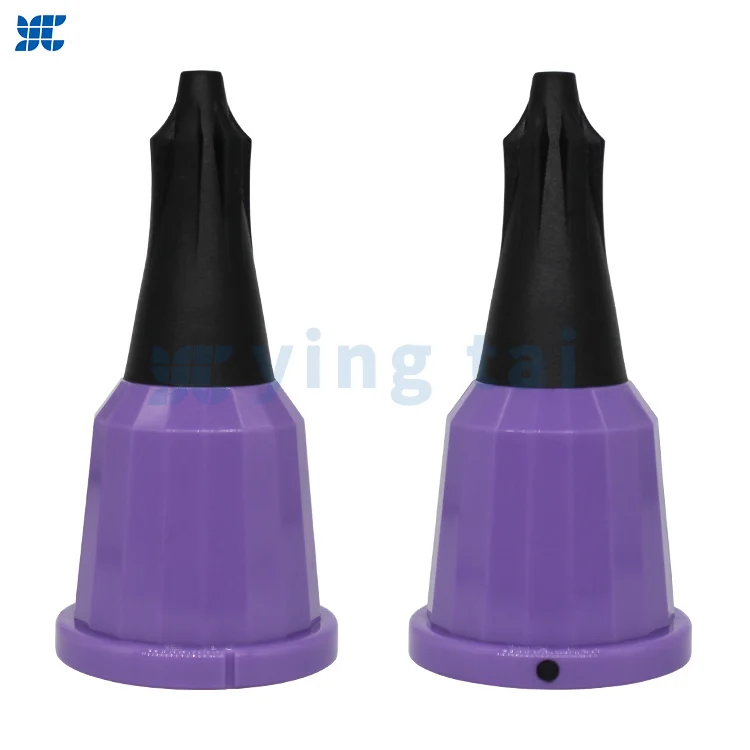
Welcome to process and produce plastic parts, liquid silicone parts, silicone seals, etc.
-
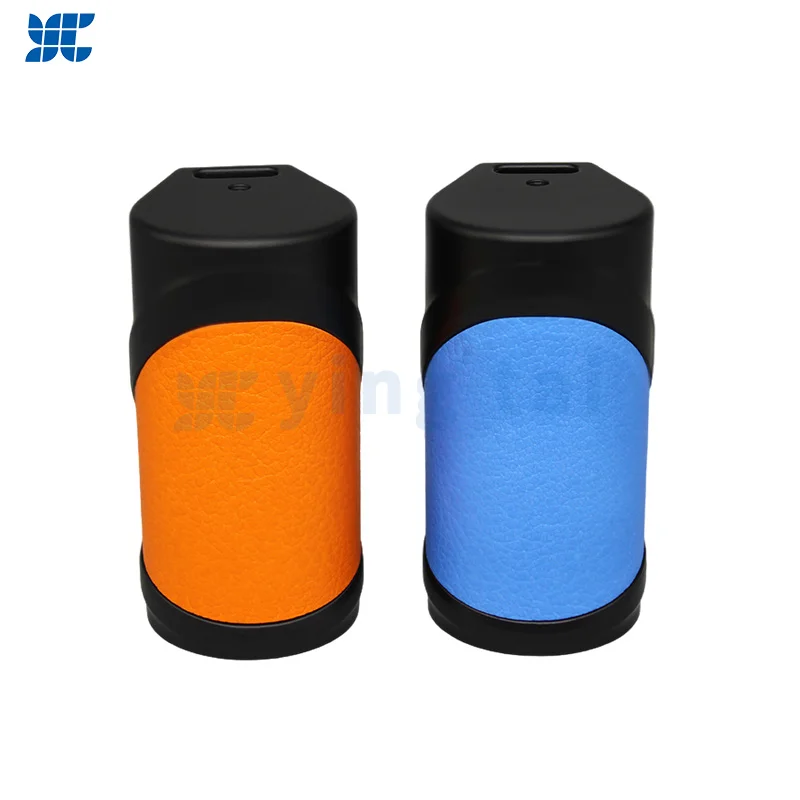
The intelligent electronic casing is covered with leather hardcore protection, providing a soft touch and touching sensation. The fusion of plastic and leather defines modern elegance.