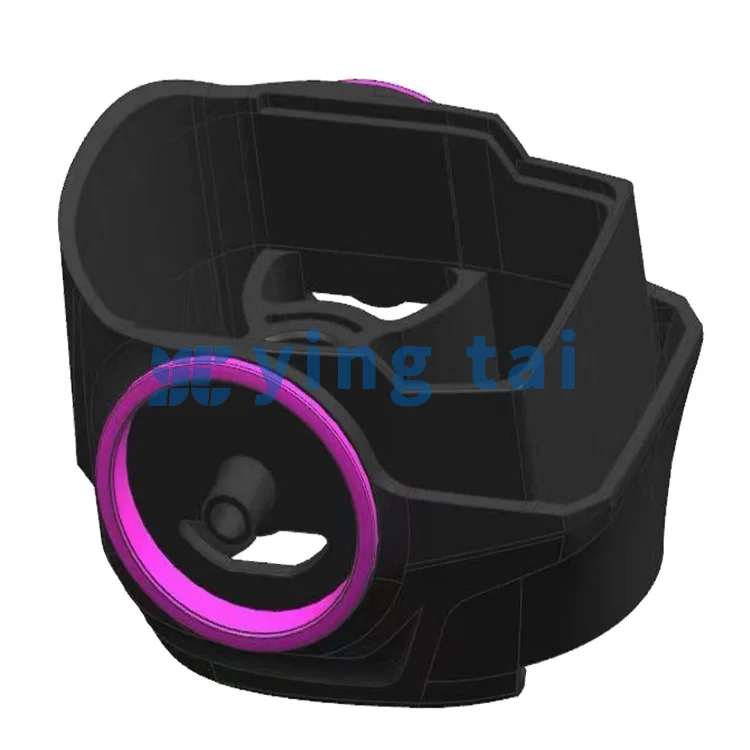
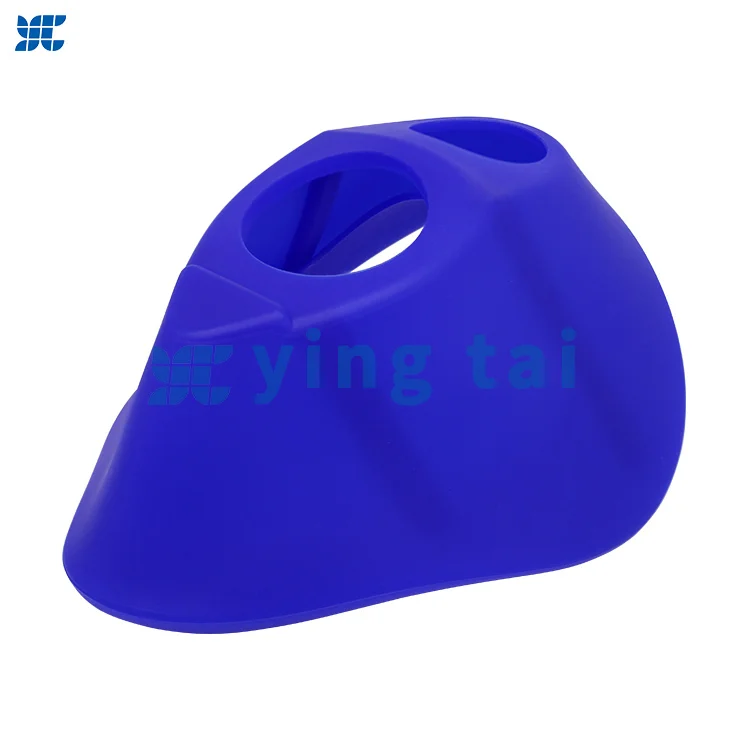
LSR Moulding Solutions for Afghanistan’s Emerging Industries

LSR Moulding Solutions for Afghanistan’s Emerging Industries

LSR Moulding Solutions for Afghanistan’s Emerging Industries

Providing High-Precision Liquid Silicone Rubber and Plastic Injection Molding Services to Support Growth in Afghanistan.

Current State of Rubber & Plastic Manufacturing in Afghanistan

Analyzing the Challenges and Opportunities in a Developing Market.

Afghanistan's manufacturing sector, particularly in rubber and plastics, is currently in a nascent stage of development. Decades of conflict and limited infrastructure have hindered significant growth. However, with increasing stability and international aid, there’s a growing demand for manufactured goods, including those utilizing silicone rubber molding. The local market primarily relies on imports, creating an opportunity for domestic production.

The rugged terrain and varying climate conditions in Afghanistan present specific challenges for material selection and product durability. Products need to withstand extreme temperatures and potentially harsh environments. This necessitates the use of high-quality materials like liquid silicone rubber, known for its resilience and wide operating temperature range. Access to skilled labor and advanced technology remains a significant constraint.

Despite these challenges, the Afghan government is actively promoting local manufacturing through investment incentives and infrastructure development. Focus areas include agriculture, healthcare, and infrastructure, all of which require rubber and plastic components. This creates a favorable environment for businesses offering injection molding mold services and high-quality products.
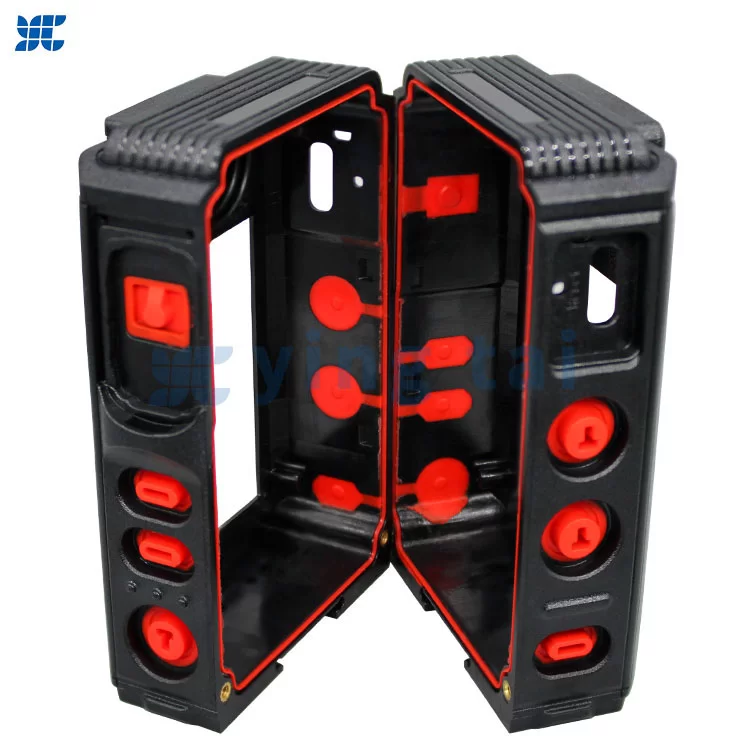
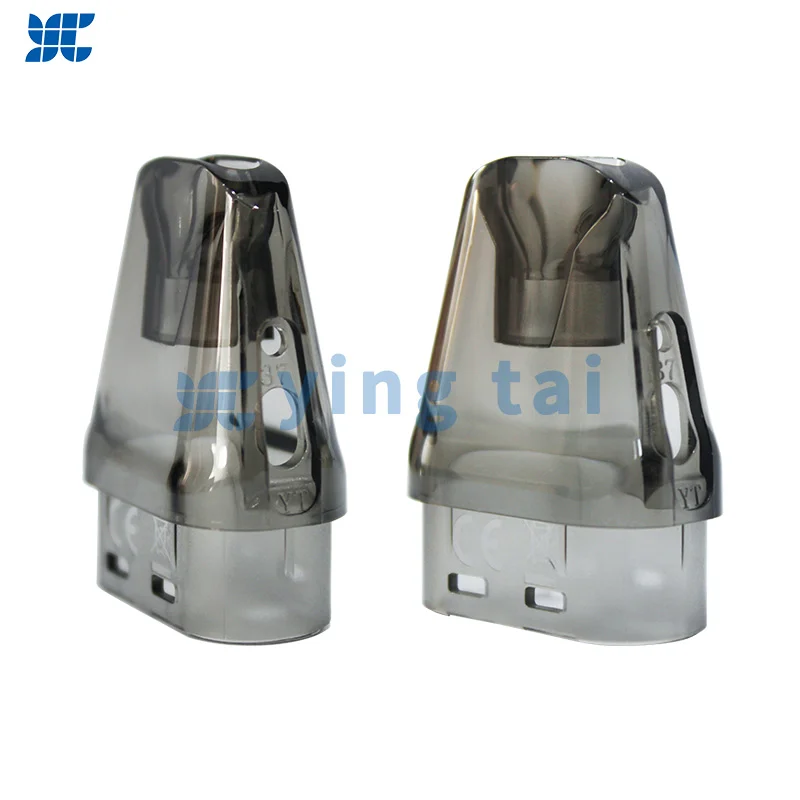
Evolution of Rubber and Plastic Manufacturing in Afghanistan

Tracing the Path from Traditional Methods to Modern Technologies.

Market Development History

Prior to the widespread conflicts, Afghanistan had a limited, largely informal sector of rubber and plastic processing, focused mainly on basic repairs and simple product fabrication. The 1990s saw a significant decline due to the civil war, with most manufacturing activity ceasing. The early 2000s marked a slow rebuilding phase, driven by international aid and reconstruction efforts.

The introduction of basic plastic injection molding machines in the late 2000s and early 2010s signaled the beginning of modern manufacturing. These early efforts were hampered by a lack of skilled technicians and limited access to quality materials. However, the demand for plastic products continued to grow, prompting further investment. Injection molding tooling has become increasingly important.

The recent surge in demand for medical supplies and healthcare products has accelerated the adoption of more sophisticated technologies, including lsr moulding. This is because LSR offers superior biocompatibility and sterilization capabilities, essential for medical applications. Today, Afghanistan is seeing a gradual shift towards higher-precision manufacturing.

Future Development Trends

Automation and Robotics

The integration of automation and robotics will be crucial for improving efficiency and reducing production costs in the Afghan rubber and plastic industry. This will require investment in training and infrastructure.

Sustainable Manufacturing Practices

Growing awareness of environmental concerns will drive demand for sustainable manufacturing practices, including the use of recycled materials and energy-efficient technologies.

Advanced Materials and Technologies

The adoption of advanced materials like thermoplastic elastomers (TPEs) and high-performance polymers will enable the production of more durable and specialized products, catering to the evolving needs of the market.

Industry Trends and Future Outlook for Rubber & Plastics in Afghanistan

Forecasting Growth and Innovation in the Afghan Market.

Growing Healthcare Demand
The expanding healthcare sector will drive demand for medical-grade liquid silicone rubber products, including syringes, catheters, and seals.
Agricultural Expansion
The growth of the agricultural sector will increase the need for irrigation systems and food processing equipment utilizing durable plastic components.
Infrastructure Development
Ongoing infrastructure projects will require robust plastic pipes, fittings, and other building materials.
Consumer Goods Demand
A growing middle class will drive demand for consumer goods packaged in plastic and utilizing plastic components.

Industry Outlook

The Afghan rubber and plastic industry is poised for significant growth in the coming years, driven by reconstruction efforts, economic development, and increasing consumer demand. Investment in advanced manufacturing technologies and skilled labor will be essential for realizing this potential.

However, challenges remain, including political instability, limited access to finance, and infrastructure constraints. Successful companies will be those that can navigate these challenges and adapt to the evolving needs of the market.

Localized Application Scenarios in Afghanistan

Real-World Examples of Rubber and Plastic Product Usage.

1. Agricultural Water Management

Durable plastic pipes and irrigation components are crucial for efficient water management in Afghanistan’s agricultural sector, particularly in areas with limited rainfall. These components need to be resistant to UV degradation and extreme temperatures.

2. Medical Device Components

Sterilizable liquid silicone rubber components, such as seals and gaskets, are essential for medical devices used in hospitals and clinics throughout Afghanistan.

3. Protective Packaging for Food and Pharmaceuticals

Plastic packaging provides essential protection for food and pharmaceutical products during transportation and storage, maintaining product integrity and preventing contamination.

4. Automotive Parts for Local Transportation

The growing use of motorcycles and other vehicles in Afghanistan creates demand for durable plastic automotive parts, such as housings, fenders, and dashboards.

Brand Story

Guangdong Yitai High-Precision Technology Co., Ltd.'s Global Development Journey

Pioneering Precision Molding

Founded in 2008, Guangdong Yitai High-Precision Technology Co., Ltd. began as a small workshop dedicated to delivering accurate and reliable injection molding tooling.

Embracing LSR Technology

In 2015, we expanded our capabilities to include lsr moulding, recognizing its growing importance in industries like healthcare and automotive.

Global Expansion

By 2018, we began serving international clients, establishing a reputation for quality, innovation, and customer service.

Commitment to Sustainability

We are dedicated to sustainable manufacturing practices, minimizing waste and reducing our environmental impact.

Supporting Emerging Markets

Our mission is to empower businesses in emerging markets like Afghanistan with access to high-quality, cost-effective rubber and plastic solutions.

Frequently Asked Questions (Afghanistan)

Addressing Common Inquiries About Our Products and Services.

What materials are best suited for harsh Afghan climates?

For extreme temperatures and UV exposure in Afghanistan, we recommend materials like liquid silicone rubber, EPDM rubber, and UV-stabilized polypropylene.

What is the typical lead time for a new mold?

Lead times vary depending on the complexity of the mold, but typically range from 4-8 weeks after design approval.

What quality control processes do you have in place?

We employ a rigorous quality control system, including dimensional inspections, material testing, and visual assessments, throughout the manufacturing process.

What are the shipping options to Afghanistan?

We offer a range of shipping options to Afghanistan, including air freight and sea freight. Shipping costs and lead times will vary depending on your location and the size of the shipment.

Get in Touch Today

We are dedicated to providing exceptional rubber and plastic solutions to businesses in Afghanistan. Contact us to discuss your specific requirements.

Contact Us Now