Liquid Silicone Rubber Molding Solutions for Europe Russia

Liquid Silicone Rubber Molding Solutions for Europe Russia

Liquid Silicone Rubber Molding Solutions for Europe - Russia

Providing high-precision LSR and plastic injection molding services to meet the growing demands of the European and Russian markets.

Current Landscape of Rubber and Plastics Manufacturing in Europe and Russia

Analyzing the present state and challenges facing the industry in the region.

The rubber and plastics manufacturing sector in Europe and Russia is currently experiencing a period of significant transition. Western Europe boasts a mature market with a focus on high-precision, specialized products, while Russia presents a rapidly developing market driven by increasing domestic demand and import substitution initiatives. The geopolitical climate adds complexity, impacting supply chains and material costs.

Russia's manufacturing capabilities are geographically concentrated around major industrial hubs like Moscow, Saint Petersburg, and the Volga region. However, access to advanced technologies and skilled labor remains a challenge. Demand for silicone rubber molding is growing across various sectors, including automotive, medical, and consumer goods.

Both regions are facing increasing pressure to adopt sustainable manufacturing practices, with a growing emphasis on recycling and the use of bio-based materials. This shift is driving innovation in material science and molding techniques, and creating opportunities for companies that can offer environmentally friendly solutions.
Evolution of LSR and Plastic Molding Technologies in Europe and Russia

Tracing the development of the industry from traditional methods to modern techniques.

Market Development History

Initially, rubber and plastic processing in both Europe and Russia relied heavily on basic compression and transfer molding techniques. The post-war era saw a gradual adoption of injection molding, driven by the need for mass production. The 1980s and 90s witnessed the introduction of more sophisticated machinery and automation.

The 21st century has been marked by the rise of liquid silicone rubber (LSR) and multi-component molding. LSR’s unique properties—high purity, biocompatibility, and temperature resistance—have made it increasingly popular in medical and food-grade applications. Russia’s adoption of these technologies has been comparatively slower due to economic factors and limited access to specialized expertise.

Recent advancements in tooling technology, such as high-precision CNC machining and additive manufacturing, have enabled the creation of complex mold designs with shorter lead times and reduced costs. The development of Industry 4.0 principles, including data analytics and predictive maintenance, is further transforming the manufacturing landscape.

Future Development Trends

Advanced Material Science

Expect increased research and development in novel polymers and composite materials, with a focus on enhancing performance, sustainability, and biocompatibility.

Automation and Robotics

Further integration of robotic systems and automated processes to improve efficiency, reduce labor costs, and enhance quality control. This includes automated mold changes and inspection systems.

Digitalization and Smart Manufacturing

Widespread adoption of digital twins, predictive maintenance, and real-time data analytics to optimize production processes and minimize downtime. This trend is visible in increasing Google search volume related to "smart factory" and "predictive molding".

Industry Trends and Future Outlook for LSR and Plastic Molding in Europe and Russia

Exploring the emerging trends and potential future developments in the sector.

Growing Demand for Medical-Grade LSR
The medical device industry is driving significant demand for high-purity liquid silicone rubber components, particularly in Europe.
Increasing Focus on Sustainable Materials
Pressure to adopt bio-based plastics and recyclable rubber compounds is intensifying, driven by regulatory requirements and consumer demand.
Growth in Micro-Molding Applications
Demand for miniature components in microelectronics, sensors, and medical devices is driving innovation in micro-molding techniques.
Regionalization of Supply Chains
Geopolitical events are prompting companies to diversify their supply chains and establish regional manufacturing hubs closer to end markets.

Industry Outlook

The European and Russian rubber and plastics manufacturing sector is poised for continued growth, driven by innovation, sustainability initiatives, and evolving market demands. Companies that invest in advanced technologies, skilled labor, and sustainable practices will be best positioned to succeed.

The demand for specialized LSR components, particularly in the medical and automotive industries, will continue to rise. Russia's manufacturing sector is expected to experience significant growth as the country seeks to reduce its reliance on imports.

Localized Applications of LSR and Plastic Molding in Europe and Russia

Exploring specific use cases relevant to the region.

1. Automotive Components for Cold Climates

Russia’s harsh winters necessitate the use of durable, cold-resistant rubber components in vehicles, such as seals, gaskets, and hoses. LSR’s superior temperature resistance makes it an ideal material for these applications.

2. Medical Devices for European Healthcare Systems

Europe’s stringent regulatory requirements for medical devices demand high-purity, biocompatible materials. LSR is widely used in the production of medical tubing, seals, and implants.

3. Food-Grade Packaging for the Russian Consumer Market

The growing demand for safe and hygienic food packaging in Russia is driving the adoption of LSR and food-grade plastics for containers, seals, and closures.

4. Consumer Goods for Extreme Conditions

Both regions require robust consumer goods capable of withstanding varying weather conditions. Plastic and rubber components are essential in outdoor equipment, sporting goods, and protective gear.

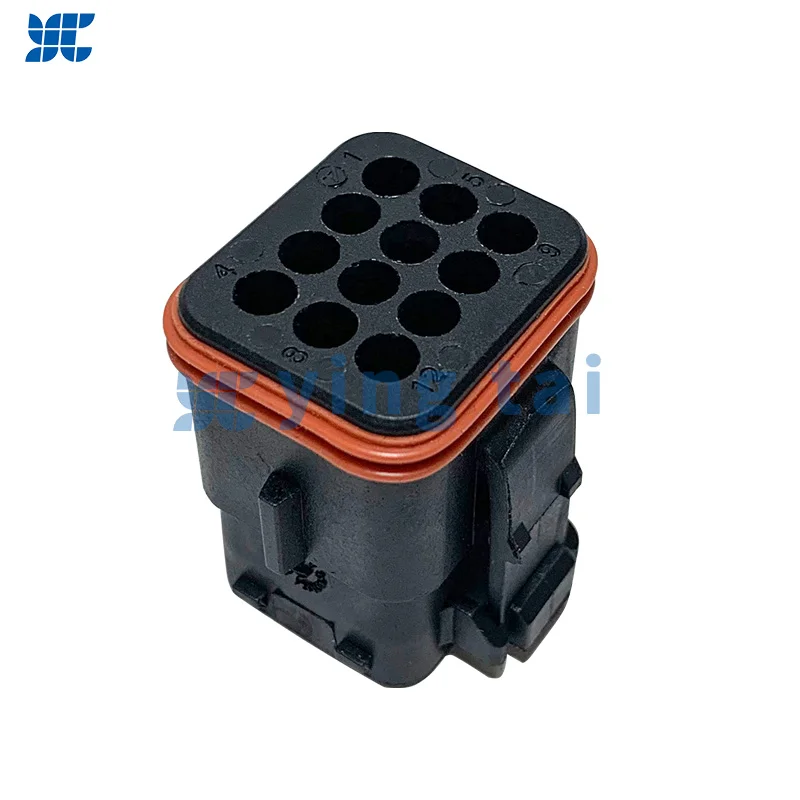
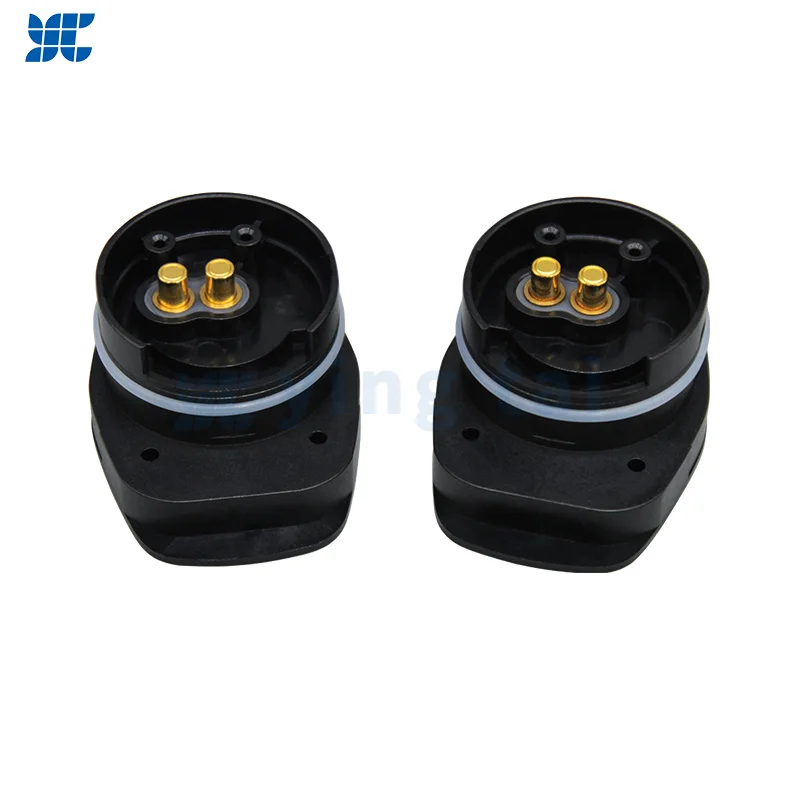
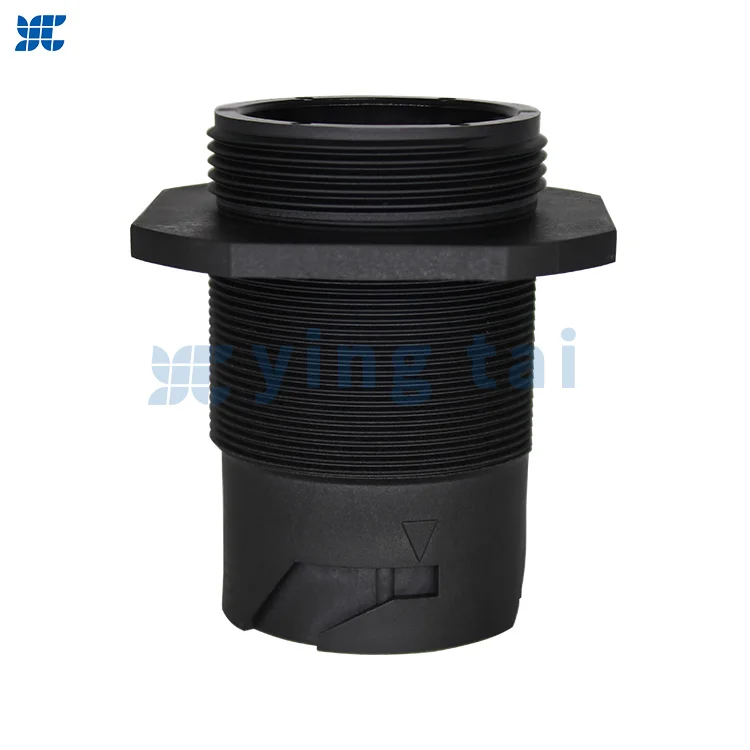
5. Electrical Connectors for Harsh Environments

Industrial applications in both regions require high-performance electrical connectors that can withstand extreme temperatures, chemicals, and vibrations. LSR overmolding provides excellent insulation and protection.

Brand Story

Guangdong Yingtai High-Precision Technology Co., Ltd.’s global development journey

Dedicated to Precision: Our Founding Principles

Established in 2010, Guangdong Yingtai was founded on the principle of delivering unparalleled precision and quality in rubber and plastic molding.

Investing in Cutting-Edge Technology

We continuously invest in the latest molding equipment, CNC machining centers, and quality control systems to ensure we remain at the forefront of the industry.

Expanding Our Global Reach

We expanded our reach to serve clients across Europe and Russia, recognizing the growing demand for high-quality molding solutions in these markets.

Commitment to Sustainability

We are committed to reducing our environmental impact through sustainable manufacturing practices and the use of eco-friendly materials.

Solving Complex Molding Challenges

Our mission is to solve our clients' most challenging molding problems, delivering innovative solutions that meet their specific needs.

Frequently Asked Questions for Europe and Russia

Addressing common concerns and inquiries from our clients in the region.

What is the typical lead time for a custom LSR mold?

The lead time for a custom LSR mold typically ranges from 4-8 weeks, depending on the complexity of the design and the tooling requirements.

Do you offer design assistance for injection molding tooling?

Yes, we provide comprehensive design assistance services for injection molding tooling, including mold flow analysis and design optimization.

What materials are commonly used in silicone rubber molding for medical applications?

Common materials used in silicone rubber molding for medical applications include medical-grade LSR, platinum-cured silicone, and various biocompatible additives.

What is the difference between a two-plate and a three-plate injection molding mold?

A two-plate injection molding mold is simpler and less expensive, while a three-plate mold allows for more complex part geometries and runner systems.

What quality control processes do you have in place for LSR components?

We employ a rigorous quality control process, including dimensional inspection, visual inspection, and functional testing, to ensure that all LSR components meet the highest standards.

Can you handle large-volume production runs of plastic parts?

Yes, we are equipped to handle both small-batch prototyping and large-volume production runs of plastic parts, utilizing automated injection molding machines and efficient manufacturing processes.

Get in Touch with Us Today

We are your trusted partner for high-precision rubber and plastic molding solutions in Europe and Russia.

Contact Us Now