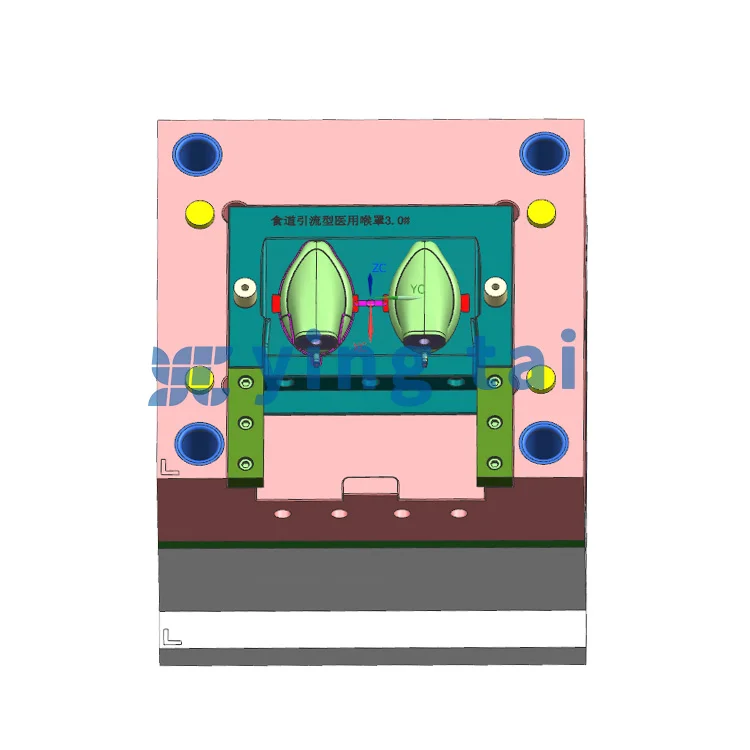
Expert injection molding tooling Solutions for Ukraine’s Manufacturing Sector

Expert injection molding tooling Solutions for Ukraine’s Manufacturing Sector

Expert injection molding tooling Solutions for Ukraine's Manufacturing Sector

Delivering high-precision liquid silicone rubber and plastic components to industries across Europe, with a specialized focus on the Ukrainian market.

Current State of Rubber & Plastic Manufacturing in Ukraine

An Overview of the Industry Landscape and Regional Challenges

Ukraine's rubber and plastics manufacturing sector, while possessing significant potential, currently faces considerable challenges stemming from geopolitical instability and economic fluctuations. The industry's location within Europe presents both opportunities for export to EU markets and logistical hurdles related to ongoing conflict and infrastructure constraints. Demand for silicone rubber molding remains steady within the medical and consumer goods sectors, but supply chain disruptions have become a critical concern.

The agricultural sector, a cornerstone of the Ukrainian economy, drives demand for plastic packaging and components. However, the war has significantly impacted agricultural production, creating uncertainty within the plastics industry. Despite these obstacles, there's a growing recognition of the need for locally sourced, high-quality components, creating opportunities for manufacturers specializing in lsr moulding and precision tooling.

Labor shortages, partly due to displacement caused by the conflict, represent a significant hurdle for manufacturers. Investment in automation and workforce training will be crucial for sustaining growth. The Ukrainian government is actively seeking foreign investment to modernize the manufacturing sector and promote diversification. Focusing on specialized applications like injection molding mold for medical devices can mitigate some of these risks.
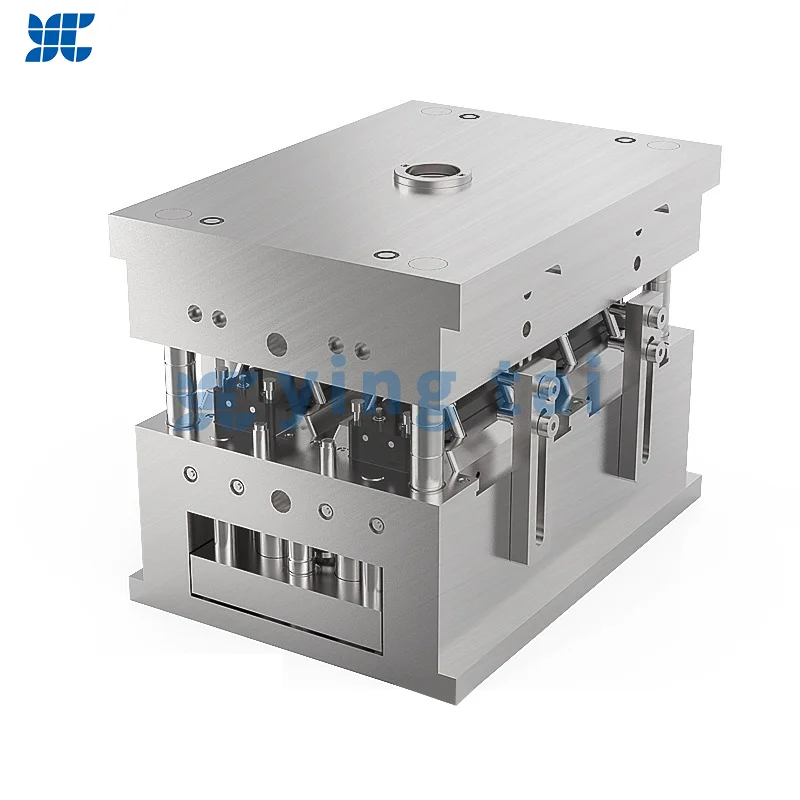
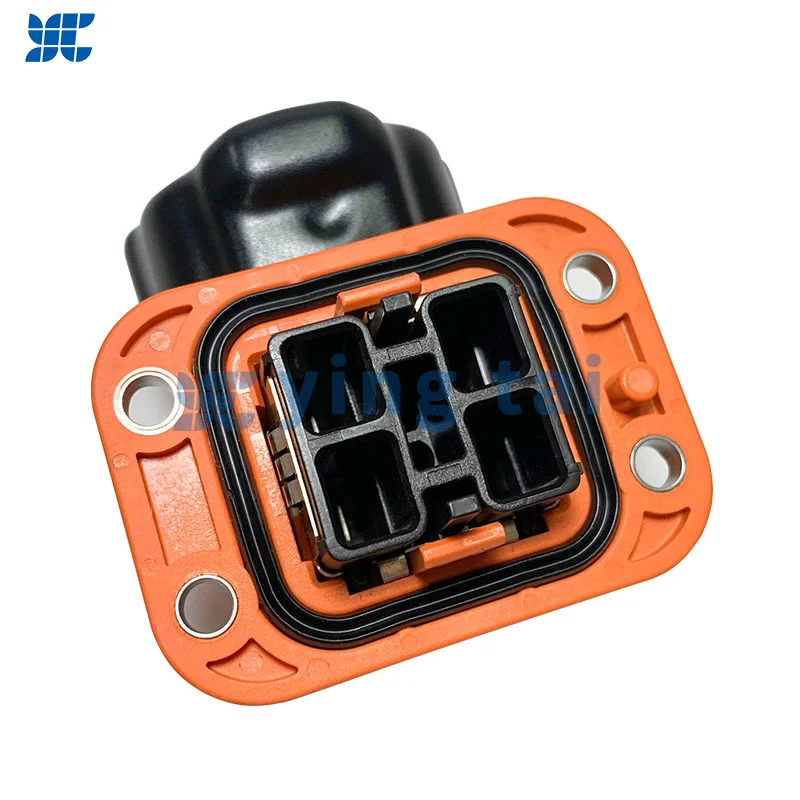
Evolution of Rubber & Plastic Manufacturing in Ukraine

From Traditional Methods to Advanced Technologies

Market Development History

Historically, Ukraine's rubber and plastic manufacturing was largely reliant on Soviet-era technologies and focused on producing commodity products. The 1990s saw a period of decline as state-owned enterprises transitioned to private ownership, leading to fragmentation and a lack of investment. Early 2000s brought the adoption of basic injection molding tooling from Western Europe.

From 2010 to 2015, there was increased investment in modern machinery and a growing demand for higher-quality products, driven by integration with European supply chains. The introduction of advanced materials, including engineering plastics and specialized liquid silicone rubber, marked a turning point. This period saw a rise in the production of components for the automotive and electronics industries.

The past five years have witnessed the rise of automation, Industry 4.0 principles, and a growing focus on precision manufacturing. Companies are increasingly adopting CNC machining and 3D printing for prototyping and tooling. The demand for high-precision injection molding mold is driven by the medical device sector's expansion.

Future Development Trends

Advanced Materials & Automation

The integration of advanced materials like thermoplastic elastomers (TPEs) and bio-based plastics will be key. Increasing automation through robotics and AI-powered quality control systems will be essential to offset labor shortages and enhance efficiency.

Micro-Molding & Precision Engineering

The demand for micro-molding and precision engineering will surge, particularly in the medical and microelectronics sectors. This will necessitate investment in specialized lsr moulding equipment and highly skilled technicians.

Sustainability & Circular Economy

Sustainability will become a central focus, with increased emphasis on recyclable materials, reduced waste, and closed-loop manufacturing processes. The Ukrainian government is expected to introduce stricter environmental regulations, driving demand for eco-friendly solutions.

Industry Trends & Future Outlook for Ukraine

Navigating the Challenges and Opportunities Ahead

Resilient Supply Chains
Diversifying sourcing and building robust supply chains will be critical to mitigate geopolitical risks and ensure business continuity.
Medical Device Growth
The Ukrainian healthcare sector is undergoing modernization, driving demand for high-quality medical components made from liquid silicone rubber.
Agricultural Packaging Innovation
Demand for sustainable and efficient packaging solutions in the agricultural sector will drive innovation in plastic materials and injection molding tooling.
Focus on Local Production
The trend towards reshoring and localizing production will benefit Ukrainian manufacturers capable of delivering high-quality silicone rubber molding and plastic components.

Industry Outlook

Despite the current challenges, the Ukrainian rubber and plastics industry possesses significant potential for growth. Strategic investments in technology, workforce development, and sustainable practices will be crucial for capitalizing on emerging opportunities. The ability to adapt to changing market conditions and build resilient supply chains will be key to long-term success.

The demand for specialized components, particularly in the medical, agricultural, and packaging sectors, is expected to remain strong. Manufacturers that can offer customized solutions and competitive pricing will be well-positioned to thrive in the Ukrainian market.

Local Application Scenarios in Ukraine

Real-World Applications of Rubber and Plastic Products

1. Medical Device Components

Ukraine's healthcare sector relies heavily on medical devices, many of which require precision-molded components made from liquid silicone rubber. Applications include seals, gaskets, tubing, and housings for diagnostic equipment.

2. Agricultural Packaging Solutions

The agricultural industry requires durable and food-grade plastic packaging for preserving and transporting crops. Injection molding is used to produce containers, trays, and films that protect produce from damage and spoilage.

3. Automotive Parts & Accessories

Although the automotive industry has been impacted by the conflict, there's still a demand for replacement parts and accessories. Injection molding tooling is used to produce interior components, seals, and exterior trim.

4. Consumer Goods & Household Products

The consumer goods sector utilizes a wide range of plastic and rubber components in products such as kitchenware, appliances, and toys. Demand for durable and aesthetically pleasing products drives the need for advanced molding technologies.

Brand Story

Guangdong Yingtai High-Precision Technology Co., Ltd. Global Development Journey

Our Commitment to Precision

At Guangdong Yingtai, we are dedicated to providing high-quality lsr moulding and plastic injection molding solutions that meet the exacting standards of our clients.

Innovation & Technology

We continually invest in cutting-edge technologies and advanced materials to deliver innovative solutions that enhance performance and reliability.

Customer-Centric Approach

We prioritize building long-term relationships with our clients, providing exceptional service, and tailoring our solutions to their specific needs.

Solving Complex Challenges

We specialize in tackling complex molding challenges, delivering precision components that meet the most demanding applications.

Reliable Partner in Ukraine

We aim to be a trusted partner for Ukrainian manufacturers, providing reliable and cost-effective solutions for their molding needs.

Frequently Asked Questions - Ukraine

Addressing Common Inquiries from Our Ukrainian Clients

What is the typical lead time for a custom injection molding mold project in Ukraine?

Lead times vary depending on the complexity of the mold and the materials used. Generally, a custom mold can take between 4-8 weeks to complete.

Do you offer design assistance for lsr moulding projects?

Yes, our experienced engineering team can provide design assistance, including mold flow analysis and material selection guidance.

What materials are commonly used for liquid silicone rubber molding in the medical industry?

Medical-grade silicone rubbers, including biocompatible and USP Class VI certified materials, are commonly used for their flexibility, durability, and resistance to sterilization.

What quality control measures do you have in place for silicone rubber molding?

We employ rigorous quality control procedures throughout the manufacturing process, including dimensional inspections, material testing, and visual inspections.

Can you handle both small-volume and large-scale production runs?

Yes, we are equipped to handle both small-volume prototyping and large-scale production runs, providing flexible solutions to meet your needs.

What are the typical applications of high precision injection molding tooling in the automotive sector?

Typical automotive applications include interior trim, dashboard components, seals, gaskets, connectors, and under-the-hood parts requiring heat and chemical resistance.

Get in Touch with Us

We're here to help you with your molding needs in Europe - Ukraine.

Contact Us Now