Precision Liquid Silicone Rubber Molding Solutions in the Netherlands

Precision Liquid Silicone Rubber Molding Solutions in the Netherlands

Precision Liquid Silicone Rubber Molding Solutions in the Netherlands

Expertise in lsr moulding, injection molding tooling, and high-quality rubber & plastic components.

The Current Landscape of Rubber & Plastic Manufacturing in the Netherlands

An overview of the industry's status and challenges within the Dutch economic context.

The Netherlands boasts a robust manufacturing sector, with a significant portion dedicated to rubber and plastic processing. Strategic location, excellent logistics infrastructure (Rotterdam port being a major hub), and a focus on innovation make it a key player in the European market. However, rising energy costs and stringent environmental regulations pose ongoing challenges for manufacturers.

Demand for high-precision components, particularly in medical and pharmaceutical applications, is strong in the Netherlands. This drives a need for advanced molding techniques like liquid silicone rubber molding, which offers biocompatibility and complex geometries. Local companies are increasingly focusing on sustainability and circular economy initiatives.

The Dutch economy emphasizes high-value manufacturing, demanding exceptional quality and reliability. This necessitates investment in state-of-the-art injection molding tooling and skilled labor. A focus on automation and Industry 4.0 technologies is crucial for maintaining competitiveness.
Evolution of Rubber & Plastic Molding Technologies

Tracing the advancements in molding techniques from traditional methods to modern innovations.

Market Development History

Historically, rubber and plastic molding in the Netherlands relied heavily on compression and transfer molding. From the 1950s onwards, injection molding emerged as the dominant technique, enabling higher production volumes and tighter tolerances. The 1980s saw the introduction of more sophisticated automation systems.

The late 1990s and early 2000s witnessed the rise of micro-molding, catering to the growing demand for miniaturized components in the electronics and medical industries. This demanded higher precision tooling and stricter quality control. Concurrently, improvements in material science led to the development of specialized polymers with enhanced properties.

The past decade has seen the increasing adoption of two-shot molding and lsr moulding. LSR’s inherent properties – biocompatibility, chemical resistance, and flexibility – have made it a preferred material for medical devices and consumer products. Digitalization and data analytics are also becoming integral to optimizing molding processes.

Future Development Trends

Advancements in Automation and Robotics

Increased integration of robotic systems for material handling, part inspection, and mold changes will enhance efficiency and reduce labor costs.

The Rise of Additive Manufacturing (3D Printing)

While not replacing traditional molding, 3D printing will play an increasing role in rapid prototyping and the production of low-volume, customized parts.

Sustainable Materials and Circular Economy

Growing demand for bio-based polymers and recyclable plastics will drive innovation in material science and molding processes. Companies will focus on design for recyclability and waste reduction.

Industry Trends and Future Outlook for Rubber & Plastic Molding in the Netherlands

Analyzing key trends shaping the future of the industry and its potential for growth.

Growing Demand for Medical-Grade Components
The Dutch healthcare sector is a major driver of demand for silicone rubber molding, especially for implants, tubing, and seals.
Emphasis on Sustainable Manufacturing
Dutch companies are actively seeking eco-friendly materials and processes, creating opportunities for manufacturers specializing in bio-plastics and recycled materials.
Demand for High-Precision Tooling
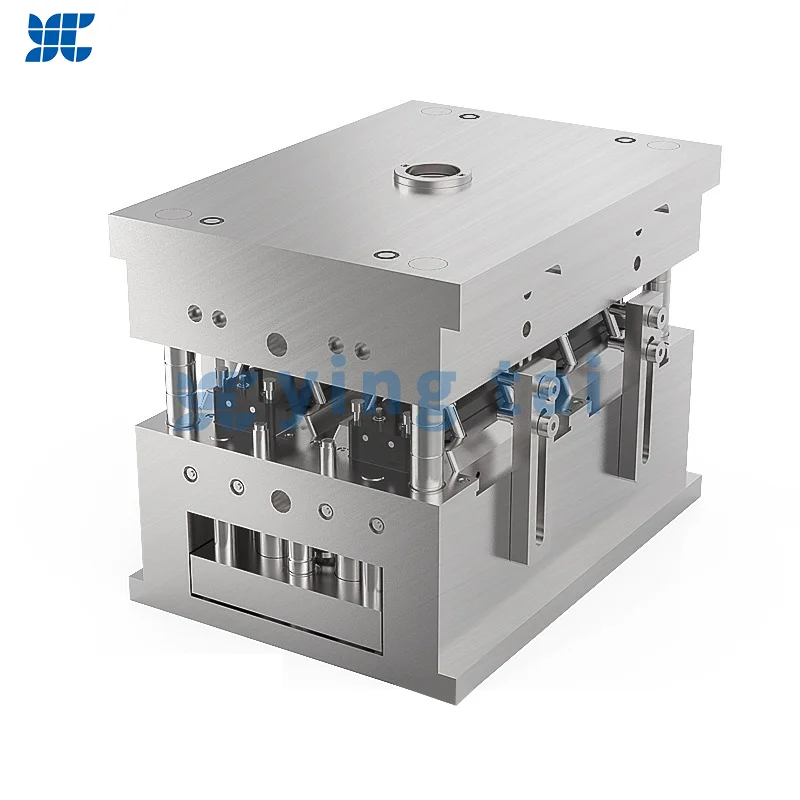
The increasing complexity of molded parts requires sophisticated injection molding mold designs and manufacturing techniques.
Integration of Smart Manufacturing Technologies
Data analytics, machine learning, and real-time monitoring are transforming molding processes, improving quality and reducing downtime.

Industry Outlook

The Dutch rubber and plastic molding industry is expected to experience moderate growth over the next 3-5 years, driven by demand from the healthcare, automotive, and packaging sectors. Continued investment in automation and sustainable practices will be crucial for maintaining competitiveness.
Companies that can offer customized solutions, rapid prototyping, and high-quality components will be well-positioned to succeed in this dynamic market. Collaboration between manufacturers, research institutions, and government agencies will also be essential for fostering innovation.

Local Application Scenarios in the Netherlands

Illustrative examples of how rubber and plastic molding solutions are utilized in the Dutch market.

1. Medical Device Components for Dutch Healthcare

Production of seals, gaskets, and tubing for medical equipment used in Dutch hospitals and laboratories, utilizing biocompatible liquid silicone rubber.

2. Automotive Parts for Dutch Vehicle Manufacturers

Manufacturing of interior and exterior plastic components for electric vehicles and traditional automobiles, meeting stringent quality and safety standards.

3. Packaging Solutions for Dutch Food Industry

Development of sustainable and food-grade plastic packaging for the Netherlands' thriving food and beverage industry.

4. Agricultural Components for Dutch Farming

Production of durable rubber and plastic parts for irrigation systems and agricultural machinery, designed to withstand harsh weather conditions.

5. Consumer Product Components for Dutch Retailers

Manufacturing of plastic housings, buttons and other components for consumer electronics sold within the Netherlands.

Brand Story

The Global Development History of Guangdong Yingtai High-Precision Technology Co., Ltd.

Foundation and Commitment to Quality

Founded in 2008, Yingtai has been dedicated to providing high-precision rubber and plastic molding solutions. Our mission is to consistently exceed customer expectations through unwavering quality control and innovation.

Expansion into LSR Molding

In 2015, we expanded our capabilities to include lsr moulding, catering to the growing demand for biocompatible materials in medical and pharmaceutical applications.

Investment in State-of-the-Art Technology

We continuously invest in advanced injection molding tooling and automated equipment to ensure precision, efficiency, and cost-effectiveness.

Global Reach and Customer Focus

We serve a diverse range of industries worldwide, with a strong commitment to building long-term partnerships based on trust and collaboration.

Sustainable Manufacturing Practices

We are committed to minimizing our environmental impact through responsible material sourcing, waste reduction, and energy-efficient operations.

Frequently Asked Questions - Local Expertise

Addressing common queries about our services in the Netherlands.

What materials do you use for liquid silicone rubber molding projects in the Netherlands?

We offer a wide range of liquid silicone rubber materials, including medical-grade, food-grade, and industrial-grade options, tailored to meet specific application requirements.

What is the typical lead time for injection molding tooling in the Netherlands?

Lead times for injection molding tooling typically range from 4 to 8 weeks, depending on the complexity of the mold and material selection.

Do you offer design assistance for plastic and rubber components?

Yes, our experienced engineering team provides comprehensive design assistance, including material selection, mold flow analysis, and design optimization.

What quality control processes do you have in place?

We adhere to strict quality control standards throughout the entire manufacturing process, including incoming material inspection, in-process monitoring, and final product testing.

Can you handle overmolding projects combining plastic and silicone rubber?

Yes, we specialize in overmolding projects, creating components that combine the properties of different materials for enhanced functionality and performance.

What is the minimum order quantity for silicone rubber molding projects?

Our minimum order quantity varies depending on the complexity of the part and material used. We can accommodate both small and large production runs.

Let's Discuss Your Project in Europe - Netherlands

Contact us today to learn how our expertise in silicone rubber molding and plastic injection molding can benefit your business in Europe - Netherlands.

Contact Us Now