Advanced Liquid Silicone Rubber Molding Solutions in Hungary

Advanced Liquid Silicone Rubber Molding Solutions in Hungary

Advanced Liquid Silicone Rubber Molding Solutions in Hungary

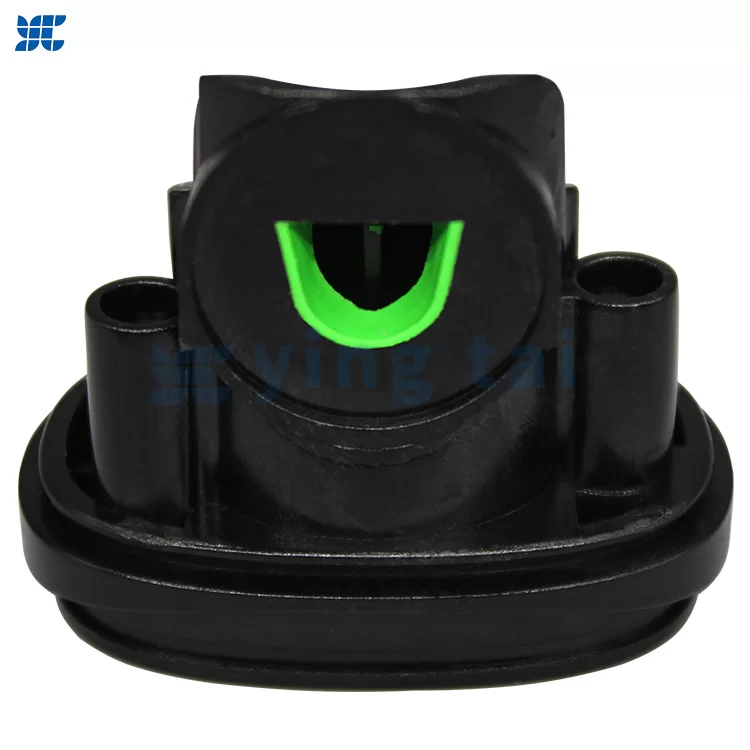
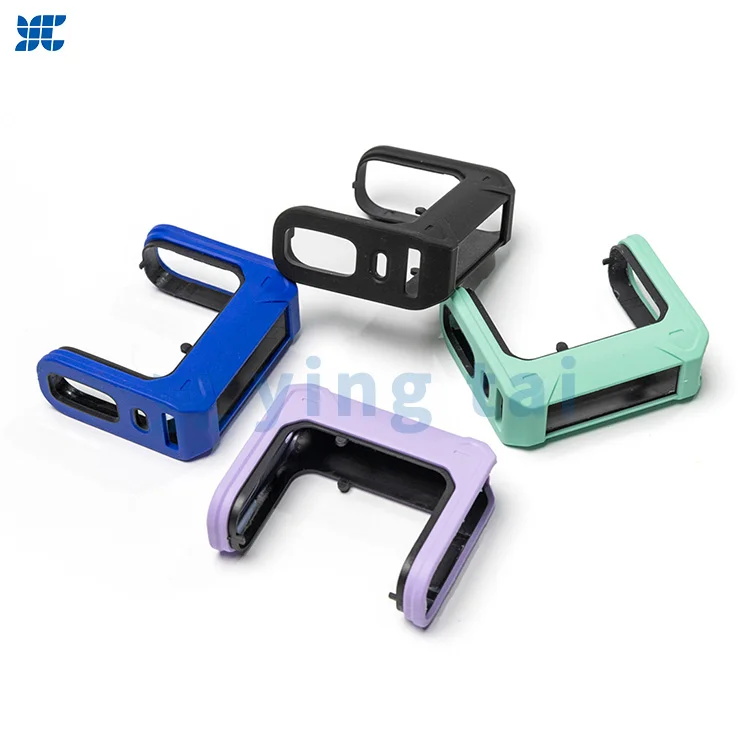
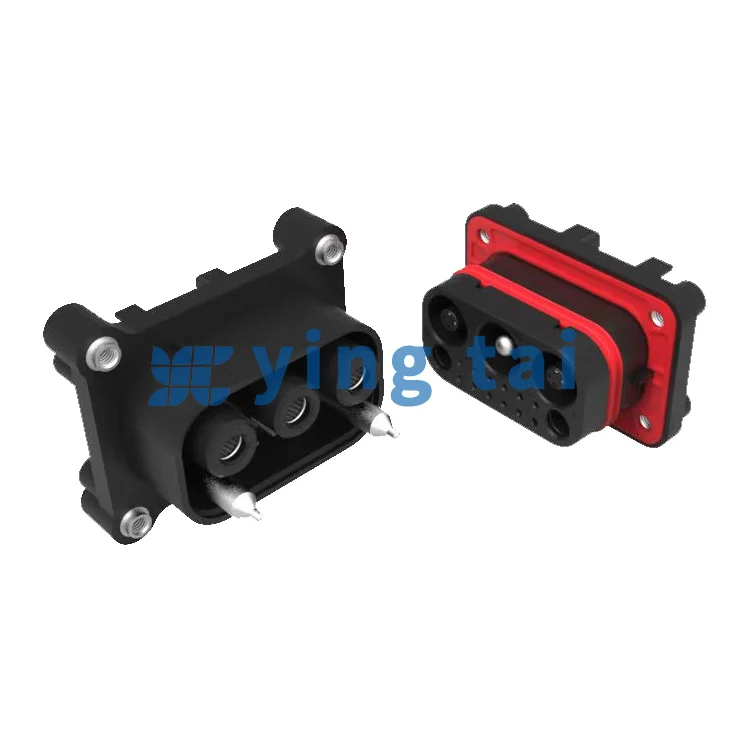
Expert in lsr moulding, injection molding tooling and precision silicone components for diverse industries.

The Current State of Rubber and Plastic Manufacturing in Hungary

An overview of the industry landscape in Hungary.

Hungary's manufacturing sector, particularly in rubber and plastics, benefits from its strategic location within Europe and access to skilled labor. However, increased competition from lower-cost regions poses a challenge. Companies are focusing on specialization, high-quality production, and innovative materials like silicone rubber molding to remain competitive.

The automotive industry is a major driver of demand for rubber and plastic components in Hungary. Several international automotive manufacturers have established production facilities in the country, creating a robust supply chain. Medical device manufacturing is also growing, fueling demand for high-precision lsr moulding services.

Environmental regulations are becoming increasingly stringent in Hungary and across Europe, driving demand for sustainable materials and manufacturing processes. Companies are investing in technologies to reduce waste, conserve energy, and improve recyclability.
Evolution of Rubber and Plastic Manufacturing Technologies

Tracing the advancements in molding techniques.

Market Development History

Historically, rubber and plastic manufacturing relied on basic compression molding techniques. In the 1950s and 60s, injection molding revolutionized the industry, allowing for higher production volumes and more complex part geometries.

The introduction of computer numerical control (CNC) machining in the 1980s significantly improved the precision and efficiency of injection molding tooling. This led to better part quality and reduced lead times.

The late 20th and early 21st centuries saw the rise of liquid silicone rubber (LSR) molding, offering exceptional flexibility, biocompatibility, and chemical resistance. The advent of multi-shot molding has further expanded capabilities.

Future Development Trends

Automation and Robotics

Increasing automation and the use of robotics will be critical for reducing labor costs and improving efficiency in the Hungarian rubber and plastic manufacturing industry.

Advanced Materials

Demand for advanced materials, such as thermoplastic elastomers (TPEs) and high-performance polymers, will continue to grow. These materials offer superior properties and can be used in a wider range of applications.

Digitalization and Industry 4.0

The adoption of Industry 4.0 technologies, including the Internet of Things (IoT), cloud computing, and big data analytics, will enable manufacturers to optimize their processes, improve quality control, and respond more quickly to changing market demands.

Industry Trends and Future Outlook

Forecasting the future of molding technologies in Hungary.

Growing Demand for Medical-Grade LSR
Hungary's expanding medical device sector will drive increased demand for high-purity liquid silicone rubber components.
Focus on Sustainable Materials
Increasingly, manufacturers will prioritize eco-friendly materials and processes to meet environmental regulations and consumer demand.
Precision Tooling Advancements
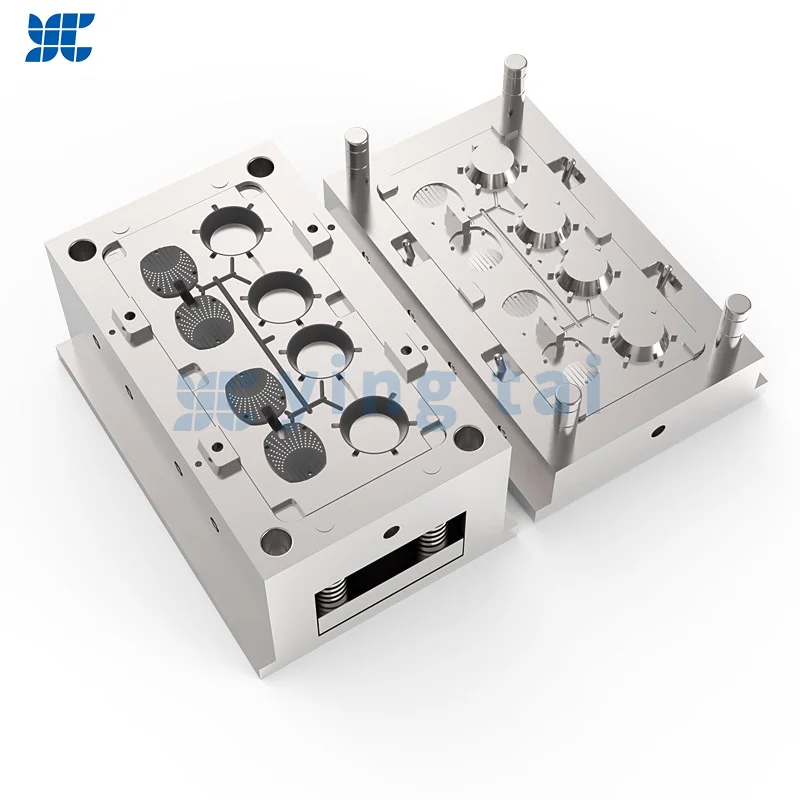
Continued improvements in injection molding tooling technology, including micro-molding and multi-component molding, will enable the production of increasingly complex parts.
Increased Automation & Efficiency
Automation and data-driven optimization will be key to lowering production costs and improving product quality.

Industry Outlook

The Hungarian rubber and plastic manufacturing industry is poised for continued growth, driven by demand from the automotive, medical, and packaging sectors. Companies that invest in advanced technologies, sustainable materials, and skilled labor will be best positioned to succeed.

The long-term outlook is positive, with opportunities for companies to expand their product offerings and enter new markets. Collaboration between industry, academia, and government will be essential for fostering innovation and competitiveness.

Local Application Scenarios in Hungary

Real-world applications of rubber and plastic molding in Hungary.

1. Automotive Components

Hungary is a major automotive manufacturing hub. Demand for high-precision rubber and plastic components, such as seals, gaskets, and interior parts, is substantial. LSR moulding is used for critical sealing applications.

2. Medical Devices

The growing medical device industry in Hungary requires biocompatible materials and strict quality control. Liquid silicone rubber is widely used for medical tubing, seals, and implants.

3. Packaging Solutions

The food and beverage industry in Hungary demands innovative and sustainable packaging solutions. Plastic molds create containers and closures that ensure product safety and shelf life.

4. Agricultural Equipment

Hungary’s strong agricultural sector relies on durable rubber and plastic components for farm machinery. These parts need to withstand harsh weather conditions and abrasive materials.

Brand Story

The global journey of Guangdong Yingtai High-Precision Technology Co., Ltd.

Commitment to Precision

Founded on a dedication to delivering the highest quality injection molding tooling and LSR components.

Technological Innovation

Continuously investing in cutting-edge technologies and training to stay at the forefront of the industry.

Customer-Centric Approach

Building strong, long-term relationships with our clients by understanding their unique needs and providing tailored solutions.

Global Reach, Local Expertise

Serving customers worldwide, with a dedicated team providing localized support in key markets like Hungary.

Sustainability Focused

Committed to environmentally responsible manufacturing practices and the use of sustainable materials.

Frequently Asked Questions - Hungary

Answers to common questions about our services.

What is the typical lead time for a custom injection molding mold in Hungary?

Lead times vary depending on the complexity of the mold, but typically range from 4 to 8 weeks after design confirmation.

Do you offer design assistance for lsr moulding projects?

Yes, our experienced design team can provide assistance with part design, material selection, and mold flow analysis.

What materials are compatible with your silicone rubber molding process?

We work with a wide range of silicone rubbers, including medical-grade LSR, high-consistency rubber (HCR), and fluorosilicone rubber.

What quality control measures do you have in place for injection molding tooling?

We utilize advanced inspection equipment, including CMMs and optical comparators, to ensure that all molds meet stringent quality standards.

Can you handle both small-volume and large-volume production runs?

Yes, we are equipped to handle both small-volume prototyping and large-scale production runs to meet our clients' diverse needs.

What certifications does your facility have regarding quality standards?

We are ISO 9001 certified, demonstrating our commitment to maintaining a robust quality management system.

Get in Touch with Us

We are here to help you with your liquid silicone rubber and plastic molding needs in Hungary.

Contact Us Now