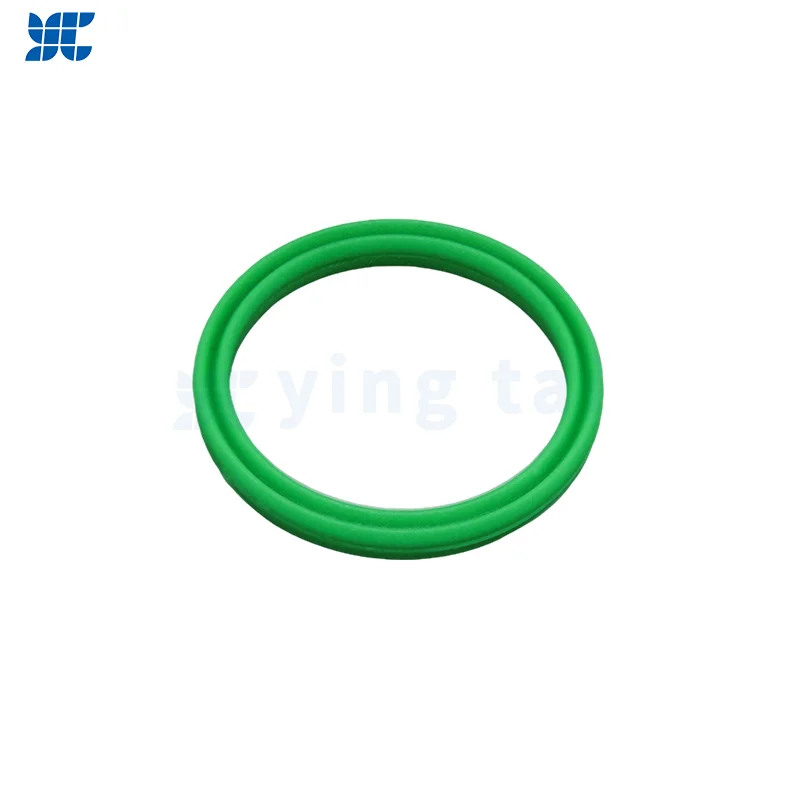
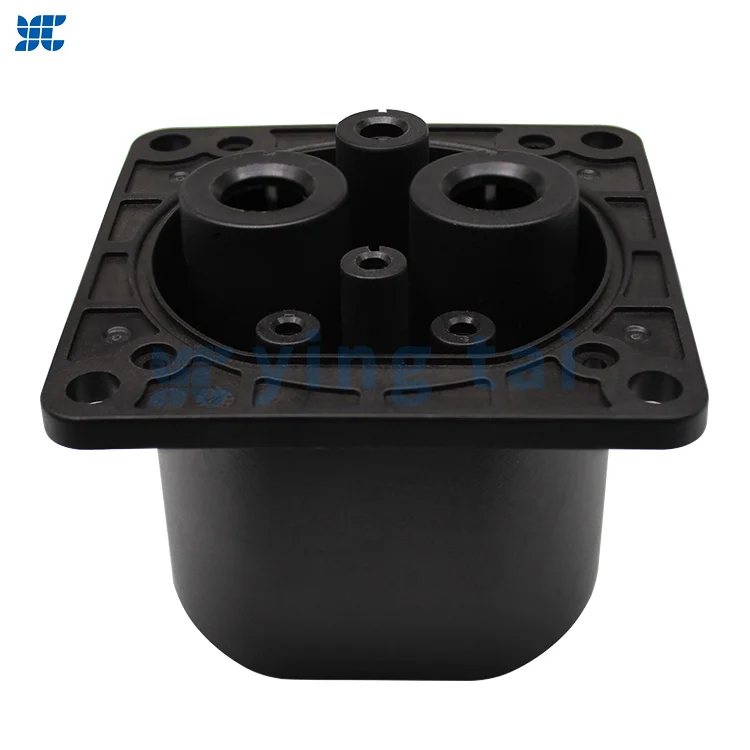
Precision Liquid Silicone Rubber Molding Solutions for Switzerland

Precision Liquid Silicone Rubber Molding Solutions for Switzerland

Precision Liquid Silicone Rubber Molding Solutions for Switzerland

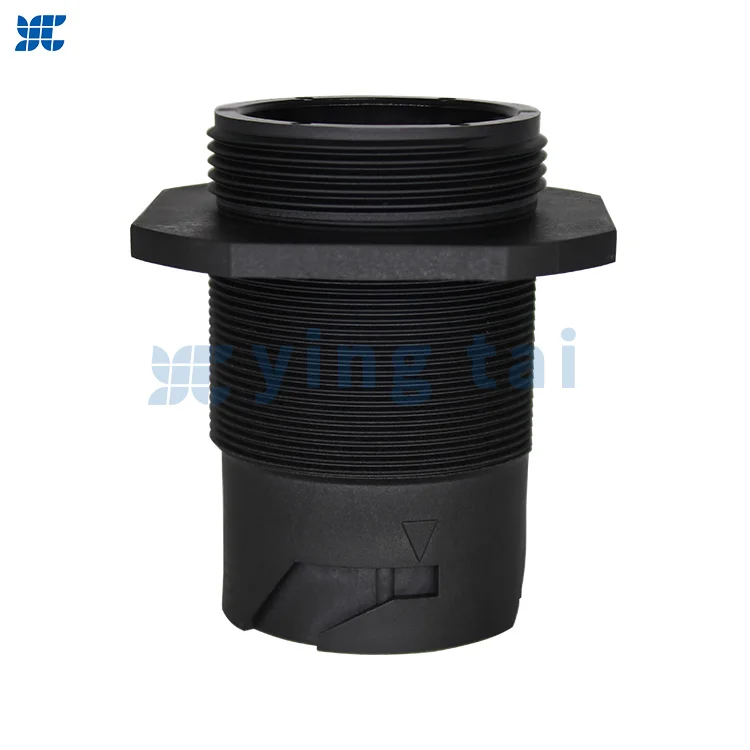
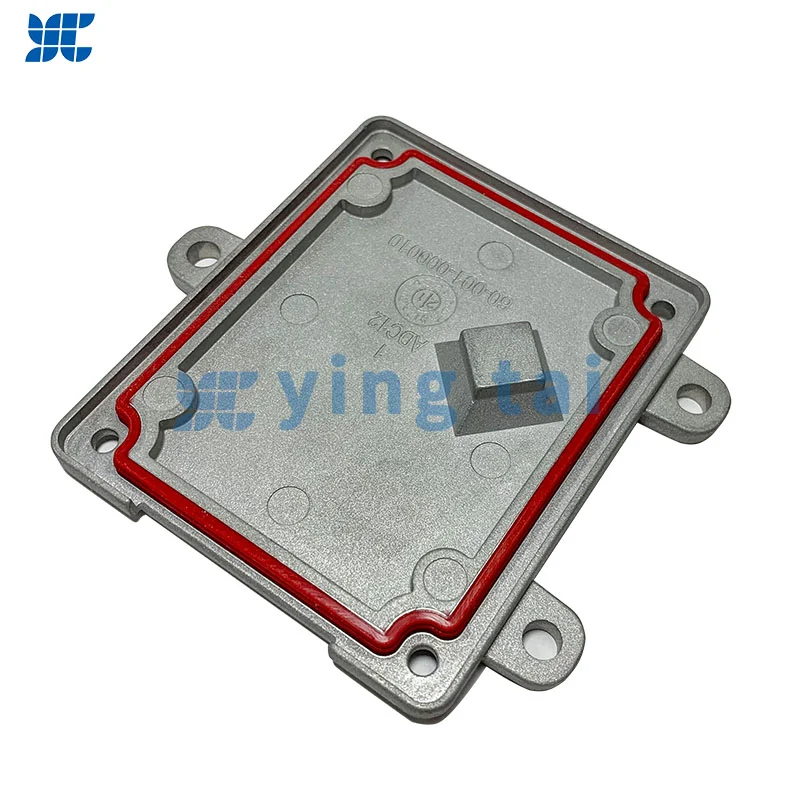
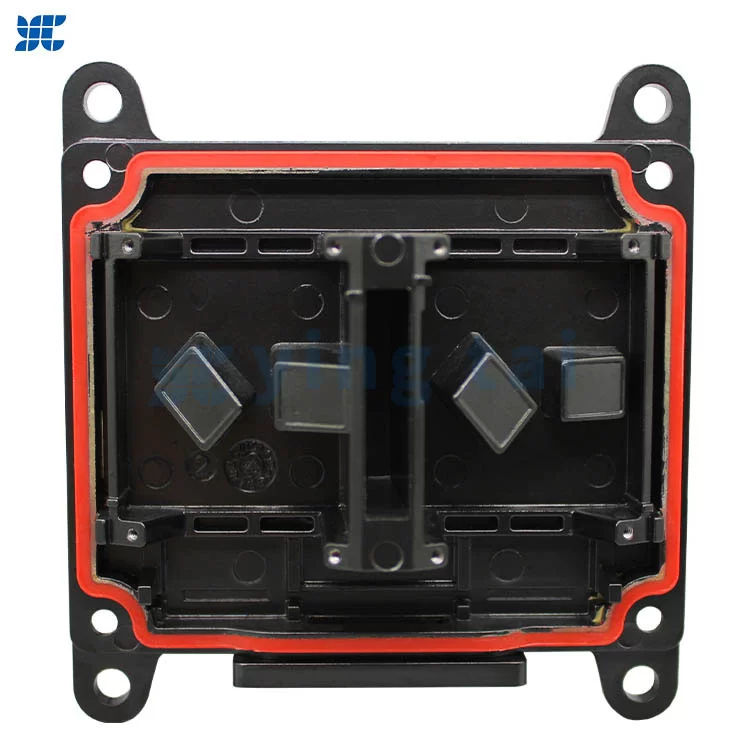
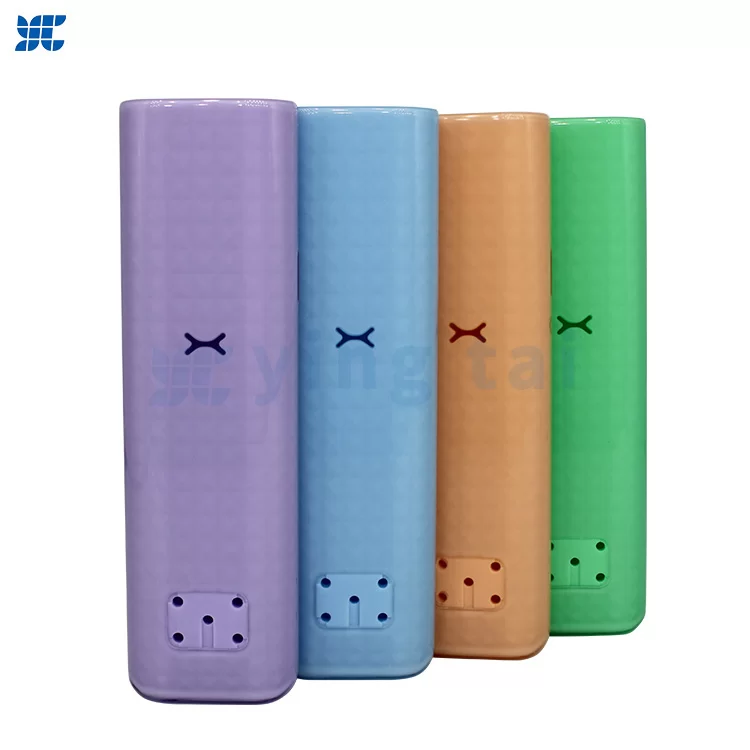
Expert in lsr moulding, injection molding tooling, and high-quality silicone components.

The State of Rubber and Plastic Manufacturing in Switzerland

A look at the current landscape and opportunities for specialized molding in the Swiss market.

Switzerland's manufacturing sector is renowned for its precision, quality, and innovation. The demand for high-performance rubber and plastic components is driven by key industries like medical devices, pharmaceuticals, watchmaking, and automotive. The country's stringent regulatory environment and focus on sustainability create a need for specialized injection molding tooling and materials.

Geographically, Switzerland's central European location provides efficient access to key markets. The skilled workforce and robust infrastructure support advanced manufacturing processes. However, the high cost of labor and materials present challenges for manufacturers, necessitating a focus on value-added services and automation.

Swiss businesses consistently prioritize quality and reliability, requiring molding partners who can deliver consistent results and meet strict specifications. The demand for biocompatible materials and precise tolerances is particularly strong in the medical and pharmaceutical sectors, driving innovation in lsr moulding techniques.
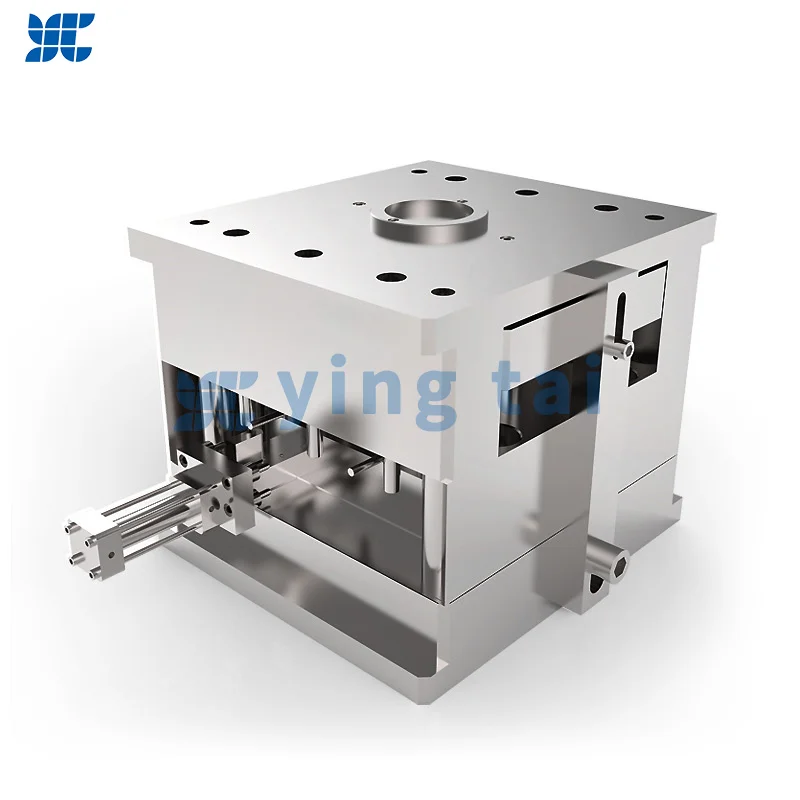
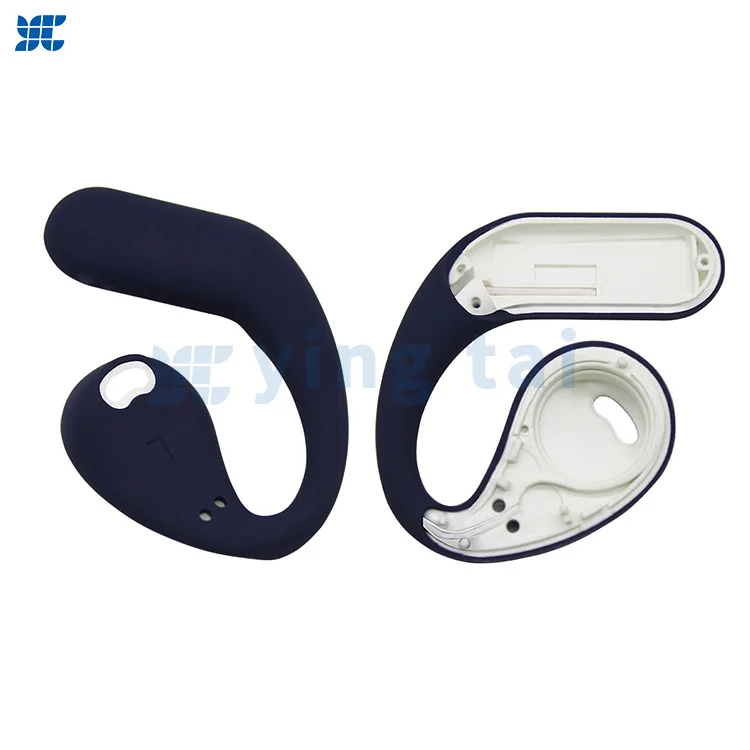
Evolution of Molding Technologies in Switzerland

Tracing the development from traditional methods to modern precision molding.

Market Development History

In the mid-20th century, rubber and plastic molding in Switzerland primarily utilized compression and transfer molding techniques. These methods were adequate for producing basic components but lacked the precision required for increasingly complex applications. The 1980s saw the introduction of early injection molding mold technologies, offering faster cycle times and improved part quality.

The late 1990s and early 2000s witnessed the rise of liquid silicone rubber (LSR) molding, driven by its biocompatibility and versatility. Swiss medical device manufacturers quickly adopted LSR for seals, gaskets, and other critical components. Concurrent advances in CAD/CAM software and CNC machining enabled the creation of increasingly intricate molds.

Today, Switzerland is at the forefront of precision molding, incorporating automation, multi-component molding, and micro-molding techniques. Industry 4.0 principles, including data analytics and predictive maintenance, are being implemented to optimize production processes and ensure consistent quality.

Future Development Trends

Micro-Molding and Miniaturization

Driven by the demand for smaller, more sophisticated medical devices and micro-electronics, micro-molding will continue to gain prominence. This requires specialized equipment and expertise in mold design and material selection.

Automation and Robotics

Increased automation will be crucial for reducing labor costs and improving efficiency. Robotic systems will handle tasks such as mold loading/unloading, quality inspection, and assembly.

Sustainable Materials and Processes

Growing environmental concerns will drive the adoption of bio-based plastics, recyclable materials, and energy-efficient molding processes. Manufacturers will also focus on reducing waste and minimizing their carbon footprint.

Industry Trends and Future Outlook for Molding in Switzerland

Analyzing the evolving landscape and opportunities for growth.

Growing Demand for Medical Grade LSR
Switzerland's strong pharmaceutical and medical device industries are driving significant demand for high-quality, biocompatible LSR components.
Increasing Focus on Automation
To address high labor costs and maintain competitiveness, Swiss manufacturers are investing heavily in automated molding solutions.
Demand for Precision Mold Design
Complex geometries and tight tolerances require advanced mold design capabilities, including FEA analysis and simulation.
Emphasis on Sustainable Solutions
Swiss companies are increasingly prioritizing environmentally friendly materials and manufacturing processes.

Industry Outlook

The Swiss rubber and plastic molding industry is expected to continue its growth trajectory, driven by innovation and the demand for high-quality components. Companies that invest in advanced technologies, sustainable practices, and skilled labor will be well-positioned to succeed.

The focus on precision and customization will further differentiate Swiss manufacturers in the global market. Collaborations between molders, material suppliers, and end-users will be essential for developing innovative solutions that meet the evolving needs of various industries.

Local Application Scenarios in Switzerland

Examples of how precision molding is used in key Swiss industries.

1. Precision Components for Swiss Watches

The Swiss watchmaking industry requires extremely precise and durable components. LSR moulding is used to create seals, gaskets, and other small parts that ensure the accuracy and reliability of luxury timepieces.

2. Medical Device Components for Leading Pharma Companies

Switzerland is a global hub for pharmaceutical and medical device manufacturing. Injection molding tooling is used to produce a wide range of components, including syringes, valves, and seals for diagnostic and therapeutic devices.

3. High-Performance Seals for Automotive Applications

The Swiss automotive industry relies on high-performance seals and gaskets to ensure the reliability and durability of vehicles. Liquid silicone rubber offers excellent resistance to temperature, chemicals, and wear, making it an ideal material for these applications.

4. Specialized Parts for Precision Machinery

Switzerland's engineering sector produces complex machinery that requires specialized plastic and rubber components. Silicone rubber molding is used to create custom parts that meet the specific requirements of these machines.

Brand Story

The Global Journey of Guangdong Yitai High-Precision Technology Co., Ltd.

Founded on Precision

Established in 2005, we began with a commitment to delivering high-precision injection molding mold solutions.

LSR Expertise

In 2010, we expanded our capabilities to include specialized lsr moulding, catering to the medical and pharmaceutical industries.

Global Expansion

2015 marked our entry into international markets, serving clients across Europe, North America, and Asia.

Innovation & Automation

We continuously invest in state-of-the-art technology and automation to optimize our processes and deliver superior quality.

Commitment to Quality

Our mission is to provide reliable, high-precision molding solutions that meet the most demanding requirements of our clients.

Frequently Asked Questions - Switzerland

Answers to common questions about our molding services.

What materials are best suited for medical device molding in Switzerland?

For medical devices in Switzerland, biocompatible materials like medical-grade liquid silicone rubber (LSR), polypropylene (PP), and polycarbonate (PC) are commonly used due to their purity, sterilizability, and durability.

What is the typical lead time for a custom injection molding project?

Lead times vary depending on the complexity of the project, but generally range from 4-8 weeks for tooling and another 2-4 weeks for production. We offer expedited services when possible.

Do you offer mold design and engineering services?

Yes, we provide comprehensive mold design and engineering services, including 3D modeling, FEA analysis, and mold flow simulation. Our experienced engineers work closely with clients to optimize mold design for manufacturability and cost-effectiveness.

What quality control measures do you have in place?

We adhere to stringent quality control procedures throughout the entire molding process, including incoming material inspection, in-process monitoring, and final product testing. We also offer CMM inspection and other advanced quality control techniques.

Can you handle overmolding and multi-component molding projects?

Yes, we have extensive experience in overmolding and multi-component molding. This allows us to create complex parts with multiple materials and functionalities.

What certifications do you hold?

We are ISO 9001 certified, demonstrating our commitment to quality management. We also adhere to relevant industry standards and regulations for medical device manufacturing.

Get in Touch with Our Experts

Let us help you with your injection molding tooling needs in Europe - Switzerland.

Contact Us Now