Liquid Silicone Rubber Molding Solutions for North America

Liquid Silicone Rubber Molding Solutions for North America

Liquid Silicone Rubber Molding Solutions for North America

Expert precision molding services for medical, industrial, and consumer applications in the United States.

The Current State of the Rubber and Plastics Industry in the United States

Analyzing the opportunities and challenges facing manufacturers of rubber and plastic products in North America.

The United States represents a significant market for rubber and plastics, driven by robust demand from automotive, healthcare, consumer goods, and industrial sectors. The industry is characterized by a mix of large multinational corporations and smaller, specialized manufacturers. Silicone rubber molding is a growing segment, fueled by the increasing need for biocompatible materials and high-performance seals.

Geographically, manufacturing hubs are concentrated in states like Ohio, Michigan, Pennsylvania, and California, benefiting from established supply chains, skilled labor pools, and proximity to key end markets. However, challenges exist in the form of rising raw material costs, skilled labor shortages, and increasing competition from overseas manufacturers. The US benefits from a strong focus on quality control and intellectual property protection.

Climate and logistical considerations also play a role. Extreme weather events can disrupt supply chains, highlighting the importance of resilient manufacturing processes. Efficient transportation networks are crucial for delivering products to customers across the vast North American continent. Injection molding tooling requires careful environmental control for optimal performance.
Evolution of Rubber and Plastics Manufacturing in North America

Tracing the technological advancements and market shifts that have shaped the industry.

Market Development History

In the early 20th century, rubber and plastic manufacturing was largely based on natural materials and basic processing techniques. The invention of synthetic rubber in the 1930s marked a turning point, enabling mass production of tires and other rubber goods. Liquid silicone rubber emerged as a key material in the mid-20th century.

The introduction of injection molding in the post-war era revolutionized plastic processing, allowing for the creation of complex shapes with high precision. Computer-aided design (CAD) and computer-aided manufacturing (CAM) technologies were adopted in the 1980s and 90s, further enhancing design and production capabilities.

The 21st century has witnessed the rise of advanced materials, such as thermoplastic elastomers (TPEs) and liquid silicone rubber (LSR), offering enhanced performance characteristics. Automation and robotics are increasingly integrated into manufacturing processes to improve efficiency and reduce costs. The demand for injection molding mold precision has driven the development of advanced tooling technologies.

Future Development Trends

Micro-Molding and Miniaturization

The trend towards miniaturization in industries like medical devices and electronics is driving demand for micro-molding capabilities. This requires specialized tooling and precision molding techniques.

Sustainable Materials and Recycling

Growing environmental concerns are prompting the adoption of bio-based plastics and increased recycling efforts. Manufacturers are exploring ways to reduce waste and minimize their environmental footprint.

Additive Manufacturing (3D Printing)

3D printing is emerging as a viable option for prototyping and low-volume production of rubber and plastic parts. It offers flexibility and customization options not available with traditional molding processes.

Industry Trends and Future Outlook for Rubber and Plastics in North America

Exploring the key factors shaping the future of the industry.

Advanced Materials Integration
Increasing use of high-performance polymers and composites to meet demanding application requirements.
Automation & Robotics
Increased automation to improve efficiency, reduce labor costs, and enhance product quality.
Digitalization and Data Analytics
Leveraging data analytics and IoT technologies to optimize processes, predict maintenance needs, and improve decision-making.
Supply Chain Resilience
Building more robust and diversified supply chains to mitigate risks and ensure business continuity.

Industry Outlook

The North American rubber and plastics industry is projected to experience moderate growth in the coming years, driven by increasing demand from key end markets. Technological advancements and sustainability initiatives will play a crucial role in shaping the future of the industry.

Companies that invest in innovation, automation, and workforce development will be best positioned to succeed in this evolving landscape. LSR moulding will continue to be a significant area of growth due to its unique properties and expanding applications.

Local Applications of Rubber and Plastics in North America

Showcasing real-world examples of how these materials are used across various industries.

1. Automotive Components

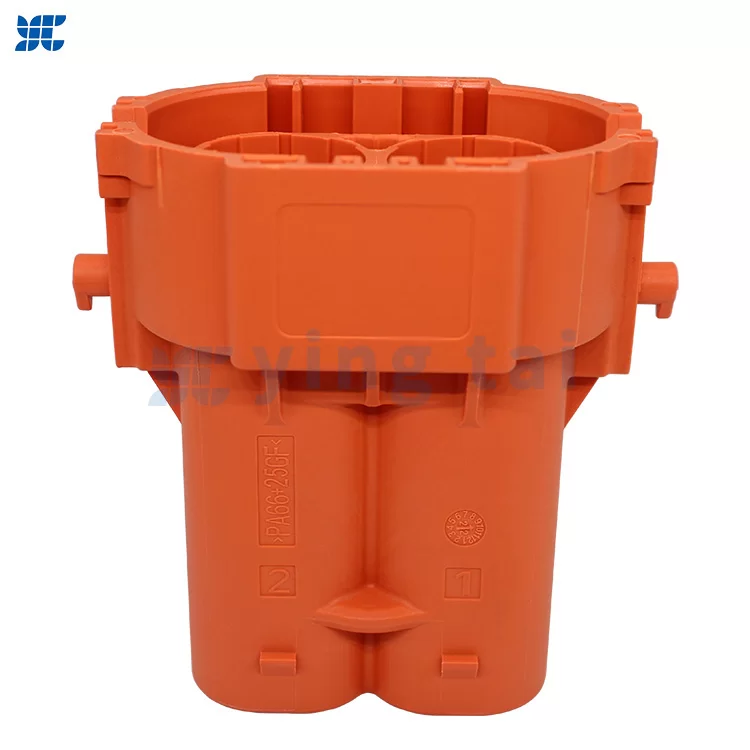
The automotive industry is a major consumer of rubber and plastics in North America, utilizing these materials for seals, gaskets, hoses, interior trim, and exterior body parts. Demand for lightweight materials is driving innovation in polymer technology.

2. Medical Devices

The healthcare sector relies heavily on liquid silicone rubber for medical tubing, implants, seals, and other critical components. Biocompatibility and sterilization resistance are key requirements.

3. Consumer Products

Rubber and plastics are ubiquitous in consumer products, including toys, appliances, packaging, and sporting goods. Aesthetics, durability, and cost-effectiveness are important considerations.

4. Industrial Equipment

Industrial applications demand high-performance rubber and plastics for seals, bearings, gears, and protective coatings. Resistance to chemicals, temperature extremes, and wear and tear are crucial.

Brand Story

Guangdong Yingtai High-Precision Technology Co., Ltd.'s Global Development Journey

Foundation & Commitment to Quality

Established in 2008, Yingtai began with a vision to become a leading provider of precision molding solutions. Our initial focus was on mastering complex injection molding tooling processes.

Expansion into LSR Molding

Responding to market demand, we expanded our capabilities to include liquid silicone rubber molding, catering to the growing needs of the medical and consumer goods industries.

Investment in Advanced Technologies

We consistently invest in state-of-the-art equipment and technologies, including multi-axis CNC machines and automated molding systems, to ensure precision and efficiency.

Global Reach & North American Expansion

Driven by our commitment to customer satisfaction, we have expanded our reach globally, establishing a strong presence in North America to better serve our clients.

Our Mission

To deliver exceptional precision molding solutions that empower our customers to innovate and succeed, providing unparalleled quality, reliability, and service.

Frequently Asked Questions - North America

Answers to common questions about our services and capabilities.

What materials do you commonly use for liquid silicone rubber molding in the US market?

We work with a wide range of LSR materials, including medical-grade silicones, food-grade silicones, and industrial-grade silicones. We can assist in selecting the best material for your specific application based on requirements such as durometer, temperature resistance, and biocompatibility.

What is the typical lead time for a new injection molding mold in North America?

The lead time for a new injection molding mold varies depending on the complexity of the design and the size of the mold. Typically, it ranges from 4-8 weeks.

Do you offer design assistance for my rubber and plastic parts?

Yes, we provide comprehensive design assistance services, including design for manufacturability (DFM) analysis and mold flow simulation. Our experienced engineers can help optimize your design for cost-effectiveness and performance.

What quality control measures do you have in place?

We adhere to strict quality control standards throughout the entire manufacturing process, including incoming material inspection, in-process inspection, and final product inspection. We utilize CMM and other advanced inspection equipment.

Can you handle overmolding projects involving rubber and plastic?

Yes, we have extensive experience in overmolding projects, combining the properties of rubber and plastic to create innovative and functional parts.

Do you offer rapid prototyping services for silicone rubber parts?

Yes, we offer rapid prototyping services using various techniques, including 3D printing and soft tooling. This allows you to quickly validate your design and make necessary adjustments before committing to full production.

Let's Discuss Your Project!

Contact us today to learn more about our precision molding capabilities and how we can help you achieve your goals in North America.

Contact Us Now