Liquid Silicone Rubber Molding Solutions for Australia

Liquid Silicone Rubber Molding Solutions for Australia

Liquid Silicone Rubber Molding Solutions for Australia

Providing high-precision lsr moulding and injection molding services across Oceania.

The State of Rubber & Plastic Manufacturing in Australia

Understanding the Australian Market Landscape

Australia’s manufacturing sector, particularly in rubber and plastics, is facing increasing pressure from global competition. However, a strong focus on medical devices, automotive components and specialized industrial applications creates demand for high-precision injection molding tooling and silicone rubber molding. The relative isolation and high labor costs necessitate a commitment to automation and advanced manufacturing techniques.

The Australian climate and geographical location also present unique challenges. UV exposure and extreme temperatures demand materials with exceptional durability and resistance. Consequently, demand is high for robust polymers and silicone compounds suitable for outdoor and harsh environments.

Recent supply chain disruptions have further highlighted the importance of localized manufacturing capabilities. Australian businesses are actively seeking reliable domestic partners for lsr moulding and plastic component production, prioritizing quality and lead time security.
Evolution of Rubber and Plastic Manufacturing in Australia

From Traditional Methods to Cutting-Edge Technologies

Market Development History

The Australian rubber and plastics industry initially focused on basic consumer goods in the post-war era (1950s-1970s). Manufacturing was largely based on traditional compression and transfer molding techniques.

The 1980s and 1990s saw the introduction of injection molding mold technologies, driven by the automotive industry. This led to increased production efficiency and component complexity.

The 21st century has witnessed a surge in demand for specialized materials like liquid silicone rubber, particularly within the medical and pharmaceutical sectors. This necessitates precision molding and stringent quality control.

Future Development Trends

Advanced Material Science

Expect increased adoption of bio-based and recyclable polymers to address environmental concerns and meet sustainability goals.

Automation and Robotics

Further investment in automated manufacturing processes and robotic systems will reduce labor costs and improve production consistency.

Digitalization and Industry 4.0

Integration of IoT sensors, data analytics, and AI-powered process optimization will enhance efficiency and predictive maintenance.

Industry Trends and Future Outlook

Navigating the Future of Rubber and Plastics Manufacturing in Australia

Medical Device Innovation
Growing demand for biocompatible silicone components in medical implants, surgical instruments, and diagnostic equipment.
Automotive Component Demand
Increased need for high-performance rubber and plastic components in automotive manufacturing and aftermarket parts.
Sustainable Materials Adoption
Growing focus on environmentally friendly materials and manufacturing processes.
Reshoring and Local Manufacturing
Trend towards bringing manufacturing back to Australia to enhance supply chain resilience.

Industry Outlook

The Australian rubber and plastic manufacturing industry is poised for growth, driven by innovation, sustainability, and reshoring initiatives. Companies that invest in advanced technologies and skilled workforce will be best positioned to succeed.

Expect increased demand for specialized materials, precision molding, and custom solutions tailored to the unique needs of Australian businesses. Collaboration between manufacturers, research institutions, and government agencies will be crucial for fostering industry development.

Local Application Scenarios in Australia

Real-World Examples of Rubber and Plastic Applications

1. Medical Grade Silicone Components for Australian Hospitals

Supplying high-purity silicone tubing, seals, and gaskets for medical devices used in Australian hospitals and healthcare facilities.

2. Automotive Seals and Gaskets for Australian Vehicle Manufacturers

Providing durable rubber seals and gaskets for automotive engines, transmissions, and cooling systems.

3. Mining Equipment Components for the Australian Resources Sector

Manufacturing abrasion-resistant polyurethane components for mining equipment, such as liners, screens, and impellers.

4. Agricultural Irrigation System Parts for Australian Farms

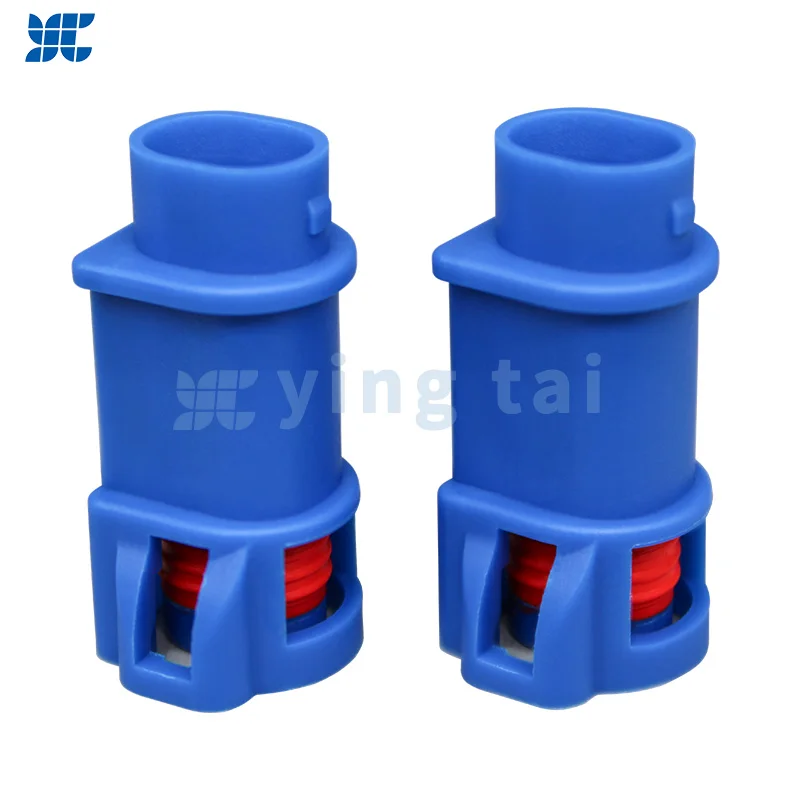
Producing weather-resistant plastic connectors, valves, and nozzles for irrigation systems used in Australian agriculture.

Brand Story

The Global Development Journey of Guangdong Yintie High-Precision Technology Co., Ltd.

Our Commitment to Precision

We are dedicated to delivering exceptional quality and precision in every lsr moulding and injection molding tooling project.

Solving Complex Challenges

We specialize in tackling complex manufacturing challenges and providing innovative solutions.

Australian Focused Expertise

We understand the unique requirements of the Australian market and tailor our services accordingly.

Reliable Partnership

We strive to build long-term partnerships with our clients based on trust and mutual success.

Innovation and Sustainability

We are committed to innovation and sustainable manufacturing practices.

Frequently Asked Questions – Australian Market

Addressing Common Concerns

What is the typical lead time for a custom injection molding mold project in Australia?

Lead times vary depending on complexity, but generally range from 4-8 weeks for mold fabrication and 2-4 weeks for production.

Do you offer design assistance for lsr moulding projects?

Yes, our experienced engineering team can provide design for manufacturability (DFM) analysis and assist with optimizing your product design for molding.

What materials are commonly used in silicone rubber molding for medical applications?

Medical-grade silicones, such as platinum-cured silicone and liquid silicone rubber (LSR), are commonly used due to their biocompatibility and sterilization capabilities.

What quality control processes do you have in place?

We employ a rigorous quality management system, including dimensional inspection, material testing, and visual inspection, to ensure consistent product quality.

Can you handle both small-volume and large-scale production runs?

Yes, we are equipped to handle both prototyping and small-volume production, as well as large-scale manufacturing runs to meet your specific needs.

What are the key benefits of using liquid silicone rubber over traditional rubber materials?

LSR offers superior biocompatibility, thermal stability, chemical resistance, and dimensional accuracy compared to traditional rubber materials.

Get in Touch with Us

Partner with a leading rubber and plastic manufacturer in Oceania - Australia for your next project.

Contact Us Now