Liquid Silicone Rubber Molding Solutions for New Zealand

Liquid Silicone Rubber Molding Solutions for New Zealand

Liquid Silicone Rubber Molding Solutions for New Zealand

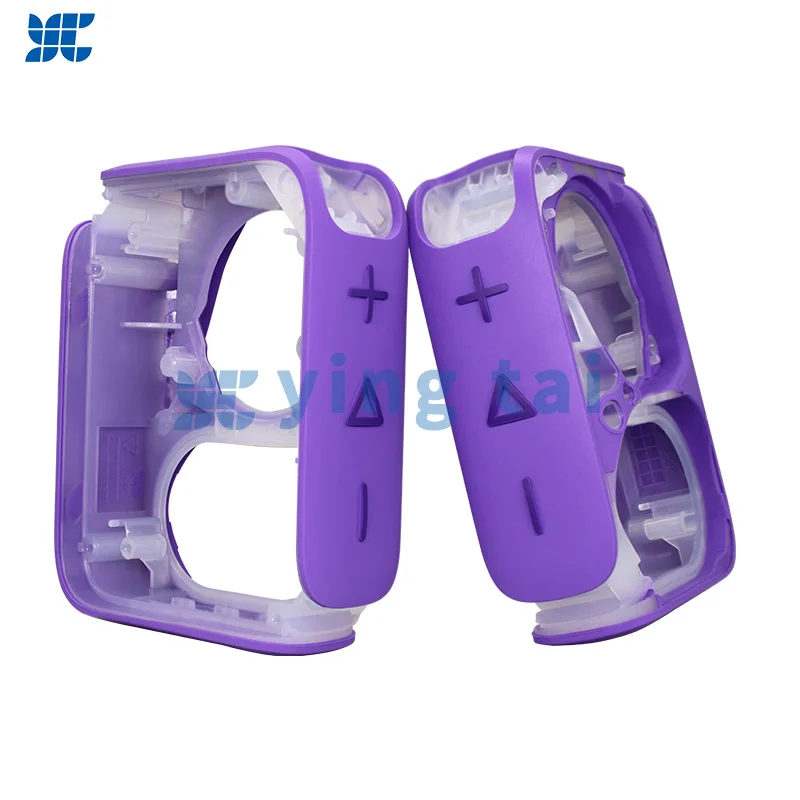
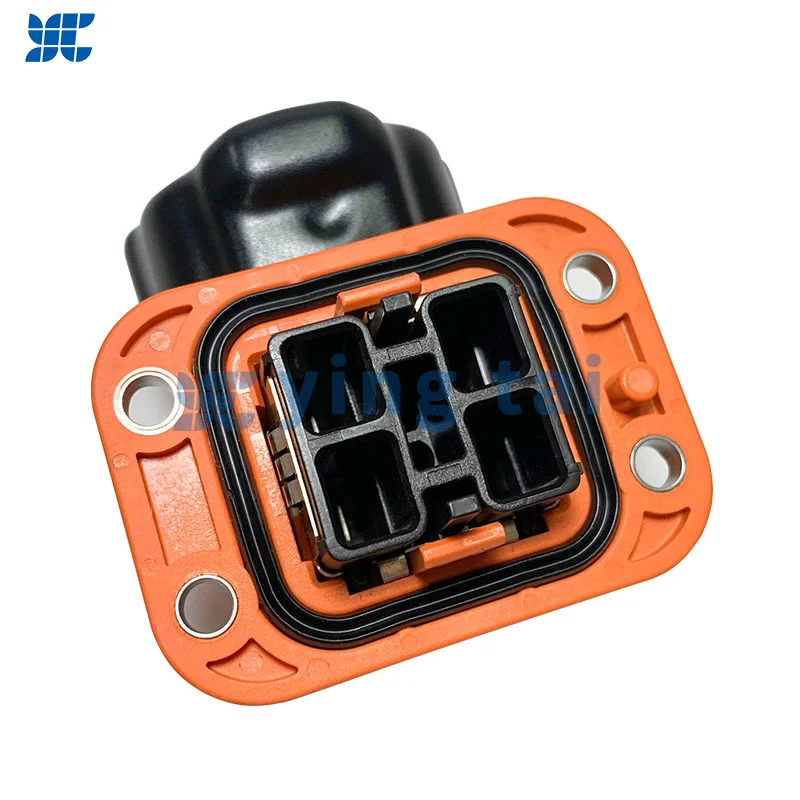
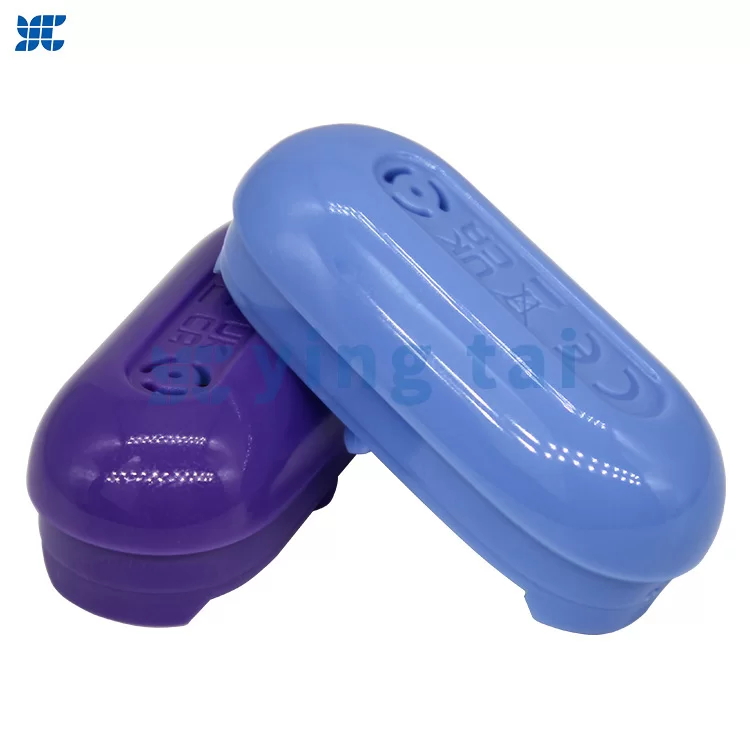
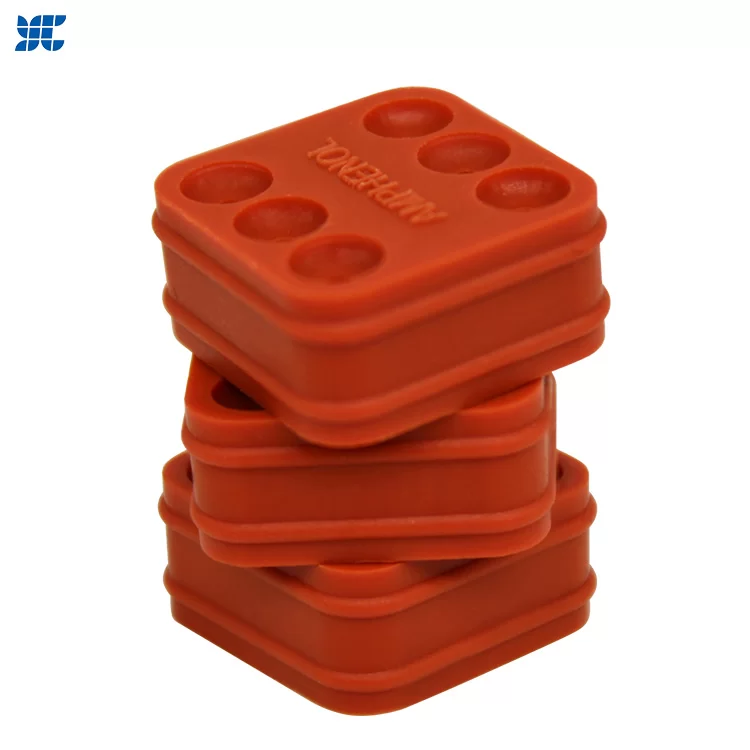
Expertise in LSR moulding, injection molding tooling, and silicone rubber molding for diverse industries.

The Current State of Rubber & Plastic Manufacturing in New Zealand

An overview of the industry landscape in Oceania - New Zealand.

New Zealand’s manufacturing sector, particularly in rubber and plastics, is characterized by a focus on niche, high-value products. Due to the relatively small domestic market, many companies prioritize export, serving Australia, Asia, and increasingly, North America. The geographical isolation presents logistical challenges, but also fosters innovation in efficient supply chain management.

The demand for specialized rubber and plastic components, including those made with liquid silicone rubber, is driven by industries such as healthcare, food processing, and agriculture – all significant contributors to the New Zealand economy. Increasing environmental awareness is also pushing manufacturers to adopt sustainable materials and processes.

The industry faces challenges related to skilled labor shortages and rising raw material costs. However, government initiatives promoting advanced manufacturing and investment in research and development are aimed at addressing these issues and enhancing competitiveness. LSR moulding is becoming increasingly popular due to its biocompatibility and precision.
Evolution of Rubber & Plastic Manufacturing in New Zealand

Tracing the development from traditional methods to modern technologies.

Market Development History

Historically, rubber and plastic manufacturing in New Zealand relied heavily on imported materials and basic molding techniques. The 1970s saw the introduction of early injection molding machinery, primarily focused on producing commodity plastic products. This was largely driven by increased demand from the agricultural sector.

The 1990s and early 2000s witnessed a shift towards higher precision injection molding tooling and a growing adoption of engineering plastics. Companies began specializing in custom solutions for specific industries, moving away from mass production. The rise of medical device manufacturing spurred the demand for biocompatible materials like silicone rubber.

From the 2010s onwards, there has been a rapid increase in the use of advanced technologies like 3D printing for prototyping and tooling. Liquid silicone rubber molding has become increasingly sophisticated, with multi-shot molding and overmolding capabilities becoming more common. Automation and robotics are being implemented to improve efficiency and reduce labor costs.

Future Development Trends

Advanced Materials

Expect increased utilization of bio-based and recyclable plastics, driven by sustainability concerns and government regulations. Research into new elastomer materials with enhanced properties will also be crucial.

Smart Manufacturing (Industry 4.0)

Integration of IoT sensors, data analytics, and artificial intelligence to optimize production processes, predict equipment maintenance, and improve quality control. This will involve significant investment in digital infrastructure.

Micro Molding and Miniaturization

Demand for smaller, more complex components, especially in the medical and electronics industries, will drive the need for micro molding capabilities and high-precision tooling. Silicone rubber molding will be vital for these applications.

Industry Trends and Future Outlook for Rubber and Plastic Manufacturing in New Zealand

A look at emerging opportunities and potential challenges.

Sustainability & Circular Economy
Growing demand for eco-friendly materials and processes, including bio-plastics and recycling initiatives, will reshape the industry.
Advanced Automation
Increased adoption of robotics and automated systems to improve efficiency, reduce costs, and enhance product quality.
Customization & Additive Manufacturing
Greater emphasis on customized products and the use of 3D printing for rapid prototyping and tooling.
Digitalization & Data Analytics
Leveraging data analytics and digital technologies to optimize supply chains, predict demand, and improve decision-making.

Industry Outlook

The New Zealand rubber and plastic manufacturing industry is poised for continued growth, driven by innovation, sustainability, and a focus on high-value products. Collaboration between industry, government, and research institutions will be essential to overcome challenges and capitalize on emerging opportunities.

The demand for specialized molding solutions, particularly in LSR moulding and injection molding tooling, is expected to remain strong. Manufacturers who embrace digital technologies and sustainable practices will be best positioned for success.

Local Application Scenarios in New Zealand

Real-world examples of how our solutions benefit businesses across New Zealand.

1. Medical Device Components

New Zealand’s growing medical device industry relies heavily on high-precision silicone rubber components for applications such as seals, gaskets, and tubing. Our liquid silicone rubber molding capabilities meet the stringent requirements of this sector, ensuring biocompatibility and reliability.

2. Food & Beverage Processing Equipment

Silicone rubber seals and gaskets are crucial in food and beverage processing equipment, ensuring hygiene and preventing contamination. Our materials comply with food-grade regulations and offer excellent resistance to temperature extremes and chemicals.

3. Agricultural Sensors & Housings

Durable and weather-resistant plastic housings and seals are essential for agricultural sensors used in New Zealand’s farming industry. We provide custom injection molding tooling to create robust and reliable components.

4. Marine & Outdoor Equipment

New Zealand's marine environment demands robust, UV-resistant rubber and plastic components. We specialize in producing parts for marine vessels, outdoor furniture, and recreational equipment, ensuring long-lasting performance.

Brand Story

The Global Development Journey of Guangdong Yingtai High-Precision Technology Co., Ltd.

Established Expertise

Founded in 2008, Guangdong Yingtai has rapidly become a trusted partner for companies seeking precision rubber and plastic molding solutions.

Focus on Innovation

We invest heavily in research and development, constantly pushing the boundaries of molding technology and exploring new materials.

Commitment to Quality

We adhere to rigorous quality control standards, ensuring that every component meets the highest levels of performance and reliability.

Global Reach

We serve clients across a wide range of industries worldwide, providing tailored solutions to meet their unique needs.

Problem Solvers

Our mission is to solve our customers’ most challenging molding problems, delivering innovative and cost-effective solutions that drive their success.

Frequently Asked Questions - New Zealand

Answers to common questions about our services and capabilities.

What is the typical lead time for a custom LSR molding project in New Zealand?

Lead times vary depending on the complexity of the project, but generally range from 4-8 weeks for tooling and 2-4 weeks for production. We prioritize clear communication and strive to meet our customers’ deadlines.

Do you offer design assistance for injection molding projects?

Yes, our experienced engineering team can provide design assistance to optimize your parts for manufacturability and cost-effectiveness. We work with various CAD formats.

What materials are compatible with your liquid silicone rubber molding process?

We work with a wide range of liquid silicone rubber materials, including medical-grade, food-grade, and general-purpose formulations. We can also accommodate custom color matching and material properties.

Can you handle both low-volume and high-volume production runs?

Yes, we are equipped to handle both low-volume prototyping and high-volume production runs. We offer flexible manufacturing solutions to meet your specific needs.

What quality control measures do you have in place?

We utilize advanced inspection equipment and adhere to strict quality control procedures throughout the entire manufacturing process. We can provide detailed inspection reports and certifications upon request.

What certifications does your company hold related to medical device manufacturing?

We are ISO 9001 certified and committed to meeting the requirements of medical device regulations. We work closely with our clients to ensure compliance with relevant standards.

Get in Touch with Us

Partner with us for reliable and innovative rubber and plastic molding solutions in New Zealand.

Contact Us Now