LSR Moulding Solutions for the Democratic Republic of the Congo

LSR Moulding Solutions for the Democratic Republic of the Congo

LSR Moulding Solutions for the Democratic Republic of the Congo

Precision Liquid Silicone Rubber and Plastic Injection Molding for Diverse Industries in DRC.

Current State of Rubber and Plastics Manufacturing in the DRC

Understanding the Challenges and Opportunities in the Congolese Market

The Democratic Republic of the Congo, rich in natural resources, presents a unique landscape for manufacturing. However, the rubber and plastics industry faces considerable challenges, including limited infrastructure, political instability, and a reliance on imports. Demand is driven primarily by the healthcare, agriculture, and consumer goods sectors. The country's vast size and challenging terrain also contribute to logistical complexities.

Despite these obstacles, the potential for growth is significant. A growing population and increasing urbanization are creating a need for affordable and reliable rubber and plastic products. The DRC's strategic location within Africa also positions it as a potential hub for regional trade, particularly as infrastructure improvements begin to materialize. Access to silicone rubber molding solutions is becoming increasingly important.

Currently, the industry is largely comprised of small-scale operations and importers. Local manufacturing capacity is limited, leading to a high dependence on foreign suppliers. There's a growing awareness of the benefits of localized production, including reduced lead times, lower costs, and job creation. Investment in technology and skilled labor is crucial for the industry’s advancement.
Evolution of Rubber and Plastic Manufacturing in the DRC

From Traditional Methods to Modern Precision Molding

Market Development History

Historically, rubber and plastic processing in the DRC was rudimentary, relying on basic techniques and imported materials. Prior to the 1980s, limited industrialization meant most products were sourced externally. The 1990s and early 2000s witnessed a period of instability which further hampered development.

From the mid-2000s onward, with increased political stability and economic growth, there was a gradual increase in imports of plastic and rubber products. Small-scale workshops began to emerge, focusing on basic processing and fabrication. This period also saw the introduction of simpler injection molding mold techniques.

In the last decade, awareness of advanced molding technologies like liquid silicone rubber (LSR) and high-precision injection molding has grown. However, the adoption of these technologies remains limited due to high investment costs and a lack of skilled personnel. The demand for specialized tooling such as injection molding tooling is steadily rising.

Future Development Trends

Automation and Robotics

Increased automation and the integration of robotics into molding processes will become essential for improving efficiency and reducing costs. This trend is driven by global manufacturing best practices and the need to compete on price.

Sustainable Materials

Growing environmental concerns will drive demand for sustainable and biodegradable plastic and rubber materials. Manufacturers will need to adapt to offer eco-friendly solutions to meet evolving consumer preferences.

Advanced Molding Technologies

The adoption of advanced molding technologies like micro-molding and multi-component molding will expand, enabling the production of complex and highly specialized products for various industries.

Industry Trends and Future Outlook for Rubber and Plastics in DRC

Forecasting Growth and Innovation in the Congolese Market

Rising Healthcare Demand
The DRC's healthcare sector is experiencing significant growth, driving demand for medical-grade rubber and plastic products like syringes, tubing, and seals.
Agricultural Sector Growth
The DRC's agricultural sector requires durable plastic films, irrigation systems, and packaging solutions, creating opportunities for local manufacturers.
Consumer Goods Expansion
A growing middle class is driving demand for consumer goods packaged in plastic, including food, beverages, and household products.
Infrastructure Development
Ongoing infrastructure projects, such as road construction and building projects, require plastic pipes, fittings, and other construction materials.

Industry Outlook

The rubber and plastics industry in the DRC is poised for substantial growth in the coming years. However, realizing this potential requires significant investment in infrastructure, technology, and skilled labor. Government policies that promote local manufacturing and attract foreign investment will be critical.

Google Trends data indicates a growing search interest in terms related to “plastic manufacturing DRC” and "rubber products Congo,” signaling increasing demand and market activity. Focusing on niche markets such as medical-grade plastics and sustainable packaging will provide opportunities for competitive advantage.

Local Application Scenarios in the Democratic Republic of the Congo

Real-World Examples of Rubber and Plastic Product Use in DRC

1. Medical Device Components

Production of durable and sterilized components for medical devices, such as syringe barrels, IV tubing connectors, and seals. Addressing the needs of the expanding healthcare sector.

2. Agricultural Packaging

Manufacturing of robust plastic bags and containers for transporting and storing agricultural products, minimizing post-harvest losses and supporting local farmers.

3. Water Storage Solutions

Production of large-capacity plastic water tanks and containers to address water scarcity issues, especially in remote areas of the DRC.

4. Automotive Parts

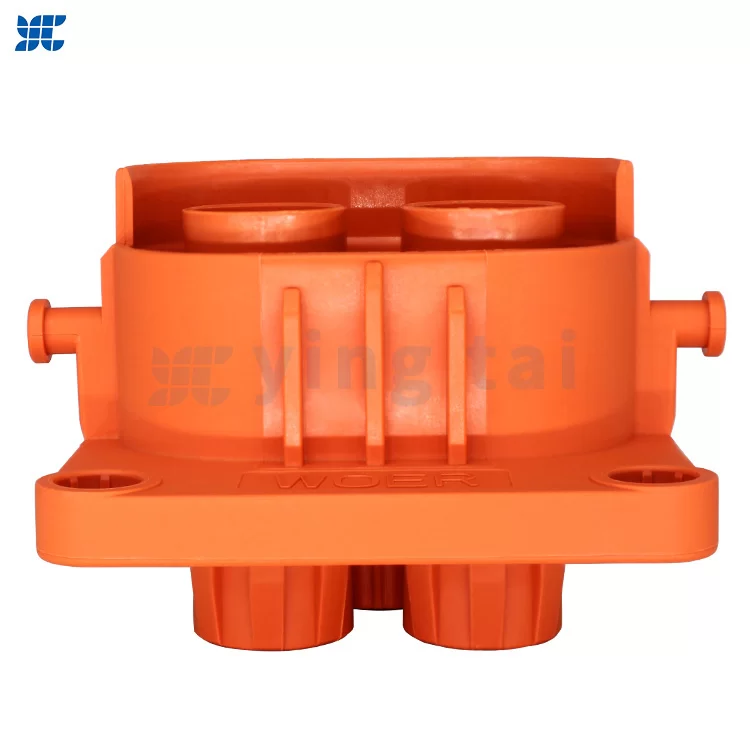
Supplying rubber and plastic components for the automotive industry, including seals, hoses, and interior trim parts, catering to the growing vehicle market.

5. Consumer Product Packaging

Production of rigid and flexible plastic packaging for consumer goods, like food, beverages, and household items, providing convenient and safe product containment.

Brand Story

Guiding Principles of Guangdong Yintai High-Precision Technology Co., Ltd.’s Global Development

Commitment to Quality

We are dedicated to delivering consistently high-quality rubber and plastic products that meet the stringent requirements of our clients in the DRC.

Innovative Solutions

We leverage cutting-edge technologies and innovative design to provide customized molding solutions that address unique challenges.

Reliable Partnership

We strive to build long-term partnerships with our clients based on trust, transparency, and mutual success.

Local Expertise

We understand the specific needs and challenges of the Congolese market and tailor our services accordingly.

Sustainable Practices

We are committed to environmentally responsible manufacturing processes and offer sustainable material options.

Frequently Asked Questions about Rubber and Plastic Manufacturing in the DRC

Addressing Common Concerns and Providing Valuable Insights

What materials are best suited for outdoor applications in the DRC's climate?

For outdoor applications, materials like UV-resistant polyethylene (PE) and polypropylene (PP) are recommended due to their durability and ability to withstand the DRC's high temperatures and humidity. Silicone rubbers also exhibit excellent weather resistance.

What are the lead times for custom injection molding tooling?

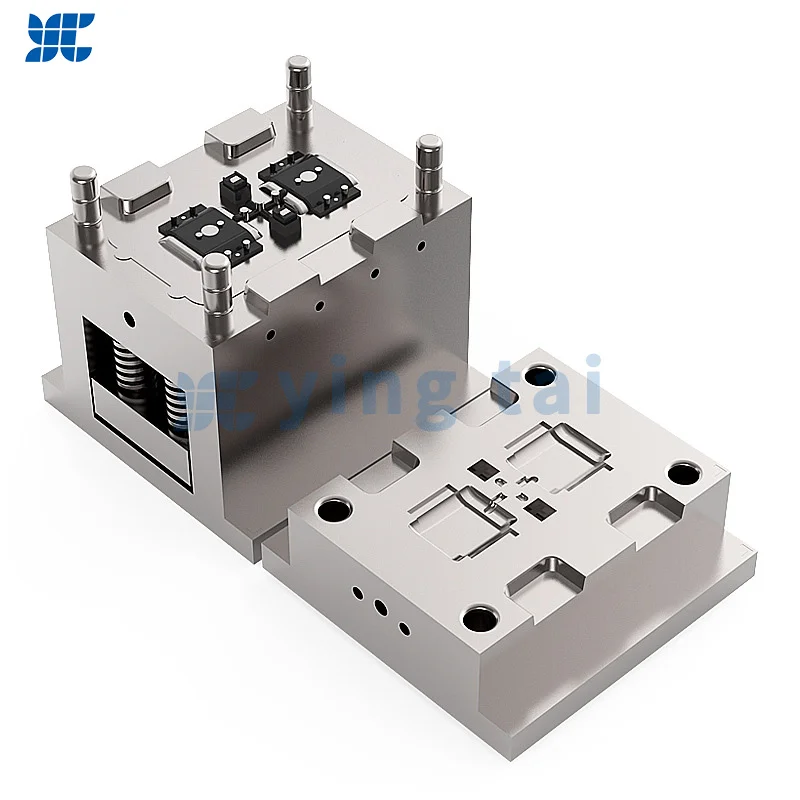
Lead times for custom tooling typically range from 4 to 8 weeks, depending on the complexity of the mold design and the availability of materials. We provide detailed project timelines upfront.

Do you offer design assistance for new product development?

Yes, our team of experienced engineers provides comprehensive design assistance, including product concept development, 3D modeling, and prototyping.

What quality control measures are in place to ensure product consistency?

We implement a rigorous quality control system throughout the entire manufacturing process, including incoming material inspection, in-process quality checks, and final product testing. We adhere to international quality standards.

What are the typical applications for liquid silicone rubber in the DRC market?

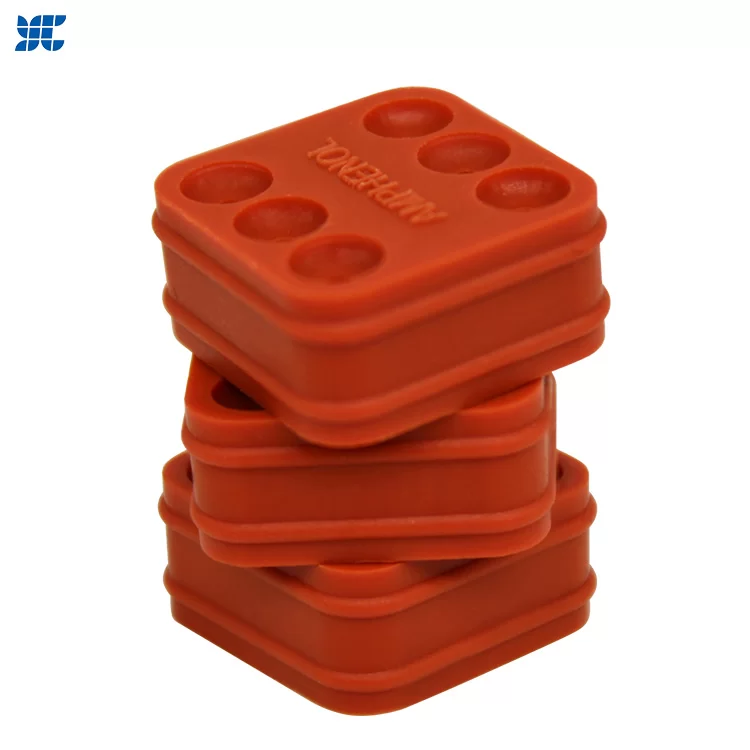
LSR is commonly used for medical devices, seals, gaskets, and baby care products due to its biocompatibility, flexibility, and temperature resistance.

Can you provide assistance with import/export regulations for shipping to the DRC?

Yes, we have experience with international shipping and can provide guidance on import/export documentation and regulations for the DRC. We work with reliable logistics partners.

Let's Discuss Your Project in the Democratic Republic of the Congo

Contact us today to explore how our expertise in rubber and plastic molding can support your business in the Democratic Republic of the Congo.

Contact Us Now