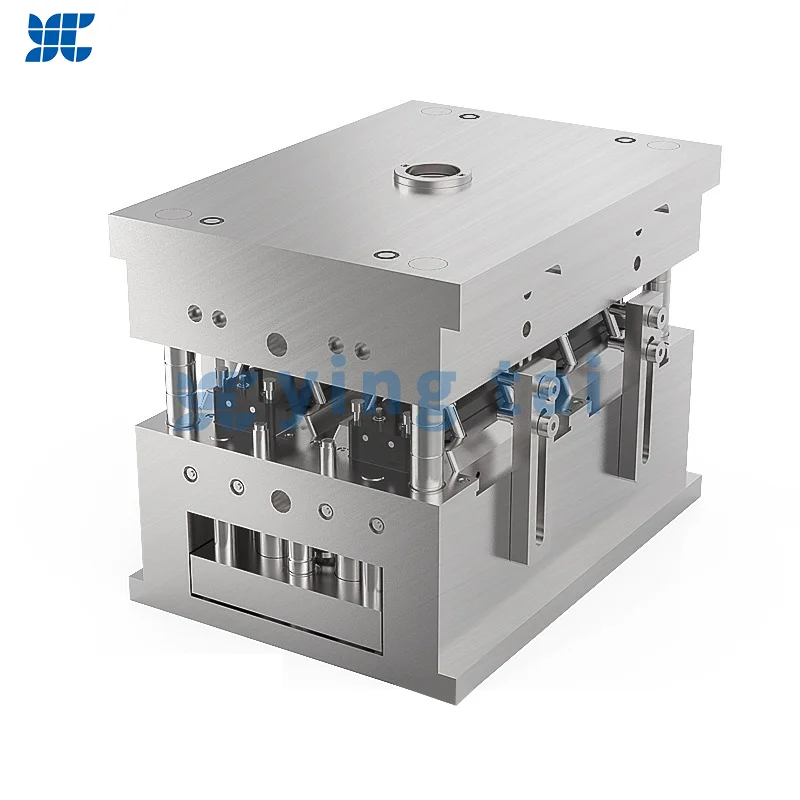
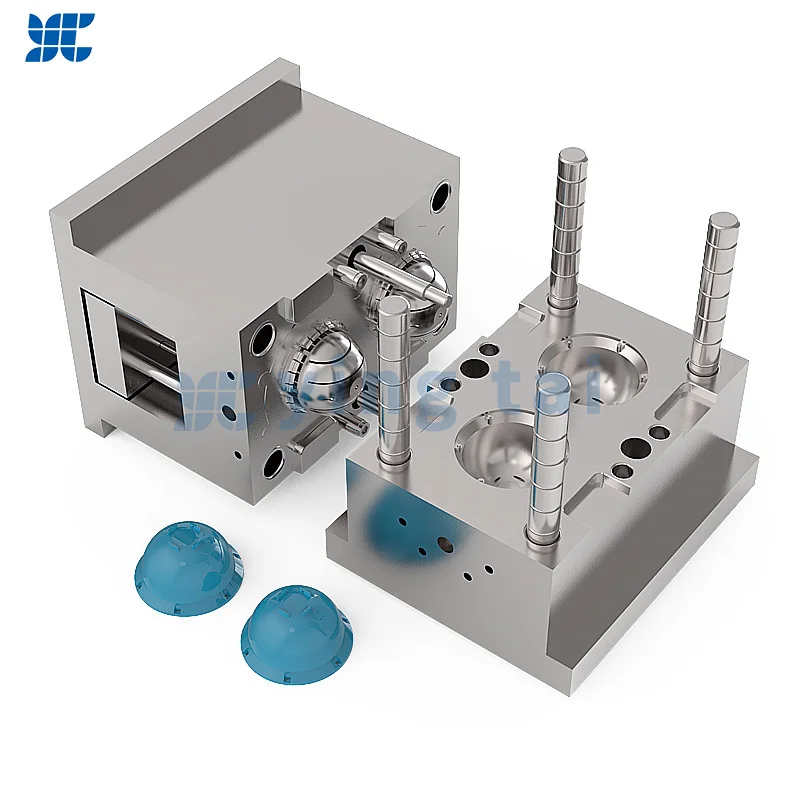
Liquid Silicone Rubber Molding Solutions for Gambia

Liquid Silicone Rubber Molding Solutions for Gambia

Liquid Silicone Rubber Molding Solutions for Gambia

Providing high-precision LSR and injection molding services to meet the growing demands of the Gambian market.

The Current State of Rubber and Plastic Manufacturing in Gambia

Understanding the challenges and opportunities within the Gambian manufacturing landscape.

Gambia, with its developing economy, relies heavily on imports for many manufactured goods, including those made from rubber and plastics. The local manufacturing sector is still emerging, facing challenges such as limited infrastructure, access to capital, and skilled labor. However, a growing entrepreneurial spirit and increasing demand for locally produced goods are creating opportunities for growth in lsr moulding and related industries. The climate, while generally favorable, can present challenges related to material storage and temperature control during production.

Despite these hurdles, the demand for medical and consumer rubber products is rising due to population growth and increasing healthcare awareness. The strategic location of Gambia, bordering Senegal and with access to the Atlantic Ocean, presents potential for export-oriented manufacturing. Utilizing injection molding tooling and precision molding techniques can help local manufacturers compete with imported products.

Currently, many businesses in Gambia depend on importing finished products or semi-finished components. This highlights a significant opportunity for establishing local manufacturing capabilities, particularly in specialized areas like liquid silicone rubber products for medical devices, food processing, and consumer goods. Addressing supply chain vulnerabilities is a key driver for localizing production.
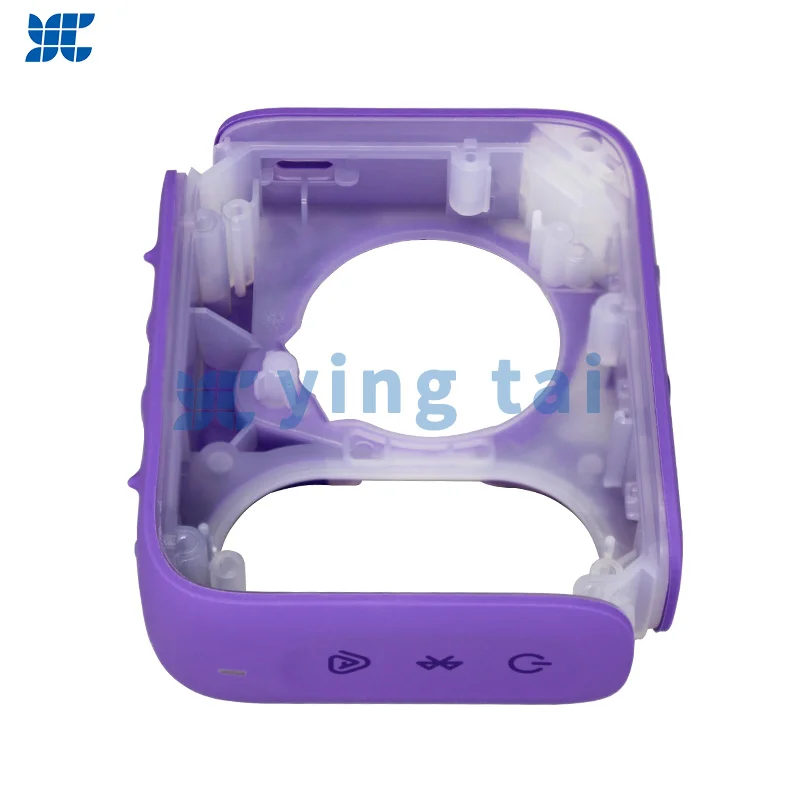
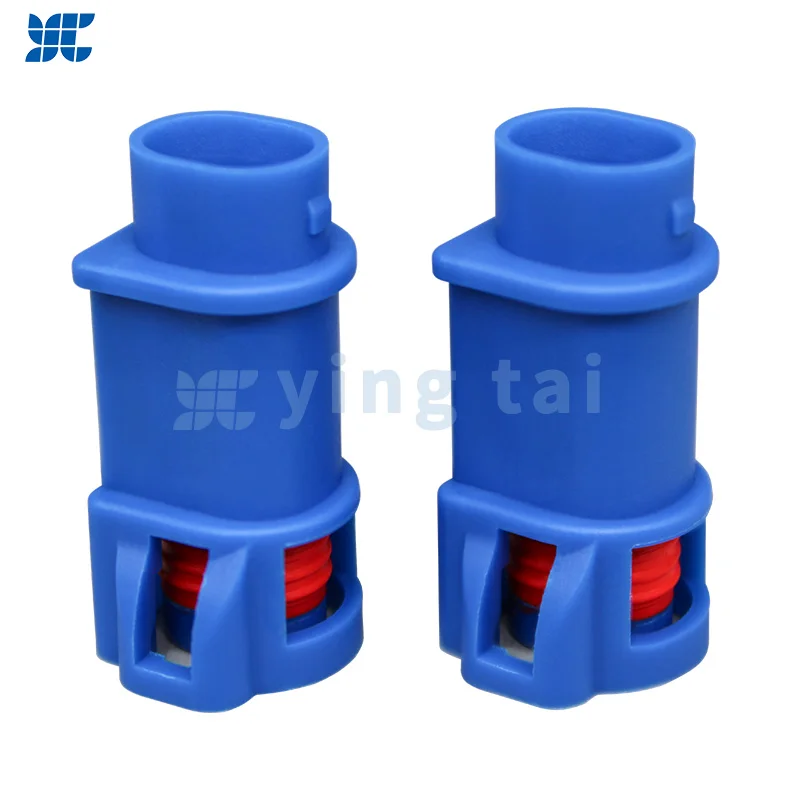
Evolution of Rubber and Plastic Manufacturing Technologies

Tracing the advancements in molding technologies and their impact on the industry.

Market Development History

Historically, rubber and plastic manufacturing relied heavily on manual processes and basic molding techniques. In the mid-20th century, the introduction of injection molding mold technology revolutionized the industry, allowing for mass production of complex parts. Early injection molding machines were relatively simple, but continuous improvements in hydraulics, control systems, and material science led to increased precision and efficiency.

The 1990s witnessed the rise of liquid silicone rubber (LSR) molding, offering superior properties for medical and food-grade applications. LSR molding requires specialized equipment and expertise, but its ability to produce highly accurate, biocompatible parts has driven its adoption in various industries. Simultaneously, advancements in Computer-Aided Design (CAD) and Computer-Aided Manufacturing (CAM) enabled more complex mold designs and faster prototyping.

In the 21st century, automation and digitalization are transforming the manufacturing landscape. Robotics, Internet of Things (IoT) sensors, and data analytics are being integrated into molding processes to optimize performance, reduce waste, and enhance quality control. The focus is now on smart manufacturing and Industry 4.0 principles.

Future Development Trends

Advanced Materials

The development of new polymers with enhanced properties, such as improved temperature resistance, chemical compatibility, and biocompatibility, will drive innovation in silicone rubber molding.

Micro-Molding

Micro-molding, the production of extremely small plastic parts, is gaining prominence in medical devices, microelectronics, and optics. This requires specialized equipment and expertise in precision molding.

Sustainable Manufacturing

Increasing environmental concerns are driving the demand for sustainable manufacturing practices, including the use of recycled materials, energy-efficient equipment, and waste reduction strategies.

Industry Trends and Future Outlook for Gambia

Predicting the trajectory of rubber and plastic manufacturing in the Gambian market.

Growing Demand for Medical Products
The increasing focus on healthcare in Gambia will drive demand for medical-grade silicone rubber products like tubing, seals, and components for medical devices.
Expansion of the Food Processing Industry
Growth in the food processing sector will create opportunities for silicone rubber products used in seals, gaskets, and tubing that meet food-grade standards.
Increased Focus on Quality Standards
As Gambia integrates further into regional and global markets, there will be greater emphasis on product quality and compliance with international standards, driving demand for precision molding.
Growing Demand for Consumer Goods
An expanding middle class and increasing disposable income will drive demand for a wider range of consumer goods made from rubber and plastics.

Industry Outlook

The future of rubber and plastic manufacturing in Gambia looks promising, with significant opportunities for growth. Investing in modern molding technologies, developing a skilled workforce, and ensuring compliance with international quality standards will be crucial for success. The key is to focus on niche markets and value-added products that can compete effectively with imports.

Long-term sustainability will depend on adopting eco-friendly manufacturing practices and exploring the use of recycled materials. Collaboration between local manufacturers, government agencies, and international partners will be essential for driving innovation and fostering a thriving manufacturing sector.

Local Application Scenarios in Gambia

Illustrating how our molding solutions can address specific needs within the Gambian context.

1. Medical Tubing for Rural Healthcare Clinics

Providing flexible and biocompatible silicone tubing for intravenous fluid delivery and drainage in remote healthcare facilities across Gambia. This ensures reliable and safe medical care in areas with limited infrastructure.

2. Seals for Fishing Industry Equipment

Manufacturing durable rubber seals for pumps, valves, and other equipment used in Gambia's thriving fishing industry. These seals protect against corrosion and extend the lifespan of critical equipment.

3. Components for Solar-Powered Water Pumps

Producing rubber and plastic components for solar-powered water pumps, enabling access to clean water in rural communities. These components must withstand harsh environmental conditions and ensure reliable operation.

4. Packaging Solutions for Local Agricultural Products

Developing flexible and food-grade plastic packaging solutions for preserving and transporting locally grown agricultural products, reducing post-harvest losses and improving market access for farmers.

Brand Story

The Global Journey of Guangdong Yingtai High-Precision Technology Co., Ltd.

Mission: Empowering Gambian Industries

We are committed to providing high-quality, cost-effective molding solutions that enable Gambian businesses to compete on a global scale. We aim to be a trusted partner in their growth and success.

Years of Expertise

With over 15 years of experience in the rubber and plastic molding industry, we have honed our skills and developed a deep understanding of the unique challenges faced by our clients.

Advanced Technology

We invest in the latest molding technologies to ensure precision, efficiency, and consistent quality in every product we deliver.

Customer-Centric Approach

We prioritize building strong relationships with our clients and providing tailored solutions to meet their specific needs.

Commitment to Sustainability

We are dedicated to responsible manufacturing practices and minimizing our environmental impact.

Frequently Asked Questions – Local Gambia Market

Addressing common queries about our services and molding solutions.

What types of liquid silicone rubber are best suited for medical devices used in Gambia's climate?

For medical devices in Gambia, we recommend medical-grade LSR with high tear strength and resistance to UV degradation, as the climate can be hot and humid. Biocompatibility certifications are also essential.

Can you provide injection molding tooling specifically designed for low-volume production runs?

Yes, we offer tooling solutions tailored for both high-volume and low-volume production. We utilize multi-cavity molds and quick-change tooling to optimize efficiency for smaller runs.

What is the typical lead time for a complete LSR molding project, from design to delivery in Gambia?

Lead times vary depending on the complexity of the project. Generally, expect 6-10 weeks for tooling fabrication and 2-4 weeks for production and delivery to Gambia.

Do you offer design assistance for plastic parts intended for use in agricultural applications in Gambia?

Yes, our experienced engineering team can provide design assistance, including material selection, part optimization, and mold flow analysis, specifically for agricultural applications.

What quality control measures do you have in place to ensure the consistency of silicone rubber molding for food-grade applications?

We adhere to strict quality control procedures, including material traceability, in-process inspections, and final product testing to ensure compliance with food-grade standards.

What are the shipping options and associated costs for delivering molded parts to Gambia?

We offer a range of shipping options, including air freight and sea freight. Shipping costs vary depending on the weight, dimensions, and destination within Gambia. We can provide a detailed shipping quote upon request.

Let's Discuss Your Molding Needs in Gambia

Ready to explore how our molding solutions can benefit your business in Africa - Gambia? Contact us today for a free consultation.

Contact Us Now