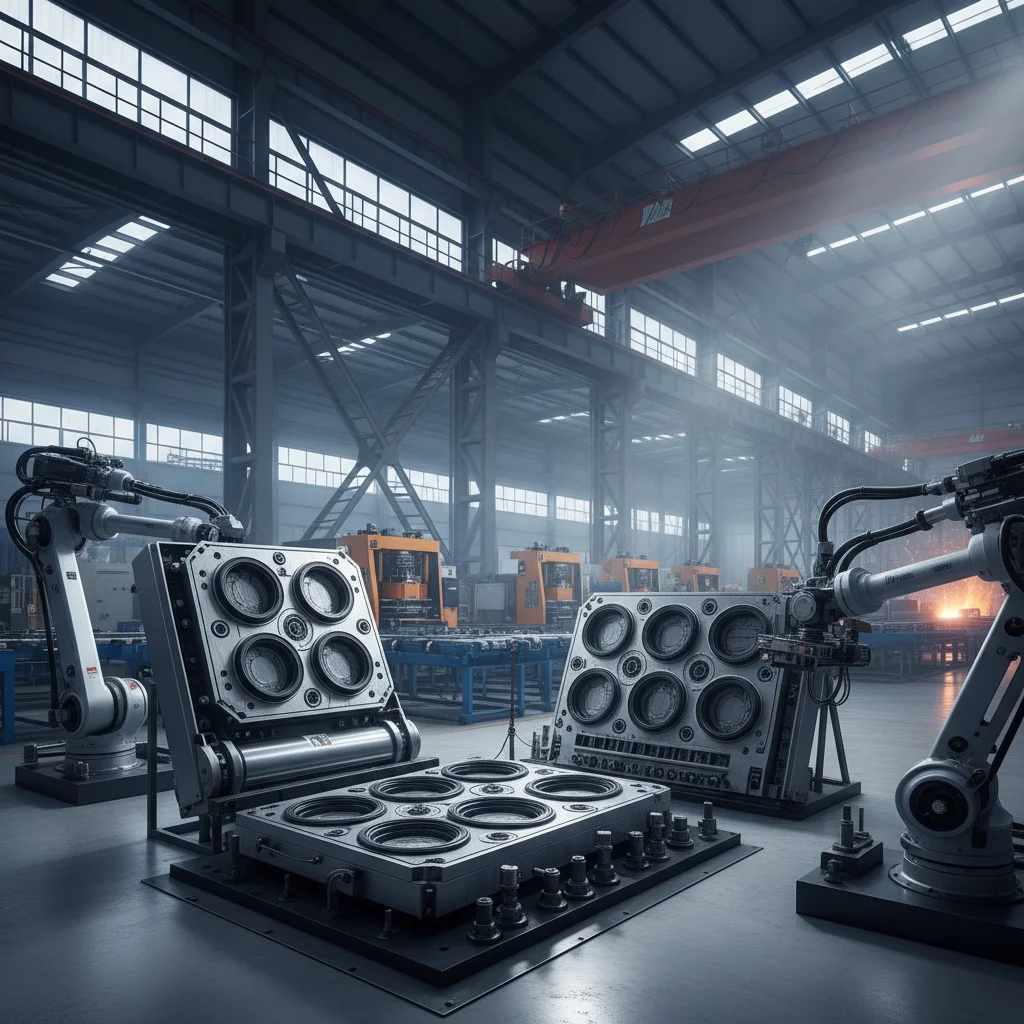
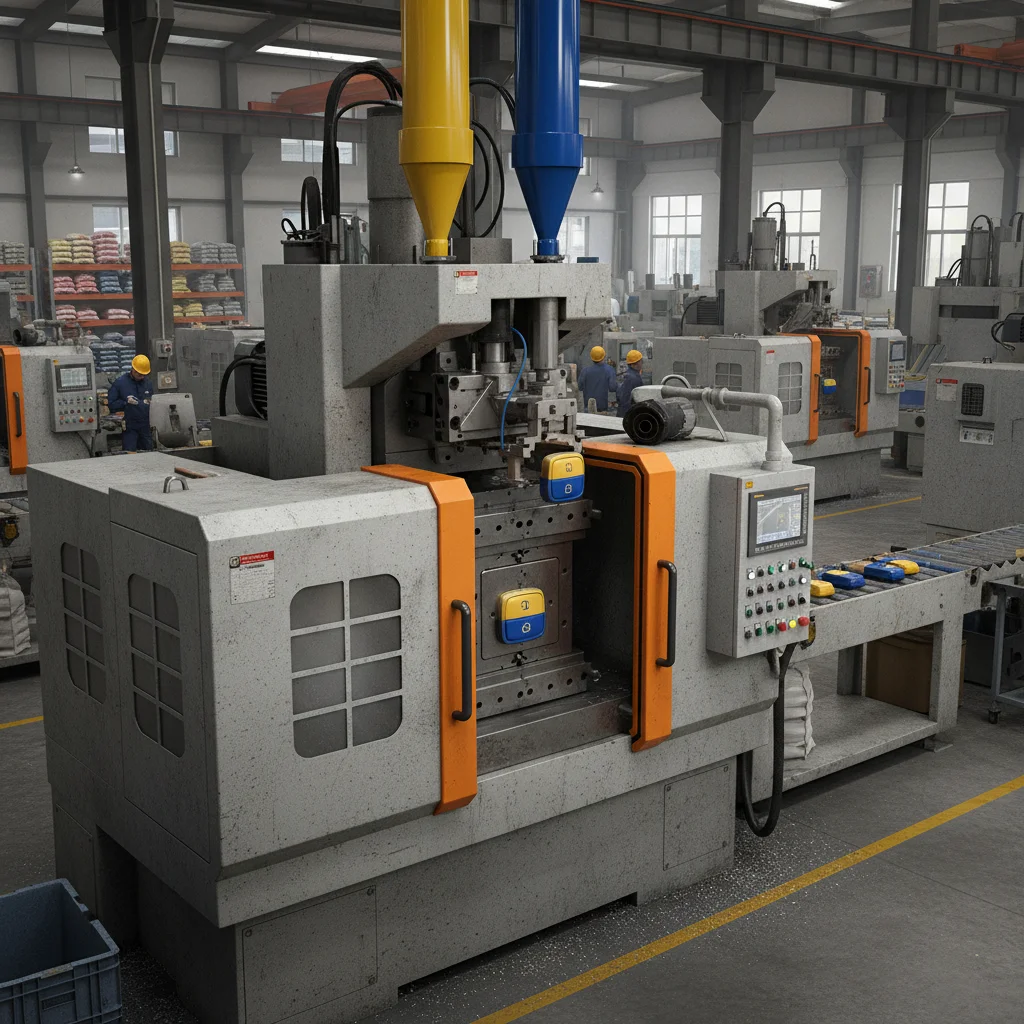
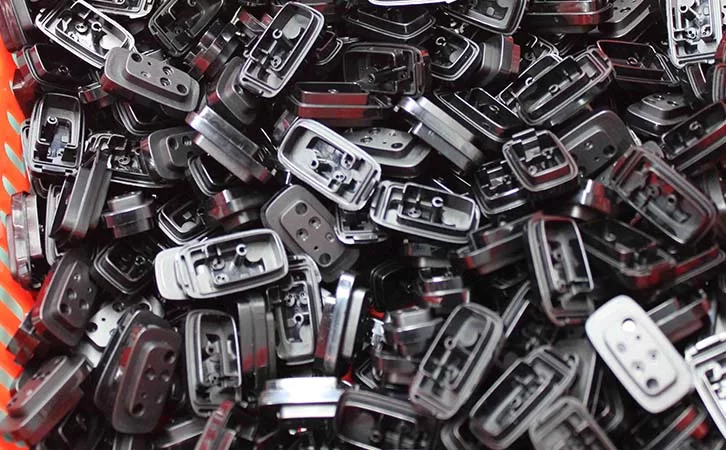
The demand for high-precision sealing solutions has surged globally, leading to the critical importance of the Liquid silicone waterproof mold. In industries ranging from medical devices to wearable electronics, the ability to create a seamless, airtight, and water-resistant barrier is not just a technical requirement but a safety imperative. By utilizing Liquid Injection Molding (LIM) technology, manufacturers can achieve intricate geometries that traditional rubber molding simply cannot match.
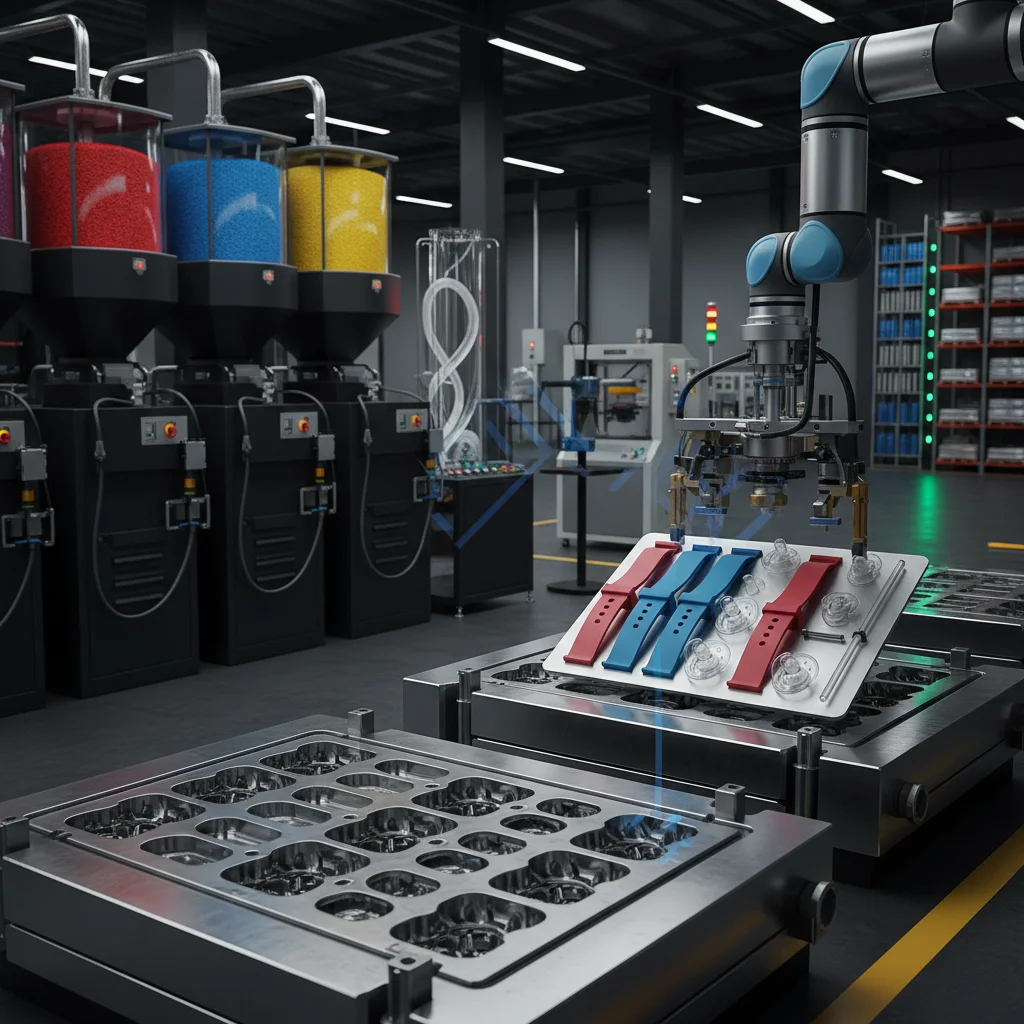
Understanding the nuances of a Liquid silicone waterproof mold is essential for engineers and product designers who aim to reduce failure rates in harsh environments. These molds allow for the precise dispensing of Low-Pressure Silicone Rubber (LSR), ensuring that every microscopic gap is filled and every seal is consistent. This level of precision is what separates a premium, durable product from one prone to premature leakage and environmental degradation.
From a commercial perspective, investing in high-quality mold design translates to lower scrap rates, faster cycle times, and enhanced product longevity. Whether it is for a life-saving medical ventilator component or a high-end consumer smartwatch, the Liquid silicone waterproof mold serves as the foundation for innovation, allowing brands to push the boundaries of what is possible in waterproof engineering.
On a global scale, the transition toward miniaturization in electronics and the stringent hygiene requirements in the medical sector have placed the Liquid silicone waterproof mold at the center of industrial evolution. According to ISO quality standards, the reliability of seals in medical-grade equipment is non-negotiable, as a single point of failure can lead to contamination or device malfunction. This has driven a massive shift from traditional compression molding to the more precise Liquid Silicone Rubber (LSR) injection process.
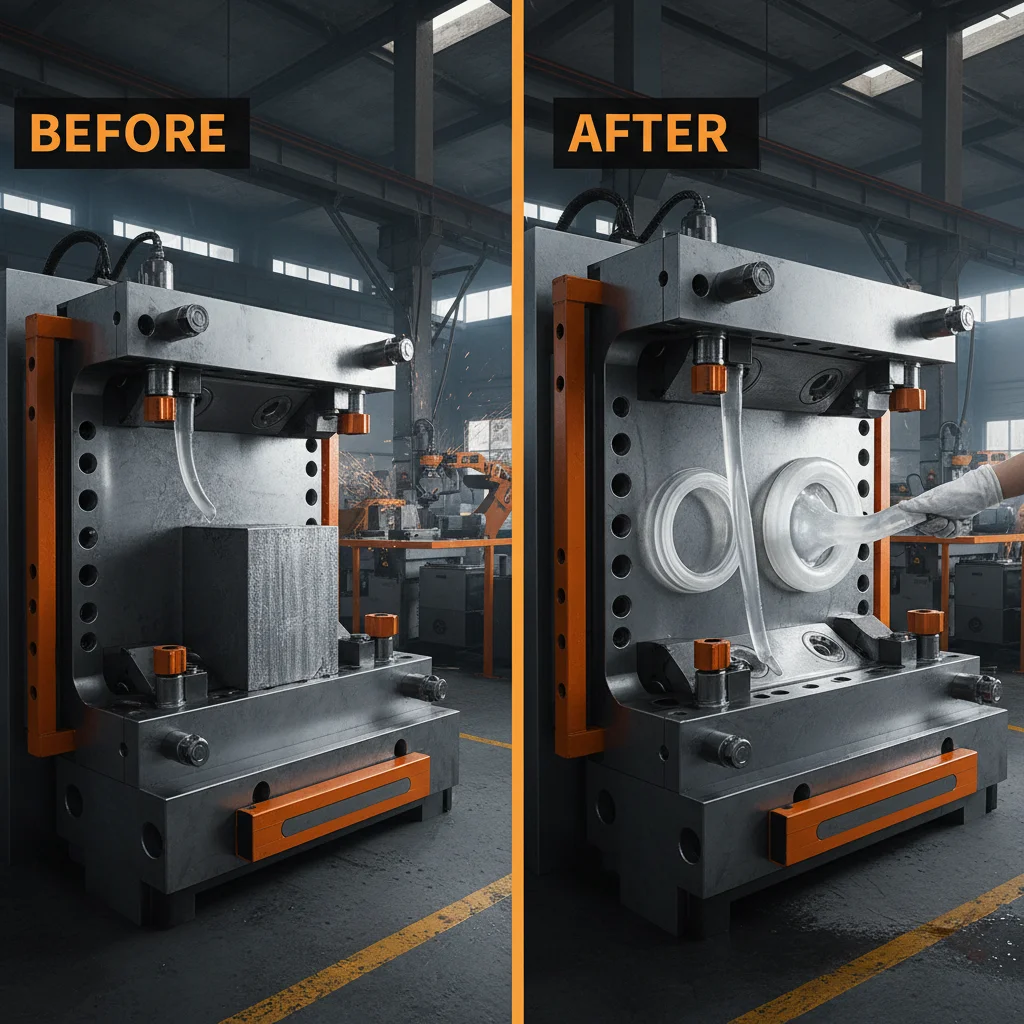
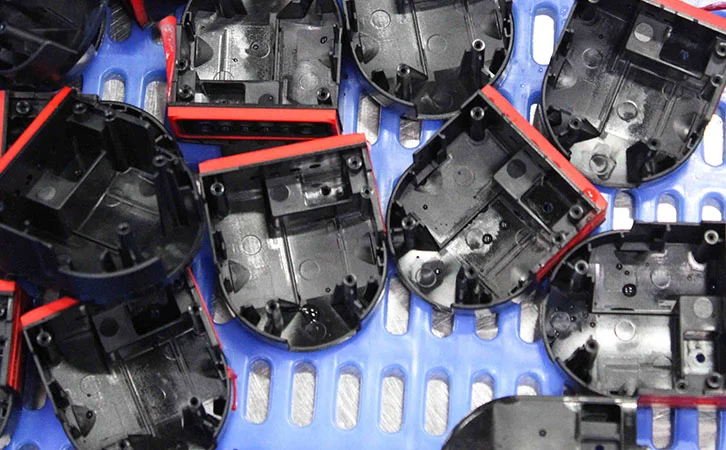
The primary challenge facing the industry has been the struggle to maintain waterproof integrity while reducing the overall footprint of the product. Traditional gaskets often fail due to thermal expansion or poor adhesion to the housing material. The Liquid silicone waterproof mold addresses this by allowing for "overmolding," where the silicone is chemically or mechanically bonded to a hard plastic substrate, creating a permanent, leak-proof seal that withstands extreme pressures and temperatures.
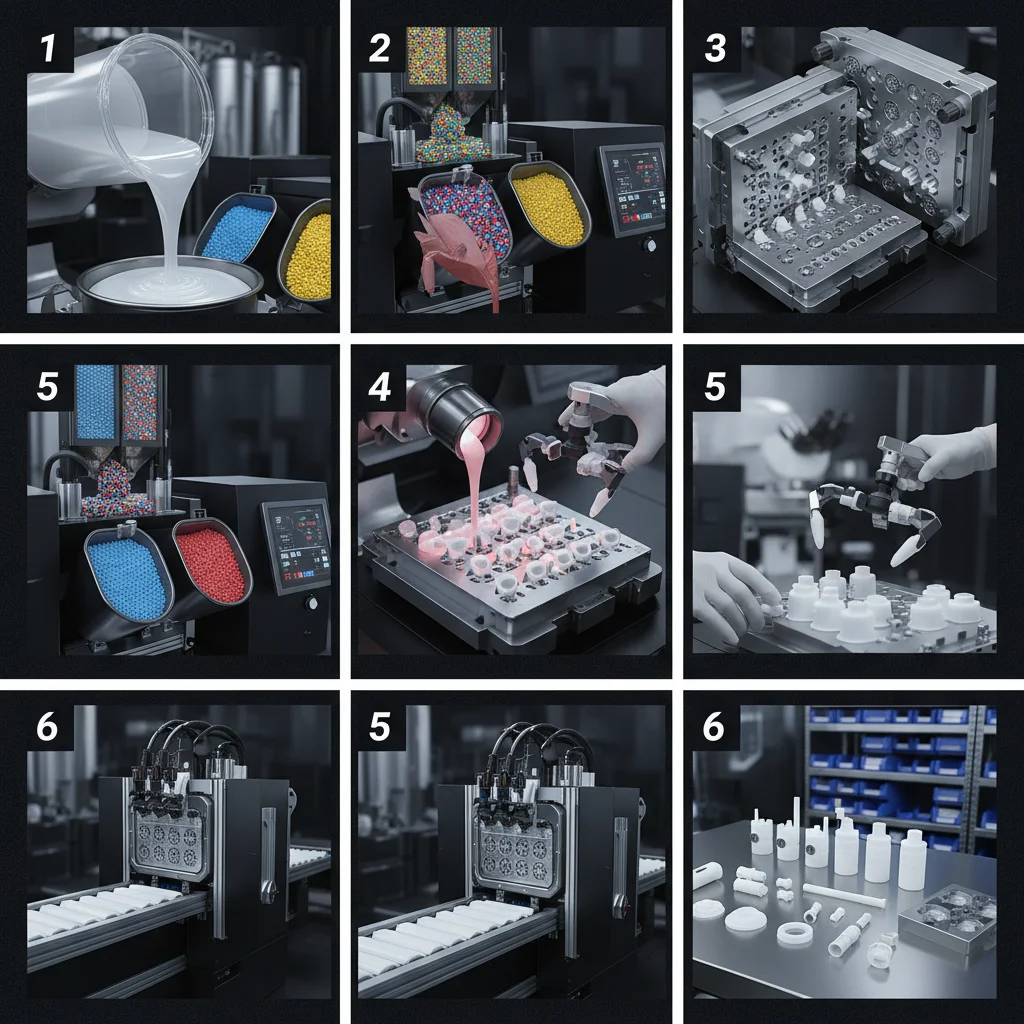
At its core, a Liquid silicone waterproof mold is a high-precision engineered tool designed to inject two-part liquid silicone rubber into a vacuum-sealed cavity. Unlike solid silicone rubber, which requires high pressure to force the material into the mold, liquid silicone flows easily, allowing it to fill complex, thin-walled sections that are critical for waterproof gaskets and seals.
This technology is fundamentally linked to modern humanitarian and industrial needs, specifically in the production of wearable health monitors and submersible industrial sensors. By ensuring a perfect hermetic seal, these molds protect sensitive circuitry from moisture, dust, and corrosive chemicals, thereby extending the lifespan of the equipment and reducing electronic waste globally.
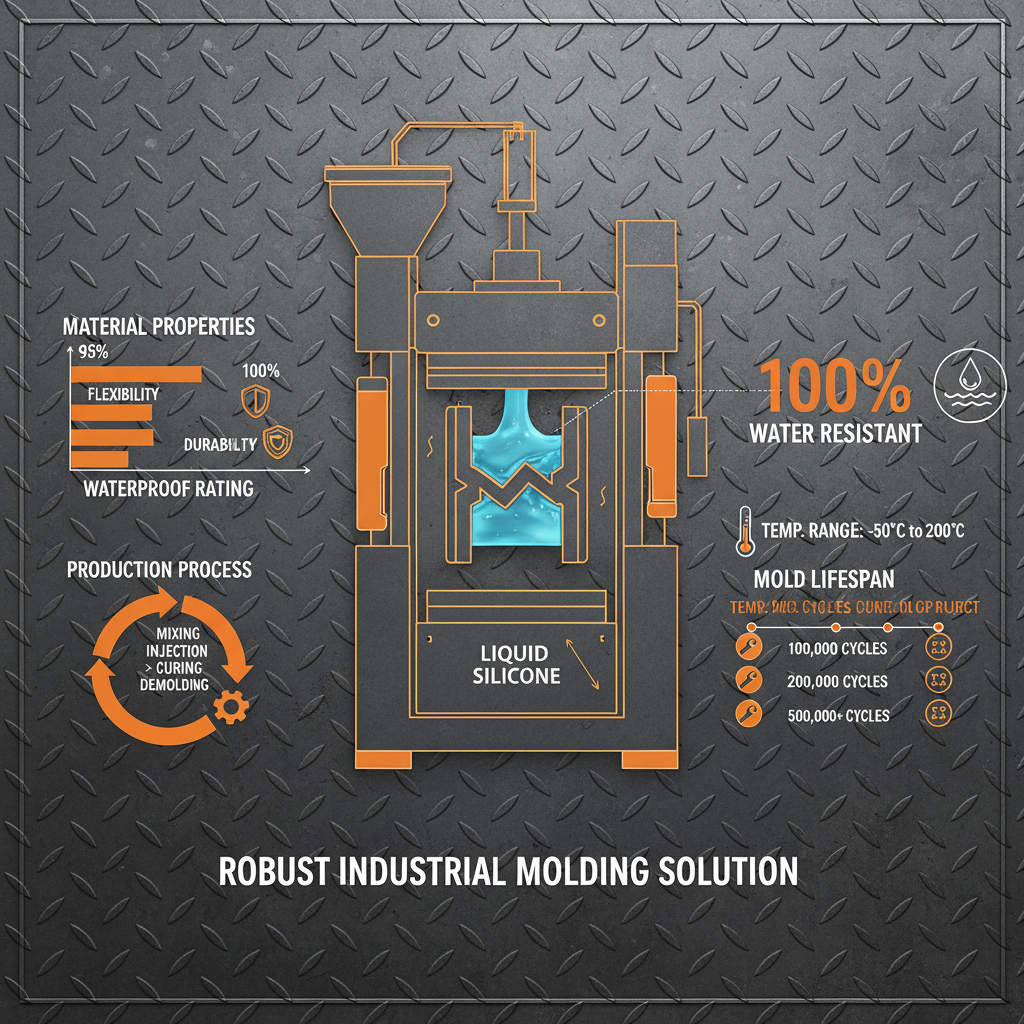
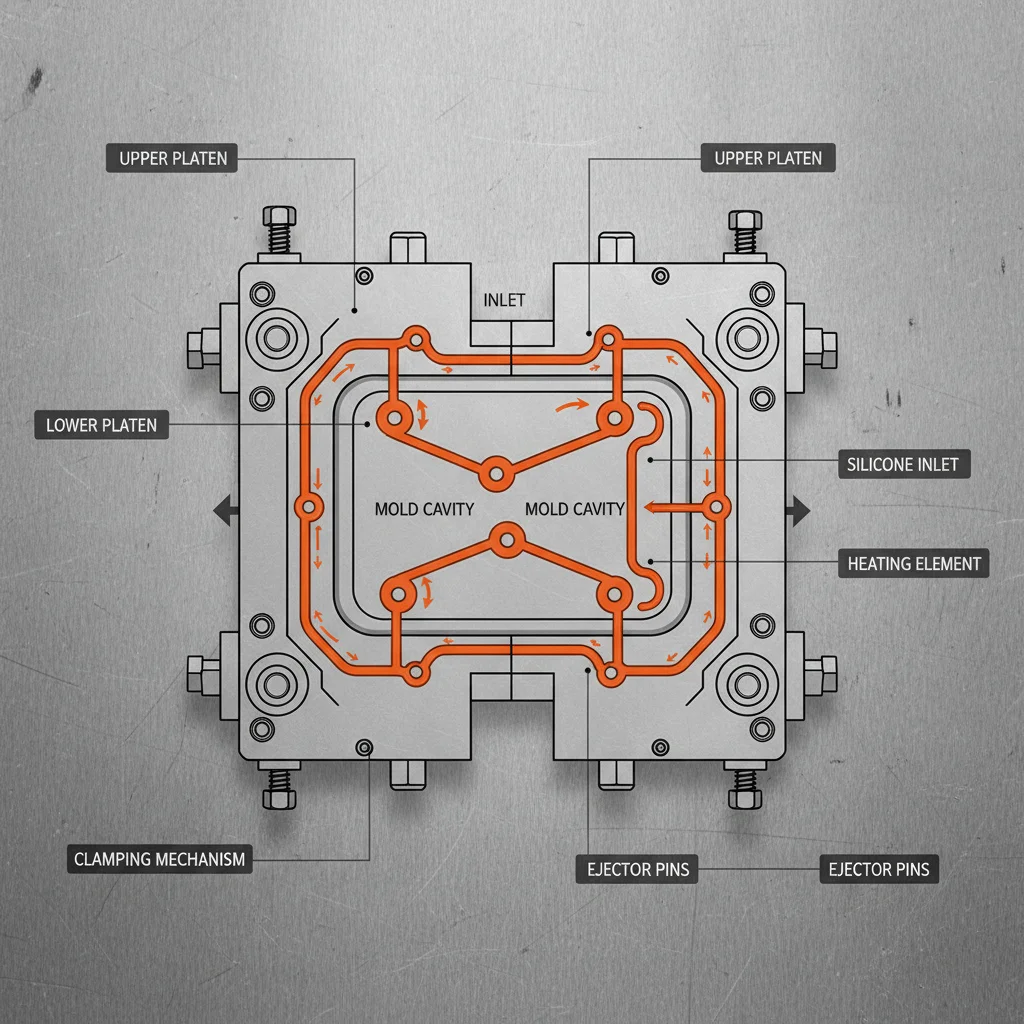
The process involves a sophisticated heating and cooling cycle. The mold is heated to trigger the vulcanization (curing) of the silicone, while the precision-machined surfaces ensure that the parting lines are virtually invisible. This prevents "flash" or excess material, which is often the leading cause of leakage in inferior waterproof products.
The effectiveness of a Liquid silicone waterproof mold depends heavily on its thermal management. Because LSR curing is an exothermic reaction, the mold must have an integrated cooling and heating system to ensure uniform temperature distribution, preventing internal stresses that could lead to warping or seal failure.
Surface finish and tolerance are the second pillar of performance. In waterproof applications, a tolerance of even a few microns can be the difference between an IP68 rating and a product failure. The use of high-grade stainless steel or treated alloys in the Liquid silicone waterproof mold ensures that the cavity remains stable over millions of cycles.
Lastly, the venting system within the mold is crucial. Air trapped in the cavity can create "bubbles" or voids in the silicone seal, which act as pathways for water penetration. Advanced vacuum venting in the mold design ensures that the silicone completely displaces the air, resulting in a dense, homogeneous waterproof barrier.
The application of the Liquid silicone waterproof mold spans across diverse sectors. In the medical field, it is used to create waterproof seals for surgical instruments and dialysis machines, where the silicone must be biocompatible and capable of withstanding repeated sterilization cycles. In North America and Europe, there is a significant trend toward using these molds for high-end wearable tech, such as dive computers and fitness trackers.
In industrial zones, such as offshore oil rigs or underwater mining operations, sensors must be completely isolated from saltwater. Here, the overmolding capabilities of the Liquid silicone waterproof mold are utilized to encase entire circuit boards in a protective silicone shell, providing a ruggedized solution that prevents corrosion and electrical shorts in the most extreme environments on Earth.
Investing in a high-quality Liquid silicone waterproof mold provides immense long-term value through waste reduction. Because LSR is injected with extreme precision, the amount of "sprue" or waste material is significantly lower than in traditional rubber molding. This efficiency not only lowers the cost per part but also reduces the environmental footprint of the manufacturing process.
Beyond the economics, there is a strong emotional and logical value in reliability. For a user of a medical device, a waterproof seal is a matter of trust and safety. For a company, it is a matter of brand reputation. The consistency provided by a professional Liquid silicone waterproof mold ensures that every product leaving the factory meets the same high standard, eliminating the anxiety of costly recalls and product failures.
The future of the Liquid silicone waterproof mold is being shaped by the integration of Industry 4.0. Smart molds equipped with embedded sensors can now monitor real-time pressure and temperature inside the cavity, automatically adjusting the injection speed to compensate for material variations. This level of automation ensures near-zero defect rates.
Furthermore, there is a shift toward "Green Silicone" materials that are more easily recyclable. Designers are now creating molds that facilitate the separation of the silicone seal from the plastic housing at the end of the product's life, promoting a circular economy without sacrificing the initial waterproof performance.
Digital twin technology is also playing a role. Before a physical Liquid silicone waterproof mold is even machined, engineers use advanced flow simulation software to predict exactly how the liquid silicone will fill the cavity, identifying potential air traps and optimizing the gate positions for maximum efficiency.
One of the most common challenges in using a Liquid silicone waterproof mold is the occurrence of "air traps," which result in small voids in the finished seal. Expert mold designers solve this by implementing complex vacuum systems that evacuate the cavity before the silicone is injected, ensuring a 100% dense part.
Another hurdle is the adhesion between the silicone and the substrate in overmolding. If the bond is weak, water can seep between the two materials. The solution lies in the precise application of chemical primers or the use of plasma treatment on the plastic part before it is placed into the mold, creating a molecular bond that is as strong as the silicone itself.
Finally, the wear and tear of the mold surface can lead to increased flashing over time. To combat this, industry leaders utilize PVD (Physical Vapor Deposition) coatings on the mold internals, which increases hardness and reduces friction, extending the life of the Liquid silicone waterproof mold and maintaining tight tolerances over millions of shots.
| Design Dimension | Impact on Waterproofing | Recommended Tolerance | Optimization Level |
|---|---|---|---|
| Cavity Surface Finish | Prevents micro-leaks at parting lines | Ra < 0.4 μm | High (9/10) |
| Venting Efficiency | Eliminates air voids in seal | Vacuum < 50mbar | Critical (10/10) |
| Thermal Uniformity | Prevents warping and shrinkage | ± 2°C variation | Medium (7/10) |
| Gate Positioning | Ensures complete fill of thin walls | Optimized via Flow Sim | High (8/10) |
| Clamping Pressure | Reduces flash and leakage paths | Constant 50-100 Tons | Medium (6/10) |
| Material Viscosity | Affects flow into tight gaps | Specified by LSR Grade | High (9/10) |
Liquid silicone molds use LSR, which has a much lower viscosity than solid rubber. This allows the material to flow into extremely thin and complex geometries with far higher precision, ensuring a tighter, more reliable waterproof seal. Additionally, the automated injection process significantly reduces human error and part-to-part variation.
This is achieved through a process called LSR overmolding. By using specific adhesive primers or plasma surface treatments on the plastic substrate, the silicone forms a chemical bond with the plastic. When combined with a precision-engineered Liquid silicone waterproof mold, this creates a seamless transition that prevents water from penetrating the interface.
Yes, absolutely. Liquid silicone rubber is widely used in medical applications due to its biocompatibility and ability to withstand autoclaving. A high-quality Liquid silicone waterproof mold ensures that medical devices are completely sealed against fluids and contaminants, meeting stringent ISO and FDA requirements.
Depending on the material used for the mold (such as high-grade hardened steel) and the maintenance schedule, a professional mold can produce millions of parts. Using PVD coatings and regular cleaning helps maintain the precision of the parting lines, which is critical for maintaining the waterproof integrity of the parts.
The most common causes are air traps (voids) during the molding process and "flash" (excess material) at the parting lines. Both create microscopic pathways for water to enter. These are solved by implementing high-vacuum venting and ensuring the mold plates are machined to micron-level flatness.
While the initial cost of a Liquid silicone waterproof mold is higher than compression molding, the cost per part is much lower for medium to large volumes due to faster cycle times and minimal waste. For very small batches, rapid prototyping molds can be used to validate the waterproof design before committing to high-volume steel tooling.
In summary, the Liquid silicone waterproof mold is an indispensable tool for modern manufacturing, bridging the gap between complex design and reliable performance. By mastering the interplay of thermal management, surface precision, and vacuum venting, manufacturers can produce seals that protect critical electronics and medical devices from the harshest environments. The shift toward LSR overmolding not only enhances product durability but also contributes to a more sustainable industrial ecosystem through waste reduction and increased product longevity.
Looking forward, the integration of AI-driven mold monitoring and eco-friendly silicone materials will further refine the capabilities of waterproof engineering. For companies seeking to elevate their product quality and ensure absolute waterproof reliability, investing in professional mold design is no longer optional—it is a competitive necessity. We invite you to explore our advanced molding solutions to bring your most ambitious waterproof designs to life. Visit our website: www.ytlsrmold.com
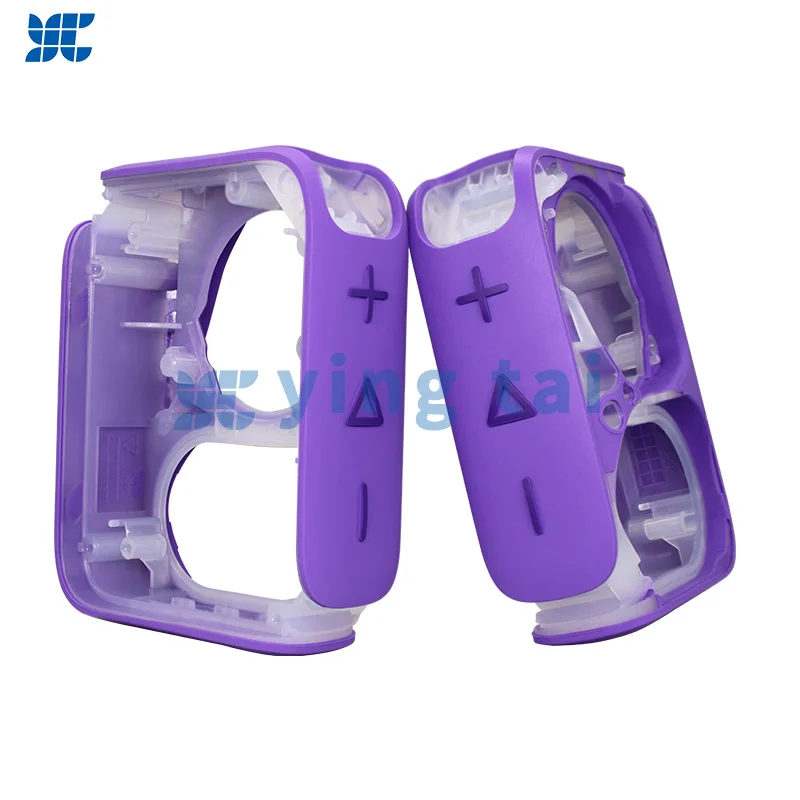
The portable desktop speaker case is made of liquid silicone wrapped around a plastic frame, which is dustproof, waterproof, easy to clean, anti slip and anti drop
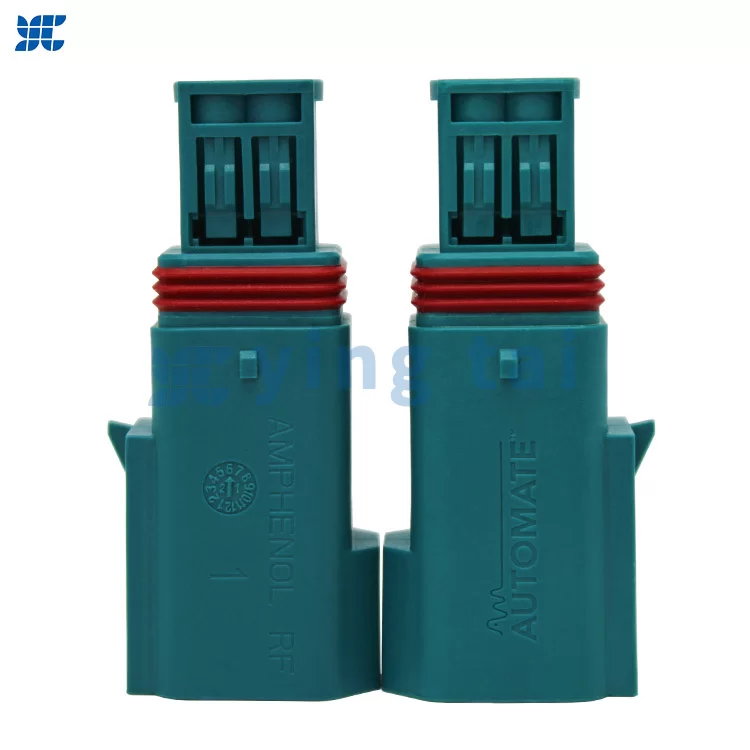
The functional performance improvement of liquid silicone coating on other materials such as plastic, metal, ceramics, etc.: waterproof, dustproof, shock-absorbing, and anti slip.
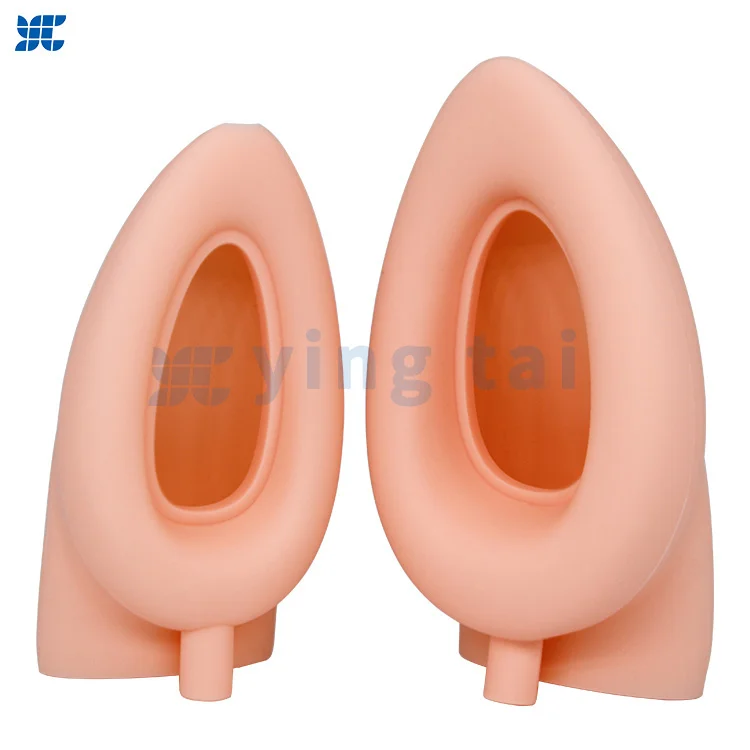
Silicone laryngeal mask, flexible and well sealed, with less stimulation, providing comfortable and safe ventilation guarantee.