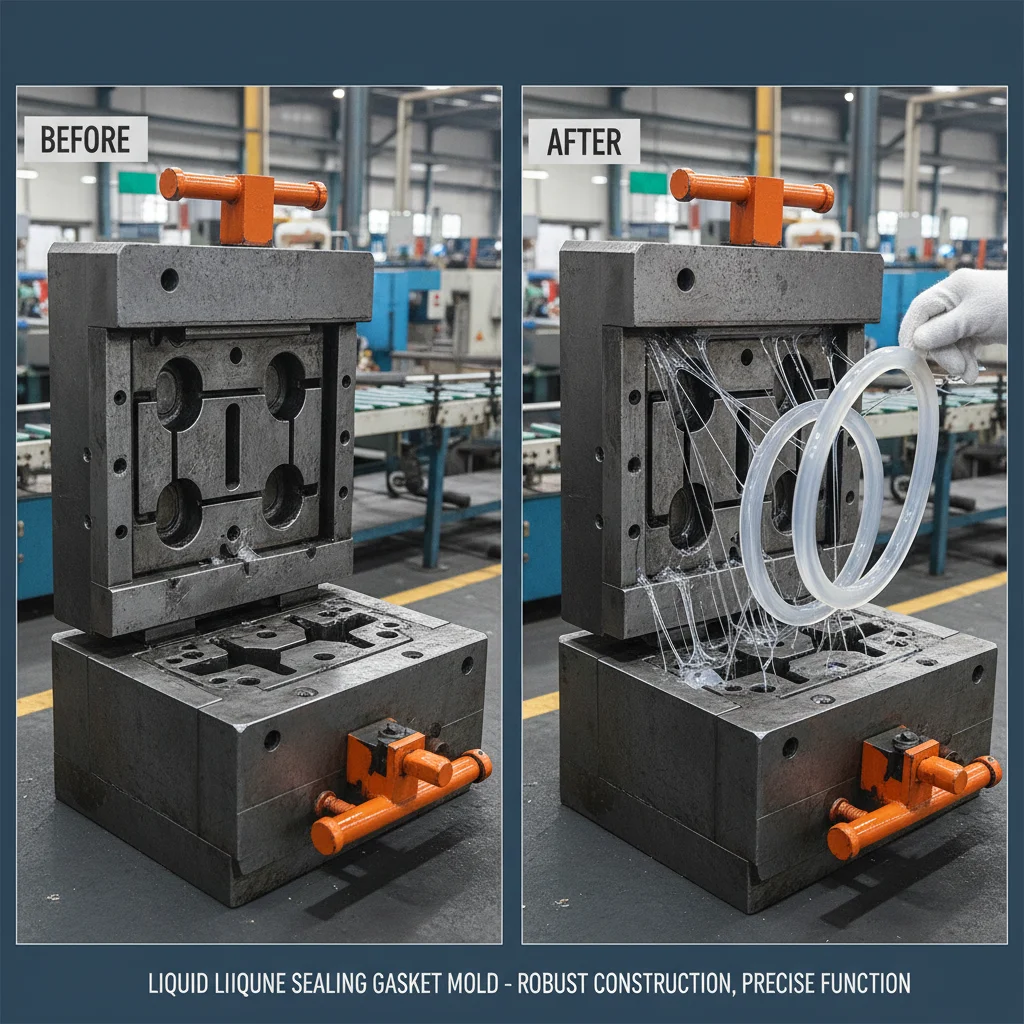
The demand for high-performance sealing solutions has surged globally, placing a significant emphasis on the precision of the Liquid silicone waterproof product mold. As electronics become more compact and medical devices more sophisticated, the ability to create airtight, watertight, and biocompatible seals is no longer a luxury but a critical requirement for product safety and longevity.
Understanding the intricacies of liquid silicone rubber (LSR) molding is essential for engineers and designers who aim to eliminate leakage and protect sensitive internal components from environmental hazards. A high-quality Liquid silicone waterproof product mold ensures consistent wall thickness and precise tolerances, which are the bedrock of effective waterproof certification like IP67 or IP68.
By integrating advanced thermal management and vacuum systems, modern molding processes allow for the creation of complex geometries that were previously impossible. This guide explores how the right approach to liquid silicone waterproof product mold design can reduce waste, accelerate time-to-market, and enhance the overall reliability of finished industrial and consumer products.
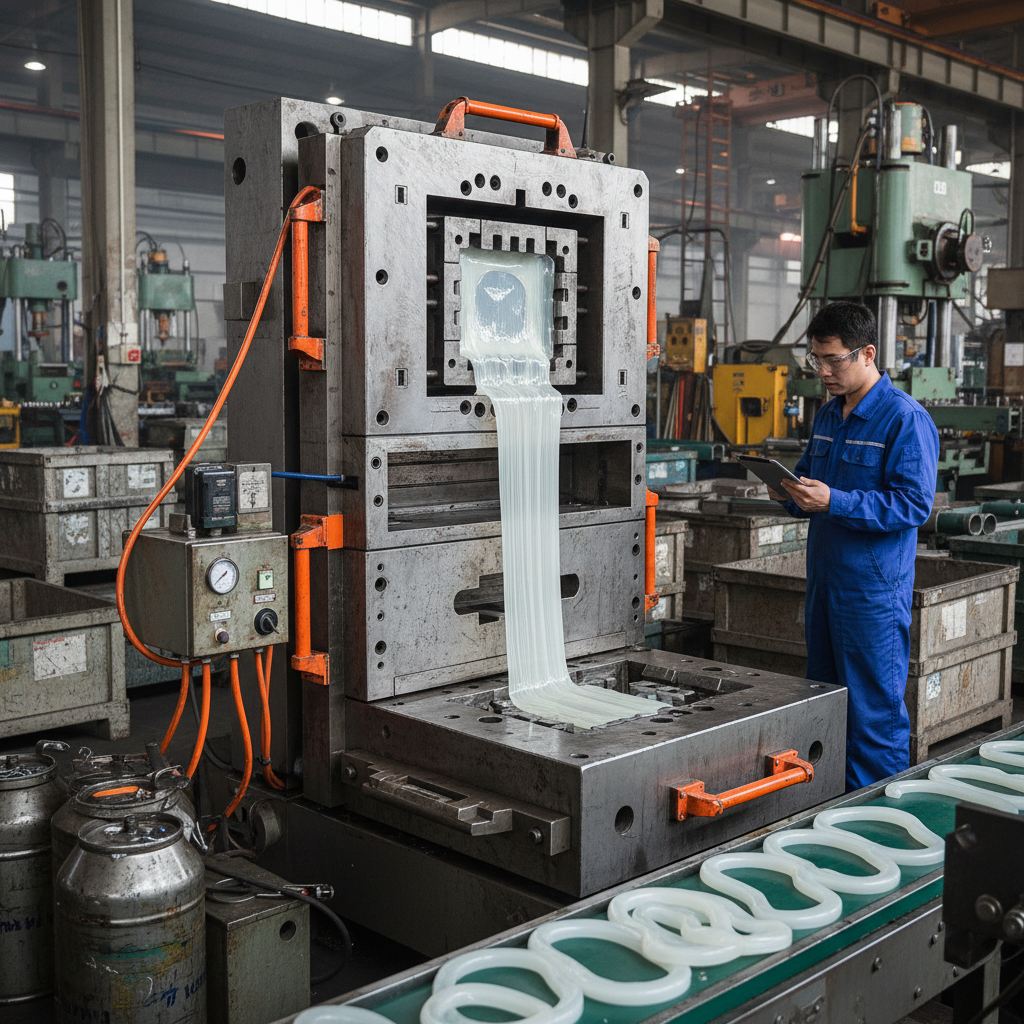
In the current industrial landscape, the precision of a Liquid silicone waterproof product mold is pivotal for sectors ranging from wearable health tech to automotive sensors. With the proliferation of IoT devices, the need for robust ingress protection has grown exponentially. ISO standards for waterproof ratings have pushed manufacturers to move away from traditional gaskets toward LSR (Liquid Silicone Rubber) injection molding due to its superior sealing capabilities and material purity.
The global shift toward "ruggedized" electronics—devices that can survive extreme depths or harsh chemical environments—has made the optimization of these molds a competitive necessity. When a mold is engineered with precise gating and venting, it eliminates air traps and weld lines, which are the primary failure points in waterproof products. Consequently, the investment in high-end mold metallurgy and CNC precision directly correlates to a reduction in field failure rates.
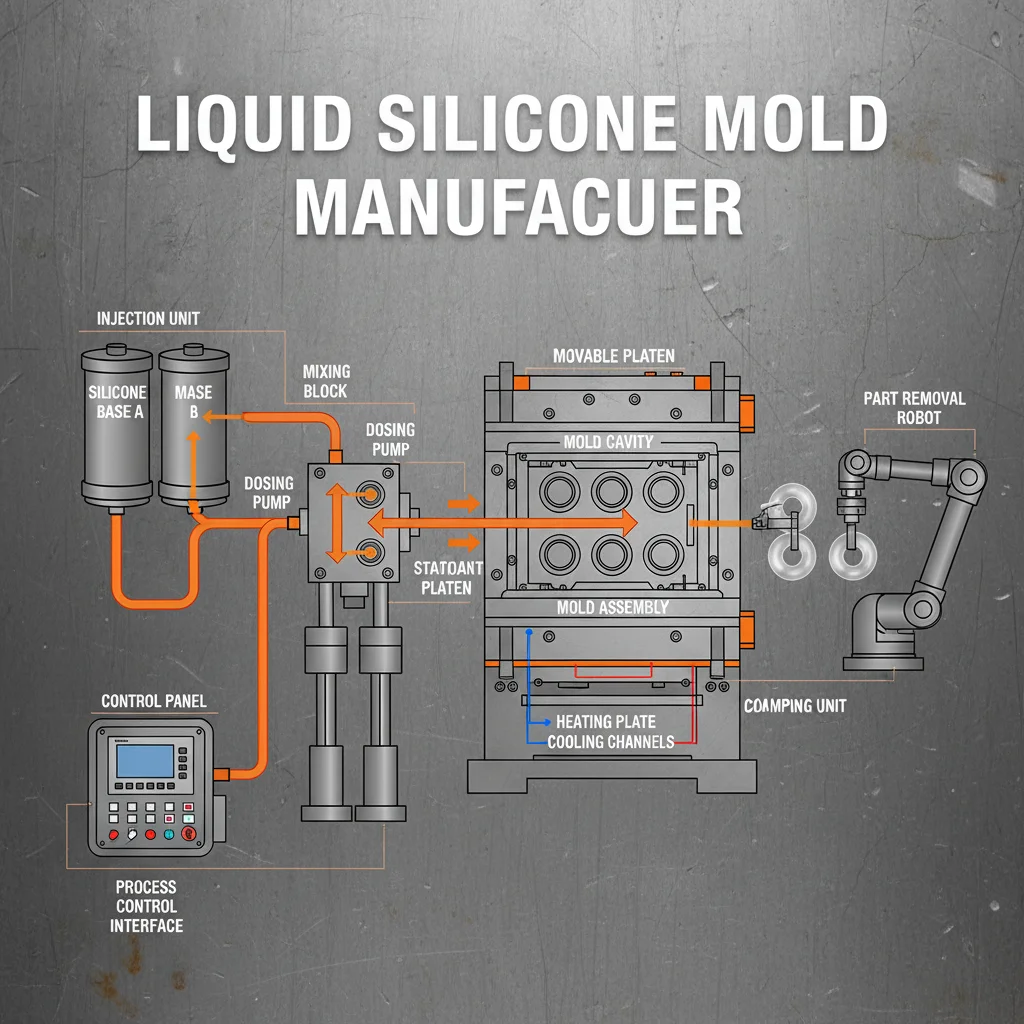
At its core, a Liquid silicone waterproof product mold is a high-precision tool designed to inject two-part liquid silicone rubber into a closed cavity under heat and pressure. Unlike traditional compression molding, this process utilizes a cold runner system to deliver the material, ensuring that the silicone reaches every corner of the cavity without premature curing, which is essential for maintaining a perfect waterproof seal.
This process is deeply connected to modern humanitarian and medical needs, particularly in the production of ventilators, dialysis components, and wearable medical monitors. These devices require seals that are not only waterproof but also biocompatible and capable of withstanding repeated sterilization cycles (autoclaving). The mold must therefore be crafted from medical-grade stainless steel or specialized alloys to prevent corrosion and contamination.
From a technical perspective, the "waterproof" aspect is achieved through the mold's ability to create an airtight interface. By controlling the shrinkage rate of the LSR during the cooling phase, the Liquid silicone waterproof product mold ensures that the finished part maintains a compressive force against the mating surface, effectively blocking water molecules from penetrating the device.
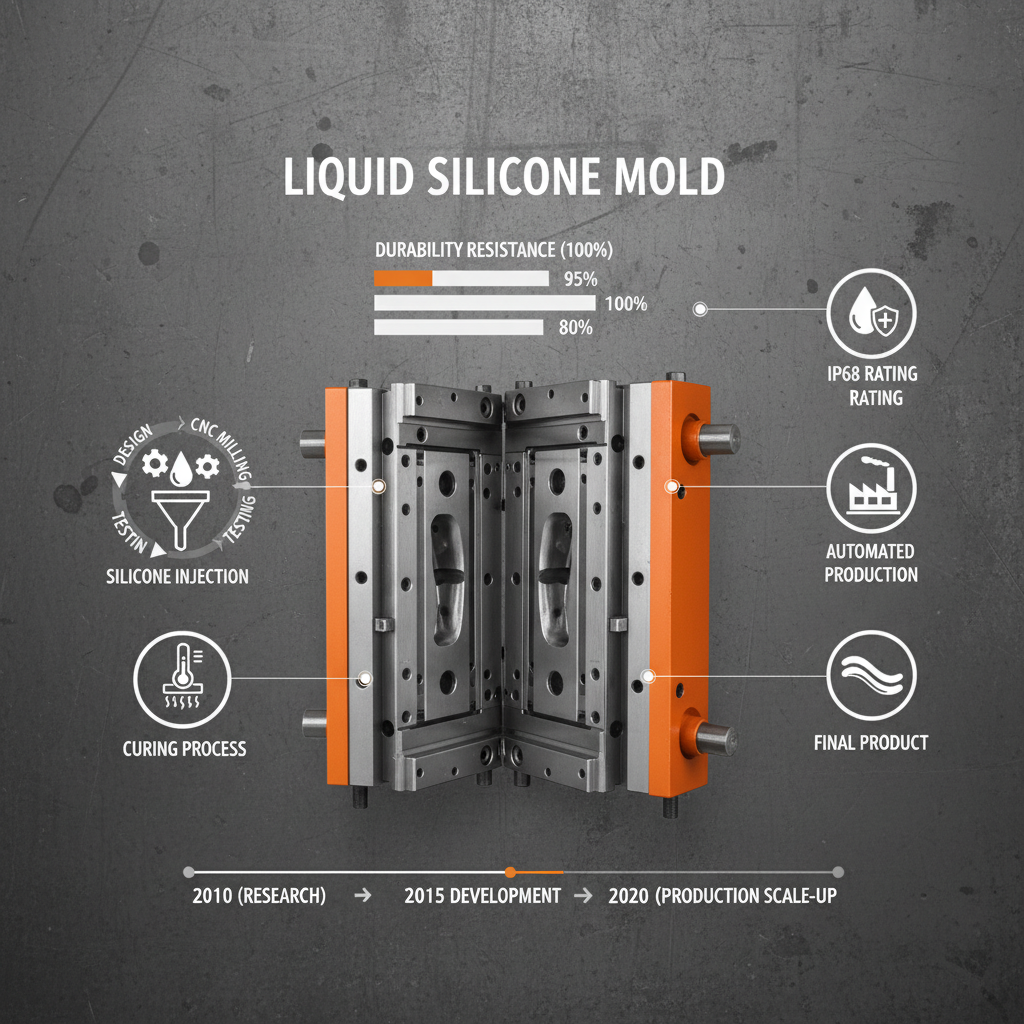
The durability of a Liquid silicone waterproof product mold begins with the selection of mold steel. High-grade H13 or stainless steel is typically used to withstand the high temperatures required for vulcanization. Proper heat treatment ensures that the mold does not warp over thousands of cycles, maintaining the tight tolerances required for waterproof seals.
Scalability is managed through the implementation of multi-cavity designs. A sophisticated Liquid silicone waterproof product mold must distribute the liquid silicone evenly across all cavities to avoid pressure drops. This requires an expert understanding of fluid dynamics and the use of balanced runner systems to ensure every part produced is identical in weight and dimensions.
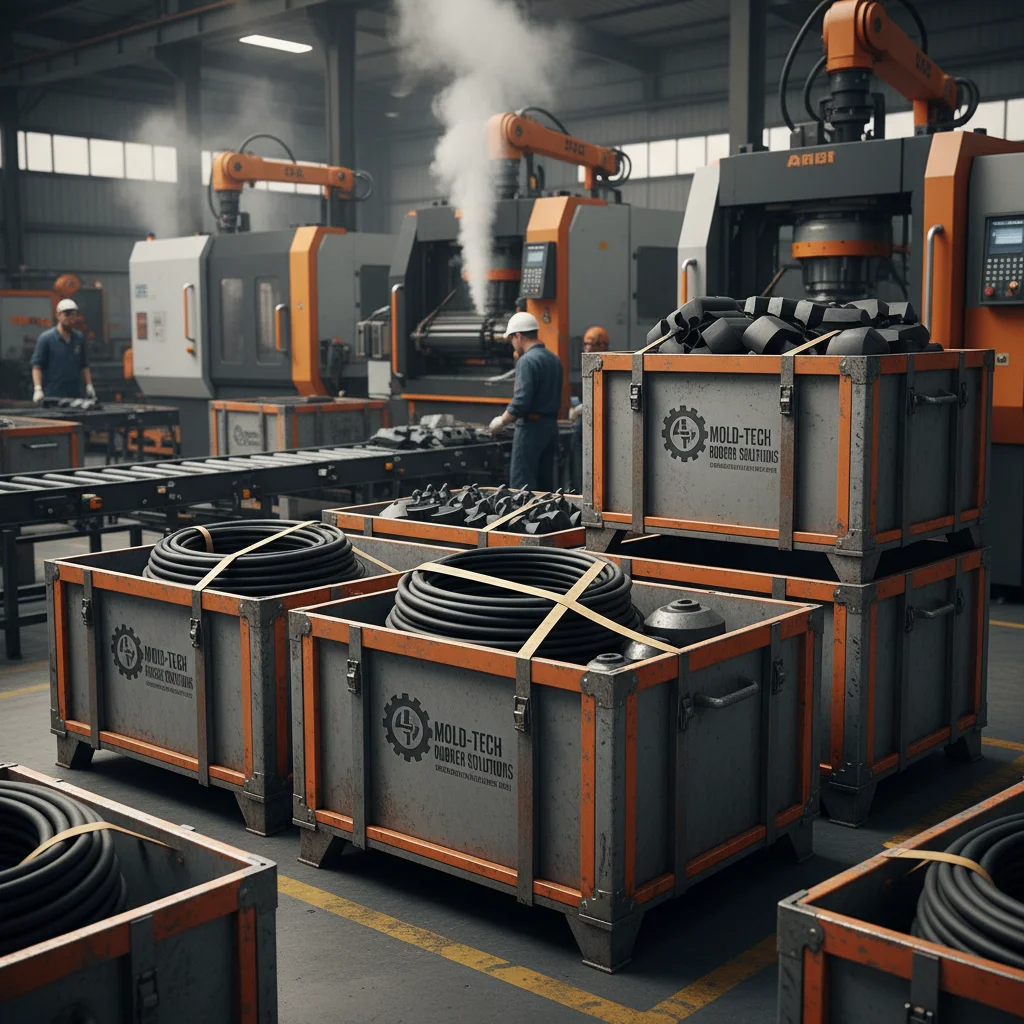
Cost efficiency is achieved by reducing material waste through the use of "cold runner" technology. By keeping the silicone in the delivery channels cool, it does not cure until it enters the heated cavity. This not only reduces the amount of scrap silicone but also shortens the cycle time, making the Liquid silicone waterproof product mold more economical for mass production.
Achieving a true waterproof seal depends on the synergy between the material properties and the mold's physical geometry. In a Liquid silicone waterproof product mold, the "flash" (excess material) must be kept to an absolute minimum. Excessive flash can create gaps in the assembly, providing a path for water to enter the device, whereas a clean parting line ensures a seamless fit.
Furthermore, the ventilation system within the mold is critical. Trapped air can create micro-bubbles or "voids" within the silicone wall. While these may be invisible to the naked eye, they represent structural weaknesses that can fail under pressure, compromising the waterproof integrity of the finished product.
The application of a Liquid silicone waterproof product mold is vast, particularly in the medical sector where "liquid-tight" is a matter of life and death. In Europe and North America, these molds are used to create seals for wearable insulin pumps and heart monitors, where the device must be entirely waterproof to allow patients to shower or swim without risking electrical failure.
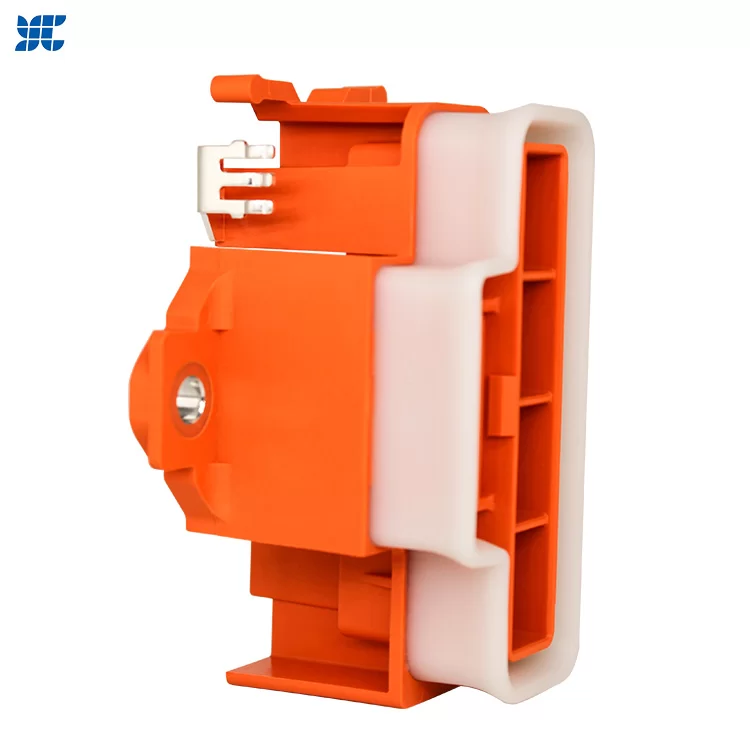
In industrial zones, such as the automotive hubs of Germany and Japan, these molds are utilized to produce waterproof housings for Engine Control Units (ECUs) and battery management systems for EVs. By overmolding LSR onto plastic substrates, manufacturers create a permanent, seamless waterproof barrier that protects critical circuitry from road salt, moisture, and vibration.
Investing in a high-quality Liquid silicone waterproof product mold provides tangible long-term value through reduced warranty claims. When a waterproof seal fails, the entire device is often scrapped. By ensuring a perfect seal at the molding stage, companies drastically reduce electronic waste and increase the lifespan of their products, aligning with global sustainability goals.
From an emotional standpoint, the reliability of a waterproof seal builds profound trust between the brand and the consumer. Whether it is a diver's watch or a medical implant, the "peace of mind" that comes from a fail-safe seal is a powerful market differentiator. This reliability transforms a simple component into a promise of safety and durability.
Furthermore, LSR is more environmentally friendly than many PVC-based alternatives. The efficiency of the Liquid silicone waterproof product mold reduces the carbon footprint of the manufacturing process by minimizing material waste and energy consumption during the curing phase.
The future of the Liquid silicone waterproof product mold is being shaped by the integration of Industry 4.0. Smart molds equipped with embedded sensors can now monitor cavity pressure and temperature in real-time. This allows for autonomous adjustments to the injection speed, ensuring that every single part meets the waterproof specification without manual intervention.
Digital transformation is also bringing 3D-printed mold inserts into the fold. This allows engineers to prototype a Liquid silicone waterproof product mold and test its waterproof capabilities in a matter of days rather than weeks. This agility is crucial for the fast-paced consumer electronics market.
Additionally, there is a move toward "bio-silicones" and more recyclable LSR blends. Future molds will be designed to accommodate these new materials, which maintain the same waterproof properties but offer an even lower environmental impact.
| Mold Material | Waterproof Tolerance | Cycle Life (Cycles) | Performance Score |
|---|---|---|---|
| Standard P20 Steel | ± 0.05mm | 50,000 | 6/10 |
| Hardened H13 Steel | ± 0.02mm | 200,000 | 8/10 |
| Stainless Steel 420 | ± 0.01mm | 500,000 | 9/10 |
| Tungsten Carbide | ± 0.005mm | 1,000,000+ | 10/10 |
| Aluminum Alloy (Proto) | ± 0.1mm | 5,000 | 4/10 |
| Beryllium Copper Inserts | ± 0.02mm | 150,000 | 7/10 |
While all LSR molds use liquid silicone, a Liquid silicone waterproof product mold is specifically engineered with tighter tolerances, superior surface finishes, and advanced venting systems to ensure there are no micro-voids or flash. These details are critical because even a microscopic gap can lead to water ingress, causing the product to fail IP-rating tests.
To achieve IP68, your Liquid silicone waterproof product mold must ensure a perfectly consistent seal. This involves optimizing the compression ratio of the silicone part, using high-precision CNC machining for the cavity, and implementing a vacuum-assisted injection process to eliminate all internal air bubbles that could compromise the seal under pressure.
Yes, absolutely. In fact, LSR is the preferred material for medical devices. To make a Liquid silicone waterproof product mold medical-grade, we use corrosion-resistant stainless steel and ensure the mold is designed for easy cleaning and sterilization, preventing any contamination from the tooling entering the biocompatible silicone.
Leakage is usually caused by three factors: poor mold parting lines (creating flash), internal voids from trapped air, or incorrect shrinkage calculations. A professional Liquid silicone waterproof product mold solves these by using precision-ground mating surfaces, vacuum venting, and empirical data to set exact shrinkage offsets.
Overmolding using a Liquid silicone waterproof product mold is generally superior because it creates a chemical and mechanical bond between the silicone and the substrate. This eliminates the "interface gap" found in traditional gaskets, providing a more reliable, permanent seal that is far less likely to leak over time.
Depending on the material, a high-end Liquid silicone waterproof product mold made from hardened H13 or stainless steel can last from 200,000 to over 1 million cycles. Regular maintenance and the use of proper release agents help maintain the surface finish and dimensional accuracy over the mold's lifespan.
The precision of a Liquid silicone waterproof product mold is the invisible line between a product's success and its failure in the field. From the selection of high-grade tool steel to the implementation of vacuum-assisted injection, every technical detail contributes to the final seal's integrity. By focusing on durability, scalability, and strict tolerance control, manufacturers can produce components that protect sensitive electronics and medical devices from the harshest environments.
As we move toward an era of smarter, more ruggedized technology, the role of advanced LSR molding will only grow. Companies that invest in precision tooling today will find themselves better positioned to meet the rigorous demands of tomorrow's IP-rated products. We invite you to leverage our expertise in liquid silicone solutions to ensure your products remain watertight and reliable. Visit our website: www.ytlsrmold.com
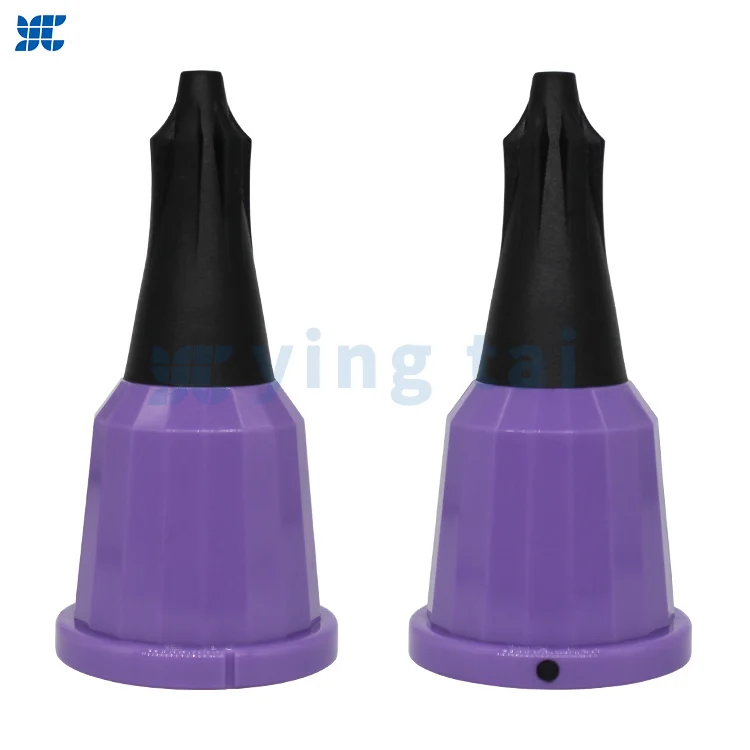
Welcome to process and produce plastic parts, liquid silicone parts, silicone seals, etc.
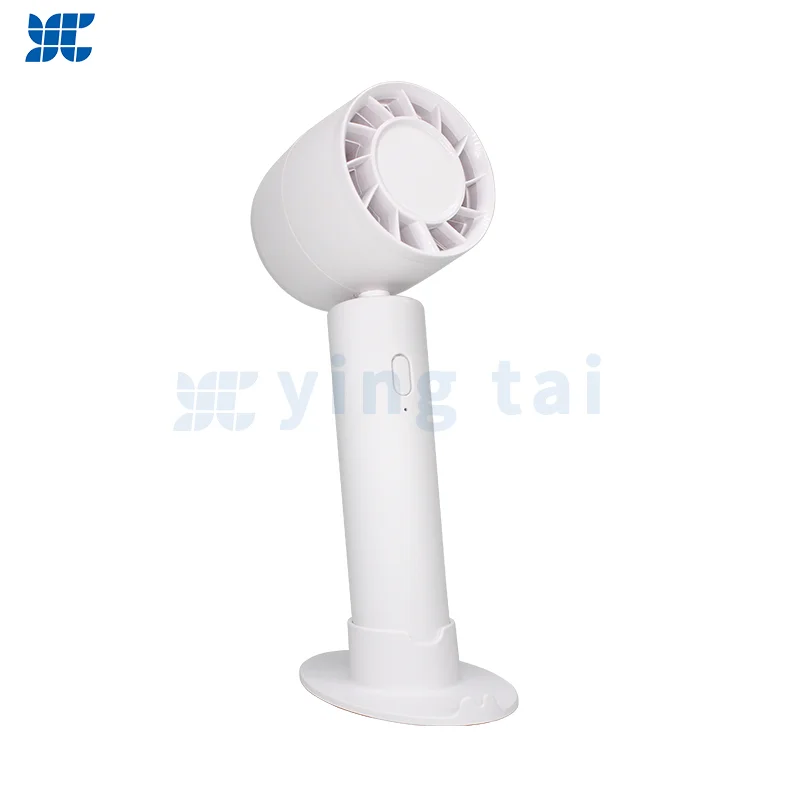
The desktop small fan can flexibly turn up, down, left, and right, adjust the wind speed in multiple gears, and charge via USB interface.
Yingtai Factory provides integrated services from product development, mold design and production, raw material procurement, etc.
Welcome to customize with drawings and samples.