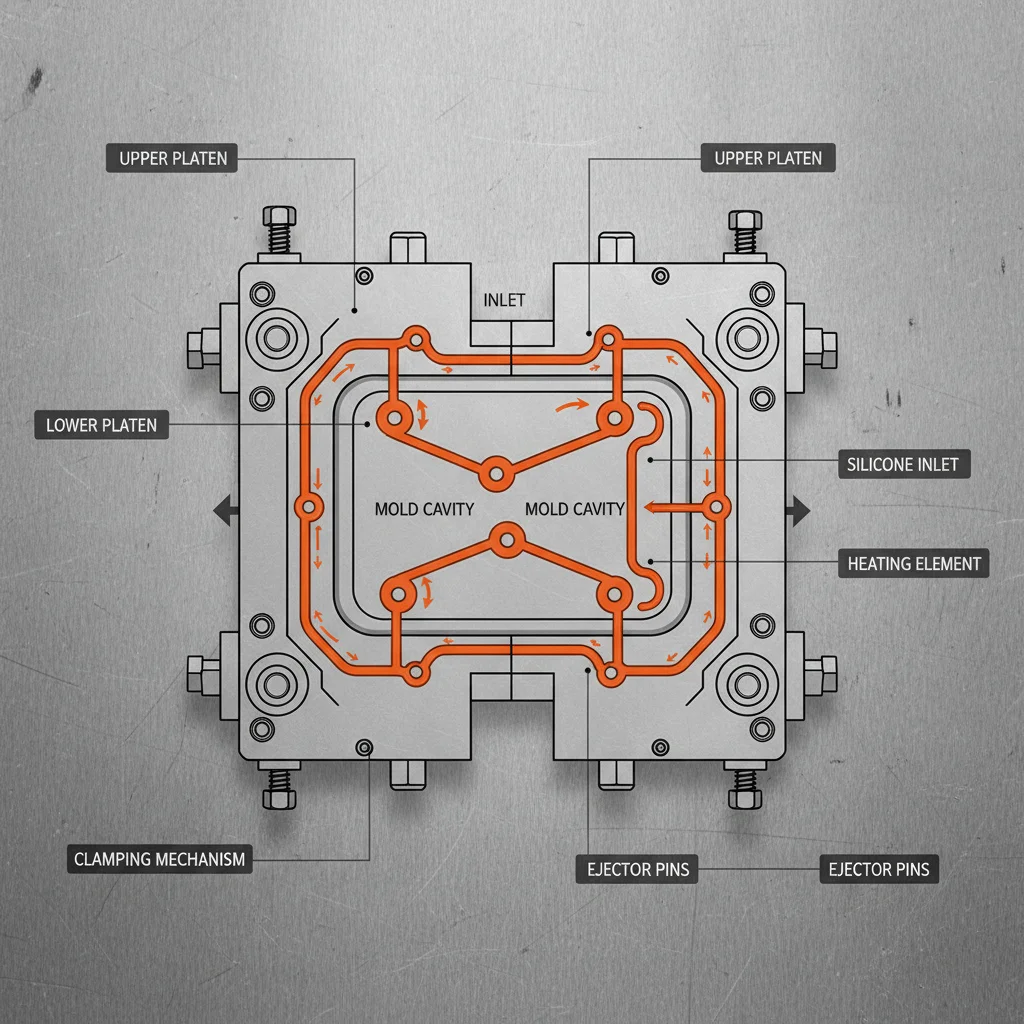
In the high-precision world of modern manufacturing, the quest for absolute sealing and environmental protection has led to the widespread adoption of Liquid Silicone Rubber (LSR). A Liquid silicone waterproof parts mold is not merely a piece of tooling but the critical engineering foundation that allows for the creation of airtight, watertight, and chemically resistant components. From medical devices that must withstand rigorous sterilization to consumer electronics that require IP68 ratings, the precision of the mold dictates the reliability of the final product.
Globally, the demand for sophisticated sealing solutions is surging as industries shift toward miniaturization and increased durability. The ability to inject liquid silicone into complex geometries with micron-level precision ensures that waterproof parts maintain a consistent seal under extreme pressure and temperature fluctuations. This technological leap has reduced failure rates in critical systems, making the quality of the Liquid silicone waterproof parts mold a primary factor in product lifespan and safety.
Understanding the nuances of mold design, material flow, and thermal management is essential for any manufacturer aiming for excellence. By optimizing the interface between the liquid silicone and the mold surface, companies can achieve faster cycle times, lower scrap rates, and superior mechanical properties. This guide explores the technical depths and commercial advantages of utilizing high-end molds for waterproof silicone components in today's competitive industrial landscape.
The global landscape for waterproof components has evolved rapidly, driven by the proliferation of wearable technology and the stringent requirements of the medical sector. According to ISO standards for environmental sealing, the precision of the seal is the only barrier between a functioning device and total system failure. The implementation of a high-quality Liquid silicone waterproof parts mold has become a strategic necessity for companies operating in the EU and North American markets, where regulatory compliance regarding water ingress (IP ratings) is non-negotiable.
One of the primary challenges facing the industry is the "leakage gap" found in traditional rubber molding. Traditional compression molding often lacks the tight tolerances required for modern micro-electronics, leading to costly recalls and product failures. By transitioning to LSR injection molding, manufacturers can eliminate these variances, ensuring that every single waterproof part produced from the mold is identical and adheres to the exact specified dimensions.
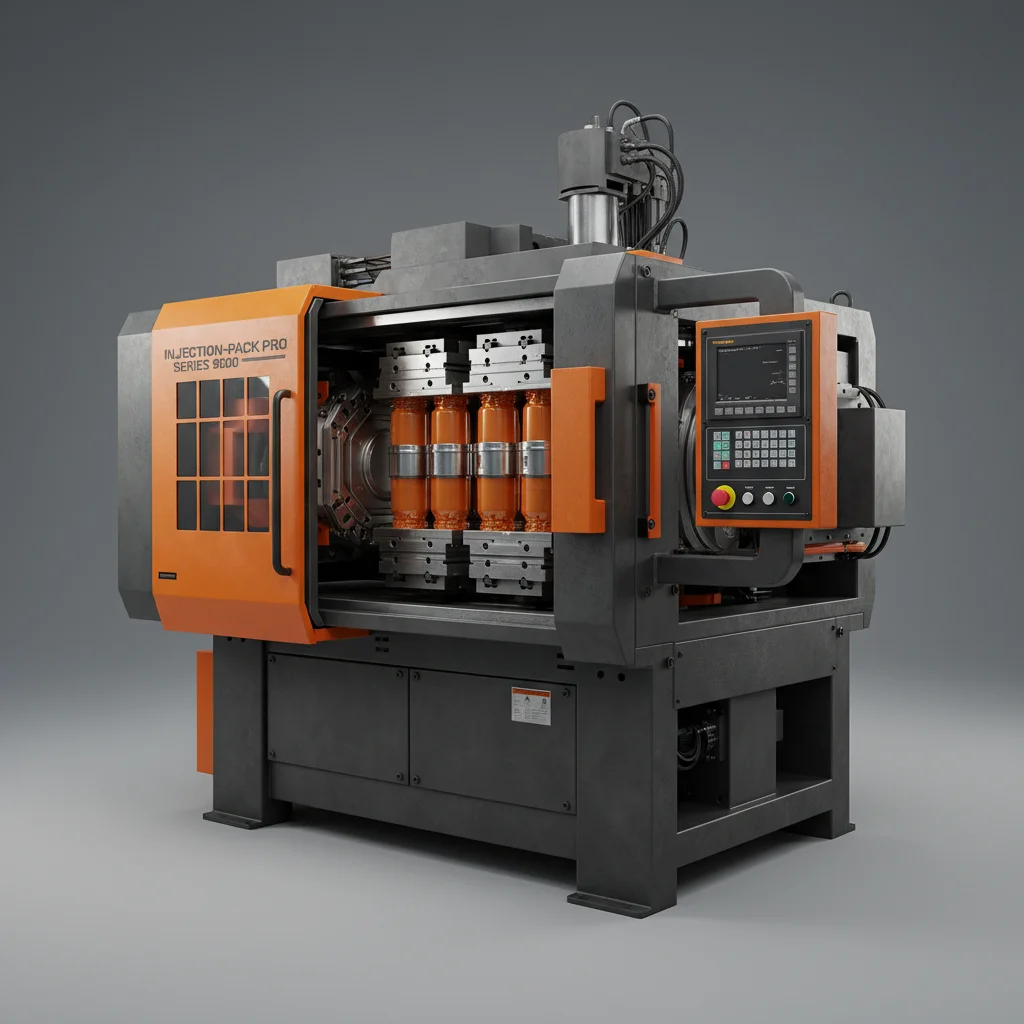
At its core, a Liquid silicone waterproof parts mold is a highly engineered tool designed to inject Liquid Silicone Rubber (LSR) into a closed cavity under heat and pressure. Unlike thermoplastic molds, these tools must be designed to handle the unique rheology of silicone, which flows more like a liquid than a melted plastic. The mold's primary purpose is to create a seamless, non-porous barrier that prevents water, dust, and gases from entering a protected enclosure.
From a technical standpoint, these molds are crafted from high-grade tool steel (such as H13 or S136) to resist the corrosive nature of some silicone additives and to maintain surface finish over millions of cycles. The "waterproof" aspect of the part is determined by the mold's ability to produce a flash-free edge and a perfectly smooth mating surface, ensuring that the compressed silicone creates an airtight seal against its housing.
Beyond mere industrial utility, this technology addresses critical humanitarian and safety needs. In the manufacturing of ventilators, dialysis machines, and other life-saving medical equipment, the precision provided by these molds ensures that fluids are contained and contaminants are kept out, directly impacting patient safety and the reliability of healthcare delivery systems worldwide.
The effectiveness of a Liquid silicone waterproof parts mold depends heavily on its thermal management system. Because LSR is a thermoset material, it requires precise heating to initiate the vulcanization process. Integrated heating channels within the mold ensure that the silicone cures evenly, preventing internal voids or "cold spots" that could compromise the waterproof integrity of the part.
Precision venting is another critical factor. In a Liquid silicone waterproof parts mold, any trapped air can create a microscopic bubble on the surface of the seal. While this might seem insignificant, in a high-pressure underwater application, such a bubble becomes a point of failure. Advanced mold designs utilize vacuum-assisted venting to ensure the cavity is completely air-free before the material is injected.
Finally, the surface finish of the mold cavity defines the friction and sealing performance of the resulting part. A mirror-polished finish reduces the effort required to assemble the waterproof part into its housing and eliminates microscopic scratches that could act as channels for water seepage. This level of detail transforms a simple rubber part into a high-performance industrial seal.
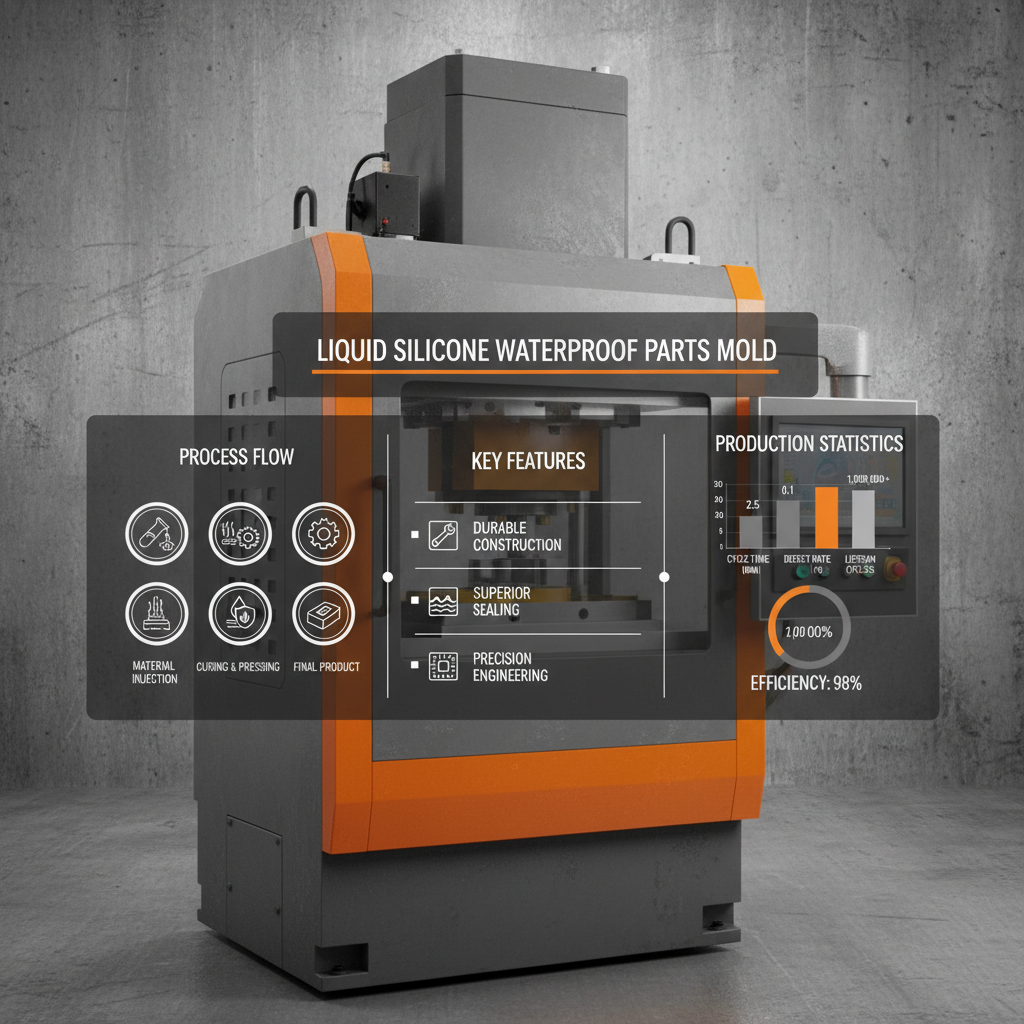
When evaluating the ROI of a Liquid silicone waterproof parts mold, manufacturers focus on three key metrics: cycle time, reject rate, and sealing consistency. High-end molds utilize optimized runner systems to reduce material waste (sprue loss) and employ automated ejection mechanisms to shorten the production cycle, significantly lowering the cost per unit in high-volume runs.
Moreover, the transition from manual compression to LSR injection molding allows for a drastic reduction in human error. The consistency provided by the mold ensures that the compression set—the ability of the silicone to return to its original shape after being squeezed—remains uniform across the entire production batch, which is the hallmark of a professional waterproof solution.
The application of a Liquid silicone waterproof parts mold spans across diverse sectors. In the automotive industry, these molds produce critical gaskets for EV battery packs, where preventing moisture ingress is vital for preventing short circuits and ensuring passenger safety. Similarly, in the aerospace sector, LSR components are used in fuel system seals and cockpit instrumentation where temperature extremes are the norm.
In remote industrial zones, such as offshore oil rigs or deep-sea mining operations, the reliability of waterproof seals is a matter of operational survival. Parts produced from these precision molds are designed to withstand crushing hydrostatic pressures while maintaining a flexible seal. This capability is further extended to the medical field, where LSR overmolding is used to create waterproof housings for surgical tools that must be fully submerged in disinfectants without leaking.
Investing in a high-quality Liquid silicone waterproof parts mold offers substantial long-term economic value. While the initial tooling cost is higher than traditional methods, the reduction in scrap rates and the elimination of secondary trimming processes lead to a lower total cost of ownership. Furthermore, the durability of the mold itself allows for millions of consistent shots, ensuring a stable supply chain for years.
From a sustainability perspective, LSR molding is inherently more eco-friendly than many thermoplastic alternatives. The process generates significantly less waste, and because silicone is highly durable, the resulting waterproof parts have a much longer service life, reducing the frequency of replacement and the amount of landfill waste.
Beyond the numbers, there is a psychological value: trust. When a consumer buys a "waterproof" device, they are trusting the engineering of the mold. Providing a product that never leaks builds brand equity and customer loyalty, transforming a technical component into a powerful tool for market differentiation.
The future of the Liquid silicone waterproof parts mold lies in the integration of "Smart Tooling." We are seeing the rise of in-mold sensors that monitor pressure and temperature in real-time, allowing the injection machine to adjust parameters on the fly to prevent defects. This shift toward Industry 4.0 ensures that every waterproof part is validated during the production process.
Additionally, 3D-printed mold inserts (conformal cooling) are revolutionizing the thermal efficiency of silicone molding. By creating cooling channels that follow the exact contour of the part, manufacturers can reduce cycle times by up to 30% while eliminating the thermal stresses that can cause part warping.
Lastly, the development of bio-based silicone materials is beginning to influence mold design. New materials require slightly different shrinkage calculations and venting strategies, pushing mold makers to innovate in the realm of materials science to maintain the gold standard of waterproof performance.
| Design Approach | Sealing Precision | Production Speed | Tooling Lifespan |
|---|---|---|---|
| Cold Runner System | Moderate | Medium | High |
| Hot Runner LSR Mold | High | Fast | Very High |
| Vacuum-Vent Design | Ultra-High | Medium | High |
| Multi-Cavity Layout | Consistent | Very Fast | Moderate |
| Conformal Cooling Mold | High | Ultra-Fast | High |
| Standard Compression Mold | Low | Slow | Moderate |
The primary difference lies in the curing process. Plastic molds use cooling to solidify the material, whereas a liquid silicone waterproof parts mold uses heat to trigger a chemical vulcanization process. Additionally, silicone's lower viscosity requires much tighter tolerances and specialized venting to prevent flash and air bubbles, which are critical for maintaining waterproof integrity.
Yes, absolutely. By using medical-grade LSR and fabricating the mold from high-purity, corrosion-resistant steels like S136, these molds can produce biocompatible, waterproof parts that meet FDA and ISO 13485 standards. This is essential for devices that require repeated autoclaving or chemical sterilization.
A professionally engineered liquid silicone waterproof parts mold can typically produce between 500,000 to 2 million cycles depending on the steel grade and maintenance schedule. Regular polishing and cleaning of the cavity surfaces are necessary to ensure that the sealing precision does not degrade over time.
Preventing flash—the excess material at the seam—is achieved through high-precision CNC machining and the use of high-clamping-force presses. In a liquid silicone waterproof parts mold, the shut-off surfaces must be machined to a tolerance of a few microns to ensure the liquid is contained perfectly within the cavity.
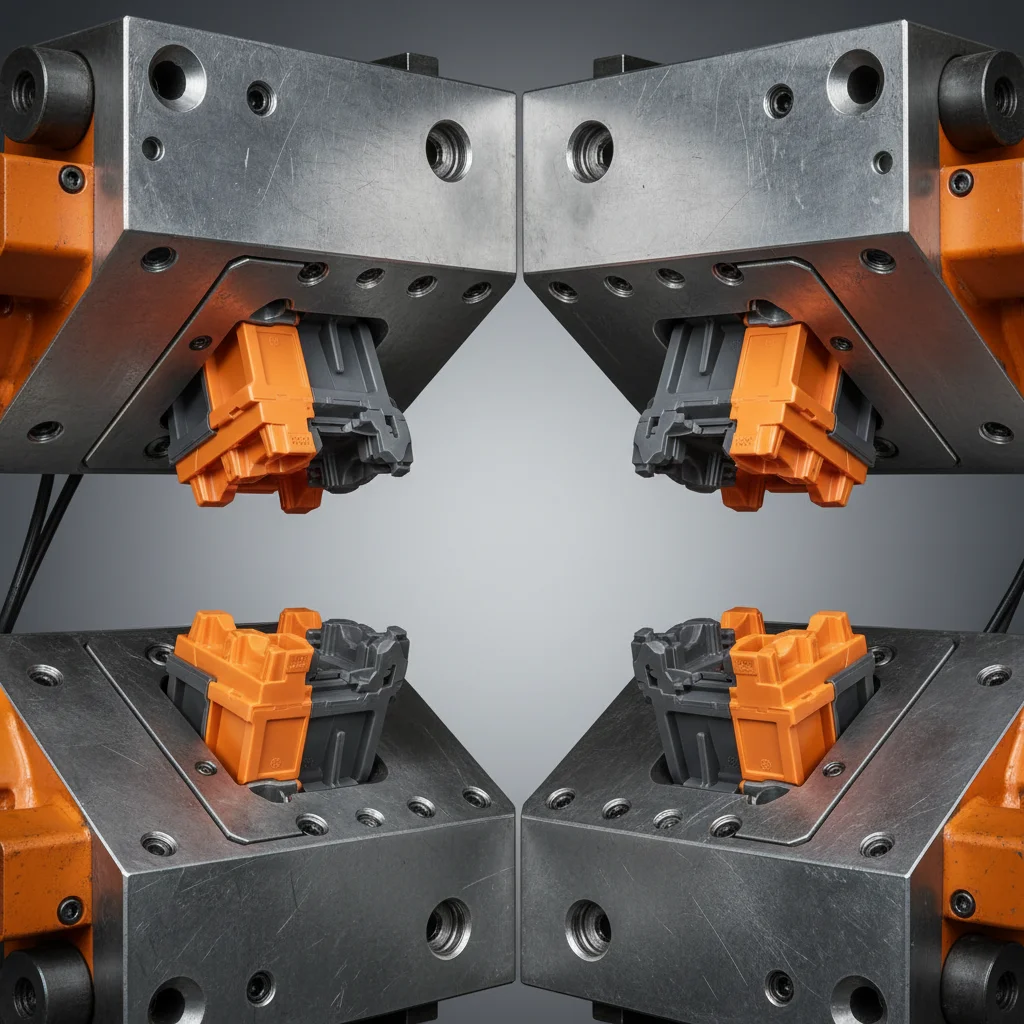
Yes, this is known as LSR overmolding. A specialized mold can be designed to inject silicone onto a plastic or metal substrate. This creates a chemical or mechanical bond that eliminates the need for separate assembly, significantly increasing the waterproof reliability of the final component.
Failures usually stem from air entrapment (voids) or surface imperfections. These are typically not faults of the material, but faults in the liquid silicone waterproof parts mold design—specifically inadequate venting or poor surface finish. Investing in vacuum-assisted molding usually solves these issues.
The role of a Liquid silicone waterproof parts mold extends far beyond simple shaping; it is the cornerstone of reliability for any product that must withstand the elements. From the precise thermal management and vacuum venting to the selection of high-grade tool steels, every detail in the mold's design directly correlates to the sealing performance of the finished part. By bridging the gap between complex engineering requirements and high-volume production, these molds enable the creation of safer medical devices, more durable electronics, and more efficient industrial machinery.
Looking forward, the integration of smart sensors and conformal cooling will only further enhance the precision and efficiency of LSR molding. For manufacturers, the move toward higher-precision tooling is not just a technical upgrade but a strategic investment in brand quality and sustainability. To ensure your products meet the highest global standards for waterproofing and durability, we invite you to explore our professional molding solutions. Visit our website: www.ytlsrmold.com
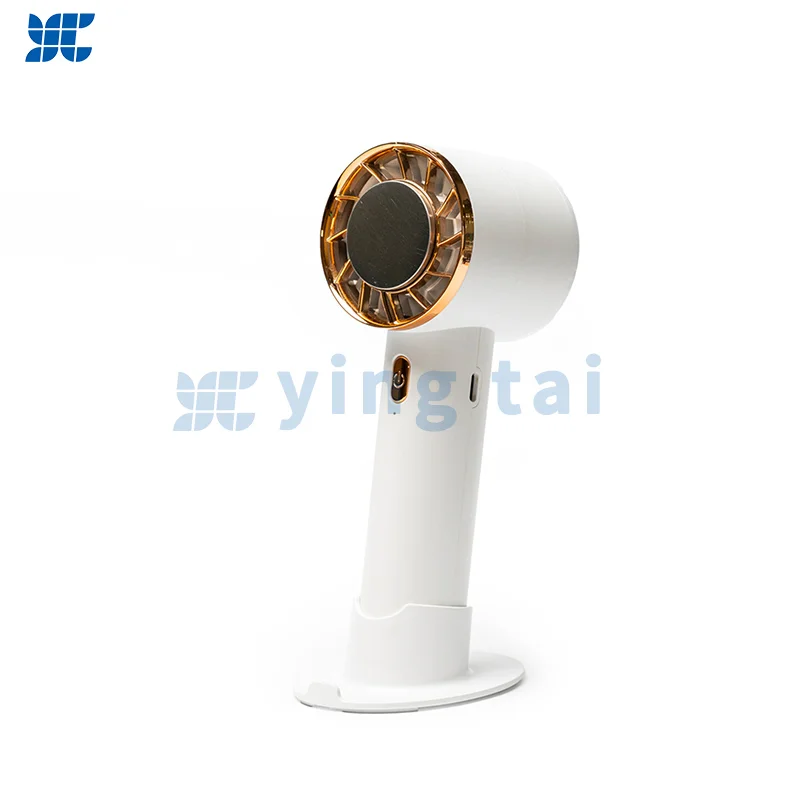
Say goodbye to the hot and humid troubles! Lightweight and portable, cool with just one grip, accompanied by a handheld fan to enjoy the refreshing summer breeze.
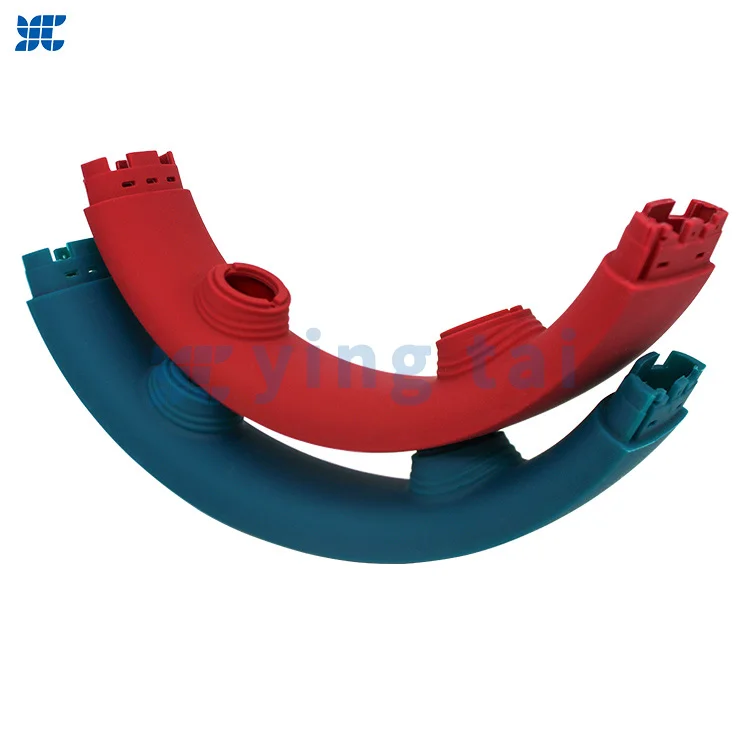
Liquid silicone accessories have elasticity that tightly fits the curves of the shoulders and neck, making every press a deep relaxation experience.
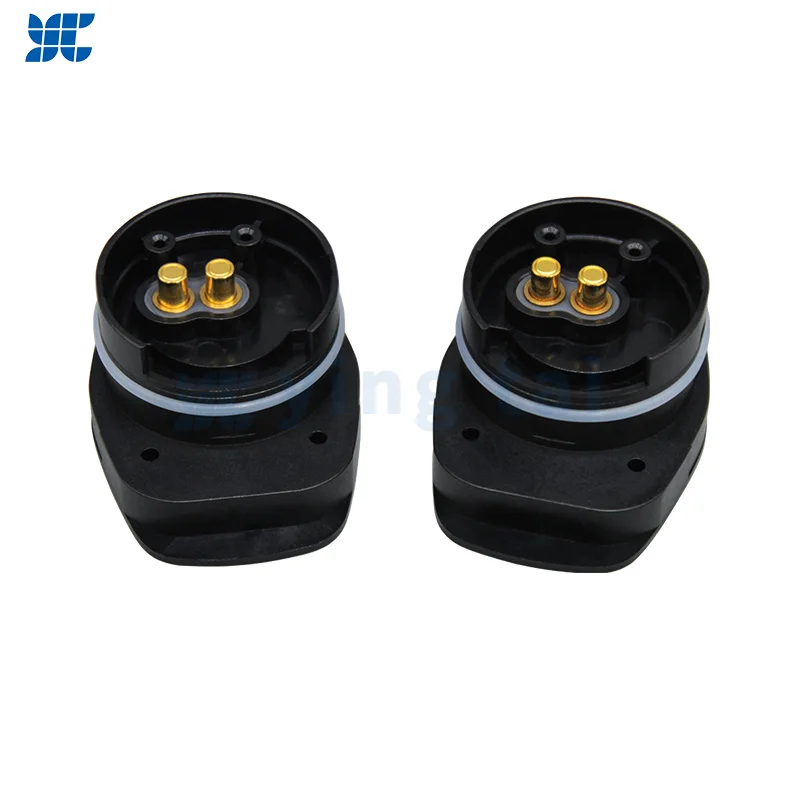
Insulated plastic connectors are suitable for industries such as smart appliances, industrial equipment, household appliances, communication equipment, etc.