

1/2 Washer — Industrial & OEM Supply | Guangdong Yingtai
Table of Contents
- Introduction — how procurement and engineers view the 1/2 washer
- Industry pain points
- Technical explanation & standards
- Material comparison
- Technical specifications table
- Applications & case scenarios
- Installation & field notes
- Maintenance & longevity
- Logistics, lead times & packaging
- Procurement checklist
- Factory capabilities & certifications
- Customer reviews
- Buyer FAQ
Introduction — What "1/2 washer" means to buyers and engineers
When a purchasing manager types "1/2 washer" into a search box, they rarely want a textbook definition. They want three things: a reliable supplier who understands fit and tolerance, clarity on material and coating options that meet the application, and a realistic lead time plus logistics plan. The term 1/2 washer is shorthand in procurement for washers sized to accommodate a 1/2" bolt or fastener—commonly rendered with an internal diameter close to 12.7 mm. But that's only the starting point.
For an engineer, the 1/2 washer matters because it affects clamping load distribution, surface contact, and corrosion resistance. In a marine assembly, a poorly chosen washer speeds up replacement cycles. In electrical or insulating applications, a nylon or silicone washer is a better choice. In heavy machinery, hardness and thickness influence fatigue life. So we talk dimensions, but we also talk function.
From the export desk: the same nominal size—“1/2 washer”—arrives with different names and standards worldwide. US procurement may ask for ANSI/ASME-compliant washers, Europe leans on DIN/ISO callouts, and OEMs occasionally require custom outside diameters or chamfered edges to fit countersunk holes. If you want a one-stop supply chain partner, expect clear options: plain flat washer, hardened washer, spring (lock) washer, fender, square, shoulder, and soft-material sealing washers.
A few practical procurement observations from our export and manufacturing teams:
- Dimension tolerances matter. A 0.1 mm difference in bore diameter can change assembly torque and slip characteristics.
- Coatings add time. Hot-dip galvanizing is excellent for corrosion resistance but requires longer process and passivation—expect longer lead times than simple zinc plating.
- Material traceability is often required by tier-1 suppliers. Keep mill certificates and batch records available if the washer is used in critical assemblies.
- Sealing washers (EPDM, silicone, or LSR-overmolded) are increasingly specified where vibration and moisture protection are critical—this links back to the growth of LSR in sealing markets (see industry reports below).
On the market side: the Liquid Silicone Rubber (LSR) market is growing and driving demand for silicone-based sealing washers used in automotive, medical, and electronics enclosures. For context, Grand View Research and other analysts project steady growth for LSR through the 2030s, which matters if your sealing washer needs are transitioning from simple rubber to precision LSR overmolded solutions. See Grand View Research: Liquid Silicone Rubber Market Size Report, 2030 — https://www.grandviewresearch.com/industry-analysis/liquid-silicone-rubber-lsr-market.
In short: "1/2 washer" is simple in name, layered in selection. This page is written from the vantage of procurement and manufacturing—real-world trade-offs, clear spec tables, and logistics notes—so you can convert a search into an RFQ without extra back-and-forth.
Industry pain points — why washers become unexpected costs
Procurement managers tell us the same problems over and over. They order generic "1/2 washer" and then discover:
- Fit issues — mismatched bore tolerance causes assembly delays.
- Premature corrosion — wrong coating for coastal or chemical environments.
- Excessive vibration loosening — missing spring or lock features.
- Sealing failures — wrong elastomer spec or poor adhesion in overmolded parts.
- Logistics surprises — MOQ and packaging that don't match container planning.
We design processes to reduce these risks: standard inspection plans, material mill certs on request, container-friendly packaging, and pre-production samples for critical installs.
Technical explanation & standards
A 1/2 washer is typically specified by internal diameter (ID) and external diameter (OD), plus thickness and material. Common standard references include:
- ANSI/ASME B18.22.1 — standard for plain washers in inch sizes.
- DIN 125 / ISO 7089 — metric equivalents for flat washers (useful when cross-referencing OEM drawings).
- ASTM standards — material behavior, hardness, plating tests referenced where applicable.
Tolerances:
- ID tolerance: ±0.05–0.2 mm, depending on whether the washer is precision-reamed for tight fit or loose for assembly speed.
- Flatness and thickness tolerances are critical for high-clamp applications—ask for a TIR (total indicated runout) spec if your assembly is torque-sensitive.
When sealing or overmolded washers are required, liquid silicone rubber (LSR) is often specified for its thermal stability and compression set resistance. If you are evaluating LSR washers, read the industry overview from Grand View Research and Research Nester for market context (links in the references) — they show why LSR is fast becoming the default for durable seal applications.
Material comparison — choose by environment and function
Stainless Steel (304 / 316)
Durable, corrosion-resistant. 316 is preferred in marine and chemical environments. Typical hardness improves load distribution and reduces deformation.
Carbon Steel + Coating
Lower cost; zinc / yellow zinc / black oxide coatings add protection. Hot-dip galvanizing better for outdoor, long-life use but thicker and heavier.
Nylon / PTFE / Plastic
For insulation, low friction, or light-load sealing. Acceptable for assemblies where metal-to-metal contact must be avoided.
Liquid Silicone Rubber (LSR) / EPDM
Used for sealing washers and overmolded components. LSR offers heat resistance, biocompatibility, and low compression set—increasingly specified in automotive and electronics.
Material choice impacts testing requirements. Stainless batches often come with 3.1/3.2 mill certificates; coated steels may need salt spray (ASTM B117) test reports on request.
Technical specification table (common 1/2 washer options)
| Type | ID (nominal) | OD (typical) | Thickness | Materials / Finish |
|---|---|---|---|---|
| Flat washer (standard) | 1/2" (12.7 mm) | 1" (25.4 mm) | 1.6 mm / 2.0 mm / 3.0 mm | 304 SS / 316 SS / Zinc plated steel |
| Heavy-duty washer (hardened) | 1/2" | 1.25" (31.8 mm) | 3.0–4.0 mm | High-carbon steel, quenched; black oxide |
| Nylon insulating washer | 1/2" | 0.9" (22.9 mm) | 2.0–3.0 mm | Nylon 6/6, PTFE available |
| LSR overmolded sealing washer | 1/2" | custom OD | custom | Silicone (LSR) over metal or plastic carrier |
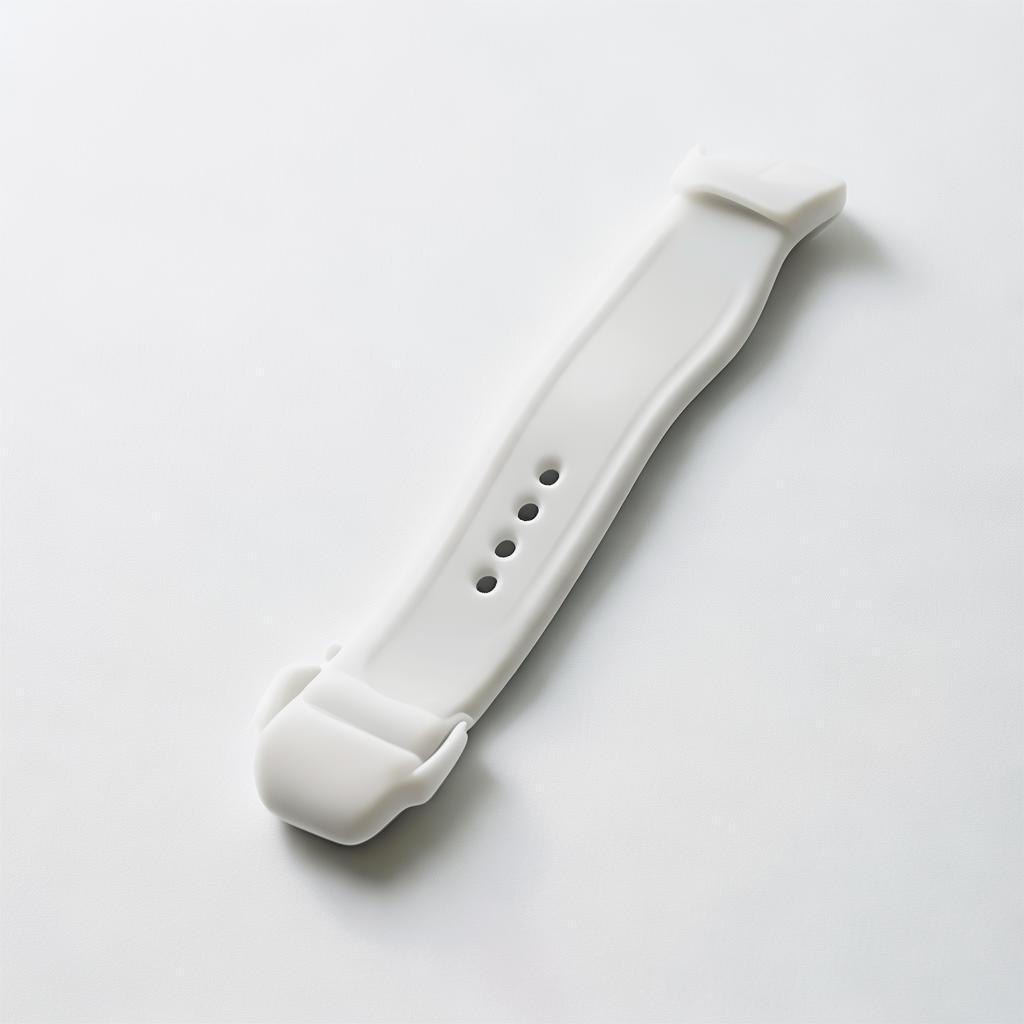
1/4 washer 1 4 washer 2-1/2 inch washers
Note: OD and thickness vary by standard and manufacturer. We supply custom tooling for non-standard ODs and countersunk profiles.
Application scenarios — where a 1/2 washer is used
- Construction & structural steel — load distribution on bolted joints.
- Automotive assemblies — engine mounts, chassis fittings; LSR sealing washers for vibration isolation.
- Electronics enclosures — nylon washers for insulation and to prevent galvanic corrosion between dissimilar metals.
- Marine hardware — 316 stainless and specialty coatings resist corrosion in saltwater exposure.
Case note — a US contractor supplied with zinc-plated 1/2 washers for a coastal installation experienced edge corrosion within 18 months. The fix: move to 316 stainless and add a periodic maintenance check every 12 months. A predictable and realistic outcome — not a miracle cure.
Installation considerations — avoid common errors
Short, practical notes from our engineering team:
- Use the correct ID — a washer that is too tight raises assembly friction; too loose risks eccentric loading.
- For torque-critical joints, specify hardened washers to prevent "bedding in" and loss of clamp.
- When using sealing washers (LSR), ensure the compression deflection and durometer are suitable for the sealing gap at intended torque.
- Clean mating surfaces. Paint, rust or machining burrs change effective clamp load distribution.
Small install detail, big impact: countersunk heads often require a beveled washer or custom profile. We produce these to drawing.
Maintenance & lifecycle
Expected service life varies: stainless in normal conditions can last decades; coated steel outdoors — 3 to 10 years depending on environment. LSR seals: check compression set at commissioning, then inspect at manufacturer-recommended intervals (often 12–24 months in harsh environments).
Practical tip: include washer batch numbers in the asset register when the washer is used in safety-critical equipment. That small step reduces traceability headaches if a recall or warranty review is necessary.
Logistics, lead time & packaging
Order planning: typical lead times depend on material and finish:
- Stock stainless / standard flat washers — 7–14 days for small orders (subject to stock).
- Coated or custom-hardness washers — 14–28 days for surface treatment and batch testing.
- LSR overmolded sealing washers — 20–35 days including mold set-up for new tooling.
Container planning: a 20' container can typically hold 8–12 pallets depending on packaging; small loose-piece orders are best shipped in cartons arranged for container optimization. We provide packing lists, carton dimensions, and container loading plans on request to reduce port charges and expedite customs clearance.
Minimum order quantities (MOQ): flexible. For standard stocked washers we accept small batch orders for distributors; for custom OD profiles and overmolded seals tooling amortization applies.
Procurement checklist — what to include in your RFQ
- Part number / drawing with dimensions (ID, OD, thickness).
- Material specification (e.g., 316 SS, Nylon 6/6, LSR 50 Shore A).
- Surface treatment or plating requirements and environmental exposure.
- Quantity, desired delivery schedule, and packaging preference.
- Testing and certification needs (material certificates, salt spray, RoHS/REACH compliance).
- Any serialization or batch identification requirements.
Factory capabilities & certifications — Guangdong Yingtai snapshot

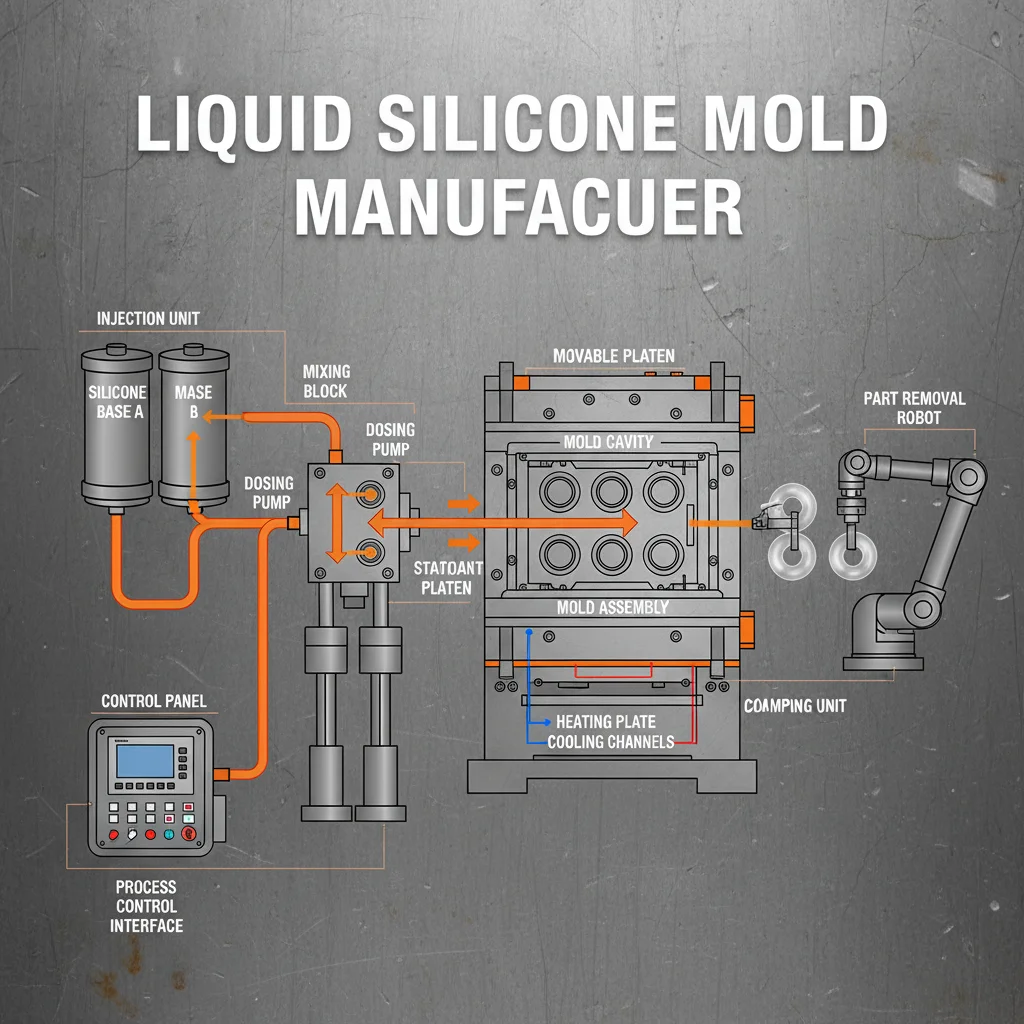
Guangdong Yingtai High Precision Technology Co., Ltd. operates a modern facility in Dongguan with a 35,000 m² park and over 500 employees. Although our core focus is liquid silicone, plastic parts and overmolded seals, we regularly produce metal-plastic hybrid washers and supply precision flat and sealing washers for international OEMs.
- 55 LSR molding machines, 80 injection machines, 20 hydraulic presses
- Mold development, CNC toolmaking and a full inspection lab
- Export experience with full documentation: CO, packing list, mill certs on request
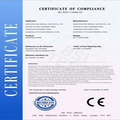
We support OEM/ODM: custom tooling for washers and overmold carriers, sample runs, and PPAP-style documentation for tier-1 assembly customers.
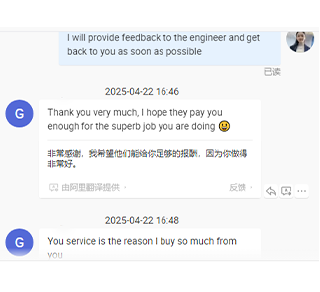
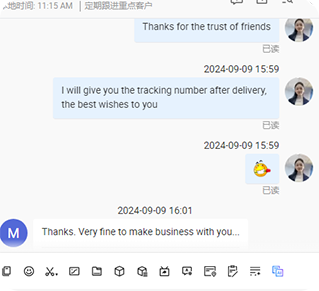
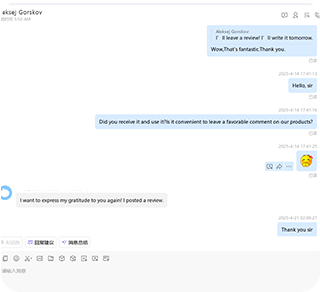
Customer reviews — real procurement scenarios
Supplier chat snapshots
Buyer FAQ — focused answers for procurement
- Q: What is the internal diameter tolerance for a 1/2 washer?
- A: Typical tolerance ranges from ±0.05 mm for precision parts to ±0.2 mm for loose-fit standard parts. Specify fit class in your drawing.
- Q: Do you provide material certificates?
- A: Yes. Mill certificates (EN 10204 3.1 or equivalent) are available on request for stainless and high-grade materials.
- Q: Can you overmold silicone onto a metal washer?
- A: Yes. We run LSR overmolding for sealing washers; tooling design includes venting and carrier retention. Expect longer lead times for new tooling.
- Q: Minimum order quantity?
- A: Standard stocked items — low MOQs are possible. Custom profiles or overmolded parts require MOQ tied to tooling amortization. Contact us for a tailored quote.
Selected references & industry reading
- Grand View Research — Liquid Silicone Rubber Market Size Report, 2030: https://www.grandviewresearch.com/industry-analysis/liquid-silicone-rubber-lsr-market
- Research Nester — Liquid Silicone Rubber Market Size, Share & Forecast 2035: https://www.researchnester.com/reports/liquid-silicone-rubber-lsr-market/5168
- MDPI — Method Matters: Material Characterisation in LSR Injection Moulding: https://www.mdpi.com/2073-4360/17/22/3086
- Fraunhofer research on reducing LSR waste — process chain optimizations: https://publica.fraunhofer.de/
We cite these to explain why LSR and precision molding affect washer design decisions for sealing and overmolded components.
Ready to convert a specification into an RFQ?
Request a sample, talk with our engineer, or get a shipping plan. We handle small distributor runs and high-volume OEM orders.

Author — Export Director & Manufacturing Advisor
Written by an export director with 12+ years working between Dongguan plants and North American OEMs. Balanced view — procurement realities and engineering constraints.
Avatar: author/2.png