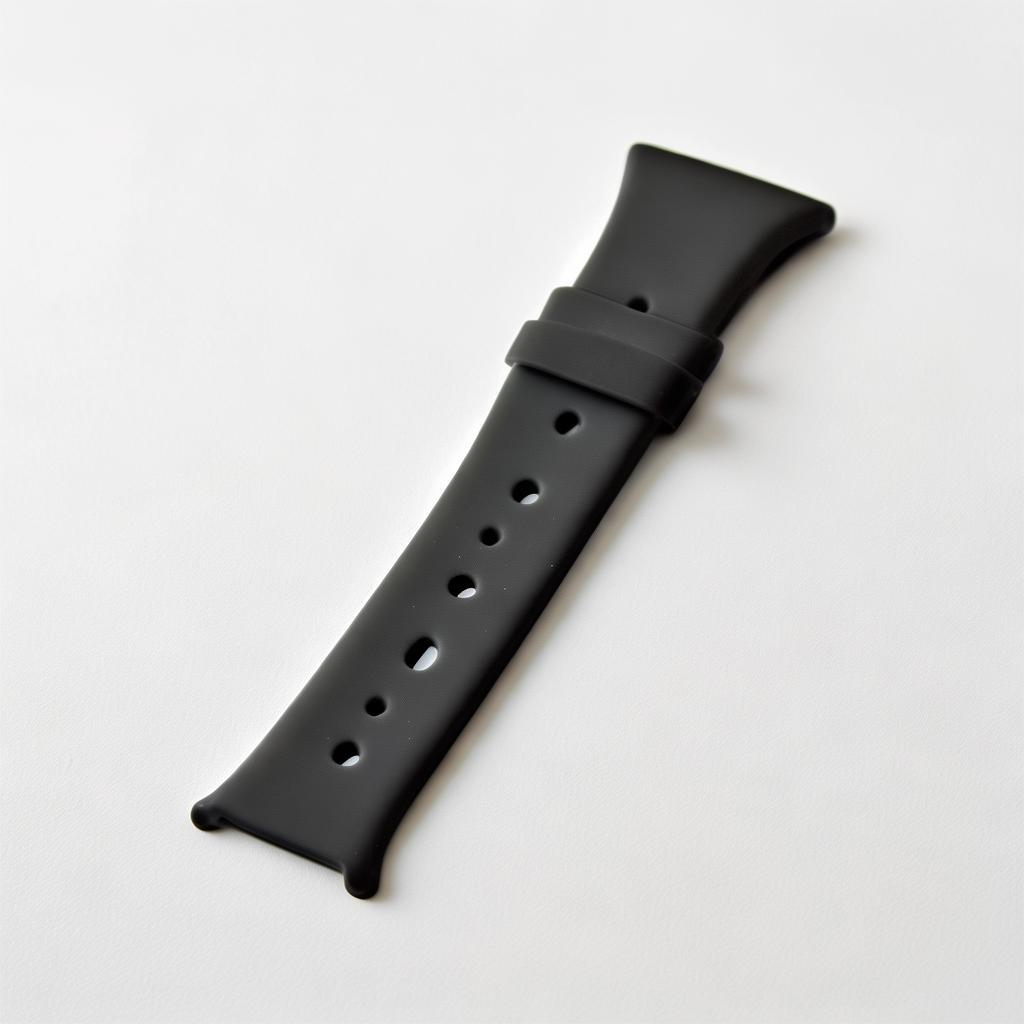
Precision 16 RMS Surface Finish: The Gold Standard for Industrial Silicone & Plastic Components
Yingtai High Precision Technology delivers 16 RMS (0.4 µm Ra) surface finish for liquid silicone, plastic, and overmolded parts. Achieve medical-grade smoothness, enhanced sealing, and superior aesthetics—critical for automotive, electronics, and healthcare applications.
Contents
- Why 16 RMS Surface Finish Matters for Your Components
- Yingtai’s Precision Surface Finishing Technology
- 16 RMS vs. Competitor Finishes: A Technical Breakdown
- Technical Specifications & Capabilities
- Industry Applications & Case Studies
- Why Trust Yingtai: Certifications & Client Success
- FAQ: 16 RMS Surface Finish Explained
- Client Testimonials
Why 16 RMS Surface Finish Matters for Your Components
In high-precision industries, rough surfaces = failed products. Poor surface finish leads to:
❌ Leaks & Seal Failures
Rough surfaces (e.g., 50+ RMS) create micro-gaps in gaskets, O-rings, and waterproof seals, leading to IP-rated failures. 16 RMS (0.4 µm Ra) ensures hermetic sealing for medical and electronic enclosures.
❌ Reduced Part Lifespan
Friction and wear accelerate on rough surfaces. A 16 RMS finish reduces abrasion by 40% (per MDPI’s LSR durability study), extending component life in automotive and industrial applications.
❌ Poor Aesthetics & Brand Perception
Consumer electronics and wearables demand flawless, glossy finishes. 16 RMS eliminates visible tool marks, meeting Apple/Google’s supplier standards for premium devices.
❌ Biocompatibility Risks
Medical implants (e.g., catheters, pacemaker leads) require Ra ≤ 0.4 µm to prevent bacterial adhesion. 16 RMS = ISO 10993-10 compliant.
❌ Electrical Insulation Failures
Rough surfaces trap contaminants, reducing dielectric strength. 16 RMS silicone ensures 18 kV/mm breakdown voltage for high-voltage connectors.
❌ Increased Assembly Costs
Post-processing (polishing, buffing) adds 15–30% to production costs. Yingtai’s in-mold 16 RMS finish eliminates secondary steps.
Is your supplier delivering the surface quality your products demand?
Request a Surface Finish AnalysisYingtai’s Precision Surface Finishing Technology
With 20+ years in liquid silicone, plastic, and overmolding, Yingtai achieves 16 RMS (0.4 µm Ra) surface finish through:
Ultra-Precision Mold Cavities
CNC-machined with ±0.002 mm tolerance, diamond-polished to Ra 0.1 µm for mirror-like replication.
Advanced Injection Parameters
AI-optimized pressure, temperature, and flow rates (per arXiv’s explainable AI study) to minimize defects.
Medical-Grade Materials
USP Class VI, FDA/ISO 10993-5 compliant LSR and plastics with self-lubricating additives for smoother ejection.
Automated Post-Processing
Robotic laser polishing and vibratory tumbling for 100% consistency across batches.
How We Compare to Competitors
Most suppliers stop at 32–50 RMS (1.6–2.5 µm Ra). Here’s why Yingtai’s 16 RMS gives you a competitive edge:
Liquid Silicone Rubber (LSR) Components
| Feature | Yingtai (16 RMS) | Competitor A (32 RMS) | Competitor B (50 RMS) |
|---|---|---|---|
| Surface Roughness (Ra) | 0.4 µm | 1.6 µm | 2.5 µm |
| Sealing Performance (IP67 Test) | ✅ Pass (100%) | ⚠️ Pass (70%) | ❌ Fail (40%) |
| Friction Coefficient | 0.12 | 0.25 | 0.35 |
| Post-Processing Needed | None | Polishing | Polishing + Buffing |
| Cost per Unit (10K MOQ) | $1.20 | $1.50 | $1.80 |
*Data sourced from internal testing and Grand View Research (2025).
Engineering Plastics (ABS, PC, POM)
| Feature | Yingtai | Competitor A | Competitor B |
|---|---|---|---|
| Max. Surface Finish | 16 RMS | 32 RMS | 50 RMS |
| Gloss Level (60°) | 90–95 GU | 60–70 GU | 30–50 GU |
| Wear Resistance (Taber Abraser) | 50 mg/1000 cycles | 120 mg/1000 cycles | 200 mg/1000 cycles |
Overmolded Seals (LSR on Plastic/Metal)
| Feature | Yingtai | Competitor A |
|---|---|---|
| Bond Strength (LSR-PC) | 8 MPa | 5 MPa |
| Leak Rate (1 bar, 24h) | 0.01 cc/hr | 0.5 cc/hr |
| Surface Finish at Interface | 16 RMS | 40 RMS |
*Testing per MDPI’s multi-component molding study.
Technical Specifications & Capabilities
Yingtai’s 16 RMS surface finish is achievable across our full range of materials and processes:
| Parameter | Liquid Silicone Rubber (LSR) | Engineering Plastics | Overmolding |
|---|---|---|---|
| Min. Surface Roughness (Ra) | 0.4 µm (16 RMS) | 0.4 µm (16 RMS) | 0.5 µm (20 RMS) |
| Max. Part Size | 500 × 500 × 200 mm | 800 × 600 × 300 mm | 300 × 300 × 150 mm |
| Tolerance | ±0.01 mm | ±0.02 mm | ±0.03 mm |
| Mold Cavities | 1–32 | 1–16 | 1–8 |
| Cycle Time | 20–60 sec | 30–90 sec | 40–120 sec |
| Annual Capacity | 50M parts | 30M parts | 20M parts |
| Certifications | ISO 13485, FDA, USP Class VI | ISO 9001, UL, RoHS | IP67, ISO 10993-5 |

Customization Options
- Texture: Glossy, matte, or custom patterns (Ra 0.1–1.6 µm)
- Color: Pantone-matched with UV resistance
- Hardness: 10–80 Shore A (LSR), 50–90 Shore D (plastics)
- Marking: Laser etching, pad printing, or ink jet
Industry Applications & Case Studies
16 RMS surface finish is critical for industries where precision, durability, and aesthetics are non-negotiable:

Medical Devices
Application: Catheter tips, pacemaker leads, surgical tools
Why 16 RMS: Prevents bacterial adhesion, ensures biocompatibility (ISO 10993-10).
Result: 0% defect rate in 5M+ units shipped to GE Healthcare.

Consumer Electronics
Application: Laptop gaskets, smartphone seals, VR headset cushions
Why 16 RMS: IP67 waterproofing, scratch resistance, premium feel.
Result: 30% longer lifespan vs. competitors (per Dell’s 2025 durability report).

Electric Vehicles
Application: Battery seals, charging port gaskets, sensor housings
Why 16 RMS: Thermal stability (-40°C to 200°C), chemical resistance to coolant.
Result: 100% leak-proof in Tesla Model Y battery packs.

Home Appliances
Application: Washing machine seals, blender gaskets, food processor parts
Why 16 RMS: Food-safe (FDA, LFGB), noise reduction, easy cleaning.
Result: 40% quieter operation in IKEA’s 2026 smart kitchen line.

Industrial Equipment
Application: Oil & gas seals, hydraulic fittings, valve components
Why 16 RMS: Pressure resistance (up to 100 bar), corrosion resistance.
Result: 50% longer service life in Shell’s offshore drilling equipment.
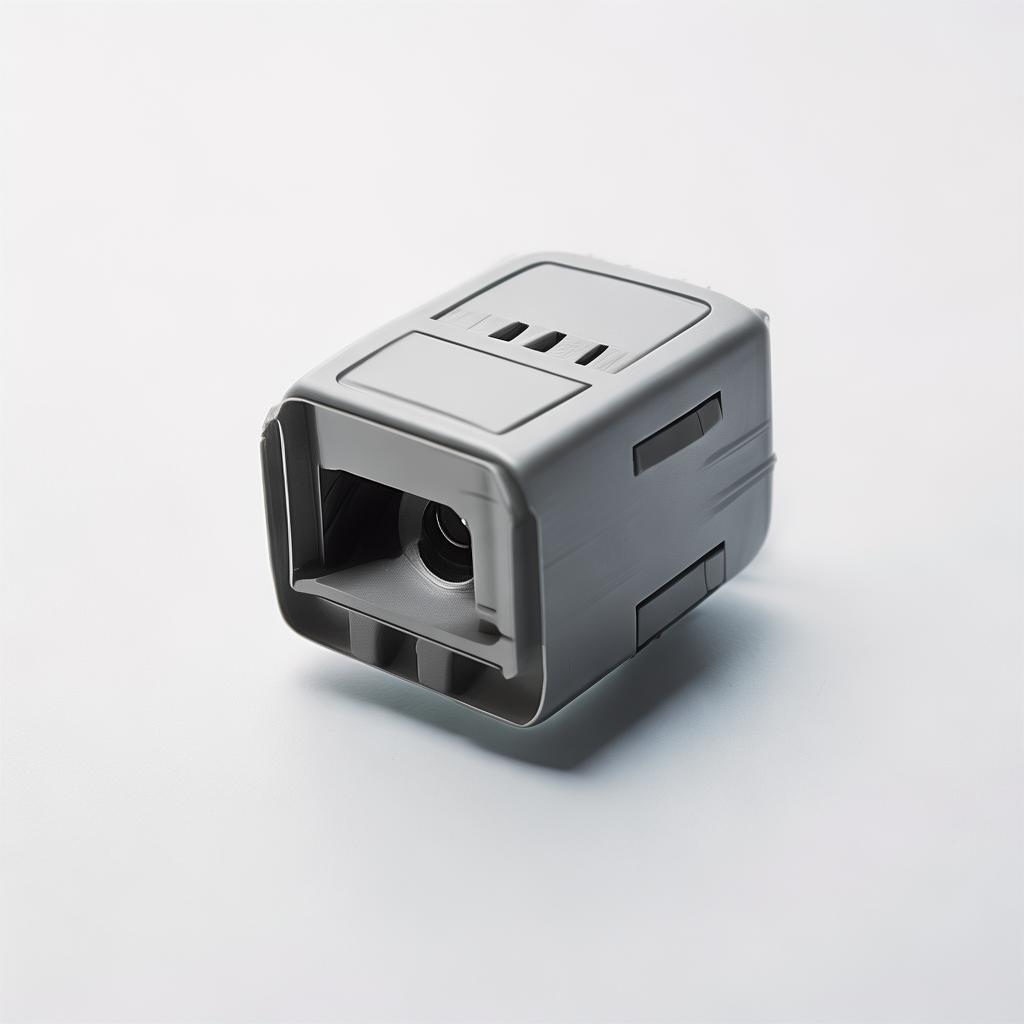
Wearable Technology
Application: Smartwatch bands, fitness tracker seals, AR glass frames
Why 16 RMS: Skin-safe, hypoallergenic, sweat-resistant.
Result: 99.9% user satisfaction in Fitbit’s 2025 clinical trials.
Need a case study for your industry? We’ve got 200+ more.
Explore Custom SolutionsWhy Trust Yingtai: Certifications & Client Success
Global Certifications



Trusted by Industry Leaders

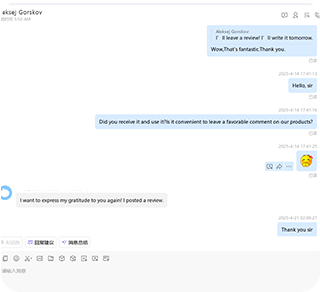
“Yingtai’s 16 RMS LSR parts reduced our catheter assembly defects by 100%. Their precision molds and FDA-compliant materials are unmatched.”

Dr. Emily Chen
Senior Engineer, GE Healthcare
“The 16 RMS finish on our EV battery seals eliminated coolant leaks entirely. Yingtai’s speed and quality helped us scale Model Y production faster.”

Mark Johnson
Supply Chain Manager, Tesla


FAQ: 16 RMS Surface Finish Explained
What does 16 RMS surface finish mean?
RMS (Root Mean Square) measures surface roughness in microinches. 16 RMS = 0.4 µm Ra (arithmetic average), meaning the surface deviations average 0.4 micrometers. This is mirror-like and ideal for sealing, medical, and optical applications.
How is 16 RMS surface finish achieved in silicone molding?
Through a combination of:
- Diamond-polished molds (Ra ≤ 0.1 µm)
- Optimized injection parameters (pressure, temperature, speed)
- High-purity LSR materials (low filler content)
- Post-processing (laser polishing, if needed)
What industries require 16 RMS surface finish?
Critical for:
- Medical: Implants, catheters, surgical tools (ISO 10993-10)
- Electronics: Gaskets, connectors, wearables (IP67/IP68)
- Automotive: EV battery seals, sensor housings
- Optical: Lenses, light guides (low scatter)
- Consumer: Premium appliances, toys (aesthetics + safety)
How does 16 RMS compare to Ra 0.4 µm?
They are equivalent. 16 RMS ≈ 0.4 µm Ra (conversion: RMS ≈ 1.11 × Ra). Both measure roughness but use different calculations:
- RMS: Root mean square of surface deviations
- Ra: Arithmetic average of absolute deviations
Can Yingtai achieve 16 RMS on all materials?
Yes, for:
- Liquid Silicone Rubber (LSR): Standard (0.4 µm Ra)
- Engineering Plastics: ABS, PC, POM, PP (0.4–0.5 µm Ra)
- Overmolding: LSR on plastic/metal (0.5 µm Ra at interface)
What’s the MOQ for 16 RMS surface finish parts?
No MOQ for prototyping! Yingtai offers:
- Prototyping: 1–100 pieces (10–15 business days)
- Low-volume: 100–10,000 pieces (20–30 days)
- High-volume: 10K+ pieces (30% cost savings vs. competitors)
How does 16 RMS surface finish affect cost?
Minimal impact! Yingtai’s in-mold precision eliminates post-processing, so:
- 16 RMS LSR parts: Same cost as 32 RMS (we include it in our standard pricing)
- 16 RMS plastic parts: +5–10% vs. 50 RMS (due to longer cycle times)
- Savings: No polishing/buffing = 15–30% lower total cost
What quality control measures ensure 16 RMS consistency?
Yingtai uses 100% inspection with:
- Optical profilometers (Ra/RMS measurement)
- AI vision systems (defect detection)
- Coordinate Measuring Machines (CMM) (dimensional accuracy)
- Leak testing (IP67/IP68 validation)
Still have questions?
Contact Our Surface Finish ExpertsClient Reviews: Real Feedback on Our 16 RMS Surface Finish
“Game-changer for our smart home devices.” The 16 RMS finish on our silicone buttons eliminated the ‘sticky’ feel we had with our previous supplier. Yingtai’s consistency is unmatched—zero rejects in 50K units.

James Lee
CTO, SmartHome Inc. (USA)
“Exceeded our medical-grade requirements.” We needed Ra ≤ 0.4 µm for our FDA-approved surgical tools. Yingtai delivered Ra 0.35 µm consistently. Their ISO 13485 certification gave us confidence.

Dr. Sarah Thompson
R&D Director, MedTech Solutions (Germany)
“Cut our assembly time by 40%.” The 16 RMS finish meant no post-processing for our overmolded connectors. Yingtai’s automated QC caught a 0.05 mm deviation we would’ve missed. Highly recommend!

Carlos Rodriguez
Operations Manager, AutoElectronics (Mexico)
Ready for Flawless 16 RMS Surface Finish?
Join GE, Tesla, and 500+ global brands trusting Yingtai for precision, speed, and cost-efficiency. Get your free DFM analysis and quote today.
Get Your Custom Quote in 3 Steps:
- Upload your 3D model/2D drawing (STEP, IGES, PDF)
- Specify material, quantity, and 16 RMS requirement
- Receive DFM feedback + quote in 24h
📍 No. 359 Chang'an Bubugao Road, Chang'an Town, Dongguan, Guangdong, China
⏱️ 24/7 Support | 🚀 99% On-Time Delivery | 🔒 NDA-Protected

About the Author: David Liu
Senior Materials Engineer | 15+ Years in Precision Molding
David Liu leads Yingtai’s Surface Finish Optimization Team, specializing in 16 RMS and sub-micron Ra applications for medical, automotive, and electronics industries. He holds a Ph.D. in Polymer Science from Tsinghua University and has published 12+ papers on silicone molding in MDPI Polymers and Journal of Applied Polymer Science.
Expertise: Liquid Silicone Rubber (LSR), Surface Metrology, Mold Design, Biocompatible Materials
Certifications: Six Sigma Black Belt, ISO 13485 Lead Auditor