

2.5 Axis Milling — Precision, Predictability, Procurement
Industrial-grade 2.5 axis milling services and CNC contract manufacturing — fast quoting, mold processing ready, OEM/ODM fixtures, USA-focused export logistics.
Introduction — why procurement teams choose 2.5 axis milling
For purchasing managers and operations leaders, 2.5 axis milling sits in a pragmatic middle ground: more capability than simple 2-axis work, cheaper and faster than full 3-axis simultaneous machines, and broadly compatible with common materials used in tooling, fixtures, jigs and low-to-medium volume parts.
Let me be plain: if your parts are primarily prismatic — flat faces, holes, pockets, slots and step profiles — the extra cost of full 3-axis simultaneous machining often does not pay back. What you gain with 2.5 axis is repeatable dimensional control, predictable cycle times, and CAM programs that are simpler to validate. That predictability matters to buyers who want reliable lead times and fewer engineering change orders at the production stage.
Typical buyers searching for "2.5 axis milling" are comparison-shopping suppliers or preparing RFQs. They want clear answers about:
- Which materials we can mill (aluminum, steel, brass, POM, ABS, acrylic).
- Tolerances achievable for pockets and bores.
- Surface finish expectations and secondary processes (anodizing, plating).
- Minimum order quantities and prototype vs. production lead times.
So this page is built for two purposes: be a reliable technical reference for engineers (what is possible; how to specify features) and a conversion tool for procurement (how to request quotes; what to expect from our factory). Expect operational insight — not polished marketing copy. I'll point out typical pitfalls I've seen in export projects: inaccurate drawing tolerances that drive up cost, ignoring fixturing complexity that adds setup time, and expecting impossible finishes from a single pass. These are avoidable with upfront engineering conversations.
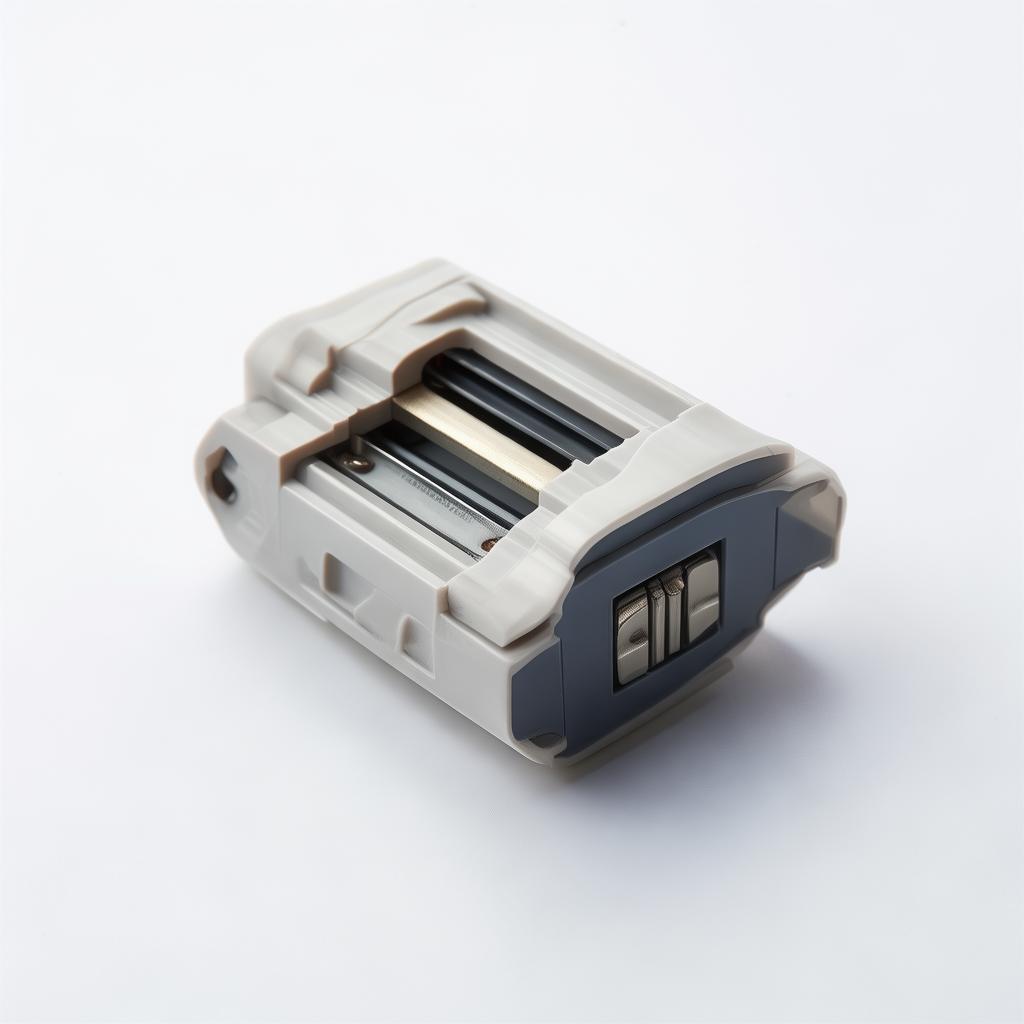
From a sourcing perspective: 2.5 axis jobs are often ideal for quick-turn prototypes, functional test fixtures, aluminum housings, injection mold inserts with stepped features, and low-volume production where each part can be clamped and machined in a single setup. When your design requires contoured surfaces that tilt the cutter, that's when you'll move to 3-axis or 5-axis — but that decision should be based on part geometry and lifecycle expectations, not assumptions about price.
Operational note: when integrating CNC milled parts into other processes (overmolding, silicone molding, assembly), early alignment of tolerances and datum references cuts rework. We frequently work with R&D and quality teams to ensure the CAM model matches the functional drawing; it's a small step that reduces off-spec parts at the end of a production run.
Across the supply chain there is another reality: lead times and tooling costs. Leaving fixture design, tool selection and CAM to the supplier can save time — but it requires trust and clear acceptance criteria. That trust is what we earn by sharing measurable capabilities and by offering sample runs, inspection reports, and clear export documentation for the USA market.
Read on for the technical breakdown, spec tables you can copy into RFQs, purchasing tips and the exact steps to get a quoted production plan from our engineering team.
Technical deep dive — how 2.5 axis milling works in practice
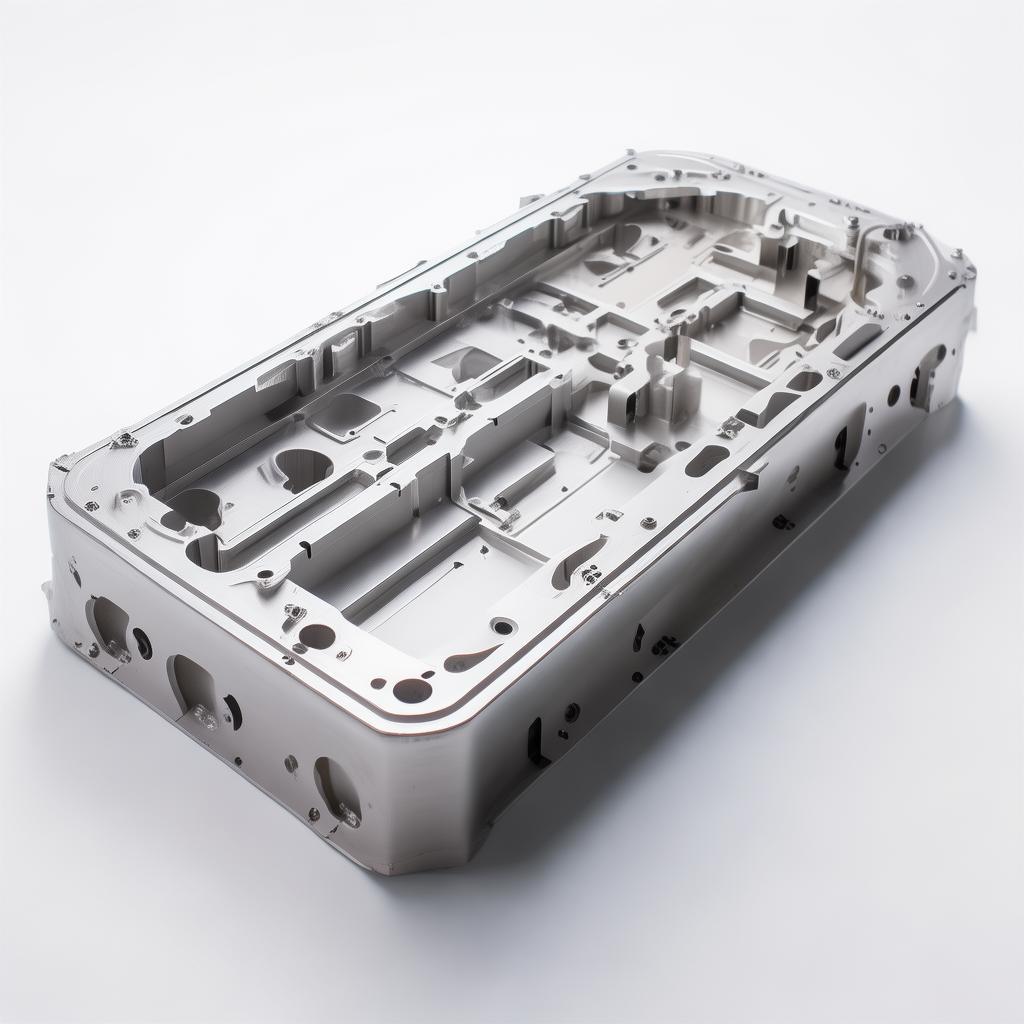
At its core, 2.5 axis milling uses coordinated movement in X and Y while controlling Z in discrete steps. The machine cannot tilt the spindle to create true 3D contoured surfaces; instead, Z-axis moves are performed between passes. That makes it ideal for:
- Pockets and stepped cavities
- Through-holes, counterbores, threaded holes (with tapping)
- Slots, keys and flat profiles
- Face milling and simple engraving
CAM strategies are straightforward: offset pocketing, contouring at set Z heights, drilling cycles and pattern milling. Because toolpaths are typically planar, simulation and validation are quicker — a meaningful advantage if you run pre-production iterations or need CAE sign-offs.
Limitations to call out, so procurement can correctly specify tolerances:
- Curved, tilted or sculpted faces — these demand 3-axis simultaneous motion.
- Very fine surface finishes (Ra < 0.4µm) — require secondary grinding/polishing.
- Deep cavities with tiny necks — need special tooling or multiple setups; costs rise.
Practical shop-floor advice: always specify datum points and tolerances relative to those datums. If you're supplying STEP/IGES models, include the 2D drawing with critical dimensions flagged. Our engineers will convert your model into optimized 2.5 axis toolpaths, propose a fixturing plan, and return an estimated cycle time so you can evaluate cost drivers transparently.
Applications & material compatibility
2.5 axis parts appear across industries. Below are common applications and why 2.5 axis is chosen:
- Tooling & Mold Inserts — stepped cavities, witness faces and locating features for LSR and plastic injection tooling.
- Fixtures and Jigs — accurate flat faces and pocketed features for assembly lines.
- Enclosures & Faceplates — aluminum and acrylic panels with pocketed cutouts and drilling patterns.
- Prototype Components — fast-turn development parts with tight turnarounds.
- PCB Prototypes / Milling — mechanical fixtures and mounting plates.
Material choices matter. Below is a compact comparison — use it when specifying material in an RFQ:
| Material | Why choose it | Typical tolerance |
|---|---|---|
| Aluminum 6061 | Light, machinable, good finish & anodizing | ±0.05–0.2 mm |
| Aluminum 7075 | Higher strength, used for structural parts | ±0.05–0.15 mm |
| Steel 4140 (pre- or post-heat treat) | High strength, wear resistance; needs slower feeds | ±0.05–0.2 mm (depends on heat treatment) |
| Brass / Copper | Excellent finish and conductivity; tool clogging risk | ±0.02–0.15 mm |
| Engineering plastics (POM, Nylon, ABS) | Low cost, easy milling, good for prototypes | ±0.05–0.3 mm (thermal movement) |
five-axis milling cnc 5 axis milling machine 5 axis mill turn
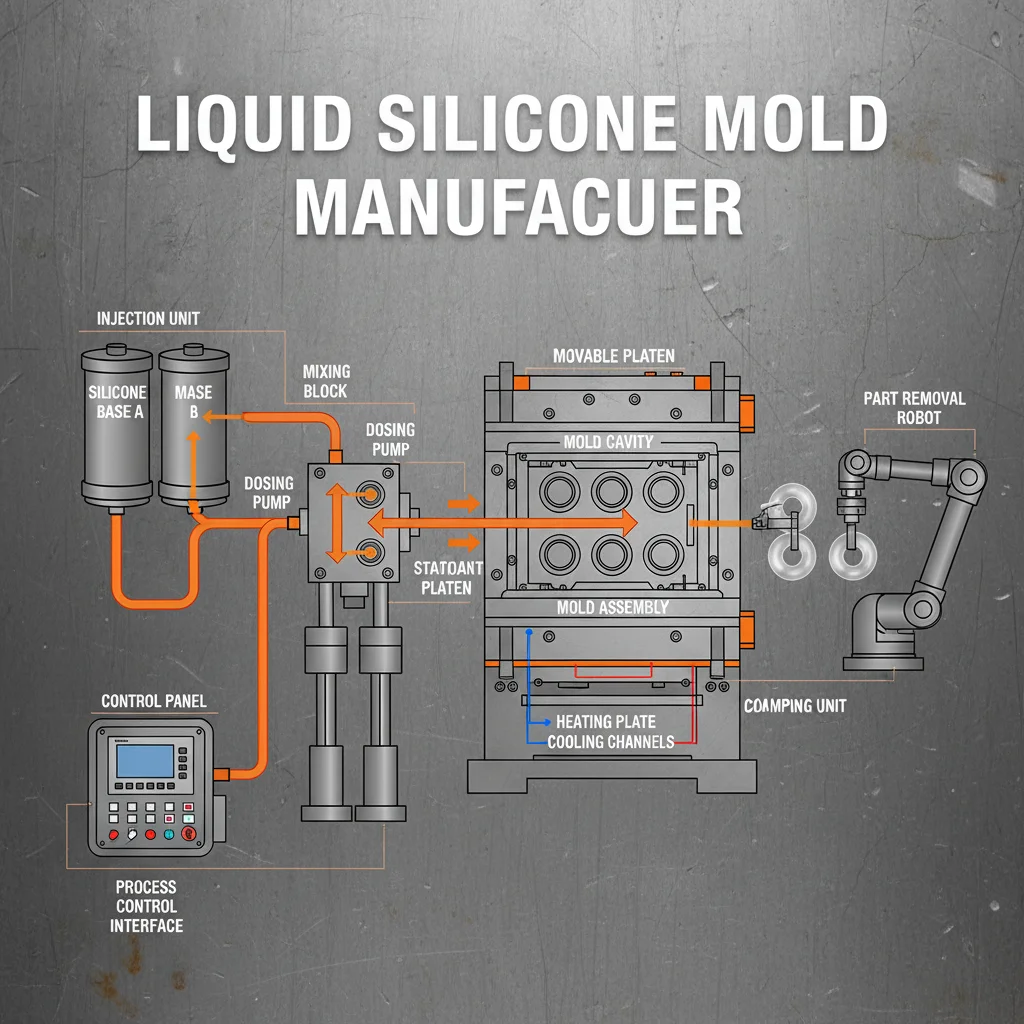
If your part interfaces with liquid silicone rubber (LSR) molds, the right milling strategy and surface finish can impact silicone release and flow. For reference, see industry work on LSR tooling and rapid tooling approaches (Development of an Injection Mold for Liquid Silicone Rubber — ResearchGate) and process-chain waste reduction strategies (Fraunhofer). These studies support the operational approach we use for LSR tooling: tight cavity control plus careful surface preparation to minimize flash and air entrapment.
Sources referenced: ResearchGate (LSR tooling paper), Fraunhofer study on process chains, MDPI simulation work on curing and material datasets.
Buyer guide — preparing RFQs that get accurate quotes
Efficient procurement reduces back-and-forth. Use this checklist when you request a quote:
- Files: supply STEP/IGES + 2D drawing (preferred) + preferred datum callouts.
- Tolerances: indicate critical dimensions only; avoid ±0.01 mm everywhere unless necessary.
- Surface finish: specify Ra target, or note "as-milled" vs "polished/anodized".
- Material & heat treatment: state grade and any certification requirements.
- Volume & timeline: prototype qty and target production qty + required delivery window.
- Inspection: request first article inspection (FAI) or CMM report if needed.
Common procurement mistakes:
- Not specifying datum references — leads to misassembled parts.
- Applying extremely tight tolerances on non-critical features — inflates cost.
- Assuming surface finish that is only achievable with secondary processes.
Typical RFQ turnaround from our engineering team: initial review and ballpark within 24–48 hours; detailed quote with tooling and fixture cost in 2–4 business days depending on complexity.
Factory capabilities & certifications
Guangdong Yingtai High Precision Technology Co., Ltd. is located in Chang'an Town, Dongguan and operates a 35,000 m² industrial park. Our core advantage: vertical integration that combines mold development, precision milling, and finishing under one roof. Operations include:
- 30+ precision mold processing machines — suitable for cavity and core machining.
- Advanced CAM and CAE support for toolpath validation and cycle time estimation.
- Full inspection suite: CMM, surface roughness testers, micrometers, and visual QC stations.
- Export experience to USA and other English-speaking markets — documentation and compliance handled by our export team.



We welcome OEM/ODM enquiries: from custom fixtures for multi-clamp machining to multi-cavity mold inserts that pair with LSR overmolding lines. Our exports include full packing lists, commercial invoices, and protective crate packaging for delicate fixtures.
Technical specifications — standard 2.5 axis service
| Parameter | Typical range / value |
|---|---|
| Machine travel (X × Y × Z) | 300 × 400 × 200 mm (typical); larger beds available |
| Spindle speed | 3,000–24,000 RPM (depending on collet/tooling) |
| Tooling | ER collets, HSK available; carbide endmills 0.5–25 mm |
| Typical tolerance (aluminum) | ±0.05 mm standard; tighter to ±0.01 mm with inspection & chill fixtures |
| Surface finish (as milled) | Ra 0.6–3.2 µm (dependent on tool and pass) |
| File formats accepted | STEP, IGES, Parasolid, DXF, DWG; native CAD for CAM preferred |
| Inspection options | CMM reports, FAI, visual, laser profilometry |
Installation & maintenance considerations
When a milled component is part of an assembly, think beyond the machine:
- Fixturing: simple fixtures save setup time; custom soft-jaws reduce part distortion for thin-walled features.
- Thermal movement: plastics and thin aluminum change dimensionally under heat — specify controlled environments for precision runs.
- Post-process: anodizing, plating or passivation add time; specify masking where required.
On machine maintenance: regular spindle checks, tool probe calibration, and coolant quality control are the small investments that avoid batch failures. Expect scheduled preventive maintenance every 3–6 months for high-use units and watch run-hours for spindle bearing replacement windows.
Logistics, lead times & export notes (USA focus)
Typical timelines (illustrative ranges):
- Prototype milling (single piece): 3–10 business days after design sign-off.
- Small-batch production (10–200 pcs): 10–30 business days including inspection.
- Large orders (200+): lead time depends on material, schedule and finishing — discuss with sales.
Shipping & export: we prepare commercial invoice, packing list, and can handle FCA/FOB/CIF arrangements. For air shipments we recommend express for urgent prototypes; for production runs sea-freight in 20’/40’ containers is cost-efficient — we optimize packing to maximize cube and reduce damage risk.
Tip: include an acceptance plan in purchase orders (FAI requirements, CMM datum locations). It reduces delays at customs and QA rejections on arrival.
OEM / ODM & value-add services
We handle OEM/ODM responsibilities beyond milling:
- Tooling development for LSR and injection molding — from concept to finished insert.
- Fixture and gauge design for production lines.
- CAM optimization for cycle time reduction and tool life extension.
- Assembly, overmolding, and integrated packaging for turnkey supply to distributors.
If you need part consolidation or insert-to-mold validation, we can provide engineering validation packages and trial runs. For regulated products, we coordinate material traceability and batch records.
Customer reviews — real procurement scenarios
"We ordered prototype enclosures for a battery management unit. The shop suggested minor changes to pocket depths and saved two days of setup time. Delivered with a CMM report. Good follow-through." — 12 pcs, aluminum 6061.
"Needed mold inserts for LSR parts. Yingtai coordinated cavity finish with our silicone vendor to reduce flash. The first trial needed a tweak — they handled rework quickly." — mold insert, 2 cavities.
"Good with complex fixturing and delivered detailed run-time estimates. Packaging was solid for sea shipment." — 120 pcs, anodized housings.
"Clear RFQ feedback, suggested combining two parts into one machined assembly — saved cost and simplified our line." — assembly consolidation project.



Frequently asked questions
- Q: When should I choose 2.5 axis over 3-axis?
- If your geometry is primarily planar with steps, holes and pockets and you prioritize cost and faster CAM validation, 2.5 axis is usually the right choice.
- Q: What file formats should I send?
- STEP or IGES for solids; 2D drawings (PDF/DWG) with critical dims and datums. Native CAD files help but are not required.
- Q: Can you handle silicone mold inserts too?
- Yes — we produce precision inserts and coordinate with LSR molding processes. See ResearchGate and Fraunhofer papers we reference for tooling approaches.
- Q: What inspection do you provide for exports to the USA?
- We provide FAI, CMM reports, material certificates and packing lists as required. Export documentation for customs is prepared per buyer preference.
Contact & next steps
Ready to discuss a quote or technical validation? Provide your drawings and core requirements; we'll respond with an engineering review and ballpark within 48 hours.
Send STEP + drawing to: zmm@yingtai168.com
Whatsapp / Phone: +86 17722437688 (Miss Zhang)
Mail: No. 359 Chang'an Bubugao Road, Chang'an Town, Dongguan City, Guangdong Province
Company profile: Guangdong Yingtai High Precision Technology Co., Ltd. — 35,000 m² industrial park, 500+ staff, integrated mold development to finished product manufacturing. Email: lh@yingtai168.com • Fax: +86 0769-83666863 • Website: https://www.ytplasticmold.com/contactus/