21 Cfr 177 2600 Rubber Articles Intended For Repeated Use Fda
21 Cfr 177 2600 Rubber Articles Intended For Repeated Use Fda
A technical & procurement guide for industrial buyers and OEMs sourcing FDA-compliant rubber components When sourcing rubber articles intended for repeated food contact use in the United States, 21 CFR 177.2600 defines the Food
Product Details
Understanding 21 CFR 177.2600: Rubber Articles Intended for Repeated Use & FDA Compliance
A technical & procurement guide for industrial buyers and OEMs sourcing FDA-compliant rubber components
Introduction: Navigating 21 CFR 177.2600 for Reusable FDA-Compliant Rubber Articles
When sourcing rubber articles intended for repeated food contact use in the United States, 21 CFR 177.2600 defines the Food and Drug Administration's criteria that such materials must meet to ensure safety and regulatory compliance. Buyers and procurement managers in industries spanning food packaging, medical devices, and consumer products face intricate challenges in verifying these materials deliver consistent performance over repeated applications without compromising safety.
The regulation specifies the types of rubber and elastomeric compounds allowed, their compositional limits, and migration restrictions to safeguard against contaminants leaching into food or pharmaceuticals. Understanding these requirements helps manufacturers and importers stay audit-ready while protecting end users.
Over the past two decades, the market for FDA-compliant rubber components has expanded alongside growing demand for reliable, chemical-resistant, and durable materials that sustain repeated sterilization cycles. According to Grandview Research's 2030 market insight, the global market for high-performance rubber articles used in food and medical contexts is projected to grow steadily, driven by stringent safety standards.
However, navigating the technical specifications, material certifications, and production workflows remains a pressing hurdle—especially for overseas sourcing and OEM manufacturing. Many buyers underestimate the complexity involved in aligning production methods with FDA's exacting material requirements, often leading to costly recalls or shipment delays.
Guangdong Yingtai High Precision Technology Co., Ltd. brings over 20 years of hands-on experience manufacturing 21 CFR 177.2600 compliant rubber articles. Our advanced injection molding, overmolding, and precision testing capabilities, coupled with robust QA procedures, ensure consistent, traceable quality suited to repeated food-contact applications. This page provides an operationally grounded overview tailored for purchasing directors, technical engineers, and importers seeking clarity on compliance, production realities, and strategic procurement advice.
Key takeaway: Meeting 21 CFR 177.2600 is not just about passing tests; it's an ongoing commitment to material integrity, process control, and documented conformity — critical for minimizing FDA concerns and safeguarding brand reputation in regulated markets.
Industry Pain Points & Compliance Obstacles
Working with rubber materials for repeated use FDA applications surfaces distinct procurement and manufacturing challenges:
Material consistency: Differences in polymer grade, additives, and curing processes can cause batch-to-batch variability risking non-compliance with migration limits.
Mold-tooling quality: Precision molding affects surface finish, dimensional accuracy, and flash—defects can jeopardize sealing performance critical for food-contact seals.
Regulatory documentation: Suppliers often provide incomplete or unclear FDA compliance certificates, complicating supplier audits and qualification cycles.
Durability under repeated sterilization: Rubber articles must resist degradation from heat, chemicals, or pressure in cleaning processes, yet still maintain elasticity and barrier function.
Lead time unpredictability: Overseas factories with outdated tooling or inefficient workflows often cause supply disruptions, costly if strict production timelines exist.
Risk of sub-standard imports: Market-wide, traceability gaps and unverified materials risk non-compliant products entering US commerce, triggering FDA enforcement.
Operational note: Some buyers underestimate the importance of mold design and process validation, thinking FDA compliance is purely material-driven. In reality, tooling precision, process repeatability, and validated curing cycles are equally critical to meet dimension and performance tolerances.
Technical Overview of 21 CFR 177.2600 Rubber Articles
Scope: 21 CFR 177.2600 covers rubber articles intended for repeated food contact including gaskets, seals, diaphragms, and other elastomeric components.
Material composition: The regulation permits vulcanized rubber and derivatives including natural rubber, SBR, NBR, silicone rubber, EPDM, and others, with defined restrictions on fillers and additives to ensure inertness.
Migration tests: Materials undergo extraction testing with food simulants (acidic, aqueous, fatty) to ensure no harmful constituents migrate above threshold limits under repeated use conditions.
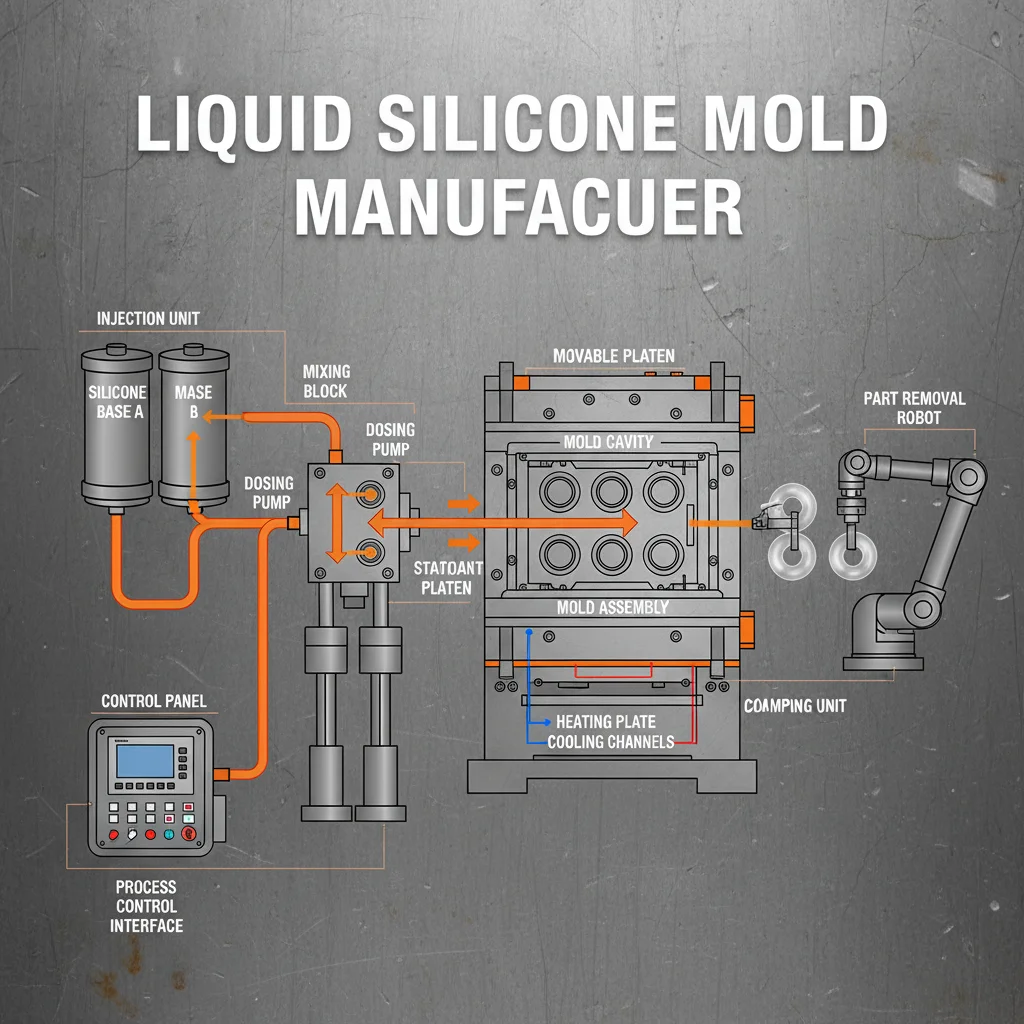
Manufacturing processes: Accepted methods include compression molding, injection molding, transfer molding, and extrusion that maintain consistent vulcanization and compound homogeneity.
Parameter
Requirement
Significance
Vulcanization cure consistency
Controlled curing to avoid uncured residues
Ensures chemical stability and food safety
Fillers & additives limits
Only FDA-approved materials and approved levels
Reduce risk of leachable contaminants
Migration threshold
Substances must not exceed migration limits
Compliance with FDA food additive regulations
Repeated use performance
Material must resist deterioration
Ensures durability in sanitization and usage cycles
Yingtai's in-house testing supports rapid verification of compound integrity, employing advanced spectrometry and extraction analyses aligned with FDA guidelines to validate compliance and detect batch deviations.
Insight from recent studies: According to the MDPI research, the quality of material characterization foundation—particularly viscosity and curing data—is critical for predicting molding cycle times and product quality in LSR injection molding. This scientific approach underpins our commitment to technical excellence in production.
Application Scenarios & Key Advantages
Rubber articles conforming to 21 CFR 177.2600 find usage in industries demanding repeated exposure to food and drink environments while maintaining safety and functionality including:
Food processing seals and gaskets: Machinery components requiring chemical resistance to oils, acids, and cleaning agents.
Reusable food container lids: Silicone gaskets providing airtight sealing and flexibility without toxic migration.
Beverage dispensing equipment: Valves, diaphragms exposed to repeated wetting and sterilization.
Pharmaceutical packaging: Rubber closures and stoppers designed for repeated sterilized use.
Consumer kitchen appliances: Elastomeric buttons or grips in devices exposed to food contact and cleaning cycles.
Material benefits include:
Chemical resistance: Superior performance against oils, fats, acids, and alkalis encountered in food environments.
Temperature tolerance: Materials withstand repeated autoclaving and high-temperature cleaning without losing elasticity or integrity.
Non-toxicity & biocompatibility: FDA-certain approved grades ensuring safety during use and eliminating contamination risk.
Durability: Extended lifecycle even under abrasion and mechanical stress.
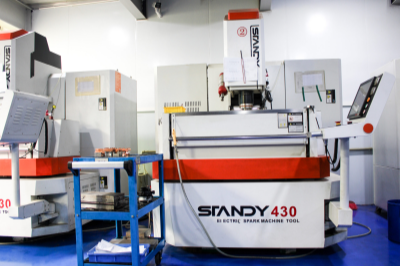
Precision injection molding process for FDA-compliant rubber parts at Yingtai factory
Securing trusted suppliers for rubber articles adhering to 21 CFR 177.2600 involves a multi-step evaluation that goes beyond price comparison:
Validated FDA documentation: Confirm suppliers furnish comprehensive test certificates including specific migration testing relevant to repeated use.
Manufacturing capabilities audit: Assess tooling technology (e.g., LSR injection molding, overmolding), process repeatability, and ISO certifications.
Traceability: Clarity in raw material sourcing and batch control to enable quality issue tracking.
Technical support & customization: Ability to co-develop compounds or parts to unique application conditions and regulatory nuances.
Compliance with international standards: Beyond FDA - look for secondary certifications like NSF, EU food grade, or USP classifications if applicable to your markets.
Supply chain reliability: Transparent lead times, export experience, and logistics coordination to maximize on-time delivery on just-in-time schedules.
Operational tip: When vetting suppliers, request a hard sample run for your unique application with full data package verifying compliance under actual product conditions—this reduces the risk of later surprises.
Inspection checklist:
Batch-specific FDA compliance certificates with real extraction test results.
ISO 9001 and related quality management system certificates.
Factory capacity reports and molding machine specifications (e.g., minimum 55 liquid silicone molding units at Yingtai).
Third-party lab testing endorsements for migration and toxicity.
Evidence of process controls: curing parameters, mold maintenance logs.
Customer testimonials or case studies showing successful long-term use in regulated applications.
Yingtai factory’s strong technical backbone and its vertically integrated manufacturing—from mold design to finished products under stringent quality management—illustrate how such due diligence creates supply chain confidence.
Frequently Asked Questions
What kinds of rubber materials are permitted under 21 CFR 177.2600?
The regulation approves vulcanized rubber compounds including natural rubber, styrene-butadiene rubber (SBR), nitrile butadiene rubber (NBR), silicone rubber, and ethylene-propylene diene monomer (EPDM), among others. Each must meet specified compositional and migration limits.
How is “repeated use” defined in this context?
Repeated use implies the material can safely withstand multiple food-contact cycles, including cleaning/sterilization processes, without degradation affecting safety or performance.
Are there specific testing methods suppliers should perform?
Yes. Toxicological migration tests using FDA-prescribed food simulants (e.g., acetic acid solution, ethanol) are mandatory to confirm no harmful substances leach beyond allowed limits. Mechanical and thermal durability tests should also validate repeated use.
Can these rubber articles be used in medical device applications?
While 21 CFR 177.2600 rubber articles address food contact safety, many compliant materials, especially liquid silicone rubber grades, also meet medical-grade biocompatibility standards. Verification for medical-specific certifications (e.g., USP Class VI) would be needed.
What lead times are typical for producing FDA-compliant rubber parts?
Depending on tooling complexity and batch size, lead times usually range from 4 to 8 weeks. Yingtai’s advanced mold development team can often expedite prototypes within 15 days, supporting agile development cycles.
Is OEM/ODM manufacturing available for custom rubber components?
Yes. Many manufacturers, including Yingtai, offer comprehensive OEM/ODM services to develop tailored compounds, tooling, and precision molding processes optimized for customer-specific use cases and regulatory needs.
Contact Guangdong Yingtai High Precision Technology
For detailed quotes, certification documents, or to discuss your project requirements for 21 CFR 177.2600 compliant rubber articles, reach out to our export team with global shipping and compliance expertise.
Mark Stevens
Procurement Manager - US Food Packaging Group
“Yingtai’s precision in mold development made validation for FDA compliance straightforward. The repetitive batch consistency and transparent test documentation helped us pass our internal risk assessments without delay.”
Get in Touch
If you have any camping barbeque equipment inquiry, please feel free to contact us.