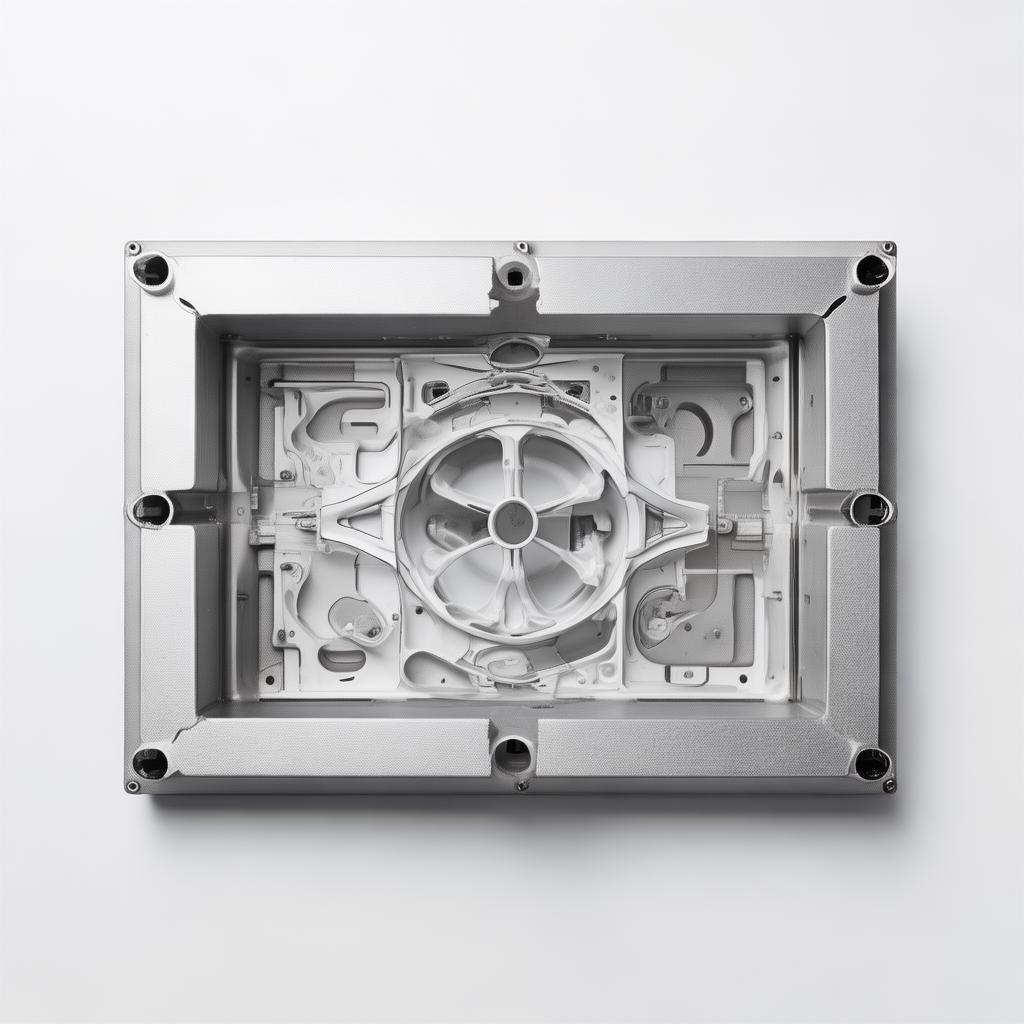
Advanced Two-Component Moulding for Durability, Functionality, and Seamless Integration In today's manufacturing landscape, integrating multiple materials into a single component remains an operational challenge for suppliers and buyers alike. Traditional injection moulding processes often
Product Details
2K Moulding: Precision Multi-Material Injection Solutions for Industrial Excellence
Advanced Two-Component Moulding for Durability, Functionality, and Seamless Integration
Industry Challenges in Multi-Material Moulding
In today's manufacturing landscape, integrating multiple materials into a single component remains an operational challenge for suppliers and buyers alike. Traditional injection moulding processes often limit designers to single-material parts, leading to increased assembly complexity and potential points of failure. Procurement directors and operations managers frequently face issues such as poor interface adhesion, complicated post-processing, and inconsistent quality — all of which delay time-to-market and undermine product reliability.
For instance, OEMs in automotive or consumer electronics increasingly demand overmolded parts (often combining rigid thermoplastics with elastomers or silicones) to achieve sealing, ergonomic grips, or enhanced aesthetics in fewer production steps. Yet, industry players often encounter tooling mismatches, material incompatibility, and higher rejection rates when managing such multi-material injection cycles.
Key pain points include:
Longer tooling lead times and higher mold cost due to complex two-shot machines and cavities
Challenges in balancing cure kinetics and injection parameters for dissimilar materials
Delamination risk and poor chemical bonding at material interfaces
Additional quality control steps to detect internal voids or bonding failures
Demand for ISO and CE certified manufacturing that complies with automotive or medical-grade standards
Since 2K (two-component) moulding inherently involves liquid silicone rubber (LSR) or thermoplastics dual injection, understanding process intricacies and supplier capabilities is critical. Overlooking these factors causes cost overruns and delays – a reality mirrored by numerous purchasing managers navigating the global supply chain today.
Technical Overview of 2K Moulding
2K moulding is a sophisticated injection technology that injects two materials either sequentially or simultaneously inside a single mold tool, producing unified parts with distinct functional zones. Typical combinations include liquid silicone rubber (LSR) with thermoplastics like ABS, PC, or POM, enabling overmolding with airtight seals, shock absorption, or ergonomic soft-touch zones.
Process Highlights:
Dual-injection sequence: Material A is injected first, followed by Material B after partial curing or solidification.
Specialized tooling: Requires multi-cavity, precisely temperature-controlled molds with sealing inserts and gate designs optimized to prevent flash and bonding defects.
Material compatibility: Surface activation treatments and thermal profile management are essential to promote adhesion.
Automation and control: Advanced injection machines with integrated sensors ensure repeatable cycles and process stability.
From an engineering standpoint, liquid silicone rubber offers excellent thermal stability (operating temperatures from -60°C to 230°C), UV resistance, and biocompatibility, making it ideal for sealing or soft components in harsh environments. Coupled with rigid plastics, 2K moulding results in hybrid products with enhanced functionality and lifecycle performances — critical factors highlighted by industry reports such as Grand View Research's LSR Market Report.
The molding workflow demands operators’ keen expertise, given that rheological properties and curing kinetics directly affect cavity filling and part dimensional accuracy. Recent studies emphasize advanced CAE simulation and AI-based process optimization to minimize defects and cycle time variability, reinforcing how manufacturing excellence in 2K moulding requires both robust equipment and skilled process engineering (MDPI Polymer Simulation Study).
Key Advantages of 2K Injection Moulding
Leveraging 2K moulding technology unlocks advantages that directly impact ROI and operational efficiencies:
Creates overmolded seals and soft-touch grips tailored for demanding environments
Supports compliance with sector-specific certifications (e.g. ISO 13485, CE)
Waste Reduction
Optimized mold design leads to minimal flash and rejected parts
Offers better pricing stability through process efficiency gains
High Precision
Supports applications with tight tolerances down to microns
Ensures parts meet exacting specs, lowering acceptance inspector rejections
It's worth noting that suppliers with integrated mold design, testing, and production automation reduce lead time variability—vital insights for operations managers tuning just-in-time inventory systems.
Common Applications & Material Pairings
2K moulding is applied broadly across industrial sectors where hybrid material performance matters:
Automotive components: Dashboard seals using LSR elastomers over rigid ABS frames for thermal stability and noise damping
Consumer electronics: Soft-touch smartphone cases, buttons, and wearable device covers combining silicone and polycarbonate
Medical devices: Dual-shot moulded seals and ergonomic grips that comply with FDA and ISO 13485 standards
Household appliances: Overmolded handles, gaskets, and protective bumpers requiring chemical resistance and comfort
Communication equipment: Durable silicone-overmolded parts for connectors and handheld radios
Material contrasts typically used in LSR 2K moulding:
Material 1
Material 2
Application Note
Liquid Silicone Rubber (LSR)
ABS (Acrylonitrile Butadiene Styrene)
Soft sealing over hard structural core
LSR
Polycarbonate (PC)
Impact-resistant overmolding for rugged devices
LSR
POM (Polyoxymethylene)
High precision moving parts with soft touch
Due to LSR’s biocompatibility and temperature tolerance, medical-grade 2K moulded parts withstand sterilization without losing elasticity — a factor often central to supply chain evaluations by medical device procurement teams.
Understanding 2K moulding’s intricacies can save time and cost during sourcing. Below are tailored suggestions from our export director grounded in years of cross-border industrial cooperation:
Request detailed material data sheets highlighting hardness (Shore A/D scales), curing cycles, and thermal resistance to ensure compatibility with your design goals.
Validate tooling capabilities — complex 2K molds require expertise and advanced equipment; suppliers should provide cavity balancing plans and tool life estimates.
Insist on certifications such as ISO 9001, ISO 13485 (for medical), and RoHS/REACH compliance to align with regulatory standards.
Confirm injection machine models used by the supplier; integrated temperature controls and in-mold curing shorten production variations.
Consider supplier experience with multi-material bonding techniques, and request references or case examples in your industry segment.
Evaluate lead times critically — typical 2K mold tool fabrication can run 8-12 weeks, plus trial injections; negotiate realistic delivery schedules upfront.
Arrange for prototype molding or free samples before full production to verify part performance and process reproducibility.
Plan logistics with container loading optimization since 2K moulded parts often demand controlled packing to protect delicate surface finishes during transit.
Ignoring these points increases risks of hidden costs, quality failures, and delays in your supply chain. Practical insights from technical engineers reinforce that early engagement on tooling and validation mitigates common pitfalls.
About Guangdong Yingtai’s 2K Moulding Expertise
With over 20 years of industrial precision manufacturing experience, Guangdong Yingtai High Precision Technology Co., Ltd. is a leading player in advanced liquid silicone and two-component moulding technologies.
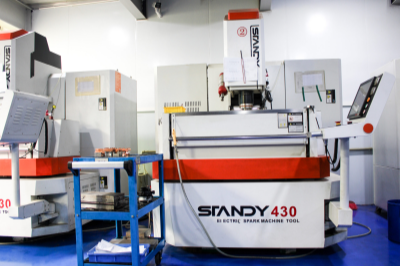
Our 35,000 sqm factory in Dongguan is equipped with:
80 automatic plastic injection machines capable of switching between single and multi-material molds
Over 30 precision mould processing centers ensuring tight tolerances
More than 20 advanced testing instruments for material and dimensional validation
Our specialized 2K moulding lines ensuring quality and scale
More than 500 professionals including production supervisors, quality engineers, and R&D experts collaborate under a fully integrated manufacturing system — from mold development through to product assembly and testing.
Certifications: ISO 9001:2015, CE, RoHS compliance, and automotive-grade standards - all verified regularly by third-party auditors.
Our proven record includes supplying OEMs for new energy vehicles, medical devices, smart wearables, and industrial appliances globally. We carefully optimize process parameters for each client’s specifications, using digital twin simulations and multi-stage quality checks.
Frequently Asked Questions
What industries benefit most from 2K moulding?
Automotive, medical tech, consumer electronics, and household appliances predominantly utilize 2K moulding for parts requiring combined rigidity and soft features.
How does 2K moulding differ from traditional single-shot injection?
Traditional single-shot uses one material per part, whereas 2K moulding injects two different materials consecutively or simultaneously into one mold to achieve multifunctional parts.
Are there any special maintenance requirements for 2K molds?
Yes. Due to complexity, molds require frequent cleaning, cavity balancing and temperature calibration checks typically every 3,000–5,000 cycles to maintain dimensional and bonding consistency.
What are typical lead times for 2K moulding projects?
Mold design and tooling fabrication usually take 8–12 weeks. After approval, batch production cycles vary depending on volume, but initial sample parts can be ready within 2–4 weeks.
How can I ensure strong adhesion between the two materials?
Adhesion depends on material selection, mold temperature control, cure timing, and sometimes surface activation treatments like plasma or chemical primers, provided by experienced manufacturers.
Real Customer Reviews
Michael S., Procurement Director, Illinois
“Partnering with Guangdong Yingtai shortened our development cycles significantly. Their 2K moulding expertise ensured durable overmolded grips for our handheld devices — we saw fewer warranty claims after switching suppliers.”
Get in Touch
If you have any camping barbeque equipment inquiry, please feel free to contact us.



 Michael S., Procurement Director, Illinois