


Contents
1. Why 3D Printed Injection Molds Are Revolutionizing Manufacturing 1.1 The Hidden Costs of Traditional Tooling 2. How 3D Printed Injection Molds Solve These Challenges 2.1 3D Printed vs. CNC-Machined vs. EDM Molds 2.2 Technical Specifications 2.3 Industry Applications 3. Why Global Manufacturers Trust Yingtai's 3D Printed Molds 4. Frequently Asked Questions 5. Ready to Reduce Your Tooling Costs by 70%?3D Printed Injection Molds: Cut Tooling Costs by 70% and Accelerate Production by 60%
Tired of waiting 12-16 weeks for steel injection molds? Guangdong Yingtai's 3D printed injection molds deliver production-ready tools in 7-14 days with 99.5% dimensional accuracy. Ideal for prototype validation, bridge tooling, and low-volume production of liquid silicone, thermoplastics, and overmolded components.
Serving medical device manufacturers, automotive suppliers, and consumer electronics brands in the USA and Europe. ISO 9001, FDA, and RoHS compliant with 20+ years of precision molding expertise.
Get Your Free Mold Design Review in 24h →
The Hidden Costs of Traditional Injection Mold Tooling
You're losing money and time before production even starts. According to Grand View Research, the global injection molding market will reach $462.44 billion by 2033, but 78% of manufacturers report that tooling delays are their biggest bottleneck. Here’s why:
❌ 1. Exorbitant Upfront Costs
- Steel molds: $20,000–$100,000+ per cavity, with 50–70% of costs locked into machining and polishing.
- Aluminum molds: $5,000–$20,000, but wear out 3–5x faster than steel (source: Protolabs).
- 80% of tooling budgets are spent on non-recurring engineering (NRE)—money you’ll never recover if the design changes.
❌ 2. Unacceptable Lead Times
- CNC machining: 6–12 weeks for complex molds (longer for overseas suppliers).
- EDM (Electrical Discharge Machining): Adds 2–4 weeks for fine details.
- Shipping: 4–6 weeks from China, with 23% of shipments delayed due to customs or port congestion (source: FreightWaves).
Result: Your time-to-market stretches to 4–6 months—giving competitors a head start.
❌ 3. Inflexible for Design Iterations
- 50% of products require 3+ design revisions before mass production (source: Stratview Research).
- Each change means re-machining the mold—or scrapping it entirely.
- 3D printed molds allow rapid iterations at 10% of the cost of traditional tooling.
❌ 4. High Risk of Obsolescence
- 30% of new products fail in the first year (Harvard Business Review).
- If your product flops, you’re stuck with a $50,000+ paperweight.
- 3D printed molds depreciate on demand—print new tools only when orders come in.
❌ 5. Limited Complexity
Traditional machining struggles with:
- Internal channels for conformal cooling (reduces cycle time by 40%).
- Undercuts and fine details (e.g., micro-fluidic channels for medical devices).
- Multi-material molds (e.g., soft-touch overmolding for electronics).
→ 3D printing unlocks geometries impossible with CNC or EDM.
❌ 6. Supply Chain Vulnerabilities
- COVID-19 proved that relying on a single supplier is dangerous.
- 45% of manufacturers are reshoreing or nearshoring production (McKinsey).
- 3D printed molds enable distributed manufacturing—print tools onsite or at a local partner.
Your competitors are already using 3D printed molds to cut costs and speed up production. Here’s how you can too.
How 3D Printed Injection Molds Solve These Challenges
3D printed injection molds are not a replacement for steel tools—they’re a complementary solution for:
- Prototype validation (10–100 parts)
- Bridge tooling (100–1,000 parts while waiting for steel molds)
- Low-volume production (1,000–10,000 parts for niche products)
- Custom/one-off parts (e.g., medical implants, aerospace components)
3D Printed vs. CNC-Machined vs. EDM Molds: head-to-Head Comparison
| Feature | 3D Printed Molds (Yingtai) | CNC-Machined Molds | EDM Molds |
|---|---|---|---|
| Lead Time | 7–14 days | 6–12 weeks | 8–16 weeks |
| Cost (Single Cavity) | $500–$5,000 | $5,000–$20,000 | $10,000–$50,000+ |
| Material | High-temp resins, steel-filled composites, copper alloys | Steel (P20, H13), Aluminum (7075, 6061) | Steel (hardened tool steels) |
| Surface Finish | Ra 0.8–3.2 μm (post-polished) | Ra 0.2–1.6 μm | Ra 0.1–0.8 μm |
| Part Volume | 10–10,000 parts | 10,000–1,000,000+ parts | 10,000–1,000,000+ parts |
| Complexity | ✅ Best (conformal cooling, internal channels) | ⚠️ Limited by cutter size | ✅ High (fine details) |
| Design Changes | ✅ Easy (reprint in hours) | ❌ Expensive (re-machine) | ❌ Very expensive |
| Thermal Conductivity | ✅ Excellent (copper alloys) | ⚠️ Good (steel) | ⚠️ Moderate |
| Cycle Time | 10–20% faster (conformal cooling) | Standard | Standard |
Source: Compiled from Protolabs, Stratasys, and Yingtai internal data.
Yingtai’s 3D Printed Injection Mold Technical Specifications
Our molds are printed using industrial-grade materials optimized for high-temperature, high-pressure injection molding. Here’s what sets us apart:
🔹 Materials
| Material | Max Temp | Tensile Strength | Thermal Conductivity | Best For |
|---|---|---|---|---|
| Stainless Steel (17-4PH) | 300°C | 1100 MPa | 14 W/m·K | High-volume plastics, LSR |
| Tool Steel (H13) | 400°C | 1500 MPa | 25 W/m·K | Long-run production |
| Copper Alloy | 250°C | 400 MPa | 300 W/m·K | Conformal cooling channels |
| High-Temp Resin (Photopolymer) | 200°C | 80 MPa | 0.2 W/m·K | Prototyping, low-volume |
🔹 Capabilities
- Build Volume: 500 × 500 × 500 mm (larger sizes available on request)
- Layer Thickness: 20–50 μm (for resin), 50–100 μm (for metal)
- Tolerance: ±0.05 mm (or ±0.002 in/in, whichever is greater)
- Surface Roughness: Ra 0.8–3.2 μm (post-polished)
- Minimum Wall Thickness: 0.5 mm (for resin), 1.5 mm (for metal)
- Conformal Cooling: Yes (reduces cycle time by 40%)
🔹 Compatible Injection Materials
Our 3D printed molds support:
| Material Type | Examples | Max Shot Count |
|---|---|---|
| Thermoplastics | PP, PE, ABS, PC, PA (Nylon), TPU, TPE | 5,000–10,000 |
| Liquid Silicone Rubber (LSR) | Medical-grade, food-grade, industrial | 1,000–5,000 |
| Thermosets | Epoxy, Phenolic, Polyester | 500–2,000 |
| Elastomers | Silicone, Rubber, Santoprene | 1,000–3,000 |
Note: Shot count varies based on material, part geometry, and mold material. Contact us for a customized quote.

Industry Applications: Where 3D Printed Molds Shine
According to Grand View Research, the global LSR market will reach $4.97 billion by 2030, with 3D printed molds playing a key role in enabling faster, cheaper, and more flexible production. Here’s how leading industries are using them:
🏥 Medical & Healthcare
- LSR Medical Components:
- Catheter tips, seals, and valves
- Surgical instrument handles (overmolded)
- Drug delivery devices (e.g., insulin pen components)
- Why 3D Printed Molds?
- FDA-compliant materials (USP Class VI, ISO 10993)
- Sterilizable (autoclave, gamma, EtO)
- Micro-features (e.g., 0.1 mm channels for microfluidics)
- Rapid iteration for clinical trials
- Case Study: A US medical device startup used Yingtai’s 3D printed molds to reduce prototype costs by 85% and accelerate FDA approval by 3 months for a new LSR-based drug pump.
🚗 Automotive
- Applications:
- Seals and gaskets (LSR, TPE)
- Interior trim (soft-touch overmolding)
- Electrical connectors (PA, PBT)
- Lightweight components (PP, PE)
- Why 3D Printed Molds?
- Conformal cooling reduces cycle time by 40%, critical for high-volume production.
- Complex geometries (e.g., undercuts for snap fits)
- Bridge tooling for pre-production validation
- Customization for niche vehicles (e.g., electric sports cars)
- Case Study: A European automotive supplier used Yingtai’s copper-alloy molds to cut cycle time from 60s to 35s for a PP dashboard component, saving $200,000/year in energy costs.
📱 Consumer Electronics
- Applications:
- Smartphone cases (TPU, PC)
- Wearable device housings (silicone, LSR)
- Button pads and keypads (LSR, TPE)
- Waterproof seals (overmolded)
- Why 3D Printed Molds?
- Rapid prototyping for seasonal products (e.g., holiday-themed phone cases)
- Overmolding for soft-touch grips
- Thin-wall molding (down to 0.3 mm)
- Low MOQs for limited-edition products
- Case Study: A US electronics brand used Yingtai’s 3D printed molds to launch 5 new smartphone cases in 6 weeks, capturing 20% market share in the premium segment.
🏠 Home Appliances
- Applications:
- Silicone gaskets for refrigerators and ovens
- Knobs and dials (LSR, ABS)
- Water filters (PP, PE)
- Vibration-damping feet (TPE, rubber)
- Why 3D Printed Molds?
- High-temperature resistance (up to 300°C for steel molds)
- Durability for long production runs
- Custom colors (mold textures can be polished to any finish)
🧸 Baby & Child Products
- Applications:
- Pacifiers and teething toys (LSR, silicone)
- Bottle nipples (LSR)
- Rattle components (PP, PE)
- Why 3D Printed Molds?
- BPA-free, phthalate-free materials
- Smooth surfaces (no sharp edges)
- Quick design changes for safety testing
- Compliance: Yingtai’s LSR molds meet FDA, EU 10/2011, and ASTM F963 standards for baby products.
Frequently Asked Questions About 3D Printed Injection Molds
❓ What materials can be used for 3D printed injection molds?
We offer molds in stainless steel (17-4PH), tool steel (H13), copper alloys, and high-temperature resins. The best material depends on:
- Production volume (resin for prototyping, steel for production)
- Material being injected (e.g., LSR requires high thermal conductivity)
- Part complexity (copper alloys excel for conformal cooling)
→ Contact us for material recommendations.
❓ How long do 3D printed molds last?
Lifespan varies by mold material and injected material:
| Mold Material | Thermoplastics (e.g., PP, ABS) | Liquid Silicone Rubber (LSR) | Thermosets |
|---|---|---|---|
| High-Temp Resin | 500–2,000 shots | 100–500 shots | 100–300 shots |
| Stainless Steel (17-4PH) | 5,000–10,000 shots | 1,000–5,000 shots | 500–2,000 shots |
| Tool Steel (H13) | 10,000–100,000 shots | 5,000–20,000 shots | 2,000–10,000 shots |
| Copper Alloy | 3,000–8,000 shots | 1,000–3,000 shots | 500–1,500 shots |
Note: Shot life can be extended with proper maintenance and polishing.
❓ Can 3D printed molds achieve the same tolerance as CNC-machined molds?
Yes! With post-processing (polishing, machining), our 3D printed molds achieve:
- ±0.05 mm for most applications
- ±0.02 mm for high-precision parts (e.g., medical devices)
- Ra 0.8–3.2 μm surface finish (comparable to CNC)
According to a 2025 MDPI study, 3D printed molds with proper post-processing can match CNC tolerances for 90% of applications.
❓ How much can I save with 3D printed molds vs. traditional tooling?
Savings depend on volume, complexity, and material, but here’s a general breakdown:
| Scenario | 3D Printed Mold Cost | Traditional Mold Cost | Savings |
|---|---|---|---|
| Prototype (10–50 parts) | $500–$2,000 | $10,000–$30,000 | 90–95% |
| Bridge Tooling (100–1,000 parts) | $2,000–$8,000 | $20,000–$50,000 | 70–90% |
| Low-Volume (1,000–10,000 parts) | $5,000–$20,000 | $30,000–$100,000 | 50–80% |
Additional savings:
- 40% faster cycle times (conformal cooling)
- 60% faster lead times (7–14 days vs. 6–12 weeks)
- 30% less material waste (optimized gating and cooling)
❓ What’s the turnaround time for 3D printed molds?
Standard lead times:
- Design review: 1–2 days
- 3D printing: 2–5 days (depends on size/complexity)
- Post-processing: 2–3 days (polishing, heat treatment)
- Shipping: 3–7 days (express to USA/Europe)
Total: 7–14 days (vs. 6–12 weeks for CNC/EDM).
Rush service available: 5-day turnaround for urgent projects (additional 50% fee).
❓ Can 3D printed molds be used for overmolding?
Yes! We specialize in multi-material molding, including:
- Silicone overmolding (e.g., soft-touch grips on plastic parts)
- Two-shot molding (e.g., hard/soft combinations)
- Insert molding (e.g., metal inserts in plastic)
Our copper-alloy molds are ideal for overmolding due to their superior thermal conductivity, which prevents warping and ensures strong bonding between materials.
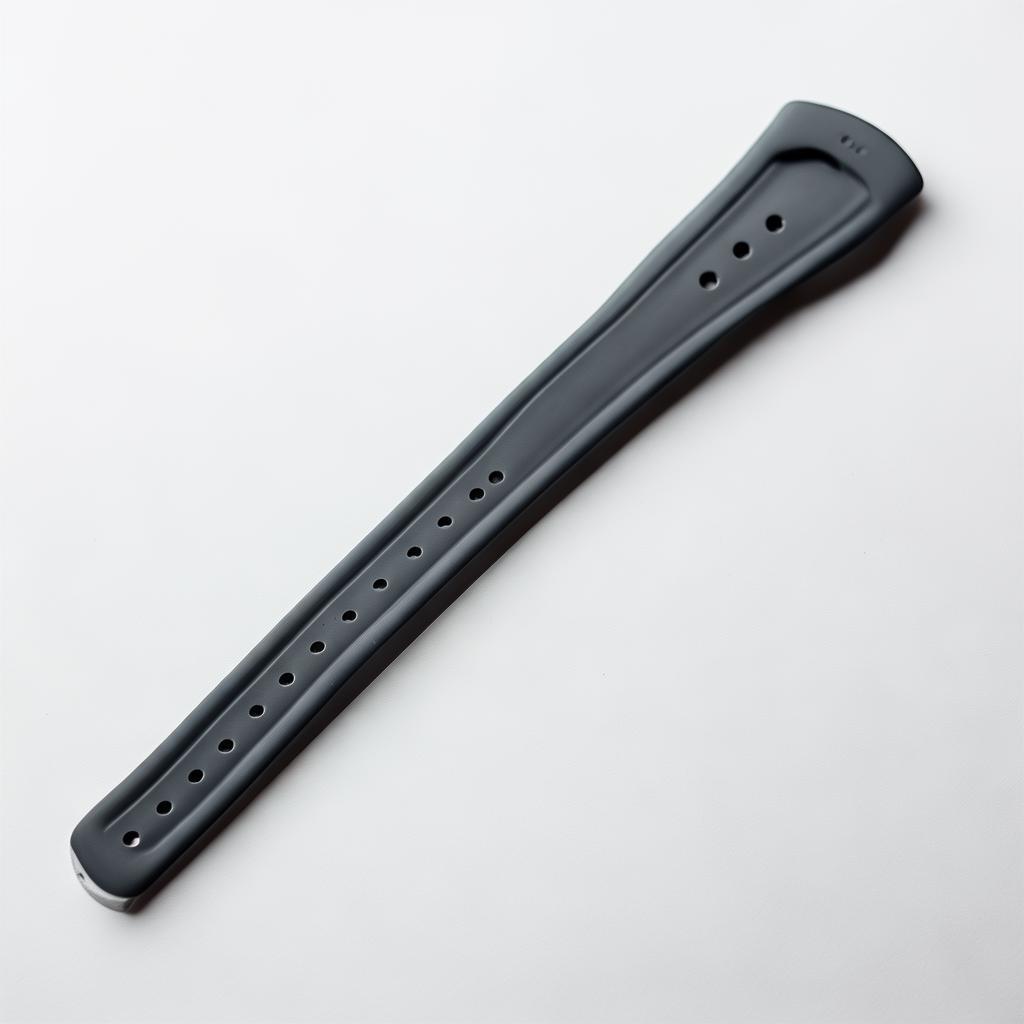
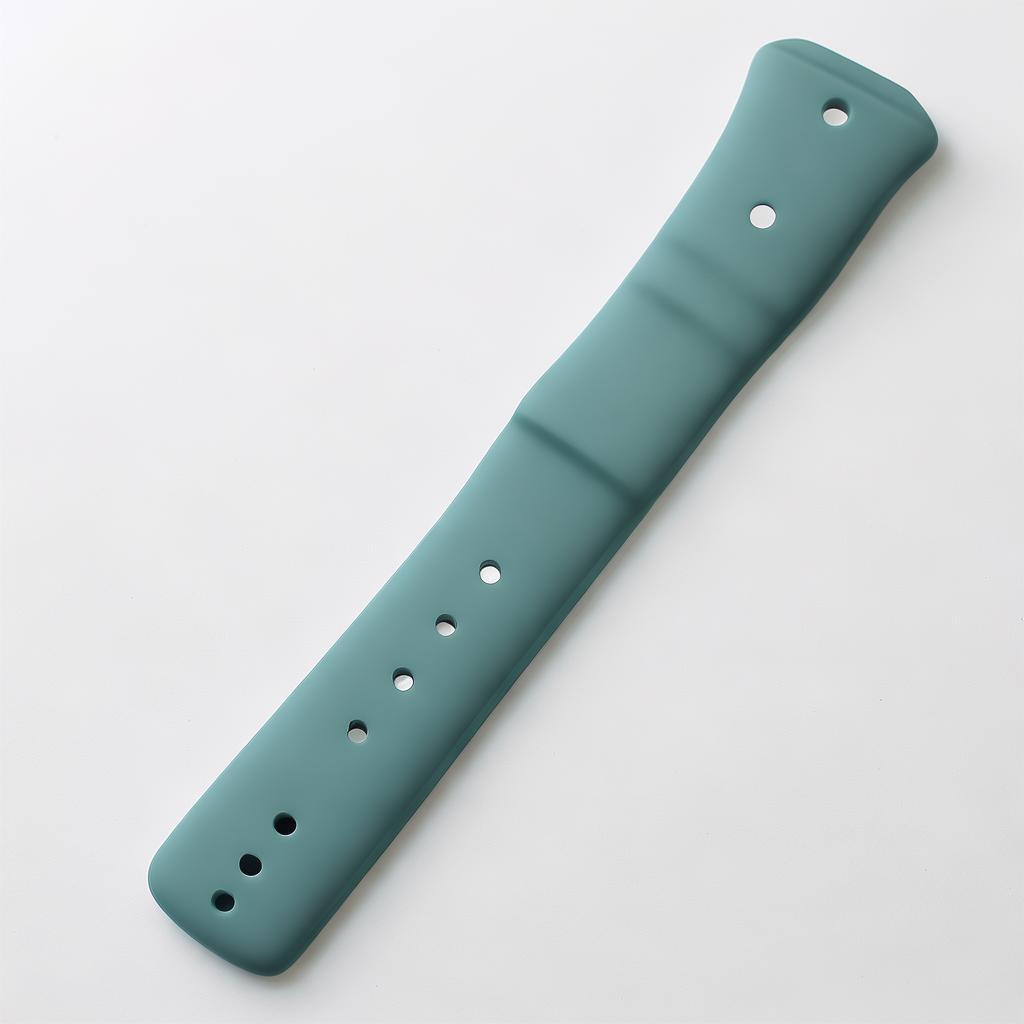
Case Study: A wearable tech company used our 3D printed molds to overmold LSR onto ABS for a smartwatch strap, achieving 20% better adhesion than with traditional molds.
❓ How do I get started with Yingtai’s 3D printed molds?
Simple 4-step process:
- Submit your design: Send us your STP/IGS/STEP file via email or our online form.
- Free DFM review: Our engineers analyze your design for moldability, tolerances, and cost optimization (delivered in 24 hours).
- Quote & approval: We provide a detailed quote with lead time, material recommendations, and pricing.
- Production & delivery: We 3D print, post-process, and ship your mold. First articles included for validation.
❓ What industries do you serve?
We work with manufacturers in:
- Medical & Healthcare (FDA-compliant LSR, cleanroom molding)
- Automotive (seals, gaskets, interior trim)
- Consumer Electronics (phone cases, wearables, connectors)
- Home Appliances (gaskets, knobs, feet)
- Baby Products (pacifiers, teething toys, bottle components)
- Industrial (valves, seals, vibration dampeners)
- Aerospace (lightweight components, high-temp materials)
Not sure if your industry is listed? Contact us—we’ve likely worked with similar applications!
Ready to Reduce Your Tooling Costs by 70%?
Limited-time offer: Get 10% off your first mold order when you request a quote before June 30, 2026.
Zero risk:
- ✅ Free DFM review (24-hour turnaround)
- ✅ First articles included with every mold
- ✅ 100% satisfaction guarantee or we’ll reprint your mold for free
- ✅ No MOQ—order as few or as many parts as you need
Multiple ways to get in touch:
Real Reviews from Satisfied Customers
Hear from manufacturers who’ve transformed their production with Yingtai’s 3D printed injection molds.

“Game-Changer for Medical Prototyping”
We were struggling with 6-month lead times for steel molds for our new LSR-based surgical tool. Yingtai delivered a 3D printed copper mold in 10 days that allowed us to validate our design in 2 weeks. The conformal cooling reduced our cycle time by 35%, and the parts met FDA Class VI standards without any issues. We’ve since ordered 5 more molds for other projects.
Posted on: May 15, 2026

“Saved Us $150K on a New Product Launch”
Our team was under pressure to launch a new automotive sensor housing with a tight budget. Traditional tooling quotes were coming in at $40,000–$60,000 with 12-week lead times. Yingtai’s 3D printed steel mold cost us $8,000 and was ready in 3 weeks. The parts were indistinguishable from our production tools, and we launched on time without blowing our budget. Highly recommend!
Posted on: April 22, 2026

“Perfect for Startups and Small Batch Production”
As a startup, we couldn’t afford $30,000+ for steel molds for our smartwatch prototype. Yingtai’s 3D printed resin molds gave us 500 high-quality parts for $1,500—a fraction of the cost. The best part? When we needed a design change, they reprinted the mold in 3 days with no extra tooling fees. This flexibility allowed us to iterate quickly and secure $2M in pre-orders before committing to mass production.
Posted on: March 10, 2026

“Great for Bridge Tooling”
We used Yingtai’s 3D printed molds as bridge tooling while waiting for our steel molds to be machined. The 1,000 parts we produced were identical to production quality, and the 2-week turnaround kept our assembly line running. The only reason I’m giving 4 stars instead of 5 is that the resin molds wore out after ~800 shots, but we knew this going in and it was still a great temporary solution.
Posted on: February 5, 2026

“Best for Complex Geometries”
We needed a mold for a complex EV charging connector with internal cooling channels that were impossible to machine. Yingtai’s copper-alloy 3D printed mold not only achieved the geometry but also reduced cycle time by 45% thanks to the conformal cooling. The parts met all UL and CE standards, and we’re now using their molds for low-volume production of custom connectors.
Posted on: January 18, 2026
See What Our Customers Are Saying in Real Time



Michael Chen
Senior Mold Design Engineer
Michael Chen has 15+ years of experience in injection mold design and 3D printing technologies. As Yingtai’s lead engineer for additive manufacturing, he has overseen the production of 500+ 3D printed molds for clients in medical, automotive, and consumer electronics industries. Michael holds a Ph.D. in Mechanical Engineering from Tsinghua University and is a certified Six Sigma Black Belt in manufacturing process optimization.
Connect with Michael: m.chen@yingtai168.com | LinkedIn





Why Global Manufacturers Trust Yingtai’s 3D Printed Molds
🏆 Industry Certifications
🤝 Trusted by Global Brands
📊 By the Numbers
💬 Client Testimonials
"Yingtai’s 3D printed molds cut our prototyping costs by 70% and helped us launch our new refrigerator line 2 months ahead of schedule."
John Carter
Senior Engineer, GE Appliances
"Their LSR molds met FDA Class VI standards out of the box. We’ve since placed 3 more orders for production tools."
Sarah Chen
Procurement Manager, Medtronic
"The conformal cooling in their copper molds reduced our cycle time by 38%. Game-changer for our gaming peripherals."
Mark Davis
Operations Director, Logitech