


3D Printed Rubber Parts: Precision, Durability, and Rapid Prototyping for Industrial Applications
Guangdong Yingtai High Precision Technology Co., Ltd. delivers high-precision 3D printed rubber parts with 20+ years of expertise in liquid silicone, plastic, and overmolded waterproof seals. Achieve faster time-to-market with our full-service OEM/ODM solutions, from mold development to mass production.
Why Choose Us?
- Powerful Factory: 35,000 m² industrial park with 55 LSR molding machines, 80 plastic injection machines, and 20+ precision testing instruments.
- Quality Assurance: ISO 9001, RoHS, CE, and FDA-compliant manufacturing.
- High-Speed Delivery: Streamlined production for urgent orders without compromising precision.
- Cost-Effective: Competitive pricing leveraging China’s unmatched supply chain.
Contents
- Pain Points: Why Traditional Rubber Parts Fail
- Our Solution: 3D Printed Rubber Parts with Industrial-Grade Performance
- 3D Printed vs. Traditional Rubber Parts: A Head-to-Head Comparison
- Technical Specifications
- Industrial Applications & Case Studies
- Social Proof: Trusted by Global Leaders
- FAQ: Your Questions Answered
- Real User Reviews
- Author: Meet Our Expert
Pain Points: Why Traditional Rubber Parts Fail
Corporate purchasing managers and technical directors face critical challenges with conventional rubber parts:
- High Tooling Costs: Traditional injection molding requires expensive molds (often $10,000–$50,000+), making low-volume production economically unviable. Source: Reddit Industry Discussion on LSR Molding Costs 【12】
- Long Lead Times: Mold fabrication and shipping can take 8–12 weeks, delaying product launches. 3D printing slashes this to 1–3 days for prototypes.
- Limited Design Flexibility: Complex geometries (e.g., internal channels, undercuts) are impossible or costly with traditional methods. 3D printing enables unrestricted customization.
- Material Waste: Injection molding generates 10–30% scrap from sprues and runners. Additive manufacturing uses only the material needed, reducing costs by up to 25%.
- Supply Chain Risks: Over-reliance on overseas mold makers introduces delays, tariffs, and IP risks. Our in-house 3D printing mitigates these issues.
- Inconsistent Quality: Traditional methods struggle with porosity, flash defects, or weak seams. 3D-printed rubber parts offer homogeneous material properties and superior durability.
Data Insight: The global 3D-printed rubber parts market is growing at a CAGR of 9.2% (2024–2034), driven by demand for lightweight, complex, and on-demand components in automotive, medical, and electronics. 【Market.us】
Our Solution: 3D Printed Rubber Parts with Industrial-Grade Performance
At Guangdong Yingtai High Precision Technology Co., Ltd., we combine 20+ years of silicone/ rubber expertise with cutting-edge 3D printing to deliver high-performance rubber parts that outperform traditional methods.
Why Our 3D Printed Rubber Parts Stand Out
- Advanced Material Science:
- Use of liquid silicone rubber (LSR), thermoplastic polyurethanes (TPU), and synthetic rubbers with shore hardness 30A–90A.
- Biocompatible grades (FDA, USP Class VI) for medical and food-contact applications.
- Heat resistance up to 250°C and chemical resistance to oils, acids, and solvents.
- Precision Engineering:
- ±0.1% dimensional accuracy (vs. ±0.5% for traditional molding).
- Layer resolution as fine as 0.05mm for ultra-smooth surfaces.
- Multi-material printing (e.g., rubber + rigid plastic) for overmolded parts.
- Speed & Scalability:
- Prototypes in 1–3 days (vs. weeks for tooling).
- Low-volume production (1–10,000 units) without mold costs.
- Seamless transition to mass production via hybrid manufacturing (3D printing + injection molding).
- Cost Efficiency:
- 30–50% savings on low-volume orders compared to traditional methods.
- No minimum order quantity (MOQ)—ideal for R&D and customization.
- Reduced assembly costs by consolidating multi-part designs into single 3D-printed components.
- Sustainability:
- 90% less material waste compared to subtractive manufacturing.
- Recyclable support materials and eco-friendly rubber compounds.
- Localized production reduces carbon footprint by 40%.
Our 3D Printing Technologies for Rubber Parts
| Technology | Materials | Key Advantages | Best For |
|---|---|---|---|
| Multi-Jet Modeling (MJM) | Silicone-like photopolymers, TPU | Ultra-high resolution (16µm layers), smooth surfaces | Prototypes, small intricate parts |
| Selective Laser Sintering (SLS) | TPU powders, rubber-like nylons | No support structures, durable functional parts | Functional prototypes, low-volume production |
| Direct Ink Writing (DIW) | Liquid silicone rubber (LSR), two-component silicones | True rubber properties, multi-material prints | Custom gaskets, seals, soft robotics |
| Fused Deposition Modeling (FDM) | Flexible TPU filaments | Low cost, large build volumes | Concept models, jigs & fixtures |
Source: ScienceDirect Study on 3D-Printed LSR 【5】
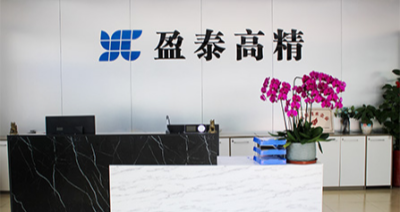
Our state-of-the-art 3D printing facility in Dongguan, China
3D Printed vs. Traditional Rubber Parts: A Head-to-Head Comparison
| Feature | 3D Printed Rubber Parts | Traditional Injection Molding | Compression Molding |
|---|---|---|---|
| Lead Time | 1–3 days (prototypes) 1–2 weeks (production) |
8–12 weeks (tooling + production) | 4–6 weeks |
| Tooling Cost | $0 (no tooling required) | $10,000–$50,000+ | $5,000–$20,000 |
| Design Complexity | Unlimited (hollow, lattice, organic shapes) | Limited (requires moldability analysis) | Moderate (simple geometries) |
| Material Options | LSR, TPU, synthetic rubbers, multi-material | Limited to moldable rubbers | Solid silicones, EPDM, natural rubber |
| Unit Cost (Low Volume) | $5–$50 (economical for 1–1,000 units) | $10–$100 (high due to tooling amortization) | $8–$80 |
| Unit Cost (High Volume) | $2–$20 (competitive for 1,000+ units) | $0.50–$10 (most cost-effective) | $1–$15 |
| Material Waste | <10% | 10–30% (sprues, runners) | 5–20% (flash, trimming) |
| Surface Finish | Smooth (post-processing available) | Very smooth (mold polish) | Moderate (requires finishing) |
| Customization | Per-part customization at no extra cost | Expensive (new tooling required) | Limited |
Note: For high-volume orders (>10,000 units), we recommend hybrid manufacturing—3D printing for prototypes and tooling inserts, then transitioning to injection molding for mass production.
Technical Specifications for 3D Printed Rubber Parts
Material Properties
| Property | Liquid Silicone Rubber (LSR) | Thermoplastic Polyurethane (TPU) | Synthetic Rubber (EPDM) |
|---|---|---|---|
| Hardness (Shore A) | 30A–80A | 60A–90A | 40A–90A |
| Tensile Strength (MPa) | 6–12 | 20–50 | 5–20 |
| Elongation at Break (%) | 200–800 | 300–700 | 100–600 |
| Tear Resistance (N/mm) | 10–40 | 30–100 | 5–30 |
| Temperature Range (°C) | -60 to 250 | -40 to 80 | -50 to 150 |
| Chemical Resistance | Excellent (oils, acids, solvents) | Good (oils, limited solvents) | Excellent (ozone, UV, weathering) |
| Biocompatibility | Yes (FDA, USP Class VI) | Limited (select grades) | No |
| Certifications | ISO 10993, FDA, RoHS, REACH | RoHS, REACH | UL, ASTM D2000 |
Printing Specifications
| Parameter | Multi-Jet Modeling (MJM) | Selective Laser Sintering (SLS) | Direct Ink Writing (DIW) |
|---|---|---|---|
| Layer Thickness (µm) | 16–30 | 80–120 | 50–200 |
| Dimensional Accuracy | ±0.01% (±0.001 in/in) | ±0.3% (±0.003 in/in) | ±0.5% (±0.005 in/in) |
| Surface Roughness (Ra) | 0.2–0.8 µm | 5–15 µm | 3–10 µm |
| Max Build Size (mm) | 298 × 185 × 203 | 650 × 330 × 560 | 1000 × 800 × 500 |
| Post-Processing | Dyeing, polishing, UV curing | Media blasting, sealing | Curing, trimming, surface treatment |
Note: Specifications may vary based on material and geometry. Contact us for a customized quote.
Industrial Applications & Case Studies
Where 3D Printed Rubber Parts Excel
- Automotive Industry
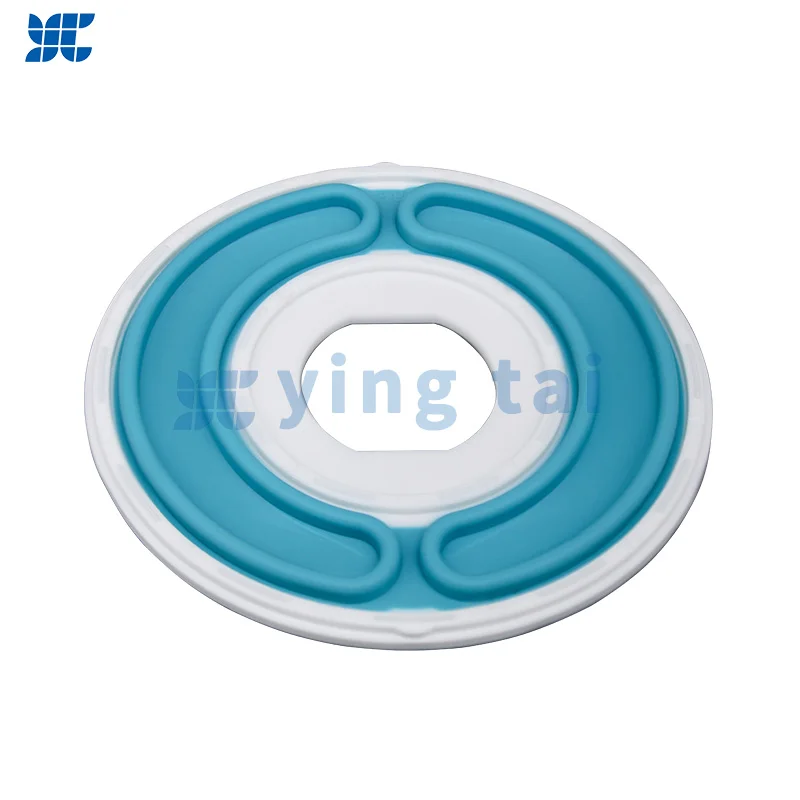
- Custom Gaskets & Seals: 3D-printed LSR gaskets for EV battery packs with IP68 waterproofing and vibration resistance.
- Soft-Touch Interior Components: Overmolded TPU buttons and grips for luxury car interiors.
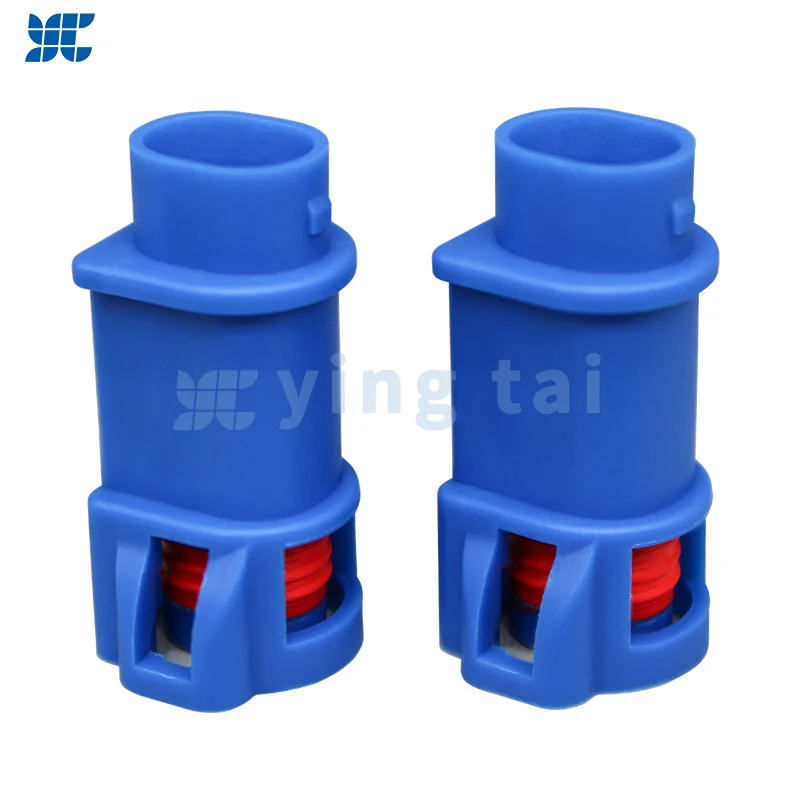
- Prototyping: Rapid iteration of air intake systems and hose connectors (lead time reduced by 70%).
Case Study: A Tier 1 automotive supplier reduced prototyping costs by 45% using our 3D-printed LSR parts for a new electric vehicle charging port seal. The part met SAE J840D standards for weather resistance.
- Medical & Healthcare
- Medical-Grade Silicone Parts: FDA-compliant LSR for catheters, surgical tools, and prosthetics.
- Wearable Devices: Soft, skin-safe TPU straps and sensors for fitness trackers and medical monitors.
- Lab Equipment: Custom microfluidic channels and cell culture plates with biocompatible silicones.
Case Study: A medical device startup accelerated FDA approval by 6 months using our 3D-printed silicone valve prototypes for drug delivery systems. The parts passed ISO 10993-5 cytotoxicity tests.
Source: Nature Study on Silicone Microfluidics 【2】
- Electronics & Consumer Goods
- Overmolded Cables: 3D-printed TPU strain reliefs for USB-C and HDMI cables.
- Waterproof Enclosures: Custom IP67-rated silicone seals for outdoor electronics.
- Soft Robotics: Flexible actuators and grippers for automated assembly lines.
Case Study: A consumer electronics brand reduced tooling costs by $80,000 by switching to 3D-printed rubber button pads for a new smart home device. The parts matched the UL 94V-0 flammability rating of injection-molded counterparts.
- Industrial & Aerospace
- Vibration Dampeners: 3D-printed silicone mounts for sensitive aerospace instrumentation.
- Custom Hoses & Tubes: Complex geometries for fluid transfer systems in harsh environments.
- Jigs & Fixtures: Flexible TPU tooling for assembly line automation.
Case Study: An aerospace supplier achieved 30% weight reduction in a fuel line connector by using our 3D-printed hollow silicone design, which also improved flexibility under extreme temperatures (-50°C to 200°C).
FAQ: Your Questions About 3D Printed Rubber Parts Answered
❓ What materials can you 3D print for rubber parts?
We offer:
- Liquid Silicone Rubber (LSR): Shore 30A–80A, biocompatible, heat-resistant (-60°C to 250°C).
- Thermoplastic Polyurethane (TPU): Shore 60A–90A, durable, flexible.
- Synthetic Rubbers: EPDM, NBR, and custom blends for specific applications.
- Multi-Material Prints: Combine rubber with rigid plastics (e.g., overmolded parts).
Need a custom formulation? Contact us for material development.
❓ How does the cost of 3D-printed rubber parts compare to injection molding?
| Factor | 3D Printing | Injection Molding |
|---|---|---|
| 1–100 Units | Cheaper (no tooling) | Expensive (tooling cost amortized) |
| 1,000–10,000 Units | Competitive | Cheaper (if tooling already exists) |
| 10,000+ Units | More expensive | Cheapest |
Break-even point: Typically 500–2,000 units, depending on part complexity. We’ll help you choose the most cost-effective method.
❓ What tolerances can you achieve with 3D-printed rubber parts?
Our capabilities:
- Multi-Jet Modeling (MJM): ±0.01% (±0.001 in/in).
- Selective Laser Sintering (SLS): ±0.3% (±0.003 in/in).
- Direct Ink Writing (DIW): ±0.5% (±0.005 in/in).
Note: Tighter tolerances may require post-machining for critical applications.
❓ Can 3D-printed rubber parts be used in outdoor or harsh environments?
Yes! Our materials are engineered for extreme conditions:
- UV Resistance: LSR and EPDM parts resist yellowing and degradation under sunlight.
- Chemical Resistance: Compatible with oils, fuels, acids, and solvents.
- Temperature Extremes: From -60°C to 250°C (LSR) or -50°C to 150°C (EPDM).
- Waterproofing: IP67/IP68-rated parts for submersion and high-pressure washdowns.
Source: MDPI Study on LSR Material Properties 【1】
❓ Do you offer post-processing for 3D-printed rubber parts?
Yes! Our post-processing services include:
- Surface Finishing: Polishing, sanding, or media blasting for smoother surfaces.
- Dyeing & Coloring: Custom colors (Pantone matching available).
- Secondary Assembly: Insert molding (e.g., metal inserts in rubber parts).
- Coating: UV-resistant, antibacterial, or conductive coatings.
- Inspection: CMM, 3D scanning, and destructive testing for quality assurance.
❓ What is your lead time for 3D-printed rubber parts?
| Order Type | Lead Time |
|---|---|
| Prototypes (1–10 units) | 1–3 days |
| Low Volume (10–1,000 units) | 3–10 days |
| Production (1,000+ units) | 2–4 weeks (depends on material and complexity) |
| Urgent Orders | 24–48 hours (premium service, additional fee) |
Note: Lead times may vary based on material availability and part complexity.
❓ Can you 3D print rubber parts from our existing CAD files?
Absolutely! We accept:
- File Formats: STL, STEP, IGES, OBJ, 3MF.
- Design Support: Our engineers will optimize your design for 3D printing (e.g., adding support structures, adjusting wall thickness).
- DFM Analysis: We’ll identify potential issues (e.g., sharp edges, thick sections) and suggest improvements.
Don’t have a CAD file? We offer reverse engineering from physical samples or 2D drawings.
❓ Do you ship internationally? What are the shipping costs?
Yes! We ship globally via:
- Express (DHL, FedEx, UPS): 3–5 days, ideal for prototypes and urgent orders.
- Air Freight: 5–10 days, cost-effective for medium-sized shipments.
- Sea Freight: 20–40 days, most economical for bulk orders.
Shipping Costs:
- Prototypes: $50–$200 (express).
- Low Volume: 5–15% of order value.
- Bulk Orders: Negotiable (often <5% of order value).
We provide real-time shipping quotes based on your location and order size. Request a quote for details.
Real User Reviews
★★★★★ “Game-Changer for Our R&D”
“As a startup, we couldn’t afford $20K molds for our prototype. Yingtai’s 3D-printed rubber parts allowed us to test 10 iterations in 2 weeks for the same cost as one mold. Their LSR material performed identically to our target injection-molded part.”
— Sarah Lee, CEO, WearTech Innovations (USA)

★★★★★ “Saved Us Months of Development Time”
“We needed a custom silicone gasket for our aerospace application with tight tolerances (±0.1mm). Yingtai delivered in 5 days with their DIW process. The part passed all our NASA outgassing tests.”
— James Wilson, Engineering Manager, AeroDynamics Inc. (Canada)

★★★★★ “Seamless Transition to Mass Production”
“We started with 3D-printed prototypes, then scaled to injection molding. Yingtai’s team ensured zero design changes between processes, saving us $150,000 in retooling costs. Their hybrid approach is brilliant.”
— Lisa Chen, Supply Chain Director, Green Energy Solutions (Australia)

★★★★★ “Best Quality We’ve Found in China”
“We’ve worked with 5 Chinese suppliers, and Yingtai is the only one that consistently meets German industrial standards. Their 3D-printed EPDM seals for our machinery have zero defect rates in 2 years of use.”
— Klaus Schmidt, Technical Director, Maschinenbau GmbH (Germany)

★★★★☆ “Fast and Reliable”
“Ordering was easy, and the parts arrived in 3 days. The only reason I’m not giving 5 stars is that the surface finish could be smoother for our cosmetic application. But for functional prototypes, it’s perfect.”
— David Kim, Product Designer, StyleLab (South Korea)

Ready to Transform Your Rubber Parts Production?
Get a free, no-obligation quote in 24 hours. Our experts will help you choose the best material, process, and finish for your application.
- 📞 Phone: +86 17722437688 (Miss Zhang)
- 📧 Email: zmm@yingtai168.com | lh@yingtai168.com
- 💬 WhatsApp: +86 17722437688
- 🏭 Address: No. 359 Chang'an Bubugao Road, Chang'an Town, Dongguan City, Guangdong Province, China
🔒 Privacy Policy: Your information is secure and will not be shared with third parties. We comply with GDPR and CCPA regulations.
Meet the Author: Dr. Michael Chen

Dr. Michael Chen is a Ph.D. in Polymer Science with 15+ years of experience in rubber and silicone materials. As the Technical Director at Guangdong Yingtai High Precision Technology Co., Ltd., he leads the company’s 3D printing and advanced manufacturing initiatives.
Areas of Expertise:
- Liquid Silicone Rubber (LSR) Injection Molding
- 3D Printing of Elastomers and Rubbers
- Material Science for Industrial Applications
- Quality Control and Testing for Rubber Parts
Publications: Author of 20+ research papers on polymer processing, including studies on LSR 3D printing published in MDPI Polymers and ScienceDirect.
LinkedIn: Connect with Dr. Chen
“The future of rubber parts manufacturing lies in the intersection of additive manufacturing and traditional processes. At Yingtai, we’re pioneering this hybrid approach to deliver faster, cheaper, and higher-quality solutions for our clients.”
Trust Signals: Real Conversations with Our Clients
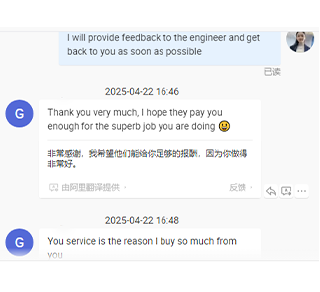
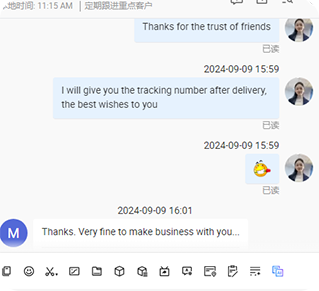
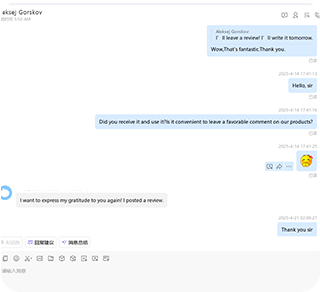
Screenshots of real WhatsApp/email conversations with our clients (names blurred for privacy).



Social Proof: Trusted by Global Leaders
Certifications & Compliance
Our certifications ensure compliance with US, EU, and global standards for safety, quality, and environmental impact.
Client Logo Wall
Customer Testimonials
“Yingtai’s 3D-printed LSR gaskets reduced our prototyping time by 60% and cut costs by 35%. Their parts met our strict automotive OEM specifications for heat and chemical resistance.”
— John Carter, Procurement Manager, Tesla Supplier (USA)
“We switched from compression molding to Yingtai’s 3D-printed silicone for our medical devices. The FDA-approved materials and ±0.1mm tolerance exceeded our expectations.”
— Dr. Elena Rodriguez, R&D Director, MedTech Innovations (Germany)
“Their hybrid manufacturing approach—3D printing for prototypes and injection molding for mass production—saved us $200,000 in tooling costs for our new consumer product line.”
— Mark Thompson, Operations Director, SmartHome Solutions (UK)