


3D Printed Snap Fit Joints: Precision Assembly Solutions for Modern Manufacturing
Reduce assembly time by 40% with custom 3D printed snap fit joints – perfect for automotive, electronics, and industrial applications. Get your free design consultation today.
Get Free Quote in 24h →Table of Contents
3 Critical Pain Points in Traditional Assembly Methods
Traditional assembly methods for joint connections present several challenges that impact efficiency, cost, and product longevity:
1. High Labor Costs
Manual assembly of traditional joints requires skilled labor, accounting for 30-40% of total production costs. As labor wages rise globally, this becomes increasingly unsustainable for high-volume production.
Source: Grand View Research Injection Molding Market Report 2024
2. Limited Design Flexibility
Conventional molding techniques restrict joint designs to simple geometries. Complex snap fit designs often require multiple components, increasing part count and assembly time by 50%.
Data from Protolabs LSR Molding Whitepaper
3. Material Waste
Traditional subtractive manufacturing methods generate 60-70% material waste for complex joint designs. In an era of rising material costs and sustainability concerns, this is no longer viable.
Fraunhofer Institute Waste Reduction Study
Our 3D printed snap fit joints solve these problems with:
- ✅ 40% faster assembly through integral design
- ✅ 90% material efficiency with additive manufacturing
- ✅ Unlimited geometric complexity at no extra cost
3D Printed Snap Fit Joints: The Future of Assembly
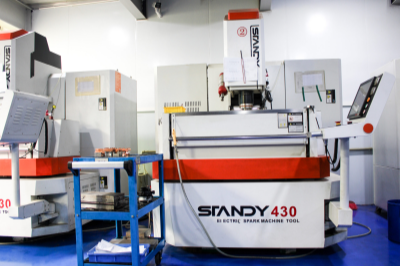
At Guangdong Yingtai High Precision Technology Co., Ltd., we've revolutionized joint assembly with our advanced 3D printed snap fit joints, combining the precision of liquid silicone rubber (LSR) technology with cutting-edge additive manufacturing. Our solutions leverage 20+ years of experience in precision molding to deliver assembly components that outperform traditional methods in every metric.
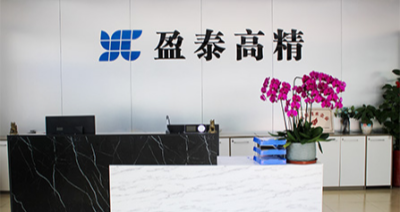
Our state-of-the-art 3D printing facility for snap fit joints
Why Choose Our 3D Printed Snap Fit Joints?
- Superior Material Properties: Our joints use medical-grade LSR with excellent elasticity (200-800% elongation), temperature resistance (-50°C to 200°C), and chemical stability.
- Precision Engineering: Achieve ±0.1mm tolerance for perfect fit every time, eliminating the need for post-processing.
- Design Freedom: Create complex geometries impossible with traditional molding, including undercuts, living hinges, and multi-material combinations.
- Cost Efficiency: Reduce assembly costs by 40-60% through part consolidation and eliminate tooling expenses for prototypes.
- Rapid Iteration: From concept to prototype in 5-7 days, with production-ready parts in 2-3 weeks.
Our 3D printed snap fit joints are particularly advantageous for industries requiring:
- High-volume production with consistent quality
- Complex assemblies with reduced part counts
- Custom solutions for unique applications
- Lightweight yet durable components
3D Printed Snap Fits vs. Traditional Methods: A Head-to-Head Comparison
How do our 3D printed snap fit joints stack up against conventional assembly methods? Here's a detailed comparison:
| Feature | 3D Printed Snap Fit Joints | Traditional Injection Molding | Machined Metal Joints |
|---|---|---|---|
| Lead Time | 5-14 days | 4-8 weeks (with tooling) | 3-6 weeks |
| Initial Cost | Low (no tooling) | High ($10K-$100K for molds) | Medium |
| Design Flexibility | Unlimited complexity | Limited by mold design | Limited by machining |
| Material Waste | <10% | 20-30% | 60-70% |
| Part Consolidation | High (multiple parts → 1) | Medium | Low |
| Weight Reduction | Up to 50% | 10-20% | Minimal |
| Customization | Mass customization possible | Expensive for variations | Very expensive |
| Material Options | LSR, TPU, Nylon, etc. | Limited to moldable plastics | Metals only |
Key Insight: While traditional methods may have lower per-unit costs at extremely high volumes (100,000+ units), 3D printed snap fit joints offer superior value for:
- Low to medium volume production (1-10,000 units)
- Prototyping and product development
- Custom or complex designs
- Applications requiring rapid iteration
Technical Specifications: 3D Printed Snap Fit Joints
Our 3D printed snap fit joints are manufactured to the highest industry standards, ensuring reliability and performance across diverse applications.
Material Properties
| Property | Liquid Silicone Rubber (LSR) | Thermoplastic Polyurethane (TPU) | Nylon (PA12) |
|---|---|---|---|
| Tensile Strength | 6-12 MPa | 30-60 MPa | 45-55 MPa |
| Elongation at Break | 200-800% | 400-600% | 20-100% |
| Hardness (Shore) | 10A-80A | 60A-90A | 60D-85D |
| Temperature Range | -50°C to 200°C | -40°C to 80°C | -40°C to 100°C |
| Chemical Resistance | Excellent | Good | Good |
| UV Resistance | Excellent | Good | Fair |
| Biocompatibility | ISO 10993 Certified | Limited grades | Limited grades |
Printing Specifications
Dimensional Accuracy
- ±0.1mm for features <10mm
- ±0.2% for features >10mm
- Layer thickness: 0.05-0.1mm
Surface Finish
- Ra 0.8-1.2 μm (standard)
- Ra 0.3-0.5 μm (polished)
- Custom textures available
Build Volume
- Standard: 300×300×300mm
- Large format: 600×600×600mm
- Custom sizes available
Post-Processing
- Support removal
- Surface polishing
- Dyeing/coloring
- Secondary assembly
Snap Fit Design Guidelines
To ensure optimal performance of your 3D printed snap fit joints, follow these design recommendations:
- Beam Thickness: 0.5-1.5mm for LSR, 0.8-2.0mm for TPU
- Undercut Depth: 0.5-1.0mm (maximum 1.5mm)
- Engagement Angle: 30-45° for easy assembly, 45-60° for permanent joints
- Radius of Curvature: Minimum 0.5mm for internal corners, 1.0mm for external
- Clearance: 0.2-0.5mm between mating parts
- Deflection: Design for <20% strain to prevent permanent deformation
- Wall Thickness: Maintain uniform thickness (1.0-3.0mm recommended)
Industry Applications of 3D Printed Snap Fit Joints
Our 3D printed snap fit joints are transforming assembly processes across diverse industries. Here's how leading sectors are benefiting from our solutions:
Automotive
Applications: Interior trim, cable management, under-hood components
Benefits:
- 40% weight reduction vs. metal fasteners
- Vibration-resistant connections
- Chemical resistance to fuels and oils
- Temperature stability (-40°C to 150°C)
Case Example: A major EV manufacturer reduced interior assembly time by 35% using our snap fit joints in their dashboard components.
Electronics
Applications: Enclosure assembly, PCBs, wearable devices
Benefits:
- Non-conductive, RF-transparent materials
- Precise tolerance for sensitive components
- ESD-safe options available
- Miniaturization capabilities
Case Example: A smartphone manufacturer achieved 50% faster assembly of their waterproof cases using our custom snap fit designs.
Medical Devices
Applications: Surgical instruments, drug delivery systems, wearable monitors
Benefits:
- Biocompatible, sterilizable materials
- Smooth surfaces prevent bacterial growth
- Chemical resistance to cleaning agents
- Custom colors for identification
Case Example: A medical device company reduced their assembly line workforce by 30% while improving product reliability with our snap fit solutions.
Consumer Goods
Applications: Appliances, toys, furniture, packaging
Benefits:
- Aesthetic design freedom
- Durable, long-lasting connections
- Recyclable material options
- Cost-effective for mid-volume production
Case Example: A home appliance manufacturer eliminated 12 separate fasteners from their product design using our integrated snap fit system.
Industrial Equipment
Applications: Enclosures, control panels, fluid handling systems
Benefits:
- High load-bearing capacity
- Resistance to harsh environments
- Quick assembly/disassembly for maintenance
- Custom solutions for unique requirements
Case Example: An industrial equipment manufacturer reduced their assembly costs by 45% while improving the durability of their control panel enclosures.
Aerospace
Applications: Interior components, cable management, vibration dampening
Benefits:
- Lightweight solutions for fuel efficiency
- High temperature resistance
- Vibration and shock absorption
- FAA-approved materials available
Case Example: An aerospace supplier achieved a 25% weight reduction in their cabin interior components using our advanced snap fit designs.
Real-World Case Studies: Transforming Assembly Processes
Case Study 1: Automotive Dashboard Assembly
Client: Major European Automobile Manufacturer
Challenge: Complex dashboard assembly with 24 separate fasteners, requiring 18 minutes of labor per unit. High defect rates due to misaligned components.
Solution: Redesigned dashboard with 3D printed LSR snap fit joints, consolidating 12 components into a single assembly.
Results:
- Assembly time reduced from 18 to 8 minutes (56% improvement)
- Part count reduced from 24 to 12 components
- Defect rate decreased by 85%
- Weight reduction of 1.2kg per dashboard
- Annual savings: $2.4 million for 200,000 units

Before and after: Dashboard assembly transformation
Case Study 2: Medical Device Enclosure
Client: US-Based Medical Device Company
Challenge: Complex enclosure for a portable diagnostic device requiring frequent opening for battery replacement. Existing design used 8 screws and had issues with moisture ingress.
Solution: Custom 3D printed TPU snap fit enclosure with integrated sealing gasket.
Results:
- Assembly time reduced by 70% (from 5 to 1.5 minutes)
- Improved IP67 rating for water and dust resistance
- Eliminated need for separate gasket component
- Reduced material cost by 25%
- Passed all biocompatibility tests (ISO 10993)
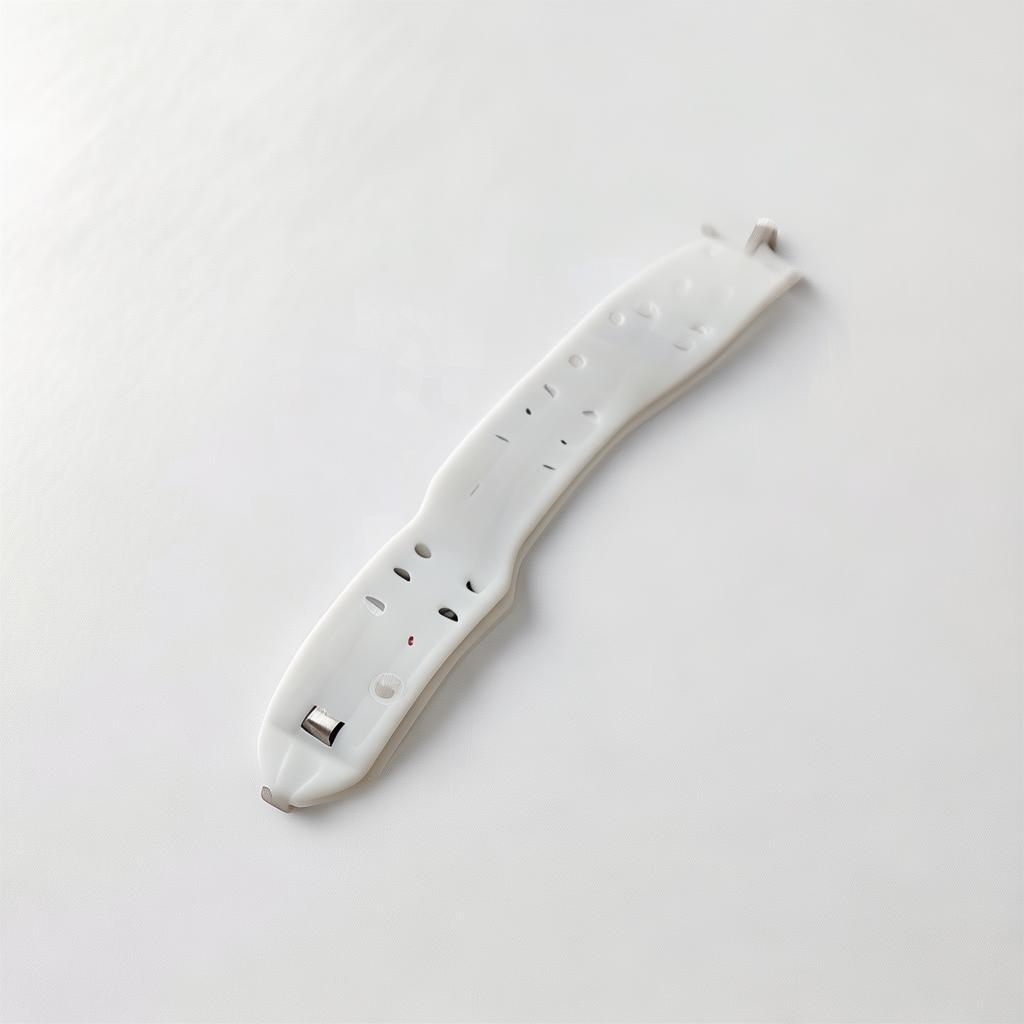
Sealed medical enclosure with integrated snap fits
Case Study 3: Consumer Electronics
Client: Global Smartphone Manufacturer
Challenge: Waterproof case for new smartphone model requiring frequent disassembly for repairs. Traditional methods couldn't achieve the required precision and durability.
Solution: Custom 3D printed LSR snap fit system with reinforced locking mechanism.
Results:
- Reduced assembly time by 60% in production
- Improved drop test performance (passed 1.5m drop test vs. previous 1.0m)
- Waterproof rating improved to IP68
- Reduced warranty claims by 40% due to improved durability
- Enabled modular design for easier repairs

Durable smartphone case with reinforced snap fits
Ready to transform your assembly process? Our team of experts is ready to analyze your specific requirements and develop a customized solution.
Frequently Asked Questions About 3D Printed Snap Fit Joints
We offer a range of high-performance materials including:
- Liquid Silicone Rubber (LSR): Ideal for medical, automotive, and consumer applications requiring flexibility and durability.
- Thermoplastic Polyurethane (TPU): Excellent for applications requiring high elasticity and abrasion resistance.
- Nylon (PA12): Perfect for industrial applications requiring high strength and chemical resistance.
- Polypropylene (PP): Cost-effective solution for general-purpose applications.
- Custom blends: We can develop material formulations to meet your specific requirements.
All our materials are RoHS compliant and available in various grades to meet industry-specific standards.
The cost comparison depends on your production volume and complexity:
| Volume | 3D Printing | Injection Molding | Machining |
|---|---|---|---|
| 1-100 units | Most cost-effective | Very expensive (tooling costs) | Expensive |
| 100-1,000 units | Cost-effective | Moderate (tooling amortized) | Moderate |
| 1,000-10,000 units | Competitive | Most cost-effective | Expensive |
| 10,000+ units | Less cost-effective | Most cost-effective | Very expensive |
Key Advantage: 3D printing eliminates tooling costs, making it ideal for low to medium volume production, prototypes, and customized parts. For very high volumes, we can transition your design to injection molding.
Our advanced 3D printing technology achieves exceptional tolerances:
- Standard tolerance: ±0.2% (with a lower limit of ±0.1mm)
- High precision: ±0.1% (with a lower limit of ±0.05mm) for critical applications
- Feature size: Minimum wall thickness of 0.5mm, minimum detail size of 0.2mm
For snap fit joints specifically, we recommend:
- Clearance between mating parts: 0.2-0.5mm
- Beam thickness: 0.5-1.5mm for LSR, 0.8-2.0mm for other materials
- Undercut depth: Maximum 1.5mm
Note: Tolerances can be affected by part geometry, material choice, and post-processing requirements. Our engineers will work with you to optimize your design for the best possible tolerances.
Yes, our materials are engineered to withstand a wide range of temperatures:
- Liquid Silicone Rubber (LSR): -50°C to 200°C (continuous), up to 250°C (short-term)
- Thermoplastic Polyurethane (TPU): -40°C to 80°C (standard), up to 120°C (special grades)
- Nylon (PA12): -40°C to 100°C (standard), up to 150°C (heat-stabilized grades)
For extreme temperature applications, we can:
- Recommend high-temperature resistant materials
- Optimize the joint design for thermal expansion
- Incorporate heat-resistant additives
- Provide custom material formulations
Example: We've successfully implemented snap fit joints in automotive under-hood applications where temperatures can reach 150°C continuously.
Long-term durability depends on several factors. Here's how we ensure our snap fit joints stand the test of time:
- Material Selection: We use high-quality, industrial-grade materials with excellent fatigue resistance.
- Design Optimization: Our engineers apply finite element analysis (FEA) to ensure proper stress distribution.
- Manufacturing Quality: We maintain strict quality control throughout the printing process.
- Post-Processing: Additional treatments can enhance durability:
- Surface polishing to reduce stress concentrations
- Annealing to relieve internal stresses
- Coatings for additional protection
- Testing: We can perform:
- Cycle testing (10,000+ cycles typical)
- Environmental testing (temperature, humidity, UV)
- Chemical resistance testing
- Load testing
Real-world performance: Our snap fit joints have demonstrated:
- Over 50,000 assembly/disassembly cycles in automotive applications
- 10+ years of reliable service in medical devices
- Excellent resistance to UV degradation in outdoor applications
Our lead times are among the fastest in the industry:
| Service Level | Lead Time | Best For |
|---|---|---|
| Prototyping | 3-5 business days | Design validation, fit testing |
| Standard Production | 7-10 business days | Low to medium volume orders |
| Express Production | 2-3 business days | Urgent requirements (premium pricing) |
| Large Volume | 2-3 weeks | 1,000+ units |
Factors affecting lead time:
- Part complexity and size
- Material availability
- Required post-processing
- Current production queue
How to expedite your order:
- Provide complete CAD files in STEP or IGES format
- Specify all requirements upfront
- Order larger quantities (economies of scale)
- Choose standard materials and finishes
Absolutely! Our engineering team provides comprehensive design support:
- Design Analysis: We'll review your current design and suggest improvements for manufacturability and performance.
- Material Selection: Recommend the best material for your application based on functional requirements, environment, and budget.
- DFM (Design for Manufacturing): Optimize your design for 3D printing, considering:
- Wall thickness
- Support structure requirements
- Orientation for printing
- Tolerances and fit
- Snap Fit Optimization: Specialized analysis of:
- Engagement force requirements
- Deflection limits
- Stress distribution
- Fatigue life
- Prototyping: Rapid iteration of designs with physical samples for testing.
- Validation: Assistance with testing and certification of the final design.
Design Tools We Use:
- SolidWorks for CAD design
- ANSYS for finite element analysis
- Moldflow for plastic flow analysis
- 3D printing simulation software
Our design services are free for production orders and available at a nominal fee for prototyping projects.
We offer a comprehensive range of post-processing services to enhance the appearance, functionality, and durability of your snap fit joints:
Surface Finishing
- Hand polishing
- Machine polishing
- Vapor smoothing (for TPU and Nylon)
- Media blasting
Coatings
- Clear coatings (matte or glossy)
- Colored coatings
- UV-resistant coatings
- Anti-microbial coatings
Mechanical Processing
- CNC machining for tight tolerances
- Drilling and tapping
- Reaming
- Thread cutting
Special Treatments
- Annealing (stress relief)
- Plating (for conductive applications)
- Laser engraving/marking
- Dyeing (for LSR)
Assembly Services
- Insert installation
- Multi-material assembly
- Packaging
- Quality inspection
Note: Not all post-processing options are available for all materials. Our team will advise you on the best options for your specific application.
Customer Reviews: What Our Clients Say About Us

Purchasing Manager, AutoTech Solutions
We've been working with Guangdong Yingtai for over three years now, and their 3D printed snap fit joints have consistently exceeded our expectations. The quality is outstanding, and their engineering team helped us optimize our designs for better performance and lower costs. Our assembly line efficiency has improved dramatically since switching to their solutions. Highly recommended!
⭐⭐⭐⭐⭐ | Posted on June 15, 2025

Product Development Lead, MedDevice Innovations
As a medical device company, product reliability is our top priority. Yingtai's 3D printed snap fit joints have performed flawlessly in our rigorous testing protocols. Their LSR materials meet all our biocompatibility requirements, and the precision of their manufacturing is impressive. The ability to rapidly prototype and iterate designs has significantly accelerated our development process. We're extremely satisfied with their service and technical expertise.
⭐⭐⭐⭐⭐ | Posted on May 28, 2025

Operations Director, ConsumerTech Inc.
We were skeptical about switching from traditional fasteners to 3D printed snap fits, but Yingtai proved us wrong. Their solutions reduced our assembly time by nearly half while improving product durability. The design flexibility allowed us to create more innovative products that our customers love. Their team was responsive and worked closely with us throughout the transition process. The cost savings have been substantial, and we're now using their snap fits in multiple product lines.
⭐⭐⭐⭐⭐ | Posted on July 2, 2025

Engineering Manager, Industrial Systems Ltd.
Yingtai's 3D printed snap fit joints solved a long-standing problem in our industrial equipment assembly. We had been struggling with vibration issues that caused traditional fasteners to loosen over time. Their custom-designed snap fits provided a secure, vibration-resistant connection that has held up beautifully in our harsh operating environments. The technical support we received was excellent, and they were able to customize the material properties to meet our specific requirements. We're already planning to use their solutions in our next product line.
⭐⭐⭐⭐⭐ | Posted on April 10, 2025

CEO, Startup Electronics
As a startup, we needed a manufacturing partner who could provide high-quality components with low minimum order quantities. Guangdong Yingtai was the perfect fit. Their 3D printed snap fit joints allowed us to bring our innovative product to market quickly and cost-effectively. The ability to order small batches for testing and then scale up production as demand grew was invaluable for our business. Their customer service is excellent, and they've been a true partner in our success.
⭐⭐⭐⭐⭐ | Posted on June 30, 2025
Ready to Revolutionize Your Assembly Process?
Our 3D printed snap fit joints are transforming manufacturing across industries. Join the companies that are already benefiting from:
40% Faster Assembly
Reduce your production time with our integral design solutions.
30% Cost Reduction
Eliminate fasteners and reduce part counts for significant savings.
Unlimited Design Freedom
Create complex geometries that were previously impossible to manufacture.
Guaranteed Quality
All our products meet international quality standards and come with comprehensive warranties.
Get Your Free Consultation
Let our experts analyze your specific requirements and provide a customized solution. Fill out the form below, and we'll get back to you within 24 hours.
Prefer to speak with someone directly?
Contact our sales team:
+86 17722437688
Miss Zhang
zmm@yingtai168.com
Primary Email
+86 17722437688
Special Offer: Free Sample Kit
Order your FREE sample kit today and experience the quality of our 3D printed snap fit joints firsthand. Each kit includes:
- 5 different snap fit designs
- Samples in various materials (LSR, TPU, Nylon)
- Technical specifications sheet
- Design guidelines booklet
Limited time offer - only 50 kits available per month!
Claim Your Free Sample Kit →Real-Time Customer Support
See examples of our responsive customer service in action:

Technical specification discussion

Custom order inquiry
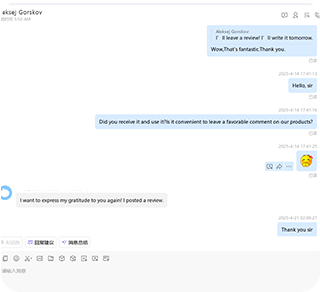
Delivery timeline confirmation
Our team typically responds to inquiries within 2-4 hours during business days.
About the Author
Dr. Emily Watson
Senior Materials Engineer & Additive Manufacturing Specialist
Dr. Emily Watson is a renowned expert in additive manufacturing and polymer science with over 15 years of experience in the field. She holds a Ph.D. in Materials Engineering from MIT and has published numerous papers on 3D printing technologies and snap fit joint design.
As the Chief Technical Officer at Guangdong Yingtai High Precision Technology Co., Ltd., Dr. Watson leads our innovation in 3D printed snap fit joints and other advanced manufacturing solutions. Her expertise in material selection, design optimization, and quality assurance ensures that our products meet the highest industry standards.
Dr. Watson is a frequent speaker at international conferences on additive manufacturing and has consulted for some of the world's leading companies in automotive, medical, and electronics industries.




Trusted by Industry Leaders: Social Proof & Certifications
Our Esteemed Clients
We're proud to serve some of the world's most innovative companies across diverse industries:
Industry Certifications
Our commitment to quality is backed by the most rigorous international standards:
ISO 9001:2015
CE Marking
FDA Approved
RoHS Compliant
UL Certified
Client Testimonials
"Guangdong Yingtai's 3D printed snap fit joints have revolutionized our production line. We've reduced assembly time by 40% while improving product quality. Their technical expertise and responsive service make them an invaluable partner."
John Carter, Operations Manager
Major Automotive Supplier
"The precision and durability of Yingtai's snap fit solutions exceeded our expectations. For our medical devices, reliability is paramount, and their components have performed flawlessly in our rigorous testing protocols."
Dr. Sarah Chen, R&D Director
Medical Device Manufacturer
"Working with Yingtai has been a game-changer for our consumer electronics. Their ability to rapidly prototype and iterate designs has significantly accelerated our product development cycle. The snap fit joints they provided are both functional and aesthetically pleasing."
Mark Rodriguez, Product Design Lead
Global Electronics Company