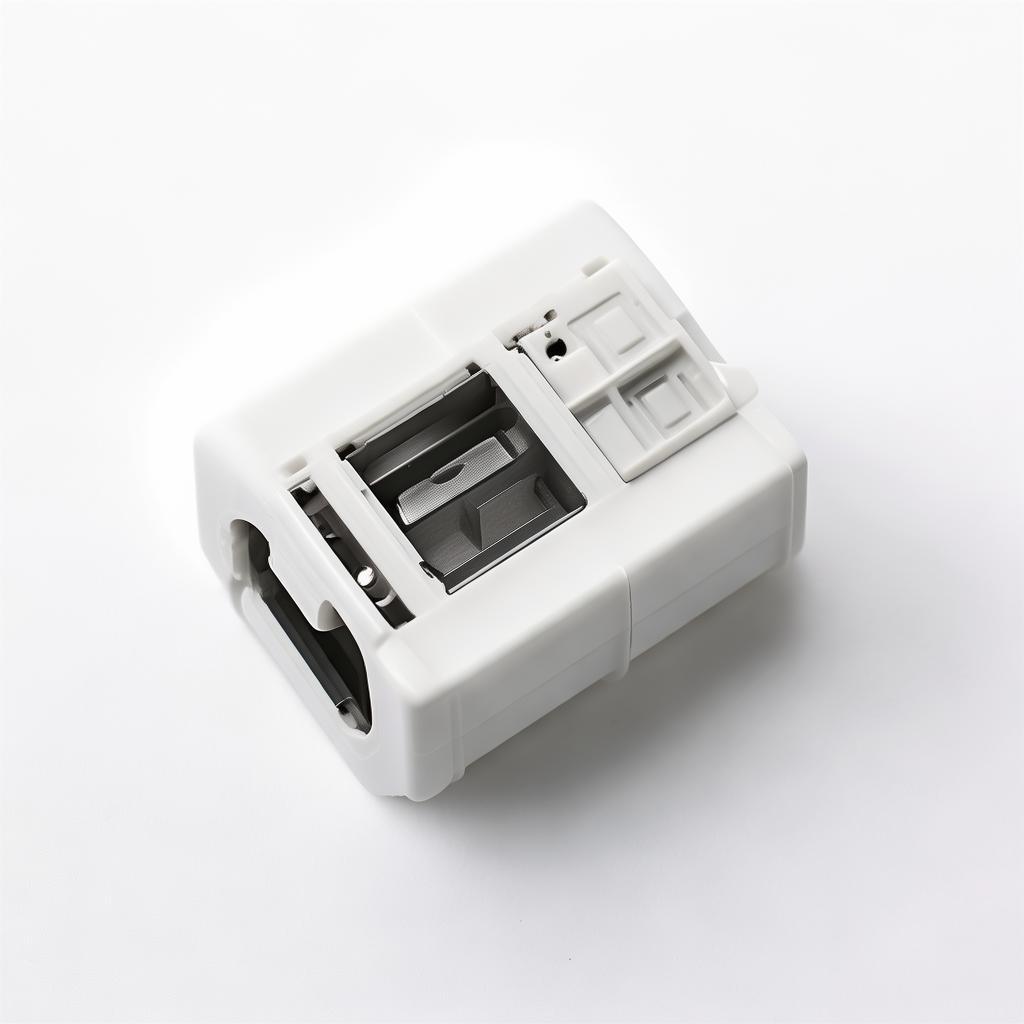
Harnessing advanced 3D printing technologies with biocompatible materials revolutionizes medical, dental, and wearable device manufacturing. Discover operational realities, technical nuances, and sourcing strategies deeply grounded in industry experience. In the industrial production of 3D
Product Details
3D Printing Biocompatible Materials: Precision, Performance & Procurement Insights
Harnessing advanced 3D printing technologies with biocompatible materials revolutionizes medical, dental, and wearable device manufacturing. Discover operational realities, technical nuances, and sourcing strategies deeply grounded in industry experience.
Industry Pain Points in Biocompatible 3D Printing
In the industrial production of 3D printed biocompatible components, procurement and operations teams frequently encounter several critical challenges. Chief among them is material consistency — variations in polymer formulation or contamination can compromise patient safety or device functionality. Likewise, stringent regulatory hurdles, including compliance with ISO 10993 biocompatibility standards and FDA USP Class VI certifications, often delay product launches.
Production scaling intensifies these issues. Manufacturers may find that the tight tolerances required for medical-grade devices are difficult to sustain at volume without advanced process controls or consistent material sourcing. Logistics present another operational hurdle — many biocompatible photopolymers and silicones necessitate temperature-controlled shipping to prevent degradation.
For purchasing managers, balancing cost pressures with quality risks is an ongoing dilemma. Overseas sourcing can reduce unit expenses but might introduce longer lead times or inconsistent technical support. Conversely, domestic suppliers typically offer swifter communication yet at a premium. This tension underscores the importance of supplier evaluation based on comprehensive criteria beyond just price.
Material Variability: Differences in raw materials cause inconsistent biocompatibility and mechanical performance.
Regulatory Compliance: Navigating FDA, CE, and ISO certifications demands thorough documentation and rigorous testing.
Production Repeatability: Achieving consistent part quality at scale is difficult without validated molding or printing parameters.
Supplier Reliability: Lack of transparent supply chain data can increase risk of delays or substandard goods.
Material Properties & Technical Deep Dive
Biocompatible materials suited for 3D printing mostly fall into categories like liquid silicone rubber (LSR), photopolymer resins, and thermoplastic polyurethanes (TPU). Each comes with its own set of mechanical properties, curing or solidification methods, and compliance standards.
The LSR category stands out due to its excellent heat resistance, flexibility, and exceptional compatibility with human tissue. LSR materials injected via liquid injection molding or processed through emerging 3D printing methods such as direct ink writing offer high precision with strong regulatory pedigree (FDA & ISO 10993). Meanwhile, biocompatible photopolymers used in stereolithography (SLA) allow intricate geometries and rapid prototyping but require post-curing and rigorous biocompatibility validation.
Material
Typical Process
Key Properties
Certifications
Liquid Silicone Rubber (LSR)
Injection Molding, Direct Ink Writing
High elasticity, thermal stability, USP Class VI, biocompatible
FDA, ISO 10993, RoHS
Biocompatible Photopolymers
SLA, DLP 3D Printing
High resolution, UV-cured, moderate flexibility, post-process required
ISO 10993, USP Class VI, CE
Thermoplastic Polyurethane (TPU)
FDM, SLS 3D Printing
Good abrasion resistance, flexible, sterilizable
ISO 10993, FDA
Selecting the right material depends heavily on the final application’s mechanical demands, exposure to sterilization processes, and regulatory constraints. For instance, LSR’s thermal resistance and softness make it suitable for wearable sensors or flexible medical implants, while photopolymers excel in detailed customized dental trays or surgical guides.
Operationally, process parameters such as curing temperature, layer thickness (in additive manufacturing), and mold design critically influence dimensional accuracy and surface finish. Manufacturers experienced in integrating advanced CAE simulation and real-time process monitoring often report fewer defects and accelerated time-to-market, as underscored by recent research into rheological characterization methods for LSR injection molding (MDPI Polymer Studies).
Application Scenarios & Use Cases
3D printing biocompatible materials are used extensively across multiple industry verticals. Here are some key applications where operational know-how matters for procurement and manufacturing planning:
Medical Devices: Customized surgical guides, implants, and prosthetics requiring intricate geometry and biocompatibility certified to ISO 10993 standards.
Dental Applications: Crowns, orthodontic appliances, impression trays printed with high-detail photopolymers or soft silicone materials for patient comfort.
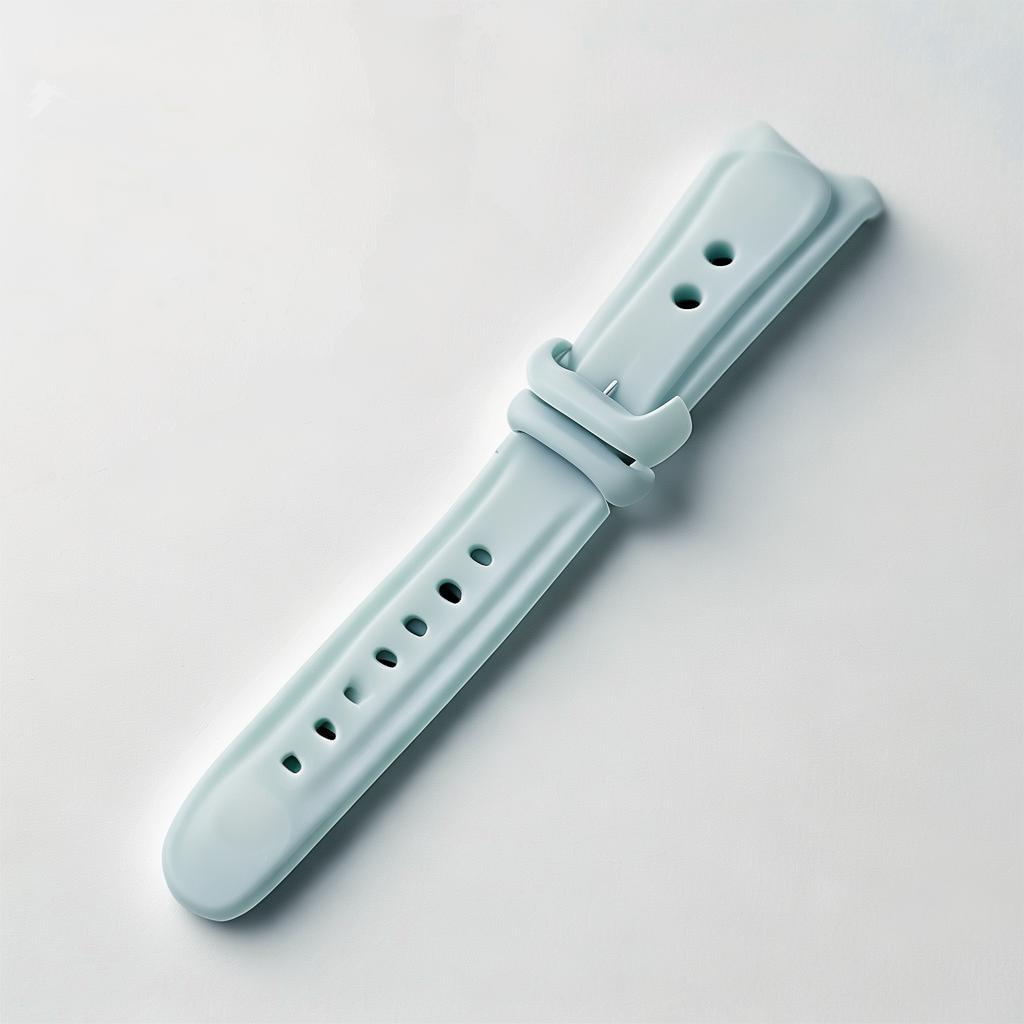
Wearable Electronics: Flexible sensors and seals manufactured using LSR for skin contact where hypoallergenic performance is essential.
Soft Robotics: Actuators and compliant components built with elastomeric silicone that tolerates repeated deformation without failure.
Laboratory Equipment: Microfluidic chips and culture chambers fabricated by injection molding of biocompatible LSR in precision tooling.
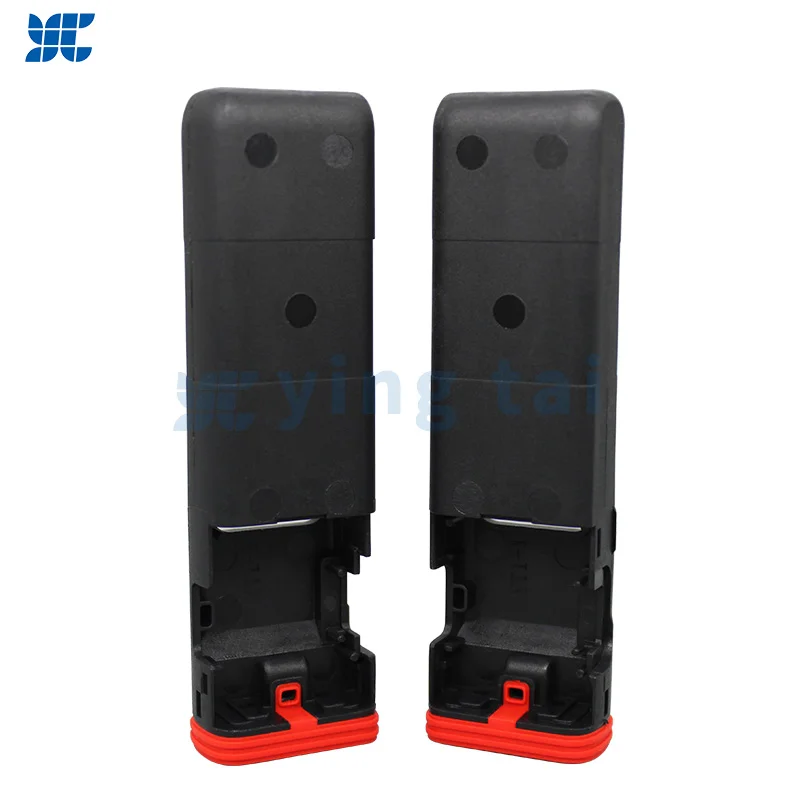
When developing biocompatible components, designers and engineers must coordinate material selection with functional requirements and manufacturing capabilities. Suppliers equipped with integrated intellectual manufacturing systems — like Guangdong Yingtai High Precision Technology Co., Ltd., which combines mould development through finished product fabrication — bring notable operational advantages by shortening lead times and enhancing part quality.
Navigating supplier options for biocompatible 3D printing materials and manufacturing requires a balance of technical validation and logistic pragmatism. Procurement specialists should focus beyond initial pricing to consider:
Certification Transparency: Request full documentation on FDA, ISO 10993, USP Class VI, and CE approvals relevant to your intended applications.
OEM/ODM Capabilities: Verify the supplier’s ability to support custom mold designs, multi-component overmolding, or hybrid injection molding as needed. This flexibility can reduce tooling revisions.
Rationalized Lead Times: Confirm realistic estimates for sample production, mass manufacturing, and shipping. Established factories with integrated workflows often offer better predictability.
Materials Traceability: Ensure that material batches can be traced for compliance and quality control — vital for risk mitigation in medical device manufacturing.
After-Sales Support: Assess technical support responsiveness and engineering consultation availability to address design optimizations or troubleshooting promptly.
For example, Guangdong Yingtai High Precision Technology Co., Ltd., with 35,000 m² of industrial park space and over 50 injection molding machines, coordinates entire supply chains from silicon molding to finished assembly. Their export director Miss Zhang (+86 17722437688) is available to discuss OEM options, pricing structures, and customized sample requests.
Pro Tip:When evaluating suppliers, consider factories that integrate precision mold development with advanced inspection instruments, as this often correlates with higher-quality output and fewer production defects.
Technical Specifications & Certification Overview
Below is a summary table outlining typical technical specifications for widely used biocompatible 3D printing materials alongside primary certifications critical for medical-grade manufacturing:
It is worth noting that even within a single material category, technical performance can vary significantly depending on supplier formulations and batch consistency. Comprehensive third-party testing and detailed certificates are indispensable for ensuring materials meet the stringent requirements of healthcare and wearable product manufacturing.
Maintenance & Logistics Considerations
Material handling and storage exert a direct influence on production quality and supply chain reliability. Biocompatible materials often require specific environmental conditions. For instance, photopolymers must avoid exposure to ambient UV sources and elevated temperatures to prevent premature polymerization. LSR cartridges and silicone raw materials demand dry, stable temperatures to maintain viscosity characteristics.
On-site maintenance also involves routine calibration of printers or injection molding setups. Deviations in nozzle temperature or injection pressure can lead to dimensional inaccuracies or degraded mechanical properties. Factories emphasizing preventive maintenance — including regular inspection of molds, filters, and injection machines — experience less downtime and defect-related rejections.
Important:Ensure supplier-provided Material Safety Data Sheets (MSDS) and handling procedures are strictly followed to avoid contamination or accidental curing during transportation and storage.
Shipping biocompatible materials internationally involves compliance with customs regulations, temperature-controlled transport (especially for liquid silicones), and packaging designed to prevent material degradation. Vendors experienced in cross-border logistics, like Guangdong Yingtai, optimize container loading and expedite customs clearance to reduce lead times for North American clients.
Frequently Asked Questions
Q1: What makes a material biocompatible for 3D printing?
Biocompatibility means that the material does not produce toxic or immunological responses when in contact with living tissues. This is validated through tests outlined in ISO 10993, and materials are often required to meet FDA standards for medical devices.
Q2: How is liquid silicone rubber processed in 3D printing?
LSR can be processed by advanced additive methods such as direct ink writing, where a viscous two-component silicone is extruded layer by layer before curing. Injection molding remains dominant for high-volume production, offering reliable dimensional accuracy and performance.
Q3: What are typical lead times for custom biocompatible 3D printed parts?
Lead times vary based on part complexity and volume. Prototype samples may be delivered within 10-15 business days using rapid prototyping methods, while scaled production with custom molds typically requires 4-8 weeks. Factories with in-house tooling shorten timelines.
Q4: How do I ensure regulatory compliance for printed medical parts?
Work with suppliers who provide complete certification packages, including biocompatibility test reports, material safety records, and process validation documentation. Additionally, trace each batch of material and maintain production records to fulfill audit requirements.
Q5: Is 3D printing suitable for high-volume production of biocompatible components?
While additive manufacturing excels in low-volume or complex customized parts, injection molding of materials like LSR remains the preferred method when high consistency, lower unit cost, and scale are priorities. Hybrid approaches are emerging for leveraging benefits of both.
Customer Reviews & Procurement Scenarios
Mark JensenProcurement Manager, Medical Devices - Boston, MA
“Switching to Guangdong Yingtai for our biocompatible LSR sealing components reduced our supplier bottlenecks significantly. Their integrated mold development coupled with batch traceability gave us confidence for FDA compliance audits.”
Get in Touch
If you have any camping barbeque equipment inquiry, please feel free to contact us.



 Mark JensenProcurement Manager, Medical Devices - Boston, MA