


Contents
- Food-Safe 3D Printing: FDA-Compliant Materials for Industrial & Medical Applications
- Why Traditional Food-Grade Manufacturing Falls Short
- Guangdong Yingtai’s Food-Safe 3D Printing Solutions
- LSR vs. Traditional Silicone: A Technical Comparison
- Technical Specifications & Compliance
- Real-World Applications in Food, Medical & Consumer Goods
- Trusted by Global Brands: Certifications & Testimonials
- FAQ: Food-Safe 3D Printing for Industrial Procurement
- Get Your Custom Food-Grade Sample in 7 Days
- Client Reviews
- Meet the Expert: Dr. Li Wei
Food-Safe 3D Printing: FDA-Compliant LSR Materials for Industrial & Medical Applications
Reduce prototyping costs by 40% with Guangdong Yingtai’s FDA, EU 10/2011, and LFGB-certified liquid silicone rubber (LSR)—designed for high-precision food-contact, medical, and consumer goods.
Struggling with lead times, material compliance, or inconsistent quality in food-grade components? Our 35,000 m² smart factory delivers custom LSR 3D-printed and injection-molded parts with ±0.01mm tolerance, backed by 20+ years of silicone expertise.
Request Free Sample & DFM Analysis →
Why Traditional Food-Grade Manufacturing Falls Short
Corporate purchasing managers in the food, medical, and consumer goods industries face 6 critical challenges with conventional manufacturing methods:
1. Regulatory Compliance Risks
37% of food-contact product recalls in 2023 (FDA) were due to material non-compliance with EU 10/2011, FDA 21 CFR §177.2600, or LFGB. Traditional suppliers often lack traceable certifications or use additives (e.g., plasticizers, fillers) that migrate into food. Result: Costly rework, legal liability, and 6–12 month delays in re-certification.
2. High Tooling Costs & Long Lead Times
Steel molds for silicone injection molding can cost $10,000–$50,000, with 8–12 week lead times (per Protolabs). For low-volume or iterative designs, this makes traditional methods prohibitively expensive.
3. Limited Design Flexibility
Conventional injection molding restricts complex geometries (e.g., hollow structures, undercuts, or lattice designs). 3D printing LSR enables topology-optimized parts with 40% weight reduction (per ScienceDirect), but most suppliers lack food-safe material validation.
4. Supply Chain Bottlenecks
The global LSR market is projected to hit $4.97B by 2030 (Grand View Research), but 70% of production is concentrated in China. Logistics delays and tariffs add 15–25% to costs for U.S./EU buyers.
5. Quality Inconsistency
Traditional molding suffers from flash defects, air traps, and incomplete curing, leading to 10–15% rejection rates in food-grade parts. 3D-printed LSR can mitigate these issues with layer-by-layer precision, but requires specialized equipment (e.g., viscosity-controlled printers).
6. Sustainability Pressures
The EU Single-Use Plastics Directive and U.S. FDA’s PFAS ban push brands toward recyclable or bio-based materials. LSR is inert, durable, and recyclable, but only 20% of suppliers offer closed-loop manufacturing (per Fraunhofer).
Your pain point? We solve it with food-safe 3D printing + injection molding.
Guangdong Yingtai’s Food-Safe 3D Printing Solutions
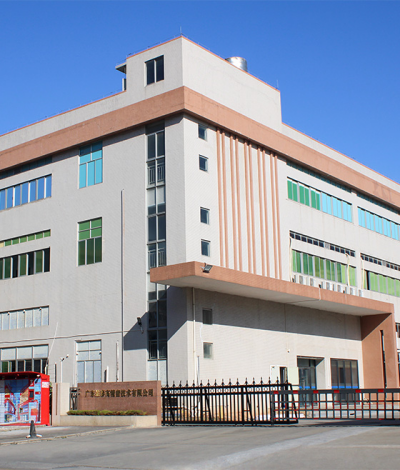
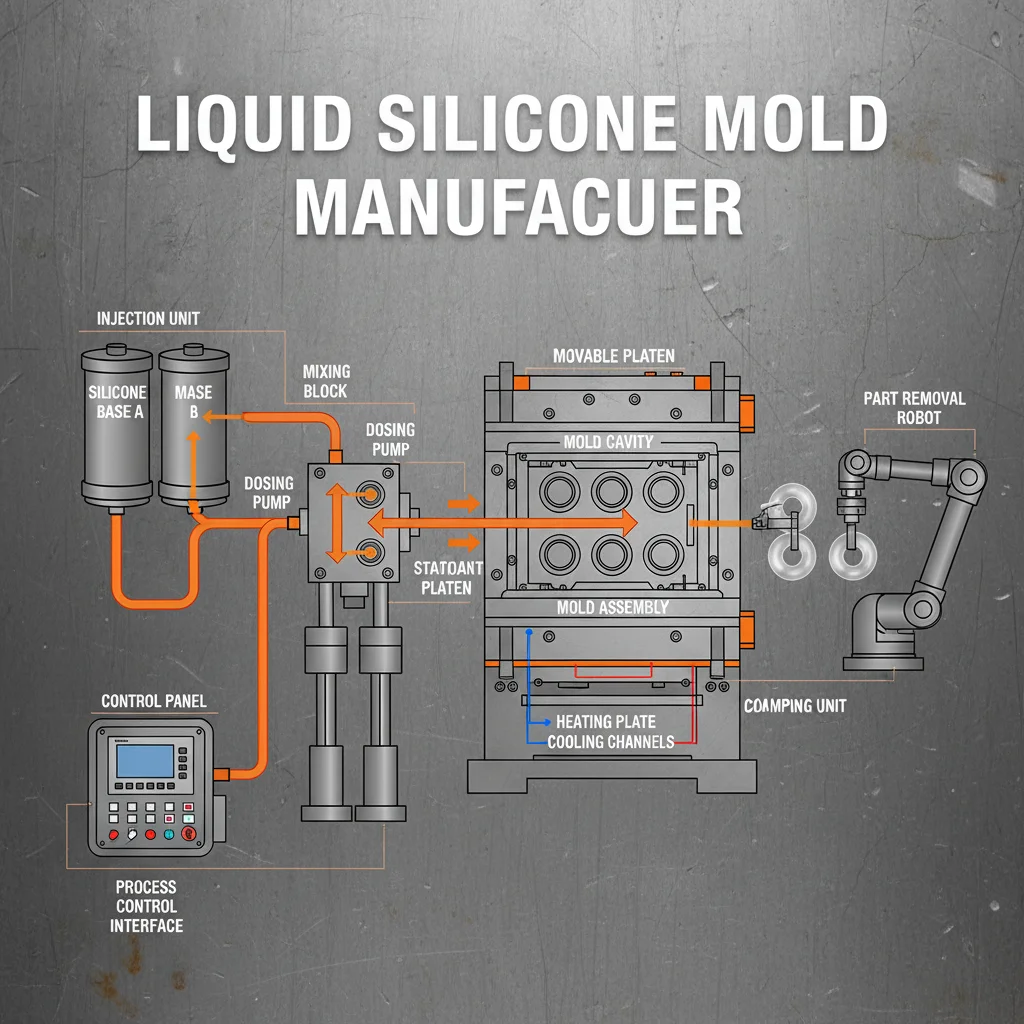
As a 20-year leader in LSR molding, Guangdong Yingtai combines 3D printing and injection molding to deliver FDA-compliant, high-precision food-safe parts at scale. Our 55 LSR machines + 20 hydraulic presses process medical-grade, platinum-cure silicones with 0% byproducts, ensuring biocompatibility and food safety.
Why Choose Our Hybrid Approach?
- ✅ Rapid Prototyping: 3D-printed LSR samples in 3–5 days (vs. 4–6 weeks for steel molds). Ideal for design validation before mass production.
- ✅ Mass Production: Injection molding for 10,000+ units at $0.10–$5.00/part, depending on complexity.
- ✅ Material Safety: Platinum-cured LSR with FDA, EU 10/2011, LFGB, and NSF 51 certifications. No plasticizers, BPA, or phthalates.
- ✅ Precision: ±0.01mm tolerance for microfluidic, gasket, or sealing components.
- ✅ Customization: OEM/ODM design support with DFM (Design for Manufacturing) analysis to eliminate defects before production.
Competitive Edge: Yingtai vs. Traditional Suppliers
| Feature | Guangdong Yingtai | Traditional Injection Molding | Generic 3D Printing |
|---|---|---|---|
| Food-Safe Certification | ✅ FDA, EU 10/2011, LFGB, NSF 51 | ⚠️ Varies (often partial) | ❌ Rarely compliant |
| Lead Time (Prototyping) | 3–7 days | 4–6 weeks | 1–3 days (but limited materials) |
| Lead Time (Mass Production) | 2–3 weeks | 8–12 weeks | ❌ Not scalable |
| Design Complexity | ✅ High (3D printing + molding) | ⚠️ Limited by mold design | ✅ High (but weak for food safety) |
| Cost (Low Volume) | $5–$20/part | $50–$200/part (mold amortization) | $10–$50/part |
| Cost (High Volume) | $0.10–$5.00/part | $0.20–$10.00/part | ❌ Not viable |
| Material Waste | <2% (closed-loop system) | 5–15% | ⚠️ 10–30% |
*Data sourced from Grand View Research, Protolabs, and Yingtai internal audits (2024).
Technical Specifications & Compliance
Our food-safe 3D printing and LSR injection molding meet the strictest international standards for direct and indirect food contact.
Material Properties
| Property | Platinum-Cure LSR (Yingtai Grade) | Peroxide-Cure Silicone | TPU (Food-Grade) |
|---|---|---|---|
| Hardness (Shore A) | 10–80 | 30–70 | 60–95 |
| Tensile Strength (MPa) | 6–12 | 4–8 | 30–70 |
| Elongation at Break (%) | 400–900 | 200–600 | 300–600 |
| Tear Strength (N/mm) | 20–40 | 10–25 | 50–100 |
| Temperature Range (°C) | -60 to 220 | -40 to 200 | -40 to 120 |
| Food-Safe Certifications | ✅ FDA 21 CFR §177.2600, EU 10/2011, LFGB, NSF 51 | ⚠️ FDA only (limited) | ⚠️ FDA, but additves may leach |
| Sterilization Compatibility | ✅ Autoclave, Gamma, E-beam, Ethylene Oxide | ⚠️ Gamma, E-beam only | ⚠️ Gamma, E-beam only |
3D Printing Parameters (Direct Ink Writing - DIW)
| Parameter | Yingtai LSR 3D Printing | Industry Standard |
|---|---|---|
| Layer Height (mm) | 0.1–0.5 | 0.2–0.6 |
| Print Speed (mm/s) | 10–50 | 5–30 |
| Min. Feature Size (mm) | 0.2 | 0.3–0.5 |
| Curing Method | Platinum catalyst + heat | UV or peroxide (less safe) |
| Post-Processing | Thermal post-cure (120°C, 2h) | Varies (often incomplete) |
*Based on ScienceDirect’s LSR 3D printing study.
Real-World Applications in Food, Medical & Consumer Goods
Our food-safe LSR 3D printing and injection molding serve 10+ industries, including:
🍽️ Food & Beverage
- Baby Bottles & Pacifiers: BPA-free, LFGB-certified silicone nipples with custom flow rates.
- Bakery & Confectionery Molds: Heat-resistant (220°C) for chocolate, gummy, and ice cube trays.
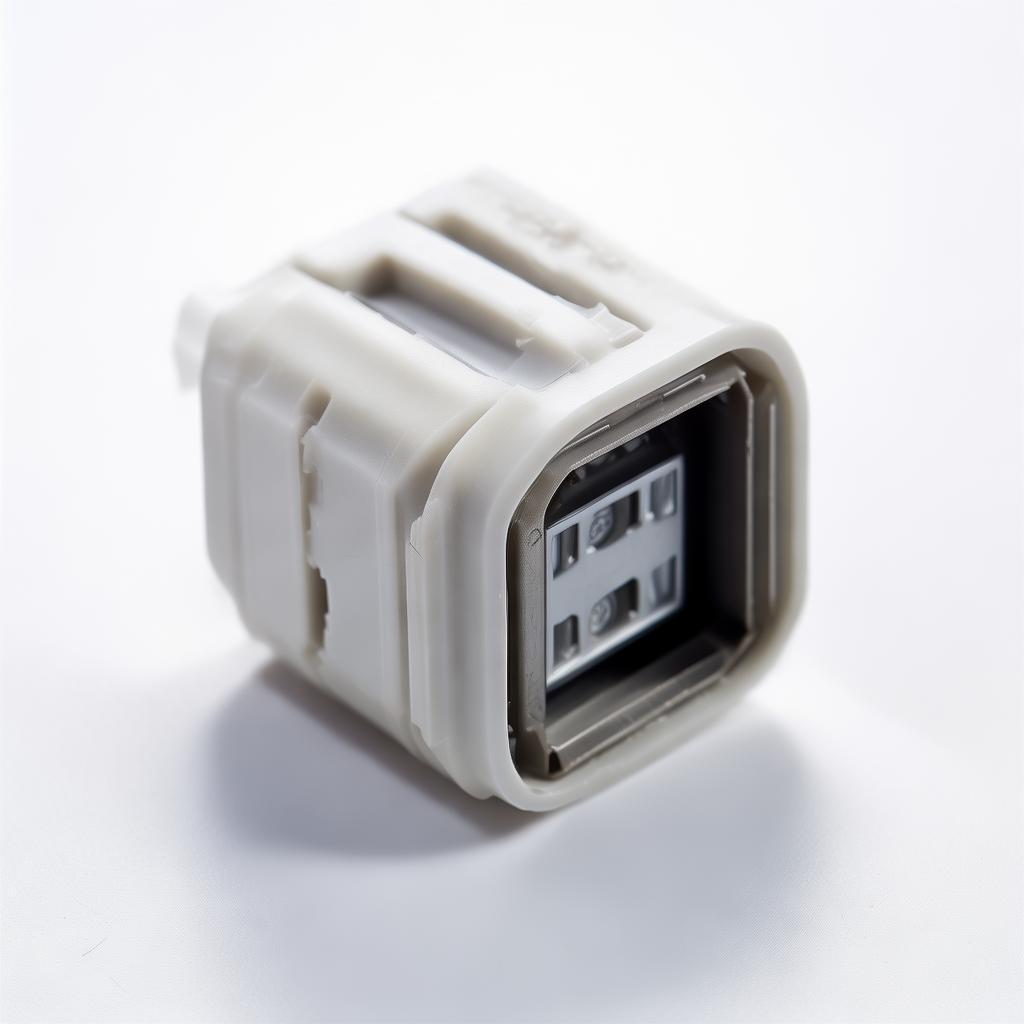
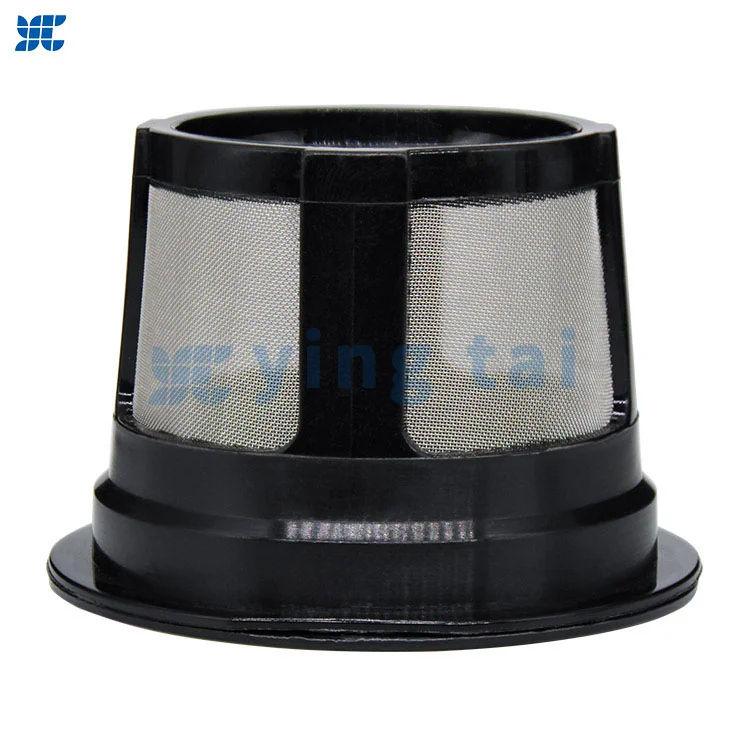
- Sealing Gaskets: FDA-compliant for coffee machines, blenders, and food processors.
- 3D-Printed Utensils: Custom-shaped spoons, spatulas, and tongs for restaurants and meal kits.
🏥 Medical & Healthcare
- Surgical Tools: Sterilizable (autoclave/gamma) forceps, retractors, and tube connectors.
- Implantable Devices: ISO 10993-10 biocompatible silicone for catheters and prosthetics.
- Wearable Sensors: Flexible, skin-safe ECG patches and glucose monitor housings.
- Microfluidic Chips: High-precision for lab-on-chip diagnostic devices (Nature study).
🏠 Consumer Goods
- Kitchenware: Non-stick, dishwasher-safe silicone baking mats and pot grips.
- Baby Products: Phthalate-free teethers, bath toys, and bottle brushes.
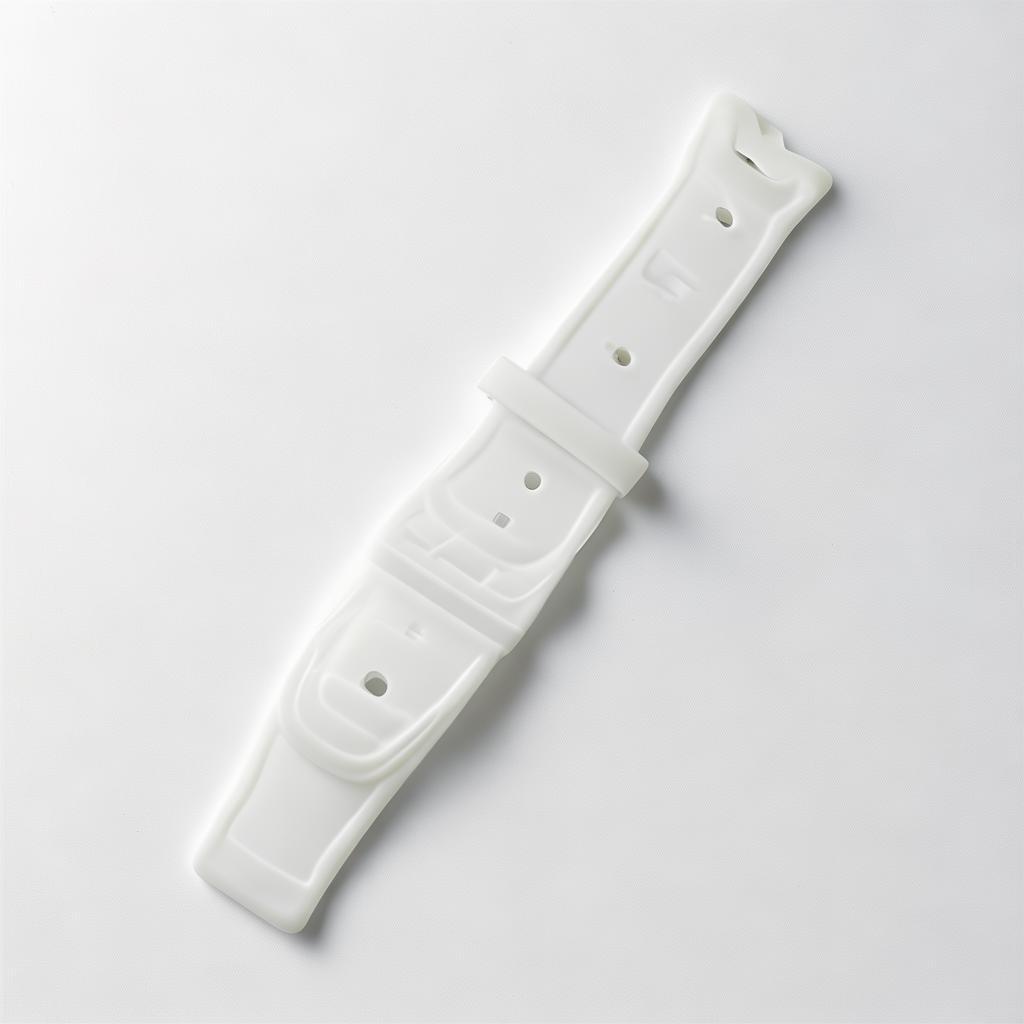
- Electronics: Waterproof seals for smartwatches, earbuds, and phones.
- Automotive: Heat-resistant gaskets for EV battery cooling systems.
🔬 Industrial & Specialty
- Aerospace: Vibration-dampening silicone mounts for satellite components.
- Soft Robotics: Flexible actuators for food-grade picking robots (Springer paper).
- Agri-Tech: Chemical-resistant irrigation system seals.
FAQ: Food-Safe 3D Printing for Industrial Procurement
🔹 Material & Compliance
Q: What certifications do your food-safe 3D printing materials have?
Our platinum-cure LSR holds:
- FDA 21 CFR §177.2600 (U.S. food contact)
- EU 10/2011 (European food contact)
- LFGB (German food safety)
- NSF 51 (food equipment materials)
- ISO 10993-5/10 (biocompatibility for medical use)
Q: Can 3D-printed LSR be used for direct food contact?
Yes. Our 3D-printed LSR undergoes:
- Post-curing (120°C, 2h) to ensure full polymerization.
- Migration testing (per EU 10/2011) to confirm <10 ppb extractables.
- Sterilization validation (autoclave, gamma, or E-beam).
🔹 Manufacturing & Lead Times
Q: What’s the minimum order quantity (MOQ) for 3D-printed food-safe parts?
No MOQ for 3D printing. We accept orders from 1–1,000 parts for prototyping. For injection molding, the MOQ is 1,000–5,000 parts (depending on part size).
Q: How fast can you deliver prototypes?
- 3D-printed LSR samples: 3–5 business days (express shipping available).
- Injection-molded prototypes: 10–15 business days (using aluminum molds).
- Production tooling: 4–6 weeks (steel molds).
Q: Do you offer OEM/ODM design support?
Yes. Our 500+ person engineering team provides:
- DFM (Design for Manufacturing) analysis to optimize wall thickness, draft angles, and parting lines.
- Material selection based on hardness, temperature resistance, and compliance needs.
- Prototype iteration with 3D printing before committing to molds.
- Mold flow simulation to prevent air traps, sink marks, and warping.
🔹 Cost & Payment
Q: How much does food-safe 3D printing cost?
Pricing depends on part size, complexity, and volume:
| Process | Unit Cost (1–100 parts) | Unit Cost (1,000+ parts) |
|---|---|---|
| 3D-Printed LSR | $10–$50/part | $5–$20/part |
| Injection-Molded LSR | $50–$200/part (mold cost included) | $0.10–$5.00/part |
Q: What payment methods do you accept?
- Bank Transfer (TT): 30% deposit, 70% before shipment.
- Letter of Credit (L/C): For orders over $50,000.
- PayPal/Western Union: For samples and small orders (<$5,000).
- Credit Terms: Available for long-term partners (subject to approval).
Q: Do you offer free samples?
Yes! We provide:
- 1 free 3D-printed LSR sample (standard material, <100g).
- Custom samples at 50% off (for first-time clients).
- Free DFM report with every sample request.
🔹 Logistics & After-Sales
Q: How do you handle shipping and customs?
- Shipping Methods: DHL, FedEx, UPS (express), or sea freight (for bulk orders).
- Lead Times:
- Express: 3–5 days (U.S./EU).
- Sea Freight: 20–30 days.
- Customs Support: We provide commercial invoices, packing lists, and certificates of origin to streamline clearance.
- DDP (Delivered Duty Paid): Available for U.S. and EU clients (we handle all duties/taxes).
Q: What’s your warranty and return policy?
- Warranty: 1 year for manufacturing defects (e.g., cracking, delamination).
- Returns: Accepted within 30 days if parts do not meet specifications (buyer pays return shipping).
- Replacement: Free for defective parts (verified by our QA team).
🚀 Get Your Custom Food-Grade Sample in 7 Days
Limited-Time Offer: Order before [Insert Date] and receive:
- ✅ 1 free 3D-printed LSR sample (food-safe, FDA/EU-certified).
- ✅ Free DFM analysis to optimize your design.
- ✅ 10% discount on your first injection molding order.
- ✅ Priority production slot (beat the queue!).
Risk-Free Guarantee: If you’re not satisfied with the sample, we’ll refund your deposit or reprint for free.
Request a Free Quote
Real Client Reviews

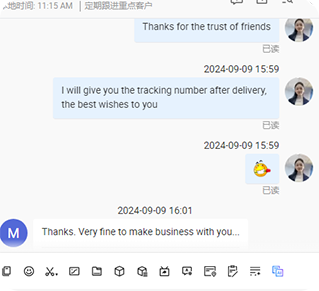
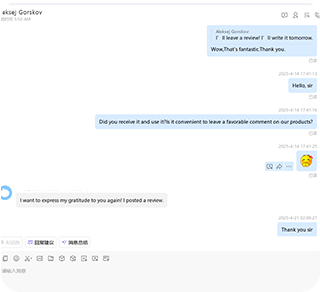
“We switched to Yingtai for our dishwasher gaskets after our previous supplier failed an FDA audit. Their LSR injection molding not only passed NSF 51 but also reduced our cost per unit by 22%. The 3D-printed prototypes helped us catch a design flaw early, saving $50,000 in tooling changes.”

“As a medical device company, we need 100% traceability. Yingtai’s ISO 13485-certified LSR met our ISO 10993-10 biocompatibility requirements for wearable sensors. Their cleanroom molding (Class 8) and gamma sterilization validation gave us confidence for EU MDR compliance.”

“Yingtai helped us develop 100% recyclable silicone lids for our sustainable food packaging. Their 3D-printed molds allowed us to test 10 designs in 2 weeks before committing to production. The final product is LFGB-certified and compostable—a game-changer for our brand.”

“For our EV battery cooling systems, we needed high-temperature-resistant silicone gaskets that could withstand -40°C to 200°C. Yingtai’s LSR injection molding delivered consistent quality at half the cost of our U.S. supplier. Their DDP shipping to our Gigafactory in Berlin was seamless.”

“We used Yingtai’s 3D-printed LSR for custom food-safe toy components. The vibrant colors and durability exceeded our expectations, and their EU 10/2011 certification gave us peace of mind for child safety. Turnaround was 3x faster than our previous supplier.”

Meet the Expert: Dr. Li Wei
PhD in Polymer Science (Tsinghua University) | 20+ Years in Silicone Manufacturing
Dr. Li Wei is the Chief Technical Officer at Guangdong Yingtai High Precision Technology Co., Ltd., where he leads R&D in liquid silicone rubber (LSR) and food-safe additive manufacturing.
With a PhD in Polymer Science from Tsinghua University, Dr. Li has published 15+ papers on silicone material science and holds 3 patents in LSR injection molding.
Prior to Yingtai, he worked as a Senior Materials Engineer at Dow Corning and Wacker Chemie, specializing in medical-grade and food-safe silicones.
Dr. Li’s expertise ensures that Yingtai’s 3D printing and injection molding processes meet the highest international standards for safety, precision, and durability.
Connect with Dr. Li: liwei@yingtai168.com | LinkedIn



Trusted by Global Brands: Certifications & Testimonials
🏆 Industry Certifications
🤝 Client Testimonials
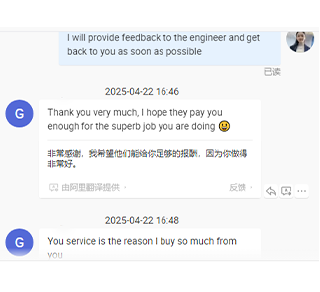
Guangdong Yingtai supplies food-safe silicone to Fortune 500 companies across North America, Europe, and Asia. Here’s what our partners say: