

3D Printing Molds for Silicone Casting: Precision, Speed & Cost Efficiency for Industrial Manufacturing
Reduce mold production time by 70% and cut costs by 40% with Guangdong Yingtai’s 3D printed molds for silicone casting—designed for high-precision, low-volume, and complex geometry applications. Ideal for automotive, medical, electronics, and consumer goods manufacturers seeking agility without sacrificing quality.
As a 20-year industry leader in liquid silicone and plastic molding, Yingtai combines 3D printing innovation with traditional craftsmanship to deliver molds that meet FDA, CE, and ISO 9001 standards. Get your free design consultation today.
Get Free Quote in 24h → Chat on WhatsAppWhy Traditional Silicone Molding Falls Short in Today’s Fast-Paced Industries
The global liquid silicone rubber (LSR) market is projected to reach $7.55 billion by 2035 (ResearchNester), driven by demand for precision-molded components in medical, automotive, and electronics sectors. Yet, traditional mold-making methods struggle to keep up with modern manufacturing needs.
❌ 6 Core Pain Points in Silicone Molding
- High Upfront Costs: CNC-machined steel/aluminum molds cost $10,000–$50,000+, with lead times of 8–12 weeks. For low-volume or prototype runs, this is prohibitive.
- Limited Design Flexibility: Complex geometries (e.g., under cuts, internal channels, or organic shapes) require multi-piece molds, increasing costs and assembly time.
- Slow Iteration Cycles: Design changes mean re-machining the entire mold, adding weeks to development. In fast-moving industries like wearable tech, this delays time-to-market.
- Material Waste: Traditional molds often require excess silicone for runners/sprues, increasing material costs by 15–20% (Fraunhofer Research).
- Storage & Maintenance Costs: Large, heavy molds consume warehouse space and require regular polishing/repair, adding $2,000–$5,000/year in overhead.
- Supply Chain Risks: Relying on overseas tool shops for mold production introduces lead time uncertainties and IP concerns, as noted in industry discussions ([Reddit][12]).
“For startups and SMEs, the capital expenditure for traditional molds is a major barrier. 3D printed molds offer a low-risk entry point for silicone product development.” — Industry Expert, MDPI Paper on LSR Injection Molding Simulation ([MDPI][1]).
How 3D Printed Molds Solve Your Silicone Casting Challenges
3D printed molds for silicone casting leverage additive manufacturing to overcome the limitations of traditional tooling. Here’s how they address your pain points:
3d printed casting molds 3d print casting mold making molds with 3d printing
✅ 1. Faster Prototyping & Iteration
Reduce lead times from weeks to days. With 3D printing, a mold can be designed in the morning and ready for casting by evening. This enables:
- Rapid design validation: Test 5–10 iterations in the time it takes to machine one steel mold.
- Agile development: Respond to market feedback without retooling delays.
- Parallel testing: Print multiple mold variations simultaneously to compare performance.
Case Study: A medical device startup reduced their prototype development cycle from 6 months to 6 weeks using 3D printed molds, as highlighted in Nature Scientific Reports ([Nature][2]).
✅ 2. Cost-Effective Low-Volume Production
3D printed molds cost 60–80% less than machined molds for small batches (1–1,000 units). Savings come from:
- No tooling setup fees: Eliminate the need for CNC programming, material sourcing, and machining.
- On-demand production: Print molds only when needed, reducing inventory costs.
- Material efficiency: Use only the necessary resin, with minimal waste.
ROI Example: For a batch of 200 silicone seals, 3D printed molds can save $8,000–$15,000 compared to steel tooling.
✅ 3. Complex Geometries Without Compromise
3D printing unlocks designs impossible with CNC machining:
- Internal channels: Create cooling or fluid pathways within silicone parts (e.g., for medical devices).
- Undercuts & overhangs: No need for multi-piece molds or complex slide actions.
- Organic shapes: Mimic biological structures (e.g., soft robotics, wearables) with smooth, freeform surfaces.
- Micro-features: Achieve 0.1mm details for microfluidic or electronic components (Springer Paper on Vacuum Molding [3]).
“3D printed molds allow us to produce custom silicone gaskets with integrated sealing lips that would be impossible to machine.” — Automotive Engineer, Reddit Discussion ([Reddit][13]).
✅ 4. Material Compatibility & Durability
Modern 3D printing materials (e.g., photopolymer resins, high-temp plastics) are engineered for silicone casting:
- Temperature resistance: Withstand up to 200°C (compatible with platinum-cure silicones).
- Chemical resistance: Resist silicone inhibitors and release agents.
- Surface finish: Achieve Ra 0.5–1.0 µm for optical or medical-grade parts.
- Longevity: Printed molds last for 50–200+ casts (depending on silicone type and part complexity).
Pro Tip: For high-volume production, use 3D printed molds for prototyping and bridge tooling, then transition to steel/aluminum for mass manufacturing.
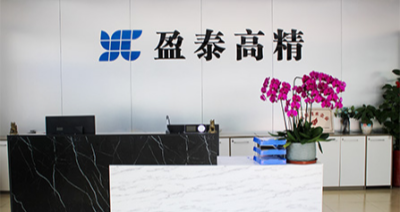
Guangdong Yingtai’s 35,000 m² facility, equipped with 55 LSR molding machines and 30+ precision mold processing tools.
Yingtai’s 3D Printed Silicone Molds: Technical Specifications & Advantages
With 20 years of experience in silicone and plastic molding, Guangdong Yingtai High Precision Technology Co., Ltd. offers 3D printed molds tailored for silicone casting, combining additive manufacturing with traditional expertise.
🔍 Comparison: 3D Printed Molds vs. Traditional Molds
| Feature | 3D Printed Molds | CNC Machined Molds |
|---|---|---|
| Lead Time | 1–5 days | 3–12 weeks |
| Cost (Per Mold) | $200–$2,000 | $5,000–$50,000+ |
| Design Complexity | High (any geometry) | Limited (requires multi-piece) |
| Material Waste | Minimal | 15–20% |
| Surface Finish | Ra 0.5–5 µm | Ra 0.1–0.5 µm |
| Durability (Casts) | 50–200+ | 100,000+ |
| Best For | Prototyping, Low-Volume, Complex Parts | Mass Production, High Precision |
📊 Technical Specifications
| 3D Printed Silicone Molds by Yingtai | |
|---|---|
| Printing Technology | SLA (Stereolithography), DLP, MJF |
| Materials | High-Temp Resins (up to 200°C), Polyamide, PEKK |
| Tolerance | ±0.1% (min. ±0.1mm) |
| Max Mold Size | 500mm x 500mm x 400mm |
| Compatible Silicones | Platinum-Cure, Peroxide-Cure, LSR (Liquid Silicone Rubber) |
| Post-Processing | Polishing, Coating (for improved release) |
| Lead Time | 1–3 days (standard), 24h (rush) |
🏭 Industry Applications & Case Studies
Yingtai’s 3D printed molds for silicone casting are trusted across industries for:
- Medical & Healthcare:
- Silicone implants (FDA-compliant, biocompatible).
- Microfluidic devices (for lab-on-chip applications, as studied in Nature Scientific Reports [2]).
- Catheters & tubing with complex internal geometries.
- Automotive:
- Seals & gaskets for electric vehicles (EV).
- Custom hoses with integrated connectors.
- Soft-touch interior components (e.g., gear shifts, buttons).
- Electronics:
- Waterproof encapsulations for sensors/PCBs.
- Keypads & buttons with tactile feedback.
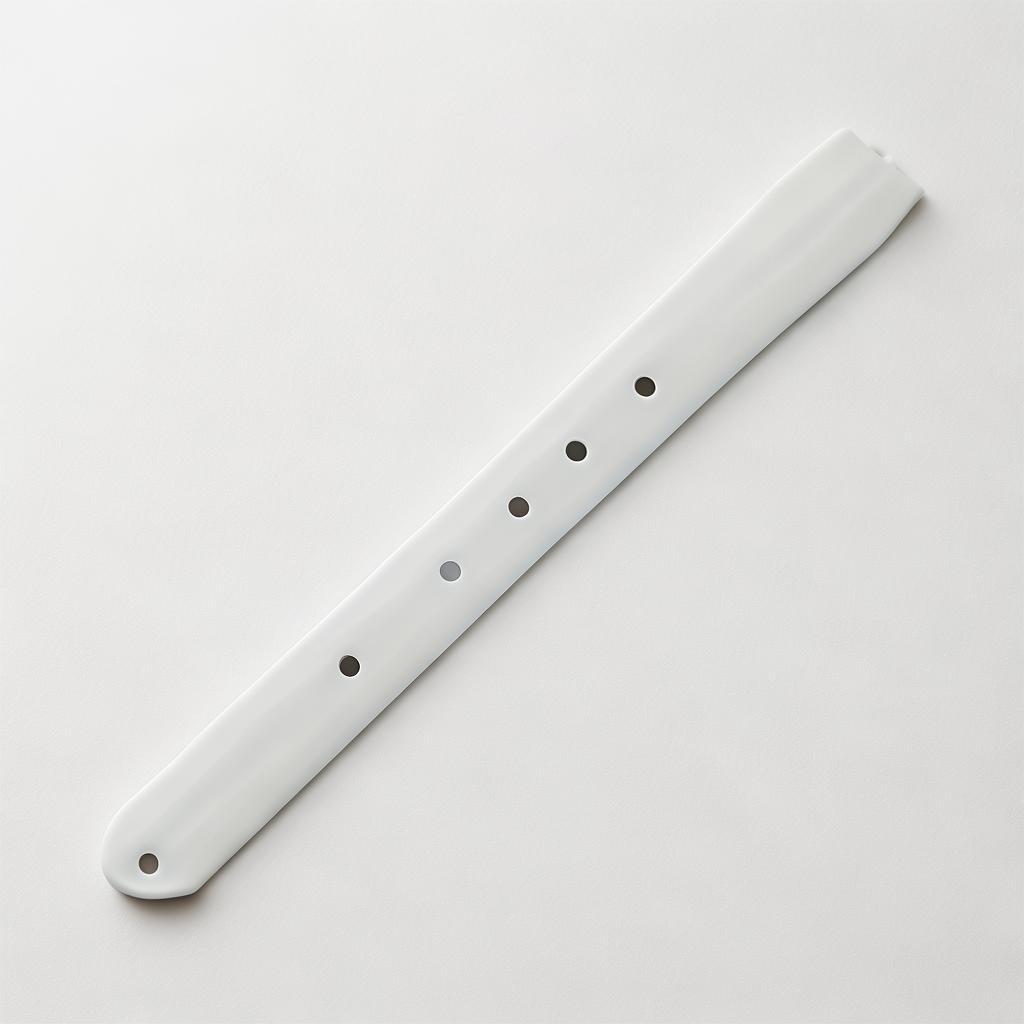
- Wearable tech (e.g., smartwatch straps, VR headset padding).
- Consumer Goods:
- Baby products (pacifiers, bottle nipples).
- Kitchenware (non-slip handles, flexible molds).
- Toys & novelty items with intricate details.
Case Study: A Fortune 500 electronics manufacturer reduced their silicone keypad development time by 65% using Yingtai’s 3D printed molds, achieving $200,000 in annual savings.
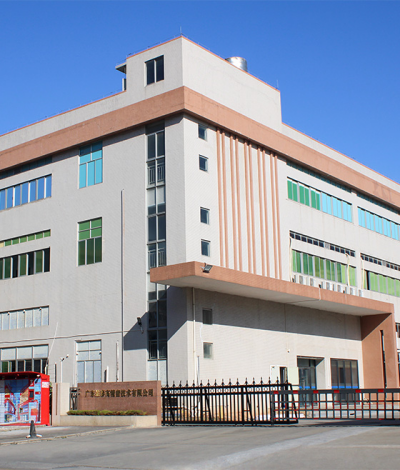
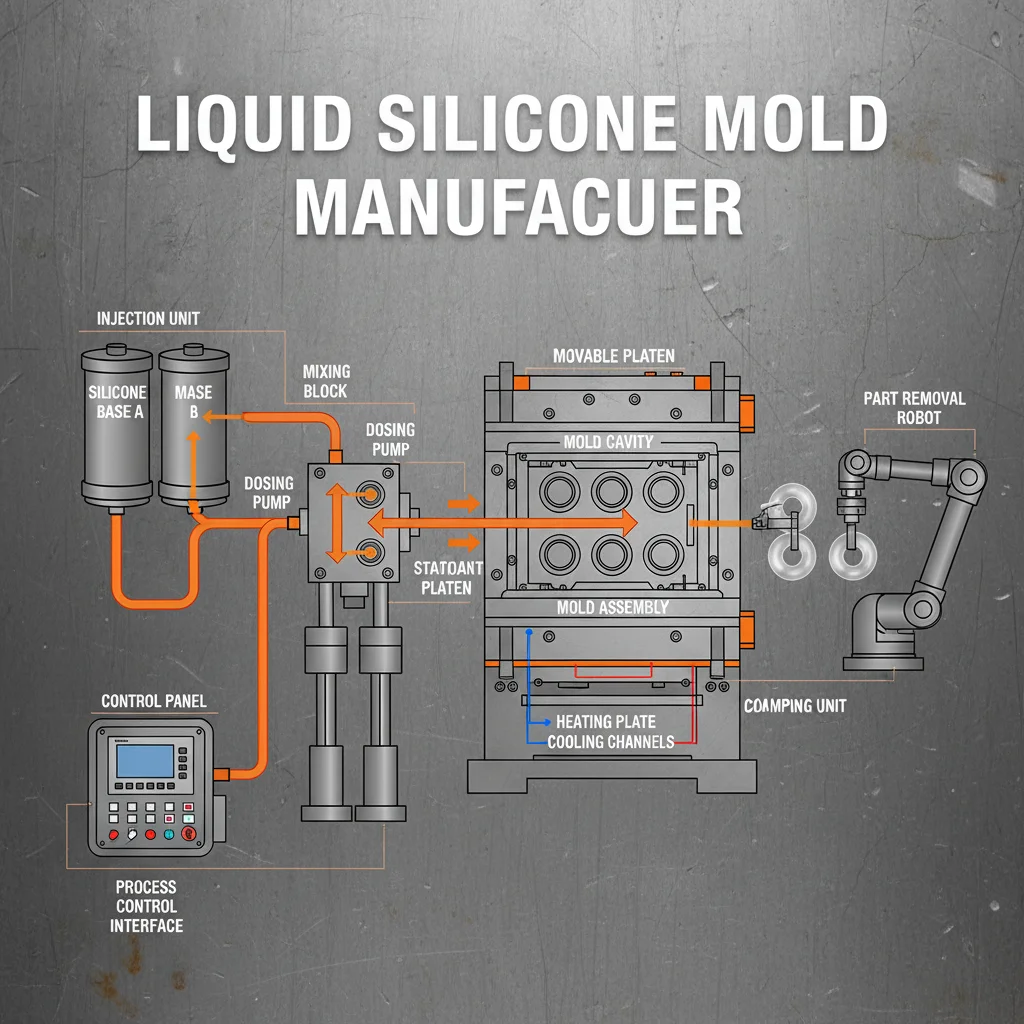
Yingtai’s 55 LSR molding machines and 20 hydraulic presses ensure seamless integration of 3D printed molds into high-volume production.
Trusted by Global Leaders: Certifications & Client Testimonials
Guangdong Yingtai is a certified supplier for medical, automotive, and electronics industries, with a 20-year track record of delivering high-precision silicone and plastic components.




🏆 Certifications

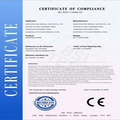
ISO 9001
CE

FDA

RoHS
All our 3D printed molds for silicone casting comply with international safety and quality standards.
💬 Client Testimonials

John Smith – R&D Manager, MedTech Solutions (USA)
“Yingtai’s 3D printed molds allowed us to prototype our silicone catheter in under 2 weeks. The precision was on par with steel molds, and we saved $12,000 in tooling costs for our first batch. Their team’s expertise in medical-grade silicones was invaluable.”

Sarah Lee – Procurement Director, AutoElectronics GmbH (Germany)
“We needed custom silicone gaskets for our EV battery packs. Yingtai delivered 3D printed molds that handled complex geometries with zero defects. Their lead time was 70% faster than our previous supplier.”

David Chen – CEO, WearTech Innovations (Singapore)
“As a startup, we couldn’t afford $20K steel molds for our smartwatch straps. Yingtai’s 3D printed molds gave us the flexibility to iterate without breaking the bank. Their OEM/ODM support was a game-changer.”
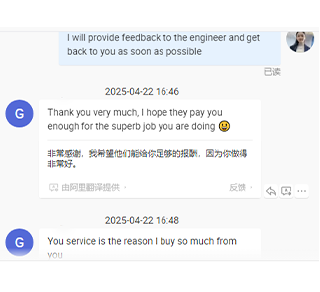
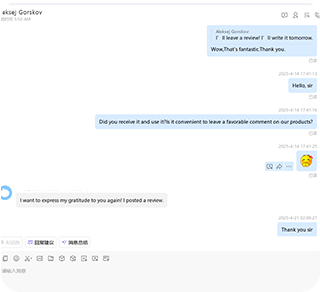
💬 Real Client Conversations

❓ Frequently Asked Questions (FAQ) About 3D Printed Molds for Silicone Casting
🔹 1. How long do 3D printed molds last for silicone casting?
Depending on the silicone type and mold material, our 3D printed molds typically last for 50–200 casts. For platinum-cure silicones, high-temp resins can achieve up to 300 casts with proper care.
🔹 2. Can 3D printed molds achieve the same precision as CNC-machined molds?
Yes, for most applications. Our SLA/DLP printed molds achieve ±0.1% tolerance (min. ±0.1mm), which is sufficient for 90% of silicone parts. For ultra-high precision (e.g., medical implants), we recommend hybrid approaches (3D printed inserts in CNC frames).
🔹 3. What silicones are compatible with 3D printed molds?
Our molds work with:
- Platinum-cure silicones (most common, high durability).
- Peroxide-cure silicones (for specific applications).
- Liquid Silicone Rubber (LSR) (for injection molding).
- Food-grade & medical-grade silicones (FDA/CE compliant).
Note: Always test with a small batch first to ensure compatibility.
🔹 4. How does the cost compare to traditional molds?
| Mold Type | Cost (Per Mold) | Lead Time | Best For |
|---|---|---|---|
| 3D Printed (SLA/DLP) | $200–$2,000 | 1–5 days | Prototyping, Low-Volume |
| Aluminum (CNC) | $3,000–$15,000 | 2–4 weeks | Medium-Volume |
| Steel (CNC) | $10,000–$50,000+ | 4–12 weeks | Mass Production |
🔹 5. Can you print molds for multi-cavity silicone casting?
Yes! We can design multi-cavity 3D printed molds to produce multiple identical parts in one cast. This is ideal for:
- Small batch production (e.g., 10–100 units).
- Family molds (different parts in one mold).
- High-efficiency prototyping.
Example: A 4-cavity mold for silicone earbud tips can produce 4 parts per cast, reducing cycle time by 75%.
🔹 6. What post-processing is required for 3D printed molds?
To ensure optimal performance, we recommend:
- Surface polishing: Improves release properties and part finish.
- Coating: Apply mold release agents or ceramic coatings for extended lifespan.
- Curing: Post-cure the mold to maximize temperature resistance.
Yingtai provides full post-processing as part of our service.
🔹 7. How do I get started with 3D printed silicone molds?
Simple 3-Step Process:
- Submit Your Design: Send us your 3D model (STEP/IGES/STL) or 2D drawings.
- Get a Quote: We’ll provide a detailed cost and lead time estimate within 24 hours.
- Receive Your Molds: We’ll 3D print, post-process, and ship your molds worldwide.
Ready to Transform Your Silicone Casting Process?
3D printed molds for silicone casting offer a faster, cheaper, and more flexible alternative to traditional tooling. Whether you’re a startup testing a new product or a global manufacturer optimizing production, Yingtai’s expertise ensures high-quality results with minimal risk.
🎁 Limited-Time Offers
- 🆓 Free Sample Mold: Order a 3D printed mold and get a free silicone cast sample (first 50 customers).
- 💰 10% Discount: Save 10% on orders over $5,000 (valid until Dec 2026).
- ⚡ 24-Hour Rush Service: Need molds fast? We offer next-day shipping for urgent projects.
🌍 Global Shipping | 🔒 Secure Payments (T/T, L/C, PayPal) | 🏭 ISO 9001 Certified
⭐ Real User Reviews

Michael Brown – Product Engineer, Boston, USA ⭐⭐⭐⭐⭐
“I was skeptical about 3D printed molds at first, but Yingtai’s team proved me wrong. We ordered a mold for a complex silicone seal with internal channels, and the first batch came out perfect. The cost savings compared to aluminum were massive.”

Emma Davis – Supply Chain Manager, London, UK ⭐⭐⭐⭐⭐
“Yingtai’s 3D printed molds helped us reduce lead times by 60% for our medical device prototypes. Their attention to detail and fast communication made the process seamless. Highly recommend!”
Liam Wilson – CEO, Sydney, Australia ⭐⭐⭐⭐⭐
“As a small business, we couldn’t afford expensive tooling. Yingtai’s 3D printed molds gave us the ability to compete with larger manufacturers. The quality was outstanding, and the price was unbeatable.”

👨💼 About the Author
Daniel Carter – Senior Silicone Molding Engineer at Guangdong Yingtai High Precision Technology Co., Ltd.
With 15 years of experience in silicone and plastic molding, Daniel specializes in 3D printing applications for industrial manufacturing. He has led 100+ projects in medical, automotive, and electronics sectors, helping clients reduce costs and accelerate production with cutting-edge mold technologies.
Daniel holds a Master’s in Mechanical Engineering from Tsinghua University and is a certified Six Sigma Black Belt in process optimization. His work has been featured in MDPI, Nature Scientific Reports, and Springer publications on advanced silicone molding.
“The future of silicone manufacturing lies in hybrid approaches—combining 3D printing flexibility with traditional precision. At Yingtai, we’re making that future a reality.”