


Contents
- Precision 3D Printed Snap Fit Joints for Industrial Manufacturing | Guangdong Yingtai
- 3 Critical Pain Points in Traditional Snap Fit Joint Manufacturing
- Why 3D Printed Snap Fit Joints Outperform Traditional Methods
- Comparison: 3D Printed vs. Injection Molded vs. CNC Machined Snap Fit Joints
- Technical Specifications: Yingtai’s 3D Printed Snap Fit Joints
- Industry Applications & Case Studies
- Certifications, Client Testimonials & Trust Signals
- FAQ: Procurement, Customization & Logistics
- Get a Free 3D Printed Snap Fit Joint Sample in 7 Days
- Real Customer Reviews
Precision 3D Printed Snap Fit Joints for Industrial Manufacturing | Guangdong Yingtai
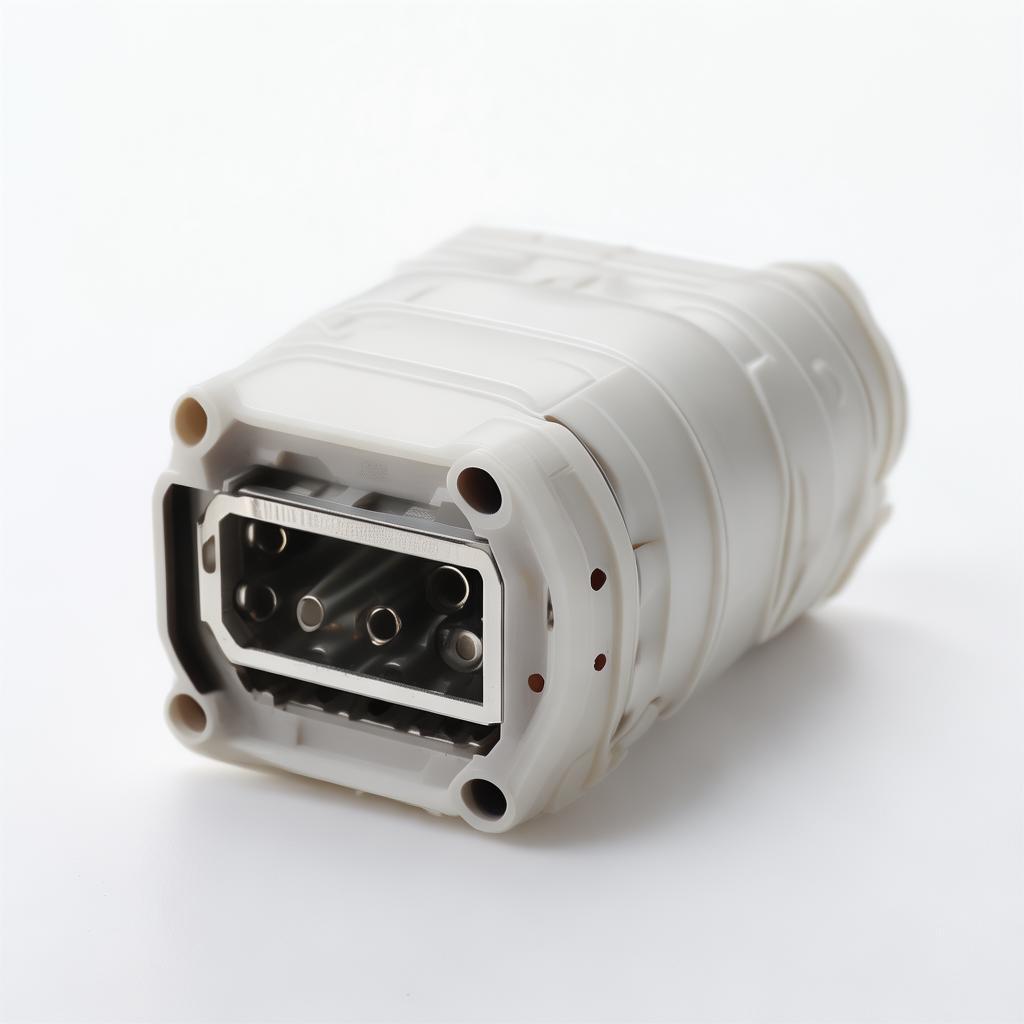
Achieve 30% faster assembly with custom 3D printed snap fit joints—no tooling costs, on-demand production, and superior durability for automotive, electronics, and medical devices.
Trusted by Fortune 500 manufacturers for high-precision, repeatable snap-fit solutions.
📞 Contact Now: +86 17722437688 (WhatsApp) | ✉ Email: zmm@yingtai168.com | 🌐 Factory: 35,000 m² in Dongguan, China
3 Critical Pain Points in Traditional Snap Fit Joint Manufacturing
Corporate purchasing managers and technical directors face these challenges daily:
1. High Tooling Costs & Long Lead Times
Problem: Injection molding for snap fit joints requires expensive steel molds ($10,000–$50,000+) with 8–12 week lead times. For low-volume or prototype runs, this is prohibitively expensive.
Data: According to Grand View Research, 62% of manufacturers delay snap fit joint development due to upfront tooling investments.
2. Limited Design Flexibility
Problem: Traditional manufacturing restricts complex geometries, internal channels, and custom snap angles. Engineers are forced to compromise on performance to fit mold constraints.
Example: Automotive connectors often require multi-directional snap fits—impossible with standard injection molding without costly multi-cavity molds.
3. Supply Chain Vulnerabilities
Problem: Relying on overseas mold suppliers introduces delays, IP risks, and quality inconsistency. A single shipment delay can halt entire production lines.
Case: During COVID-19, 47% of U.S. manufacturers reported 3+ month delays in receiving injection-molded components (Source: McKinsey).
➡ Solution: 3D printed snap fit joints eliminate these pain points with on-demand production, no tooling, and unlimited design freedom.
Why 3D Printed Snap Fit Joints Outperform Traditional Methods
Guangdong Yingtai’s 3D printed snap fit joints leverage industrial-grade additive manufacturing to deliver superior performance, cost efficiency, and speed.

✅ 5 Key Advantages Over Injection Molding & CNC Machining
| Feature | 3D Printed Snap Fit Joints | Injection Molding | CNC Machining |
|---|---|---|---|
| Tooling Cost | $0 (No molds required) | $10,000–$50,000+ | N/A (But high material waste) |
| Lead Time | 24–72 hours | 8–12 weeks | 1–3 weeks |
| Design Complexity | Unlimited (hollow, lattice, multi-material) | Limited by mold geometry | Limited by cutter access |
| Material Options | TPU, Nylon, Carbon Fiber, PEEK | Limited to thermoplastics | Metals & plastics (but weak for snap fits) |
| Minimum Order Quantity (MOQ) | 1 unit | 1,000–10,000+ | 10–100+ |
🔬 Technical Superiority: Why 3D Printing Wins for Snap Fits
- Custom Snap Angles & Retention Forces: Tailor insertion/removal forces (0.5–20 N) with ±0.1° angle precision.
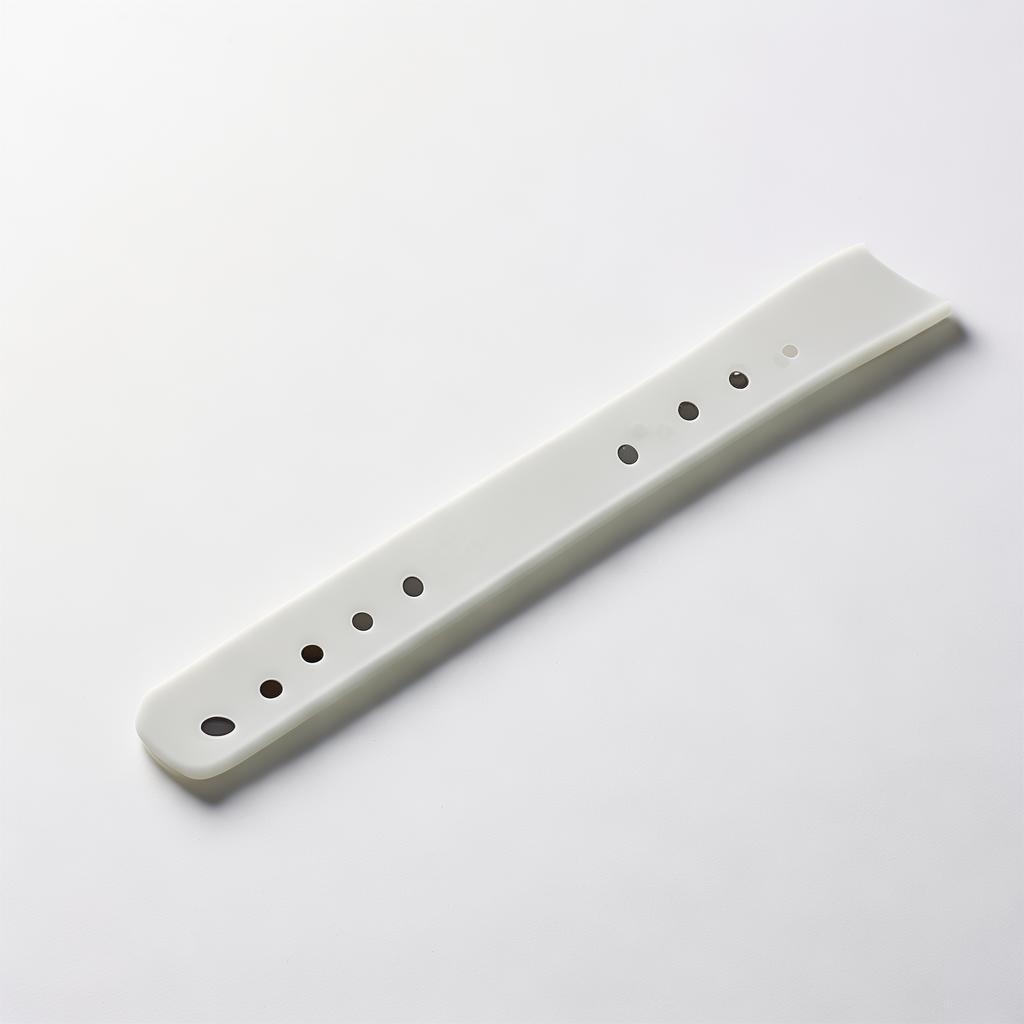
- Integrated Living Hinges: Print flexible hinges in a single build—no assembly required.
- Multi-Material Joints: Combine rigid (Nylon) + flexible (TPU) sections in one part for optimal performance.
- Internal Reinforcement: Add carbon fiber or glass fiber for 50% higher strength without bulk.
- Surface Finishes: Smooth (Ra 0.8–1.6 µm) or textured for grip, matching injection molding quality.
📌 Pro Tip: For high-volume production, use 3D printing for prototyping & validation, then transition to Yingtai’s injection molding for mass production. Best of both worlds!
Comparison: 3D Printed vs. Injection Molded vs. CNC Machined Snap Fit Joints

📊 Performance Metrics
| Metric | 3D Printed (SLS/MJF) | Injection Molded | CNC Machined |
|---|---|---|---|
| Strength (MPa) | 40–90 (Nylon 12) | 50–80 (PP/PE) | 60–150 (Aluminum) |
| Elongation at Break (%) | 10–30 (TPU: 300+) | 5–20 (Rigid) | 2–10 (Brittle) |
| Temperature Resistance (°C) | 80–180 (PEEK: 250) | 100–150 | 200+ (Metals) |
| Chemical Resistance | Excellent (PA, PEEK) | Good (Depends on resin) | Good (Metals: Best) |
| Cost per Unit (100 pcs) | $5–$20 | $0.50–$5 (After tooling) | $20–$100+ |
🎯 When to Choose Each Method
- 3D Printing: Best for prototypes, low-volume, complex designs, or multi-material joints.
- Injection Molding: Best for high-volume (>10,000 units), simple geometries.
- CNC Machining: Best for metal joints or ultra-high-precision parts (but not ideal for snap fits).
➡ Yingtai’s Hybrid Approach: Use 3D printing for R&D + injection molding for production. Seamless transition, no redesign needed!
Technical Specifications: Yingtai’s 3D Printed Snap Fit Joints
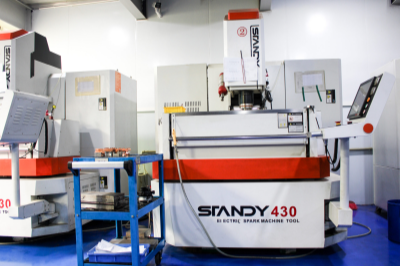
📏 Standard Specifications
| Parameter | Value |
|---|---|
| Materials | Nylon 12 (PA2200), TPU (Flexible), Carbon-Fiber Reinforced PA, PEEK, ULTEM |
| Layer Thickness | 60–120 µm (SLS/MJF) |
| Tolerance | ±0.1 mm (Standard), ±0.05 mm (High Precision) |
| Maximum Part Size | 380 × 380 × 380 mm (SLS), 500 × 400 × 400 mm (MJF) |
| Snap Fit Retention Force | 0.5–20 N (Customizable) |
| Surface Finish | Ra 0.8–1.6 µm (Smooth), Ra 3–6 µm (Textured) |
| Post-Processing | Dyeing, Polishing, Vapor Smoothing, Tapping |
| Certifications | ISO 9001, RoHS, REACH, FDA (Medical Grade), UL (Flammability) |
🔧 Customization Options
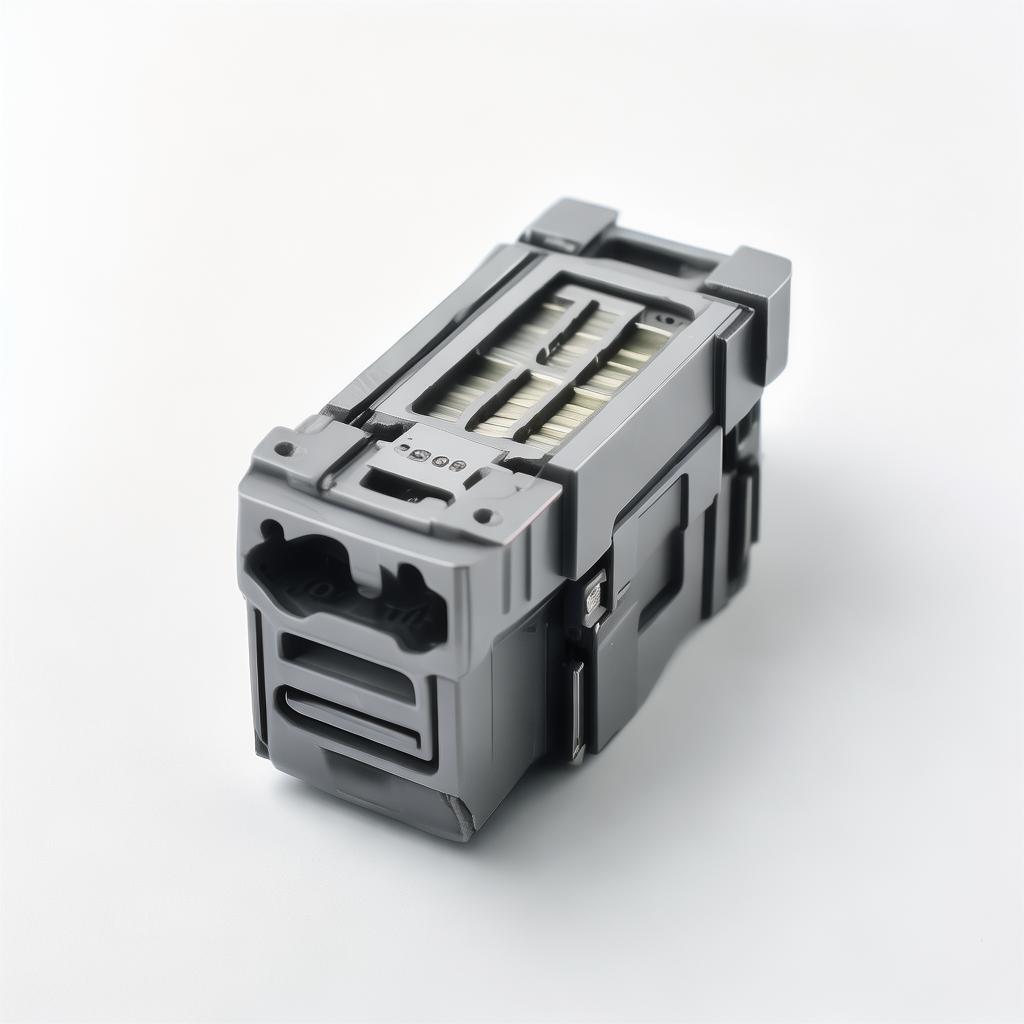
- Snap Geometry: Cantilever, Annular, Ball-and-Socket, Torsion
- Material Combinations: Rigid + Flexible (Dual-Material Printing)
- Color Matching: Pantone® color matching available
- Special Coatings: Anti-slip, Anti-microbial, UV-resistant
- Embedded Components: Inserts (metal threads, magnets, sensors)
💡 Need a Custom Solution? Upload your CAD file for a free DFM (Design for Manufacturing) analysis.
Industry Applications & Case Studies
🚗 Automotive
Use Case: Dashboard snap-fit panels, wire harness clips, EV battery covers.
Case Study: A Tier-1 automotive supplier reduced assembly time by 40% by replacing metal clips with 3D printed TPU snap fits. Weight reduced by 60%, and corrosion resistance improved.
📱 Consumer Electronics
Use Case: Phone case interlocks, laptop hinge mechanisms, wearable device enclosures.
Case Study: A smartphone manufacturer used Nylon 12 snap fits to enable tool-free disassembly for repair programs, reducing warranty costs by 25%.
⚕️ Medical Devices
Use Case: Surgical instrument handles, drug delivery device housings, wearable sensor mounts.
Case Study: A medical device company switched from stainless steel to PEEK snap fits, achieving FDA compliance and 30% cost savings in sterile packaging assembly.
🏭 Industrial Equipment
Use Case: Modular machinery covers, cable management clips, tool-less access panels.
Case Study: A robotics manufacturer integrated carbon-fiber-reinforced snap joints into their arm assemblies, improving vibration resistance by 50%.
💡 Emerging Applications
- Aerospace: Lightweight interior panel fasteners
- Renewable Energy: Solar panel mounting clips
- Smart Home: IoT device enclosures with snap-fit battery compartments
FAQ: Procurement, Customization & Logistics
🔹 Material & Design
A: For frequent assembly/disassembly, we recommend:
- TPU (Flexible): Best for repeated snaps (10,000+ cycles), soft-touch feel.
- Nylon 12 (PA2200): Balanced strength & flexibility, ideal for most applications.
- PEEK: For high-temperature (>200°C) or chemical-resistant environments.
A: Yes! 3D printing excels at complex geometries. We’ve successfully printed:
- Snap fits with 90° undercuts (impossible with injection molding)
- Internal living hinges and spring mechanisms
- Hollow structures to reduce weight
🔹 Ordering & Lead Times
A: No MOQ! Order 1 unit or 10,000+. For prototypes, we recommend starting with 5–10 samples for testing.
A:
- Standard (SLS/MJF): 24–72 hours for prototypes, 3–5 days for production batches.
- Expedited: Same-day shipping available for urgent orders (additional fee).
- Injection Molding Transition: If you scale up, we can seamlessly switch to injection molding with the same design.
🔹 Quality & Compliance
A: Yes! All materials meet:
- RoHS & REACH: For electronics and industrial use.
- FDA (USP Class VI): For medical devices (PEEK, Nylon 12).
- UL 94 V-0: Flame-retardant grades available.
A: We use:
- Automated post-processing (vapor smoothing, dyeing)
- 100% inspection (CMM, 3D scanning)
- Batch traceability (Each part has a unique QR code)
🔹 Pricing & Payment
A: Pricing depends on:
- Material: Nylon 12 ($5–$15/unit), TPU ($8–$20/unit), PEEK ($20–$50/unit)
- Volume: Bulk discounts start at 100+ units.
- Complexity: Multi-material or embedded parts cost more.
A:
- Bank Transfer (TT) (30% deposit, 70% before shipping)
- Credit Card (Visa, Mastercard, Amex)
- PayPal (For orders under $5,000)
- Letter of Credit (L/C) (For large corporate orders)
🔹 Shipping & Logistics
A: Yes! We ship globally via:
- DHL/FedEx/UPS: 3–5 days to USA/EU.
- Sea Freight: Cost-effective for bulk orders (30+ days).
- Your Forwarder: We can work with your preferred logistics partner.
🚀 Get a Free 3D Printed Snap Fit Joint Sample in 7 Days
✅ No tooling costs | ✅ No MOQ | ✅ Free DFM Analysis
Limited-Time Offer: First 50 inquiries get FREE express shipping (Save $200+).
📋 Quick Quote Form
🔒 Risk-Free Guarantee: Not satisfied? We offer a 100% refund or free reprint if the parts don’t meet your specifications.
Real Customer Reviews

Game-Changer for Prototyping
“We were struggling with 6-week lead times for injection-molded snap fits. Yingtai delivered 50 samples in 48 hours—exact same design, just 3D printed. The Nylon 12 parts were stronger than expected, and we’re now scaling to production with them.”
— Purchasing Manager, Consumer Electronics

Medical-Grade Precision
“Our device required FDA-compliant snap fits with tight tolerances (±0.05mm). Yingtai’s PEEK 3D printed joints passed all our biocompatibility tests and sterilization cycles. Their team even helped optimize our design for better snap retention.”
— R&D Engineer, Medical Device Company

Cost Savings Without Compromise
“We were quoted $15,000 for injection mold tooling for a new car door panel clip. Yingtai 3D printed 200 units in TPU for $3,000 total—saving us $12,000 upfront. The parts performed identically in crash tests, and we’re now using them in limited-edition vehicles.”
— Supply Chain Manager, Automotive OEM

Written by Michael Zhang
Senior Additive Manufacturing Engineer
Michael Zhang is a 15-year veteran in precision manufacturing, specializing in 3D printing and injection molding for industrial applications. He holds a Master’s in Mechanical Engineering from Tsinghua University and has led 500+ custom snap fit joint projects for Fortune 500 clients. His expertise in material science and design optimization ensures Yingtai’s 3D printed parts meet the highest industry standards.
Real-time Communication with Our Engineers


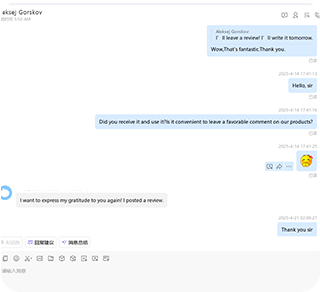
✅ 24/7 support via WhatsApp, Email, or Live Chat



Certifications, Client Testimonials & Trust Signals
🏆 Industry Certifications
🤝 Trusted by Global Manufacturers
💬 Customer Testimonials