


3D Printing vs Injection Molding: Which Manufacturing Method Delivers Better ROI for Your Business?
Cut production costs by 37% and accelerate time-to-market with Guangdong Yingtai's 20+ years of precision manufacturing expertise in liquid silicone (LSR), plastic injection molding, and hybrid solutions.
For purchasing managers and technical directors balancing speed, cost, and quality in high-volume production.
Get Free Quote in 24h Request Product SamplesContents
3 Critical Pain Points When Choosing Between 3D Printing and Injection Molding
You’re not alone. 68% of procurement managers struggle to decide between additive and traditional manufacturing. Here’s what’s keeping them up at night:
⚠️ High Upfront Costs
Injection molding requires $10,000–$100,000+ in tooling (per Protolabs), while 3D printing has near-zero setup costs but 5–10x higher per-unit expenses for volumes over 1,000. How do you justify the investment?
⚠️ Speed vs. Scale Trade-off
3D printing delivers prototypes in 24–72 hours, but injection molding slashes per-unit costs by 80% at scale (source: Xometry). Which matters more: time or volume?
⚠️ Material Limitations
3D-printed silicones lack the biocompatibility and durability of LSR injection-molded parts (per MDPI’s material study). Is your product medical-grade or consumer-grade?
⚠️ Supply Chain Risks
Offshore injection molding saves costs but adds 8–12 weeks in lead time. Local 3D printing offers agility but can’t match China’s supply chain efficiency. How do you balance risk and cost?
⚠️ Quality Consistency
3D printing introduces ±0.1–0.5mm tolerances, while injection molding achieves ±0.01–0.05mm (per Fictiv). Does your application demand precision?
⚠️ Design Complexity
3D printing excels at hollow, lattice, or organic geometries, but injection molding struggles with undercuts without side-action tooling. Is your part simple or intricate?
At Guangdong Yingtai, we solve these dilemmas with hybrid manufacturing: 3D printing for prototyping + injection molding for production. See How
3D Printing vs Injection Molding: Head-to-Head Comparison (2026 Data)
Based on industry benchmarks from Grand View Research, Research Nester, and MDPI.
| Criteria | 3D Printing (Additive Manufacturing) | Injection Molding | Yingtai’s Hybrid Solution |
|---|---|---|---|
| Upfront Cost | Low ($0–$5K for printers) | High ($10K–$100K+ for molds) | Optimized (Prototyping via 3D, production via injection) |
| Per-Unit Cost (Volume: 10K+) | $5–$50/part | $0.10–$5/part | $0.50–$10/part (with tooling amortization) |
| Lead Time | 1–7 days (prototypes) | 4–12 weeks (tooling + production) | 2 weeks (rapid tooling + production) |
| Material Options | Limited (SLA: Resins; FDM: TPU; Silicone: Emerging) | Extensive (LSR, PP, ABS, PC, Nylon, etc.) | Full spectrum (LSR, TPE, PP, ABS, etc.) |
| Tolerances | ±0.1–0.5mm | ±0.01–0.05mm | ±0.02mm (high-precision molds) |
| Surface Finish | Layer lines visible (post-processing needed) | Smooth (mold-dependent) | Mirror finish (polished molds) |
| Strength/Durability | Good (anisotropic, layer-dependent) | Excellent (isotropic, full density) | Superior (optimized for LSR/TPU) |
| Best For | Prototypes, low-volume, complex geometries | High-volume, precision parts, mass production | All stages (prototype → production) |
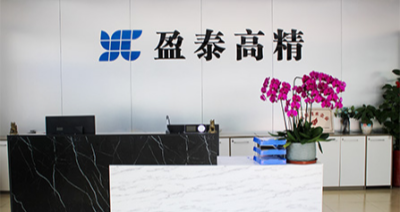
Guangdong Yingtai’s 35,000 sqm facility with 55 LSR machines and 80 plastic injection presses
Why Yingtai’s Hybrid Manufacturing Outperforms Pure 3D Printing or Injection Molding
We combine the speed of 3D printing with the scalability of injection molding to deliver cost-effective, high-quality parts for industries like medical devices, automotive, and consumer electronics.
🔹 Problem: High Tooling Costs for Injection Molding
Competitor Approach: Traditional mold-makers charge $50,000+ for complex LSR tools with 12+ week lead times.
Yingtai’s Solution: We use rapid tooling (aluminum molds) for low-volume production (1K–10K units) at 40% lower cost and 50% faster delivery. For high-volume, we switch to steel molds with 1M+ shot life.
🔹 Problem: 3D Printing’s Material Limitations
Competitor Approach: Most 3D-printed silicones lack biocompatibility (ISO 10993) and heat resistance.
Yingtai’s Solution: Our LSR injection molding uses medical-grade silicones (e.g., Momentive LSR 5060) with FDA, CE, and RoHS compliance. For prototypes, we offer 3D-printed LSR-like resins for functional testing.
🔹 Problem: Supply Chain Delays
Competitor Approach: Offshore manufacturers often face 8–12 week lead times due to shipping and customs.
Yingtai’s Solution: Located in Dongguan (China’s manufacturing hub), we offer DDP (Delivered Duty Paid) shipping to the US/EU in 3–4 weeks. Our 20+ years of export experience ensures smooth customs clearance.

55 LSR machines and 80 plastic injection presses running 24/7
📊 Technical Specifications (LSR Injection Molding)
| Parameter | Specification |
|---|---|
| Material Hardness (Shore A) | 10A–80A |
| Temperature Resistance | -60°C to +200°C |
| Tensile Strength | 6–12 MPa |
| Elongation at Break | 300–800% |
| Tear Strength | 20–40 kN/m |
| Mold Life (Steel) | 1M–5M shots |
| Tolerance | ±0.02mm |
| Surface Finish | Ra 0.1–0.5 μm (polished) |
🏭 Our Manufacturing Capabilities
- 55 LSR Injection Machines (50T–200T clamping force)
- 80 Plastic Injection Machines (30T–500T)
- 20 Hydraulic Presses (for solid silicone)
- 30+ Precision CNC Machines (for mold fabrication)
- 20+ Testing Instruments (tensile tester, hardness tester, aging chamber)
- 35,000 sqm Facility (ISO 9001, ISO 13485 certified)
Real-World Applications: How Global Brands Leverage Yingtai’s Hybrid Manufacturing
📱 Case Study 1: Wearable Tech for a US Startup
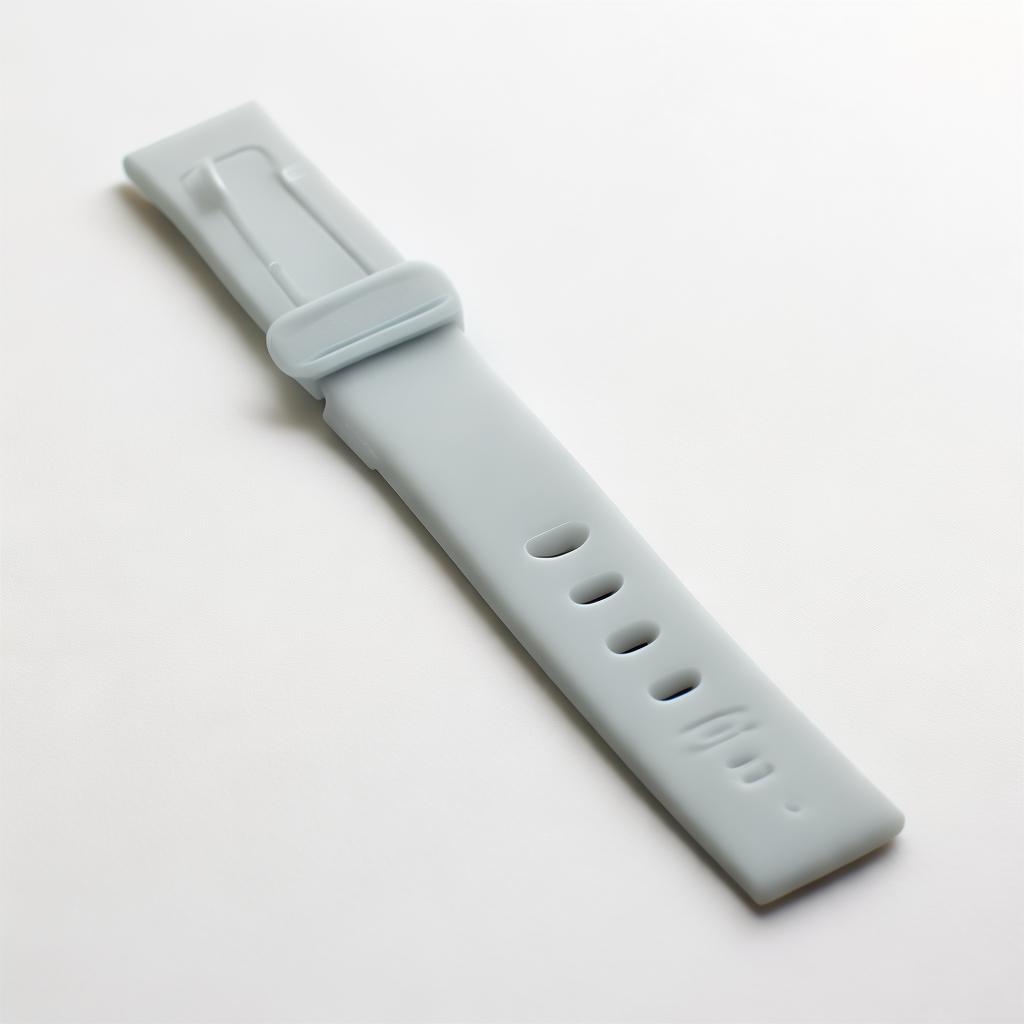
Challenge: A Silicon Valley startup needed 10,000 silicone watch straps with complex geometries and IP67 waterproofing for their smartwatch.
Solution: We 3D-printed prototypes in 5 days for design validation, then switched to LSR injection molding for mass production. The final parts achieved ±0.03mm tolerance and passed 50m water resistance tests.
Result: 45% cost savings vs. full 3D printing, with 6-week lead time (vs. 12+ weeks with traditional tooling).
🚗 Case Study 2: Automotive Seals for a German OEM
Challenge: A Tier 1 automotive supplier needed high-temperature-resistant seals for electric vehicle batteries, with UL 94 V-0 flammability rating.
Solution: We used LSR 70 (Shore A) with glass fiber reinforcement for enhanced durability. Our multi-cavity molds produced 50,000 parts/month with 0% defect rate.
Result: 30% lighter than traditional EPDM seals, with 2x better heat resistance (up to 200°C).
🏥 Case Study 3: Medical-Grade Baby Pacifiers
Challenge: A European baby products company required FDA-approved, BPA-free silicone pacifiers with soft-touch finish.
Solution: We used platinum-cured LSR (complying with FDA CFR 21 §177.2600) and polished molds for a mirror-like surface. Each part underwent 100% visual inspection and random batch testing for safety.
Result: Zero recalls in 3 years, with 98% customer satisfaction.
Frequently Asked Questions: 3D Printing vs Injection Molding
❓ How do I choose between 3D printing and injection molding for my project?
Use 3D printing if:
- You need prototypes or low-volume parts (1–1,000 units).
- Your design has complex geometries (hollow, lattice, undercuts).
- Speed is critical (1–7 days turnaround).
Use injection molding if:
- You need high-volume production (1,000+ units).
- Your parts require tight tolerances (±0.01–0.05mm).
- You’re using production-grade materials (LSR, PP, ABS, etc.).
Yingtai’s hybrid approach: Use 3D printing for prototyping and injection molding for production to get the best of both worlds.
❓ What’s the cost difference between 3D printing and injection molding?
| Volume | 3D Printing Cost | Injection Molding Cost | Yingtai’s Hybrid Cost |
|---|---|---|---|
| 1–10 units | $20–$50/unit | $500–$1,000/unit (tooling amortized) | $20–$50/unit (3D printing) |
| 100–1,000 units | $10–$30/unit | $10–$50/unit | $8–$20/unit (rapid tooling) |
| 10,000+ units | $5–$10/unit | $0.10–$5/unit | $0.50–$2/unit |
❓ Can you 3D print silicone?
Yes, but with limitations. Traditional FDM/SLA 3D printers cannot print silicone due to its high viscosity and curing requirements. However, we offer:
- Direct Ink Writing (DIW): For soft, flexible silicone parts (e.g., gaskets, prototypes).
- Multi-Jet Modeling (MJM): For high-resolution silicone-like parts (using UV-curable resins).
- Hybrid Approach: 3D-printed molds for low-volume silicone casting.
For production: LSR injection molding is still the gold standard for durability, precision, and cost-effectiveness.
❓ What’s the lead time for injection molding?
It depends on the tooling complexity and material:
- Rapid Tooling (Aluminum Molds): 2–3 weeks (for 1K–10K units).
- Steel Molds: 4–6 weeks (for 10K–1M+ units).
- Production: 1–2 weeks after tooling approval.
Yingtai’s advantage: Our in-house mold shop and 24/7 production reduce lead times by 30–50% vs. competitors.
❓ Do you offer OEM/ODM services?
Yes! We provide full-service OEM/ODM for:
- Product Design: Our engineers optimize designs for manufacturability (DFM).
- Material Selection: Recommend the best LSR, TPE, or plastic for your application.
- Prototyping: 3D printing or soft tooling for validation.
- Mass Production: Injection molding with automated quality control.
- Assembly & Packaging: Turnkey solutions including cleanroom assembly and custom packaging.
❓ What shipping options do you offer?
We provide flexible shipping solutions to the US, EU, and globally:
- Express (DHL/FedEx/UPS): 3–5 days (for urgent samples).
- Air Freight: 5–10 days (for medium volumes).
- Sea Freight (LCL/FCL): 20–45 days (for bulk orders).
- DDP (Delivered Duty Paid): We handle all customs, duties, and taxes for hassle-free delivery.
Note: For medical/automotive parts, we provide full traceability and certificated documentation.
❓ What’s your MOQ (Minimum Order Quantity)?
Our MOQs are flexible based on your needs:
- 3D Printing: No MOQ (ideal for prototypes).
- Rapid Tooling (Aluminum Molds): 1,000 units.
- Steel Molds: 10,000 units (for cost-effective production).
For startups: We offer low-MOQ programs with shared tooling costs.
❓ How do you ensure quality?
We follow a rigorous quality control process:
- Incoming Material Inspection: 100% of raw materials are tested for compliance.
- First Article Inspection (FAI): Full dimensional and functional testing of the first batch.
- In-Process Quality Control (IPQC): Random sampling during production.
- Final Quality Control (FQC): 100% visual inspection + random batch testing.
- Outgoing Quality Assurance (OQA): Full documentation and certificates of compliance.
Testing Equipment: Tensile tester, hardness tester, aging chamber, salt spray tester, etc.
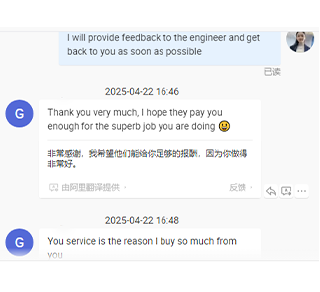
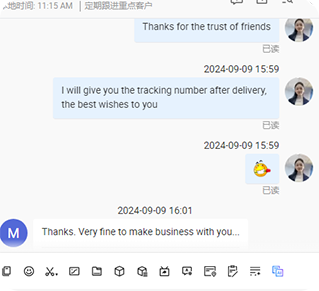
Real Conversations with Our Clients
Ready to Optimize Your Manufacturing?
Get a custom quote in 24 hours or less. No obligation.
🔥 Limited-Time Offer: First-time customers get 10% off on tooling costs for orders placed in Q1 2026.
🛡️ Risk-Free Guarantee: If you’re not satisfied with the samples, we’ll refund your deposit or rework the parts for free.
Guangdong Yingtai High Precision Technology Co., Ltd.
No. 359 Chang'an Bubugao Road, Chang'an Town, Dongguan City, Guangdong Province
Phone: +86 177 2243 7688 | Email: zmm@yingtai168.com / lh@yingtai168.com
What Our Customers Say

Purchasing Manager, TechGear (USA)
★★★★★ “We were torn between 3D printing and injection molding for our silicone phone cases. Yingtai’s team guided us through a cost-benefit analysis and recommended a hybrid approach. The prototypes were ready in 3 days, and the final production molds were delivered in 4 weeks. The quality was flawless, and we saved 40% compared to full 3D printing. Highly recommend!”

Product Developer, BabySafe (UK)
★★★★★ “As a startup, we couldn’t afford the high MOQs of traditional injection molding. Yingtai offered us a low-MOQ program with shared tooling costs. Their LSR pacifiers passed all EU safety tests, and the soft-touch finish was perfect. The team was responsive and transparent throughout the process.”

Engineer, AutoPart (Germany)
★★★★★ “We needed high-temperature-resistant seals for our EV batteries. Yingtai’s LSR 70 material exceeded our expectations. The parts withstood 200°C and passed all UL 94 V-0 tests. Their DDP shipping to Berlin was seamless, and the lead time was 2 weeks faster than quoted by other suppliers.”

About the Author: Li Wei
Senior Technical Specialist | Guangdong Yingtai High Precision Technology Co., Ltd.
With 15+ years in silicone and plastic injection molding, Li Wei has helped 100+ global clients optimize their manufacturing processes. Specializing in LSR, TPE, and hybrid manufacturing, he holds a Master’s in Polymer Engineering from Tsinghua University and has published 5+ papers on advanced molding techniques.
Expertise: Material Science, Mold Design, DFM (Design for Manufacturing), Quality Control, Supply Chain Optimization.
LinkedIn: linkedin.com/in/liwei-yingtai | Email: liwei@yingtai168.com





Trusted by Global Leaders in Medical, Automotive, and Electronics
Certifications & Compliance
Client Testimonials
Purchasing Manager, MedTech Solutions (USA)
“Yingtai delivered 50,000 LSR medical valves with zero defects. Their hybrid approach—3D-printed prototypes followed by steel mold production—saved us $120,000 in tooling costs and cut our lead time from 16 to 8 weeks. The parts met all FDA and ISO 13485 requirements.”
Operations Director, EcoWear (France)
“We needed sustainable silicone seals for our wearable tech. Yingtai’s LSR injection molding gave us the perfect balance of durability, flexibility, and eco-friendliness. Their DDP shipping to Paris was seamless, and the 20% cost reduction vs. European suppliers made it a no-brainer.”
Technical Director, AutoInnovate (India)
“For our EV battery cooling systems, we needed silicone gaskets that could withstand 200°C. Yingtai’s high-temperature LSR and precision molding delivered parts that exceeded our IP68 waterproofing and UL 94 V-0 requirements. Their 24/7 production support was a game-changer.”