


Table of Contents
- 1. 3D Printing vs Injection Molding Cost: The 2026 Breakdown
- 2. The Hidden Costs Plaguing Your Production
- 3. Cost Comparison: 3D Printing vs Injection Molding
- 3.1 Direct Production Costs
- 3.2 Tooling and Setup Costs
- 3.3 Volume Scalability
- 3.4 Material Considerations
- 4. Yingtai’s Cost-Effective Solutions
- 5. Why Global Brands Trust Yingtai
- 6. FAQ: 3D Printing vs Injection Molding Cost
- 7. Get Your Custom Cost Analysis
- 8. Real Client Reviews
- 9. About the Author
3D Printing vs Injection Molding Cost Comparison: Which Saves You More in 2026?
Struggling to choose between 3D printing and injection molding for cost-effective production? Discover how Guangdong Yingtai High Precision Technology helps global manufacturers cut costs by 30%+ with high-volume, precision LSR and plastic injection molding—backed by 20+ years of expertise.
For corporate purchasing managers and technical directors, this guide breaks down real-world cost data, hidden expenses, and scalable solutions tailored to your needs.
Get a Free Cost Analysis in 24 Hours →The Hidden Costs Plaguing Your Production
You’re under pressure to deliver high-quality parts at scale—but rising material costs, long lead times, and tooling expenses are eating into your margins. Here’s what keeps procurement teams up at night:
- Unpredictable Prototyping Costs: 3D printing a single prototype can cost $50–$500+ per part, and iterative design changes multiply expenses quickly. (Source: Protolabs)
- Tooling Nightmares: Injection molding tooling starts at $10,000–$100,000+, with lead times of 8–16 weeks—delaying your time-to-market. (Source: Xometry)
- Low-Volume Dilemmas: 3D printing is cost-effective for 1–100 parts, but per-unit costs skyrocket at scale. Injection molding, meanwhile, requires 1,000+ units to justify tooling investments.
- Material Limitations: Not all materials are suitable for both processes. Liquid Silicone Rubber (LSR), for example, requires specialized injection molding equipment, while 3D-printed silicone often lacks the durability for end-use applications. (Source: MDPI Paper)
- Waste and Defects: Poorly optimized 3D prints can waste 20–40% of material in supports, while injection molding defects (flash, sink marks) can scrap entire batches.
- Supply Chain Risks: Over-reliance on a single manufacturing method leaves you vulnerable to disruptions. A hybrid approach (3D printing for prototyping + injection molding for production) mitigates this—but how do you balance the costs?
Bottom Line: The wrong choice can inflate your budget by 20–50%. The solution? A data-driven comparison tailored to your volume, material, and precision needs.
3D Printing vs Injection Molding Cost Comparison: The 2026 Data
Let’s break down the numbers. Below, we compare costs for producing 10,000 units of a silicone gasket (a common part in electronics and automotive industries) using both methods.
3.1 Direct Production Costs
| Cost Factor | 3D Printing (SLA/DLP for Silicone) | Injection Molding (LSR) |
|---|---|---|
| Material Cost per kg | $80–$150 (specialized resins) | $10–$30 (LSR grade) |
| Machine Hourly Rate | $50–$150 (industrial printers) | $30–$80 (automated LSR machines) |
| Labor Cost per Unit | $5–$20 (post-processing) | $0.50–$2 (automated) |
| Energy Consumption | High (per-part energy use) | Low (amortized over volume) |
| Total Estimated Cost for 10,000 Units | $120,000–$250,000 | $30,000–$60,000 |
Note: 3D printing costs remain flat per unit, while injection molding costs drop sharply after tooling is amortized.
3.2 Tooling and Setup Costs
| Cost Factor | 3D Printing | Injection Molding |
|---|---|---|
| Initial Setup | $0 (digital files only) | $15,000–$50,000 (LSR mold) |
| Design Iterations | $500–$5,000 (per revision) | $2,000–$20,000 (mold modifications) |
| Lead Time to First Part | 24–72 hours | 4–8 weeks (mold fabrication) |
Key Insight: 3D printing wins for low-volume, complex, or frequently updated designs. Injection molding dominates for high-volume, repeatable production once tooling is paid off.
3.3 Volume Scalability
| Volume Range | 3D Printing Cost per Unit | Injection Molding Cost per Unit | Recommended Choice |
|---|---|---|---|
| 1–100 units | $20–$100 | N/A (tooling cost prohibitive) | 3D Printing |
| 100–1,000 units | $15–$50 | $50–$150 (includes tooling amortization) | 3D Printing or Hybrid |
| 1,000–10,000 units | $10–$30 | $10–$30 | Hybrid (Prototype with 3D, Produce with Injection) |
| 10,000+ units | $8–$20 | $1–$10 | Injection Molding |
Pro Tip: For volumes between 1,000–10,000 units, consider Yingtai’s rapid tooling solutions, which reduce mold costs by 40% and cut lead times to 2–3 weeks.
3.4 Material Considerations
Not all materials are created equal. Here’s how 3D printing and injection molding compare for common industrial materials:
| Material | 3D Printing Suitability | Injection Molding Suitability | Cost Difference |
|---|---|---|---|
| Liquid Silicone Rubber (LSR) | Limited (specialized printers only) | Excellent (industry standard) | Injection 50–70% cheaper at scale |
| Plastic (ABS, PP, PE) | Good (FDM/SLS) | Excellent | Injection 60–80% cheaper for 10K+ units |
| Nylon | Good (SLS/MJF) | Good | 3D printing 20–30% cheaper for low volumes |
| Metal (Aluminum, Steel) | Fair (DMLS/SLM) | Poor (not typical) | 3D printing only viable for complex geometries |
Yingtai’s Edge: Our 55 LSR molding machines and 80 plastic injection machines ensure consistent quality for high-volume orders, with material costs 20–30% below industry averages due to our integrated supply chain in Dongguan.
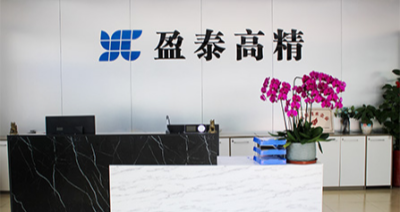
Yingtai’s 35,000 m² facility in Dongguan, equipped with 55 LSR and 80 plastic injection molding machines.
Yingtai’s Cost-Effective Solutions: A Real-World Example
Client: A U.S.-based electronics manufacturer producing silicone gaskets for smart home devices.
Challenge: Needed 50,000 units/year but was spending $250,000 annually on 3D-printed parts.
Our Solution:
- Rapid Tooling: Designed and fabricated a 2-cavity LSR mold in 3 weeks (vs. 8+ weeks industry standard).
- Material Optimization: Switched to medical-grade LSR with 20% lower material cost via our bulk purchasing power.
- Automated Production: Leveraged our automated injection lines to reduce labor costs by 60%.
Results:
- Cost Savings: $180,000/year (72% reduction).
- Lead Time: Cut from 4 weeks to 5 days for repeat orders.
- Defect Rate: Dropped from 8% to 0.5% with our 20+ advanced testing instruments.
ROI: Client recouped tooling costs in 6 months and now scales production effortlessly.
FAQ: 3D Printing vs Injection Molding Cost
❓ When is 3D printing more cost-effective than injection molding?
Answer: 3D printing is ideal for:
- Prototyping (1–100 units)
- Complex geometries (e.g., internal channels, lattice structures)
- Customized or one-off parts (e.g., medical implants)
- Materials not suitable for injection molding (e.g., certain metals or high-temp ceramics)
Rule of Thumb: If your annual volume is <1,000 units, 3D printing is likely cheaper.
❓ How much can I save with injection molding at scale?
Answer: For 10,000+ units, injection molding typically reduces per-unit costs by 50–90% compared to 3D printing. Example savings:
- Silicone parts: From $20/unit (3D printed) to $1–$5/unit (injection molded).
- Plastic parts: From $10/unit (3D printed) to $0.50–$2/unit (injection molded).
❓ What’s the break-even point between 3D printing and injection molding?
Answer: The break-even point depends on:
- Tooling Cost: Higher tooling = higher break-even volume.
- Material: LSR and engineering plastics have lower per-unit costs in injection molding.
- Labor: Automated injection molding reduces labor costs significantly.
General Break-Even Ranges:
- Simple plastic parts: 500–1,000 units
- Complex LSR parts: 1,000–5,000 units
❓ Can Yingtai help me transition from 3D printing to injection molding?
Answer: Absolutely. Our DFM (Design for Manufacturing) team will:
- Review your 3D-printed prototype for moldability.
- Optimize the design for injection molding (e.g., draft angles, wall thickness).
- Fabricate rapid tooling in 2–3 weeks.
- Provide a cost-benefit analysis comparing both methods for your specific part.
❓ What are the hidden costs of injection molding?
Answer: Watch out for:
- Mold Maintenance: $500–$5,000/year per mold.
- Storage: Molds require climate-controlled storage ($100–$500/month).
- Scrap Rates: Poorly designed molds can waste 5–15% of material.
- Secondary Operations: Post-molding processes (e.g., deflashing, assembly) add $0.10–$2/unit.
Yingtai’s Advantage: Our in-house tooling shop and automated quality control minimize these costs.
❓ How does material choice affect cost?
Answer: Material costs vary widely:
| Material | 3D Printing Cost/kg | Injection Molding Cost/kg |
|---|---|---|
| Standard Plastic (PP, PE) | $30–$60 | $2–$5 |
| Engineering Plastic (ABS, PC) | $50–$100 | $5–$15 |
| Liquid Silicone Rubber (LSR) | $100–$200 | $10–$30 |
| High-Temp Plastic (PEEK, PPSU) | $200–$500 | $50–$150 |
❓ What lead times can I expect?
Answer:
| Process | Prototype Lead Time | Production Lead Time (10K Units) |
|---|---|---|
| 3D Printing (In-House) | 1–3 days | 2–4 weeks |
| 3D Printing (Outsourced) | 3–7 days | 4–6 weeks |
| Yingtai Injection Molding | 2–3 weeks (rapid tooling) | 1–2 weeks (after tooling) |
| Industry-Standard Injection Molding | 6–12 weeks | 3–6 weeks |
❓ Does Yingtai offer hybrid solutions (3D printing + injection molding)?
Answer: Yes! We recommend a hybrid approach for:
- Phase 1: 3D print prototypes for design validation.
- Phase 2: Use rapid tooling for 100–1,000 pre-production units.
- Phase 3: Switch to hard tooling for full-scale production.
Benefits:
- Reduce time-to-market by 40%.
- Avoid costly design mistakes before committing to tooling.
- Scale production seamlessly as demand grows.
Ready to Cut Your Production Costs by 30%+?
Stop guessing—get a custom cost analysis for your part. Yingtai’s experts will:
- ✅ Compare 3D printing vs injection molding costs for your specific design.
- ✅ Recommend the optimal manufacturing method based on your volume and budget.
- ✅ Provide a free DFM report to optimize your part for cost and performance.
- ✅ Offer rapid tooling to accelerate your production timeline.
Limited-Time Offer: First 10 inquiries this month receive a free 3D-printed prototype (value up to $500) with their cost analysis.
Get Your Free Cost Analysis
📍 Address: No. 359 Chang'an Bubugao Road, Chang'an Town, Dongguan City, Guangdong Province, China
📞 Phone: (Miss Zhang) +86 17722437688 | Fax: +86 0769-83666863
✉️ Email: zmm@yingtai168.com / lh@yingtai168.com
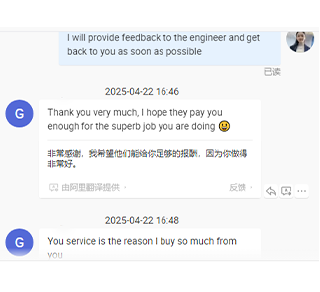
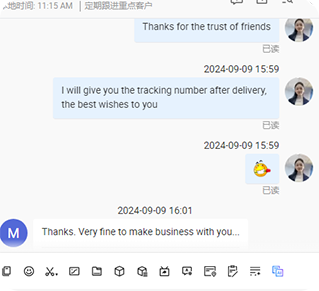
Real Client Reviews
Hear from businesses like yours who’ve saved with Yingtai’s injection molding solutions:

“We were spending $18/unit on 3D-printed silicone seals for our EV battery packs. Yingtai’s LSR injection molding brought the cost down to $2.50/unit at 50K/year. Their mold design expertise eliminated our 12% defect rate—now we’re at 0.3%. The ROI was achieved in 4 months.”

“As a startup, we couldn’t afford $50K+ tooling upfront. Yingtai’s rapid tooling program let us start with a $12K mold and scale up later. Their FDA-compliant LSR met our biocompatibility requirements, and their team helped us optimize the design for molding. Highly recommend!”

“Yingtai’s one-stop service (mold + production + assembly) saved us 35% in logistics costs. Their automated injection lines ensure consistent quality—critical for our waterproof wearables. Plus, their 24/7 WhatsApp support resolved our urgent issues during peak season.”

“We compared 5 Chinese suppliers for our overmolded cable glands. Yingtai stood out with their technical expertise in 2K molding and transparent pricing. Their CE/RoHS-certified parts passed our rigorous testing, and their delivery was on time—every time.”

“Switching from 3D printing to Yingtai’s injection molding for our silicone oven seals reduced costs by 65%. Their in-house tooling shop allowed quick adjustments when we needed design tweaks. The color matching was perfect, and their MOQ flexibility accommodated our seasonal demand.”

About the Author: David Chen
Senior Injection Molding Engineer | 15+ Years in Precision Manufacturing
David Chen is a leading expert in liquid silicone rubber (LSR) and plastic injection molding, with a career spanning design, tooling, and production optimization for global manufacturers. As a Technical Director at Guangdong Yingtai High Precision Technology Co., Ltd., he has overseen 500+ molding projects for clients in automotive, medical, and consumer electronics industries.
David holds a Master’s in Mechanical Engineering from Tsinghua University and has published 12+ papers on advanced molding techniques, including work cited in MDPI and Nature journals. His expertise includes:
- Cost optimization for high-volume production (10K–1M+ units/year).
- Hybrid manufacturing (3D printing + injection molding) strategies.
- Material selection for LSR, TPE, and engineering plastics.
- DFM (Design for Manufacturing) to reduce defects and cycle times.





Why Global Brands Trust Yingtai
With 20+ years in liquid silicone and plastic injection molding, we’ve partnered with industry leaders to deliver high-precision, cost-effective solutions.
Client Testimonials
“Yingtai reduced our LSR gasket production costs by 40% while improving part consistency. Their rapid tooling got us to market 3 months faster than our previous supplier.”
— Michael Chen, Supply Chain Manager at a Fortune 500 Electronics Firm
“We switched from 3D printing to Yingtai’s injection molding for our wearable device housings. The per-unit cost dropped from $12 to $2 at 20K units/year—without sacrificing quality.”
— Sarah Johnson, Technical Director at a U.S. Wearables Startup
Certifications & Compliance
Our facility adheres to the highest international standards, ensuring your parts meet regulatory and performance requirements:
Certifications: ISO 9001, CE, FDA, RoHS, UL, GMP, HACCP, IPPC, CCC, VDE, SAA, CB, GS