Unlocking unmatched manufacturing precision and operational efficiency for aerospace, automotive, medical, and advanced tooling sectors. In the realm of advanced manufacturing, 5-axis machining stands as a critical technology for producing highly complex and precision-demanding
Product Details
5-Axis Machining: Precision Engineering for Complex Industrial Applications
Unlocking unmatched manufacturing precision and operational efficiency for aerospace, automotive, medical, and advanced tooling sectors.
Introduction to 5-Axis Machining
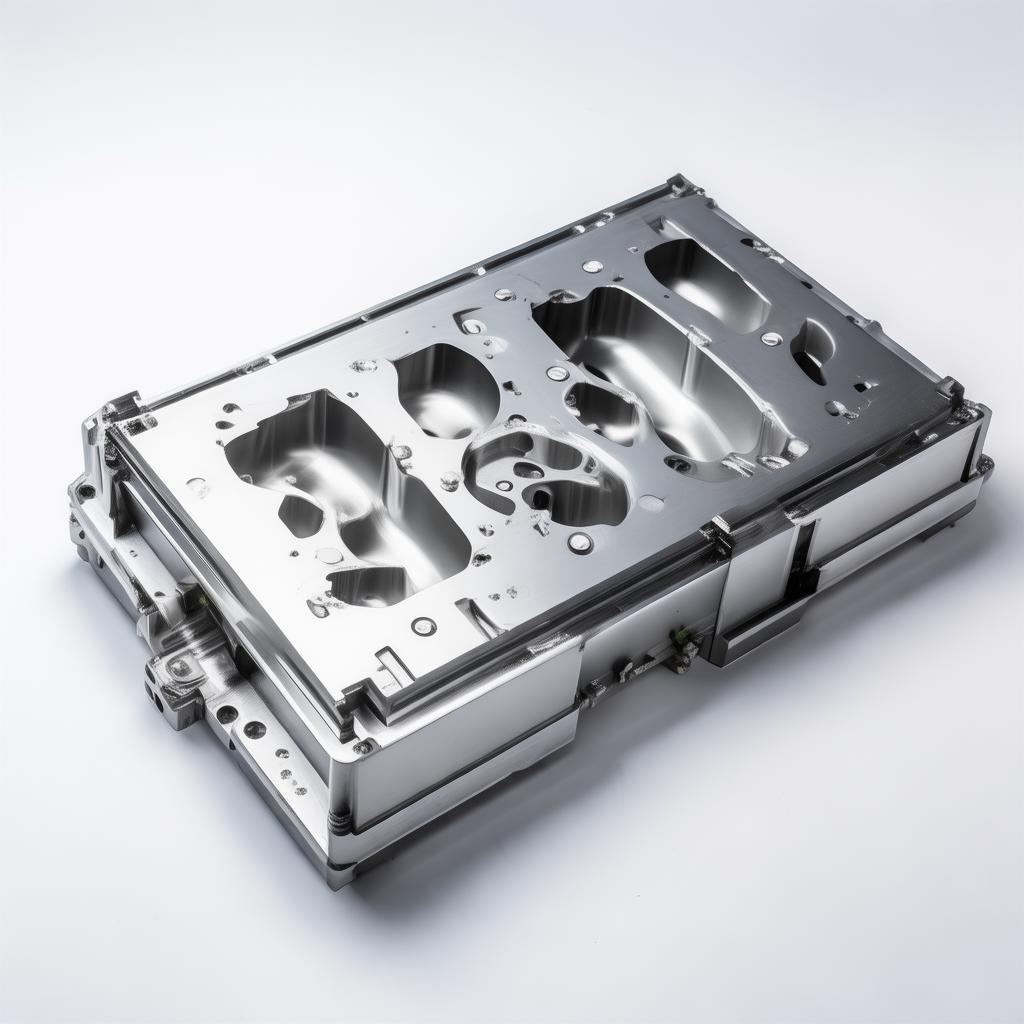
In the realm of advanced manufacturing, 5-axis machining stands as a critical technology for producing highly complex and precision-demanding components. Unlike traditional 3-axis machining that moves along the X, Y, and Z axes, 5-axis machining adds simultaneous rotation on two additional axes, allowing tool movement around the part in almost any orientation.
This capability is indispensable when working with intricate geometries—often found in aerospace turbine blades, medical implants, automotive engine components, and precision molds. The ability to approach the workpiece from multiple angles reduces the need for multiple setups, minimizing human error and boosting throughput.
However, practical implementation requires substantial expertise. Programming 5-axis CNC machines demands a blend of deep technical knowledge in CAM software and an understanding of the physical machining limitations such as tool access, potential collisions, and thermal effects. Choosing the right machine and tooling setup is vital to maintaining tight tolerances and avoiding unnecessary rework.
From an operational viewpoint, efficient 5-axis machining often translates into:
Sharper finishes due to constant optimal tool orientation
Reduction in setup time by consolidating machining steps
Higher machining accuracy with minimized human intervention
Enhanced ability to produce undercuts and deep cavities in a single setup
This combination leads to accelerated project turnaround and improved OEM competitiveness, especially for high-precision part manufacturing targeting medical devices and aerospace sectors. Nonetheless, the importers, purchasing managers, and technical engineers sourcing these services should scrutinize supplier capabilities beyond basic specs — focusing on machine calibration processes, compliance with industry standards (ISO 9001, AS9100), and in-depth quality assurance measures — to avoid costly mistakes after production begins.
In recent years, integration of 5-axis machining into automated production lines has intensified, particularly with Industry 4.0 frameworks enabling real-time process optimization and predictive maintenance. This is changing buying patterns from purely cost-driven considerations toward partnerships emphasizing technological adaptability and supply chain resilience.
Manufacturers like Guangdong Yingtai High Precision Technology Co., Ltd., nestled in the heart of Dongguan, China, leverage such integrated approaches—pairing 5-axis systems with precision molding and overmolding solutions—to meet diversified industry demands. Their operational footprint includes over 30 precision machining units and advanced inspection instruments, maintaining consistent quality for demanding end-use cases such as smart wearable components and automotive seals.
Ultimately, 5-axis machining is not just a process upgrade, but a strategic investment. The right approach reduces lead times, improves parts quality, and minimizes non-conformance risks, all pivotal to maintaining agility in complex international supply chains.
Industry Pain Points & Challenges Around 5-Axis Machining
Navigating the world of 5-axis machining brings inherent challenges that can impact your project's success if overlooked:
Machine Calibration & Maintenance: Precise machine calibration is a must for long-term accuracy; unplanned downtime or inadequate maintenance leads to costly delays.
Material Hardness & Tool Wear: Difficult-to-machine materials like titanium alloys or Inconel accelerate tool wear, impacting cycle times and defect rates.
Supply Chain Delays: Component sourcing delays or container loading inefficiencies can bottleneck production schedules in international trade.
Quality Assurance & Certification: Ensuring compliance with aerospace (AS9100) or ISO standards demands rigorous inspection, adding layers of operational requirements.
Purchasing managers and procurement directors often face the dilemma of balancing cost, quality, and lead time. Oversimplified quotes ignoring these hidden complexities can backfire. Operational managers emphasize the value of proactive supplier audits and clarity in communication as preventive measures for these risks.
Technical Deep Dive: Understanding the 5-Axis Machining Process
The essence of 5-axis machining lies in its two additional rotary axes — commonly referred to as the A, B, or C axes — supplementing the linear X, Y, and Z movements. By rotating the workpiece or the cutting tool about these axes, the machine crafts parts with complex geometries in a single setup.
Here's a breakdown of the core elements involved:
Component
Function
Operational Notes
Rotary Table (Workpiece Axis)
Rotates the part on an axis (A or B axes)
Enables precise angular positioning for undercuts and side machining
Swiveling Spindle (Tool Axis)
Rotates tool head around axes for angled machining
Reduces tool interference and grants better surface access
Toolpath Programming Software
Generates coordinated motion commands across all five axes
Must consider collision avoidance, tool orientation, and material specifics
Tooling & Fixtures
Custom fixtures stabilize the part for multi-axis operations
Precision and rigidity here are critical to prevent deflection
Material compatibility is another technical key factor. Metals like aluminum, titanium, stainless steel, and high-performance alloys are common 5-axis candidates. Each material's machinability influences tool selection, spindle speeds, and coolant application strategies. For instance, machining titanium demands stringent thermal management to avoid work hardening and tool wear acceleration.
One practical insight from manufacturers handling OEM contracts: investing in advanced tool monitoring systems and adaptive control software reduces scrap rates and improves mean time between failures (MTBF), enhancing overall equipment effectiveness (OEE).
Given these complexities, a factory like Yingtai integrates precision liquid silicone molding with 5-axis machining capabilities, ensuring turnkey solutions with streamlined quality control under industrial ISO and CE certifications.
Applications & Industry Case Studies
5-axis machining's versatility lends itself to multiple high-value applications:
Aerospace Components: Complex turbine blades, airframe brackets, and engine casings requiring tight tolerances and intricate geometries.
Medical Devices: Customized orthopedic implants, surgical instruments, and prosthetics with critical surface finish and biocompatibility requirements.
Automotive Industry: High-performance engine parts, transmission components, and molded prototype tooling that demand short lead times.
Tool & Die Making: Precision molds for injection molding, especially in multi-cavity setups with undercuts and fine features.
Consumer Electronics: Lightweight, compact housing components with precise details and tight dimensional specs.
Real-World Example: Yingtai’s Aerospace Part Production
A major aerospace supplier partnered with Guangdong Yingtai to produce titanium bracket assemblies featuring complex free-form surfaces. Utilizing high-speed 5-axis machining with specialized coolant channels, the team reduced cycle times substantially while meeting AS9100 quality standards.
The integrated approach eliminated the need for secondary finishing, lowered set-up time by 40%, and delivered parts with repeatable tolerances within ±0.005 mm.
Case Highlight: Customized Medical Implants
In the medical device segment, precision 5-axis machining enables customized hip and knee implants with surface roughness optimized for osseointegration. Yingtai’s facility supports multi-material overmolding and post-machining processes, certified under ISO 13485. This allows rapid prototyping and accelerated product development, critical in competitive healthcare markets.
Procurement Guidance & Supplier Evaluation
Selecting a 5-axis machining supplier is more than a price negotiation—it's a strategic decision that directly impacts product quality and delivery consistency. Here are practical considerations to evaluate before signing contracts:
Machine Inventory & Capability: Assess the quantity, brand, and age of 5-axis CNC machines to understand production capacity and technology level.
Certifications & Quality Systems: Verify compliance with ISO 9001, AS9100 (for aerospace), or ISO 13485 (medical) standards. Request audit reports when possible.
Technical Support & Engineering: Ensure the supplier employs experienced CAM programmers and engineers capable of complex toolpath optimizations and troubleshooting.
Material Testing & Inspection: Confirm availability of in-house equipment such as CMM (Coordinate Measuring Machines), surface profilometers, and non-destructive testing setups.
Turnaround & Lead Times: Discuss realistic production schedules, factoring in tooling lead times and post-machining processes.
OEM/ODM Flexibility: For brand owners, check if the supplier provides customization options and supports design for manufacturability (DFM) services.
Logistics & Export Experience: Confirm that the supplier understands export regulations, container loading optimization, and can provide accurate shipping plans to avoid costly customs delays.
Proactive communication with supplier production managers—like Yingtai’s export director—is invaluable. Clarifying tooling requirements, material certifications, and inspection protocols early eliminates common pitfalls related to dimensional drift or contract disputes.
Tip:
Request CAD/CAM simulation reports or sample components before bulk orders to validate machining accuracy and material compatibility.
Buyer FAQs: 5-Axis Machining
Q1: What are the main advantages of 5-axis machining over 3-axis?
5-axis machining allows simultaneous rotation of the tool or part on two additional axes, enabling complex shapes and undercuts to be machined in a single setup. This reduces setup times, enhances surface finish, and improves dimensional accuracy.
Q2: Which materials can be processed on 5-axis machines?
Common materials include aluminum, titanium alloys, stainless steel, Inconel, plastics, and composites. Each material may require unique tooling and coolant strategies to optimize tool life and machining quality.
Q3: Are there specific certifications I should request from the supplier?
Depending on your application, ISO 9001 is fundamental. Aerospace parts typically require AS9100 certification; medical device machining demands ISO 13485. Compliance ensures robust quality management and traceability.
Q4: How does 5-axis machining affect lead time and costs?
While 5-axis machining can reduce overall process time by consolidating setups, initial programming may be more involved. Tooling and machine usage costs are higher, but the reduction in manual repositioning and improved consistency often offsets these expenses.
Q5: Can I get OEM or ODM options with 5-axis machining suppliers?
Yes. Many suppliers offer OEM/ODM services, including design assistance, rapid prototyping, and custom mold development, especially in factories with integrated solution capabilities like Yingtai.
Customer Reviews & Procurement Insights
David Schultz, Senior Procurement Director, Phoenix Aero Inc.
“Partnering with a 5-axis machining supplier who understands aerospace standards saved us significant rework costs. Yingtai’s combination of tight tolerances and quick turnaround has improved our supplier reliability notably.”
Get in Touch
If you have any camping barbeque equipment inquiry, please feel free to contact us.



 David Schultz, Senior Procurement Director, Phoenix Aero Inc.