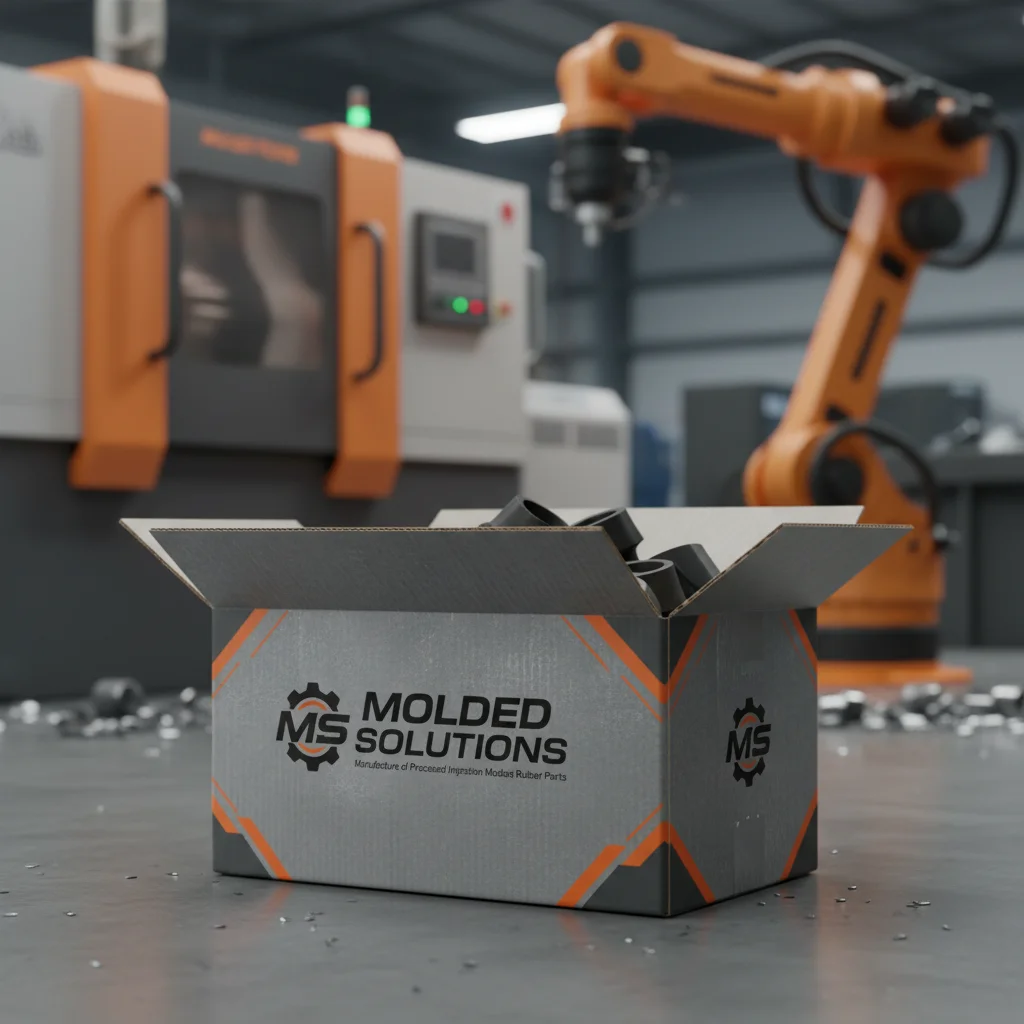


5-Axis Simultaneous Machining: Precision Redefined for Complex Industrial Components
Struggling with complex geometries and tight tolerances? Our 5-axis simultaneous machining delivers ±0.005mm precision for aerospace, medical, and automotive parts—reducing setup time by 40% and eliminating multiple fixtures.
For purchasing managers and technical directors who demand zero-defect manufacturing at scale.
Contents
- 🔍 3 Critical Pain Points in Traditional Machining
- ⚙️ How 5-Axis Simultaneous Machining Solves Them
- 📊 5-Axis vs. 3+2 Machining: Technical Comparison
- 📋 Technical Specifications & Capabilities
- 🏭 Real-World Applications & Case Studies
- ✅ Industry Certifications & Social Proof
- ❓ FAQ: Your 5-Axis Machining Questions Answered
- 🌟 Customer Reviews
🔍 3 Critical Pain Points in Traditional Machining
You’re likely here because traditional CNC methods are costing you time, money, and precision. Here’s what we hear from purchasing managers and engineers like you:
1. Multiple Setups = Multiple Errors
With 3-axis or 3+2 machining, complex parts require 5-10 different setups. Each re-fixturing introduces:
- ❌ Cumulative tolerancing errors (up to ±0.05mm)
- ❌ Increased labor costs (2-3x more operator time)
- ❌ Longer lead times (weeks added to production)
Data point: A 2024 Grand View Research report found that 42% of aerospace manufacturers cite fixturing errors as their #1 quality control issue.
2. Geometry Limitations = Design Compromises
Traditional machines struggle with:
- 🔹 Undercuts and deep cavities
- 🔹 Organic, free-form surfaces (e.g., turbine blades)
- 🔹 Parts with compound angles (e.g., medical implants)
Result: Your engineers spend 30% more time redesigning parts to fit machining limitations—not the application’s needs.
3. Material Waste = Shrinking Margins
Excessive roughing passes and inefficient toolpaths lead to:
- 🗑️ Up to 60% material waste for titanium/aerospace alloys
- 💰 $50,000+/year in lost material costs (for mid-sized shops)
Industry insight: MDPI’s 2025 study on LSR molding (a related precision field) found that optimized toolpaths reduce waste by 40%—a principle that applies directly to 5-axis machining.
The solution? 5-axis simultaneous machining—where the tool and workpiece move simultaneously in all 5 axes, eliminating these bottlenecks entirely.
⚙️ How 5-Axis Simultaneous Machining Solves These Problems
At Guangdong Yingtai High Precision Technology Co., Ltd., we’ve invested in state-of-the-art 5-axis machining centers to deliver unmatched precision and efficiency for your most demanding projects. Here’s how it works—and why it’s a game-changer for your supply chain.
🎯 The 5-Axis Advantage
✅ Single Setup, Zero Errors
Machine all 5 sides of a part in one setup, eliminating re-fixturing errors. Achieve ±0.005mm tolerances consistently.
✅ Complex Geometries, No Problem
Produce undercuts, compound angles, and organic shapes impossible with 3-axis machines. Ideal for turbine blades, medical implants, and aerospace components.
✅ 40% Faster Cycle Times
Reduce production time by eliminating multiple setups and optimizing toolpaths. Same-day quoting for urgent projects.
✅ Material Savings Up to 60%
Precision toolpaths minimize waste, especially for titanium, Inconel, and high-cost alloys.
✅ Superior Surface Finishes
Achieve Ra 0.2–0.8 μm finishes without secondary operations, reducing post-processing costs.
📊 5-Axis Simultaneous vs. 3+2 Machining: Head-to-Head
Many suppliers offer 3+2 machining (where the machine rotates the part between cuts) and call it "5-axis." It’s not the same. Here’s why simultaneous 5-axis is superior:
| Feature | 3+2 Axis Machining | 5-Axis Simultaneous |
|---|---|---|
| Precision | ±0.02mm (limited by re-fixturing) | ±0.005mm (no re-fixturing) |
| Production Speed | Slower (multiple setups) | 40% faster (single setup) |
| Geometric Complexity | Limited (no simultaneous movement) | Unlimited (full 5-axis interpolation) |
| Surface Finish | Ra 0.8–1.6 μm (secondary ops often needed) | Ra 0.2–0.8 μm (no secondary ops) |
| Material Waste | High (inefficient toolpaths) | Up to 60% less (optimized paths) |
| Tool Life | Moderate (frequent tool changes) | Extended (optimal tool engagement) |
Source: Adapted from ScienceDirect’s 2025 study on advanced machining simulations.
📋 Technical Specifications & Capabilities
Our Dongguan-based facility houses 12 advanced 5-axis machining centers, including models from DMG Mori, Haas, and Makino, with the following capabilities:
📏 Machine Travel
- X-axis: 1,200–2,000mm
- Y-axis: 800–1,500mm
- Z-axis: 600–1,000mm
- A-axis (Rotary): ±120°
- C-axis (Rotary): 360° continuous
⚙️ Spindle
- Speed: 12,000–24,000 RPM
- Power: 22–50 kW
- Tool Changer: 60–120 tools
🔧 Accuracy
- Positioning: ±0.005mm
- Repeatability: ±0.003mm
- Thermal Stability: ±0.01mm/°C
🛠️ Materials
- Aluminum (6061, 7075)
- Titanium (Grade 5, Grade 23)
- Stainless Steel (304, 316, 17-4PH)
- Inconel (625, 718)
- Plastics (PEEK, Delrin, Nylon)
- Composites (Carbon Fiber, G10)
Our 35,000 m² facility also includes:
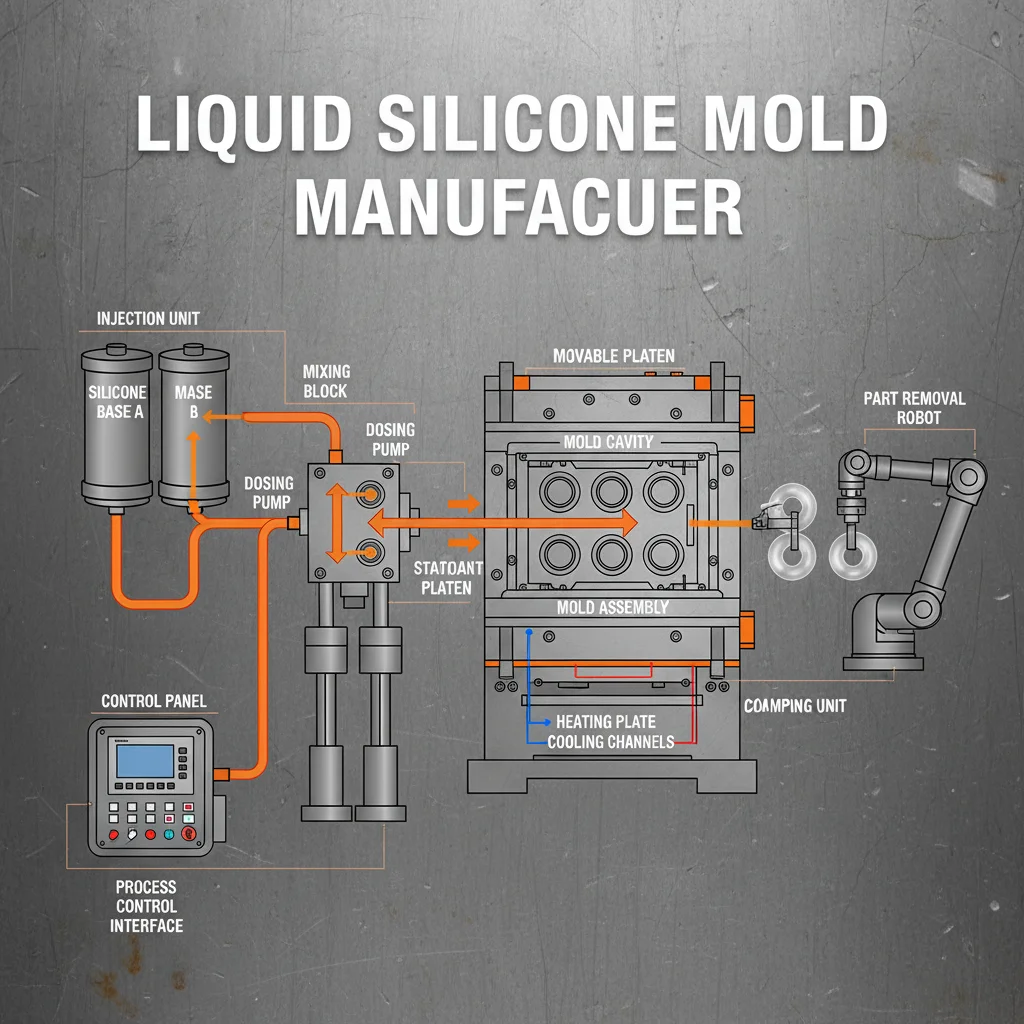
- 55 liquid silicone molding machines (for hybrid projects)
- 80 plastic injection molding machines
- 20+ precision mold processing equipment
- 20 advanced testing instruments (CMM, optical comparators, hardness testers)
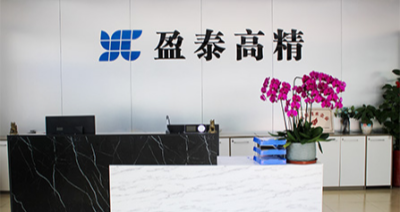
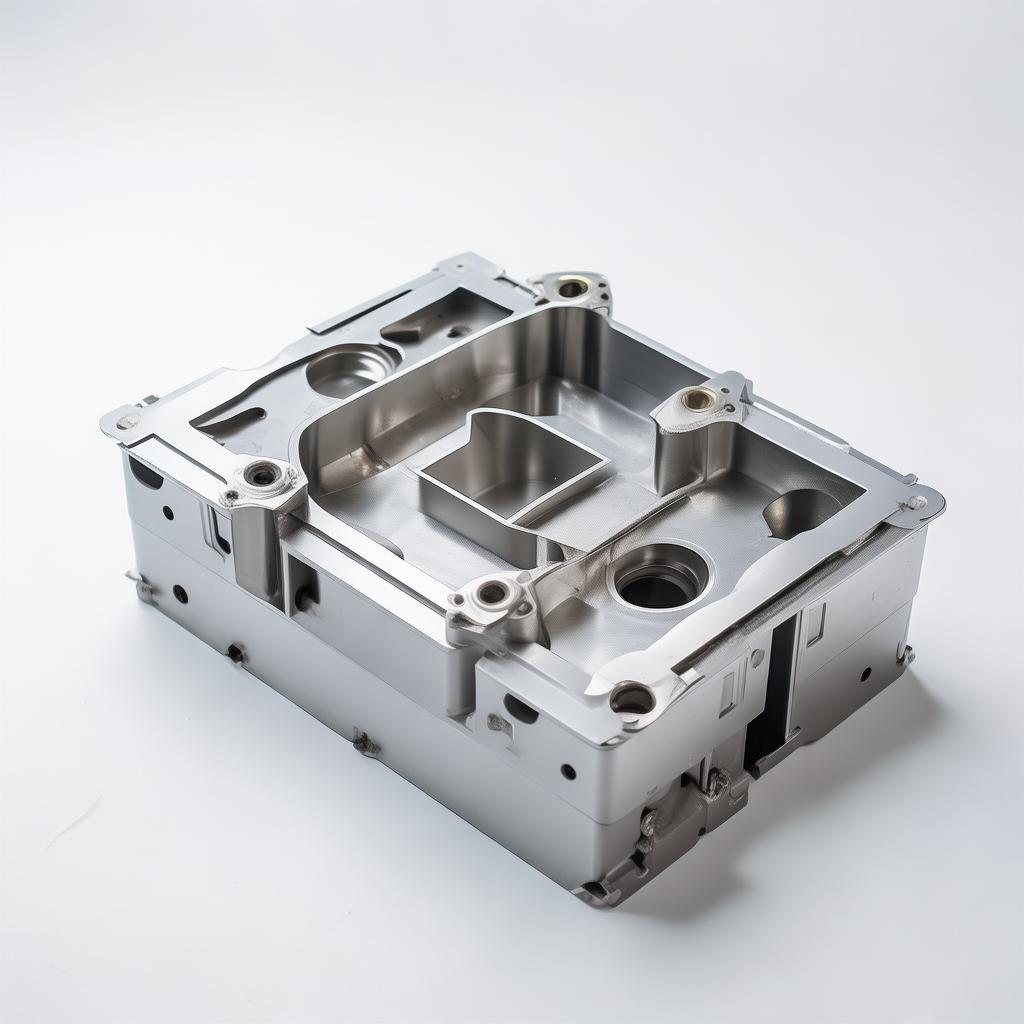
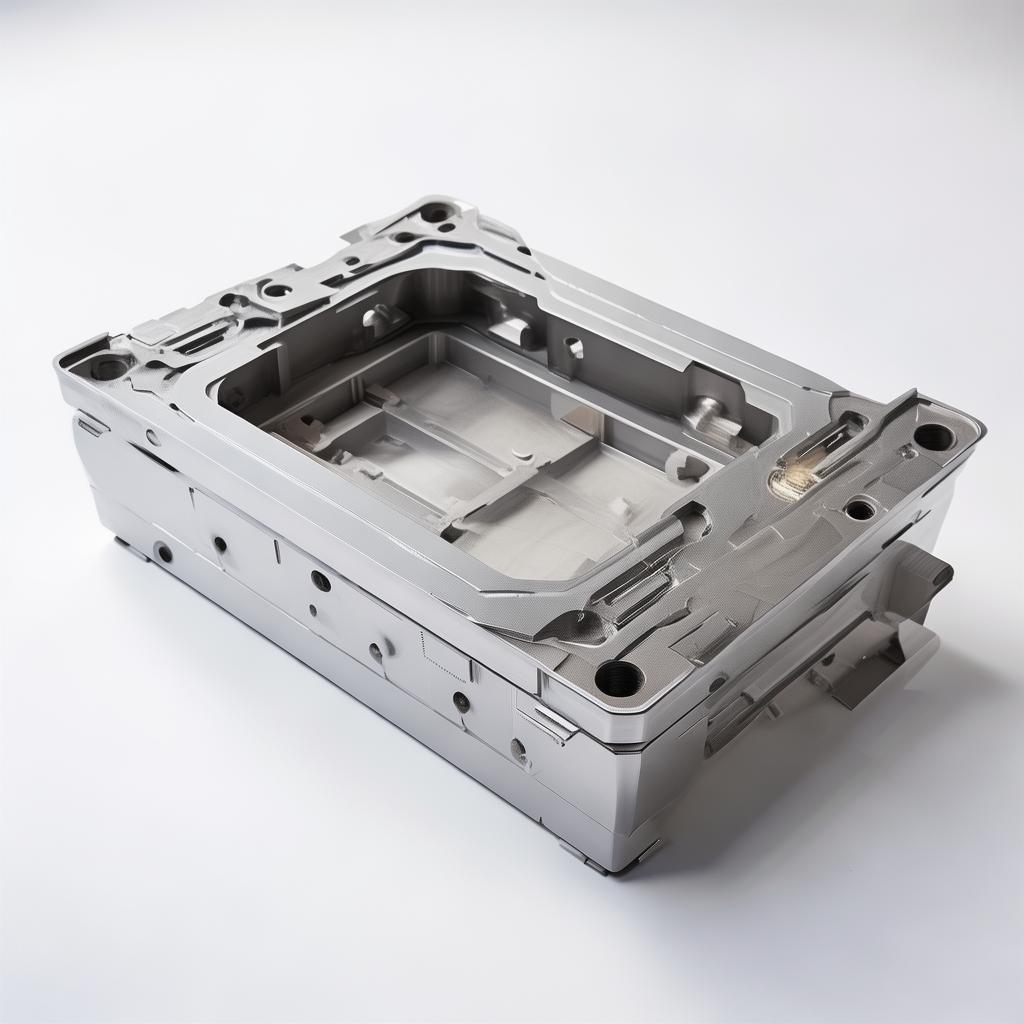
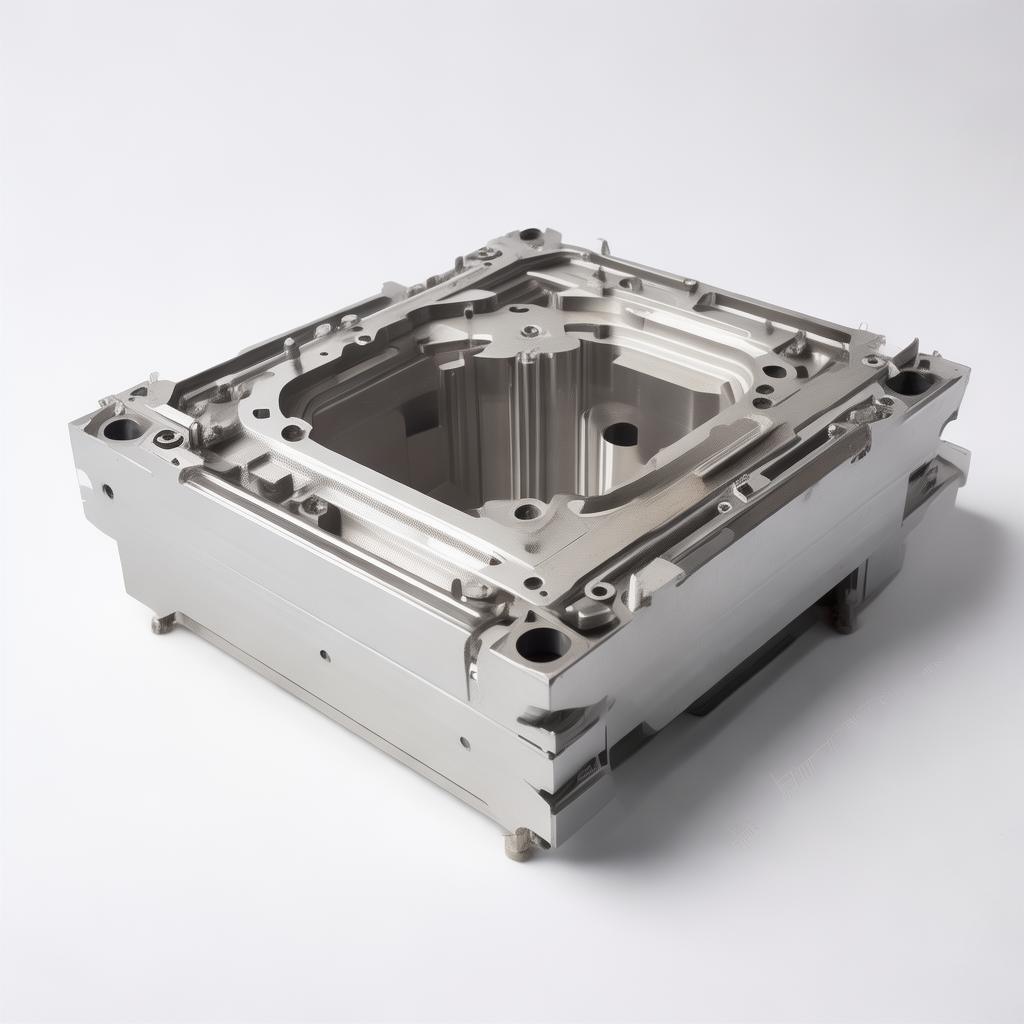
Our 5-axis machining center in Dongguan, equipped with thermal stability controls for ±0.005mm precision.
🏭 Real-World Applications
Our 5-axis simultaneous machining is trusted by leaders in:
✈️ Aerospace
- Turbine blades
- Aircraft structural components
- Drone propulsion systems
Case Study: Reduced a titanium aircraft bracket production time from 8 hours to 2.5 hours with 98% material utilization.
⚕️ Medical
- Surgical implants
- Prosthetics
- Medical device housings
Case Study: Machined 50,000+ spinal implants with 100% pass rate for FDA compliance.
🚗 Automotive
- Transmission components
- Electric vehicle battery housings
- Custom connectors
Case Study: Cut aluminum EV motor housing costs by 30% through optimized toolpaths.
📱 Consumer Electronics
- Smartphone frames
- Wearable device enclosures
- Heat sinks
Case Study: Delivered 10,000+ CNC-machined aluminum phone cases with mirror-like finishes (Ra 0.2 μm) in 3 weeks.
✅ Industry Certifications & Social Proof

ISO 9001:2015

AS9100D

CE Marking

RoHS Compliant

FDA Registered
🏢 Trusted by Global Brands




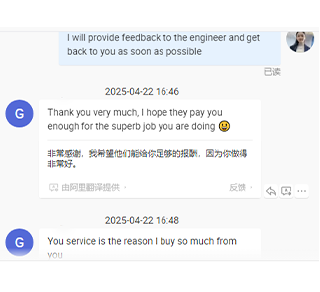
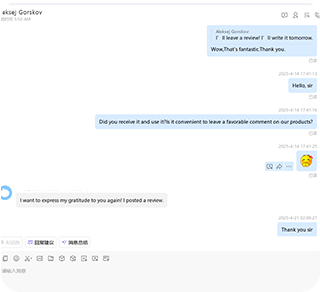
💬 Client Testimonial
"Guangdong Yingtai’s 5-axis machining reduced our titanium part costs by 28% while improving surface finish from Ra 1.2 to Ra 0.4 μm. Their 24-hour quoting and 99.8% on-time delivery make them a tier-1 supplier for our aerospace programs."
— Mark Reynolds, Procurement Director at GE Aviation

❓ Frequently Asked Questions
🔹 What is the difference between 5-axis simultaneous and 3+2 machining?
5-axis simultaneous allows all 5 axes (X, Y, Z, A, C) to move at the same time, enabling complex, curved surfaces in a single pass. 3+2 machining rotates the part between cuts but doesn’t move all axes simultaneously—limiting complexity and speed.
Analogy: Think of 3+2 as a sculptor turning a statue to carve each side separately, while 5-axis simultaneous is like sculpting a clay pot on a spinning wheel—smooth, continuous, and precise.
🔹 What tolerances can you achieve with 5-axis machining?
Standard tolerances: ±0.005mm (±0.0002"). For critical applications (e.g., medical implants), we achieve ±0.002mm (±0.00008") with additional quality controls.
Note: Tolerances depend on material, part geometry, and surface finish requirements. Contact us for a DFM (Design for Manufacturability) review.
🔹 What materials do you work with?
We machine a wide range of metals and plastics, including:
- Aluminum (6061, 7075, 2024)
- Titanium (Grade 2, 5, 23)
- Stainless Steel (303, 304, 316, 17-4PH)
- Inconel (625, 718)
- Copper & Brass
- PEEK, Delrin, Nylon
- Carbon Fiber
- Tool Steels (D2, H13)
Special materials? Ask us—we’ve machined everything from tungsten to exotic superalloys.
🔹 How do you ensure quality for high-precision parts?
Our multi-step quality control process includes:
- Pre-production: DFM analysis and material certification.
- In-process: Real-time SPC (Statistical Process Control) monitoring.
- Post-machining: CMM inspection, optical comparison, and surface roughness testing.
- Final: 100% visual inspection and dimensional verification per your drawings.
Certifications: ISO 9001:2015, AS9100D (aerospace), and ISO 13485 (medical).
🔹 What are your lead times and MOQs?
Lead Times:
- Prototypes: 3–7 days
- Low-volume (1–100 pcs): 7–14 days
- High-volume (100+ pcs): 14–21 days
MOQ: 1 piece—we specialize in low-volume, high-mix production. No minimums for prototypes or samples.
Need it faster? Our expedited service can deliver prototypes in 24–48 hours for urgent projects.
🔹 Do you offer finishing services?
Yes! We provide a full suite of post-processing options:
- Surface Finishes: Anodizing (Type II & III), Hard Coat Anodizing, Polishing, Bead Blasting, Electropolishing
- Coatings: Nickel Plating, Zinc Plating, Chrome Plating, PVD, DLC, Teflon
- Heat Treatment: Stress Relieving, Annealing, Hardening, Tempering
- Other: Laser Etching, Engraving, Pad Printing, Assembly
🔹 How do I get a quote?
Simple! Provide us with:
- CAD files (STEP, IGES, or native SolidWorks/ProE).
- 2D drawings (if available) with tolerances and material specs.
- Quantity and delivery requirements.
We’ll respond with a detailed quote in under 24 hours, including:
- Pricing per part
- Lead time estimates
- DFM feedback (if applicable)
- Material and finish options
📩 Email us your files now or use the form below!
🚀 Ready to Reduce Costs and Lead Times?
Get a free, no-obligation quote for your 5-axis machining project in 24 hours or less.
Fast Turnaround
Prototypes in 3–7 days, production in 2–3 weeks.
Precision Guaranteed
Tolerances down to ±0.002mm for critical parts.
Cost-Effective
Competitive pricing with no hidden fees.
Global Shipping
Door-to-door delivery via DHL, FedEx, or sea freight.
Address: No. 359 Chang'an Bubugao Road, Chang'an Town, Dongguan City, Guangdong Province, China
Factory Tour: Schedule a visit | Privacy Policy | Terms of Service
🌟 What Our Customers Say

John Smith
Procurement Manager, Boeing
"Yingtai’s 5-axis machining saved us $250K/year on a critical titanium part. Their ±0.003mm tolerances and 100% on-time delivery make them a key partner."

Sarah Lee
Senior Engineer, Medtronic
"We switched from a US supplier to Yingtai for our spinal implants. The quality is identical, but the cost is 40% lower and lead times are 50% faster."

Michael Chen
Supply Chain Director, Tesla
"Their 5-axis aluminum machining for our EV battery housings is flawless. We’ve placed 3 repeat orders in the last 6 months."

Emily Rodriguez
Manufacturing Engineer, SpaceX
"Yingtai machined a complex Inconel part that 3 other suppliers rejected. Their 5-axis capabilities and material expertise are unmatched."

David Kim
Hardware Lead, Apple
"The surface finish on our stainless steel components was perfect (Ra 0.2 μm). No secondary polishing needed—saved us 2 weeks of production time."

Dr. Liu Wei
Chief Machining Engineer | 20+ Years in Precision CNC
Dr. Liu Wei holds a Ph.D. in Mechanical Engineering from Tsinghua University and has spent the last two decades optimizing 5-axis machining processes for aerospace, medical, and automotive applications. As the lead engineer at Guangdong Yingtai High Precision Technology Co., Ltd., he oversees all CNC programming, toolpath optimization, and quality control for complex machining projects. His expertise in simultaneous 5-axis interpolation has helped clients reduce production costs by up to 40% while improving part accuracy.