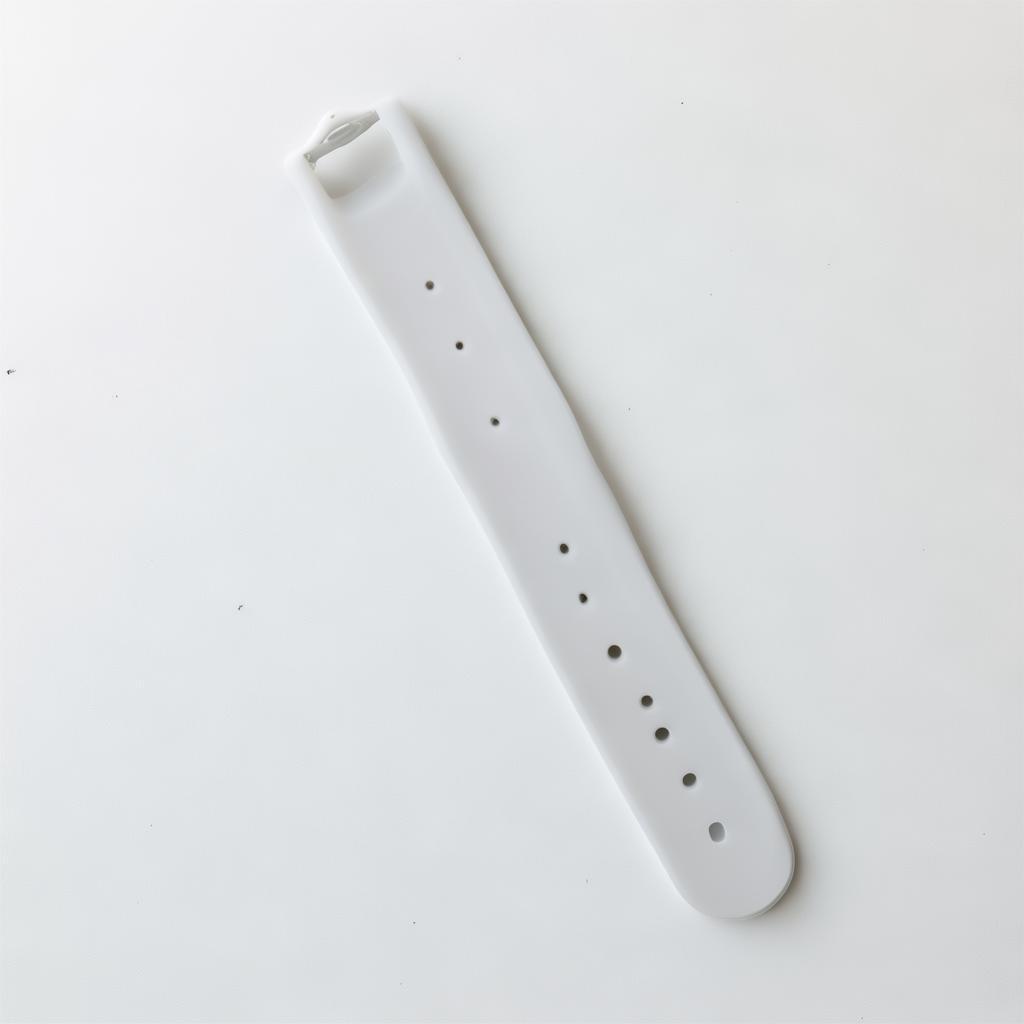
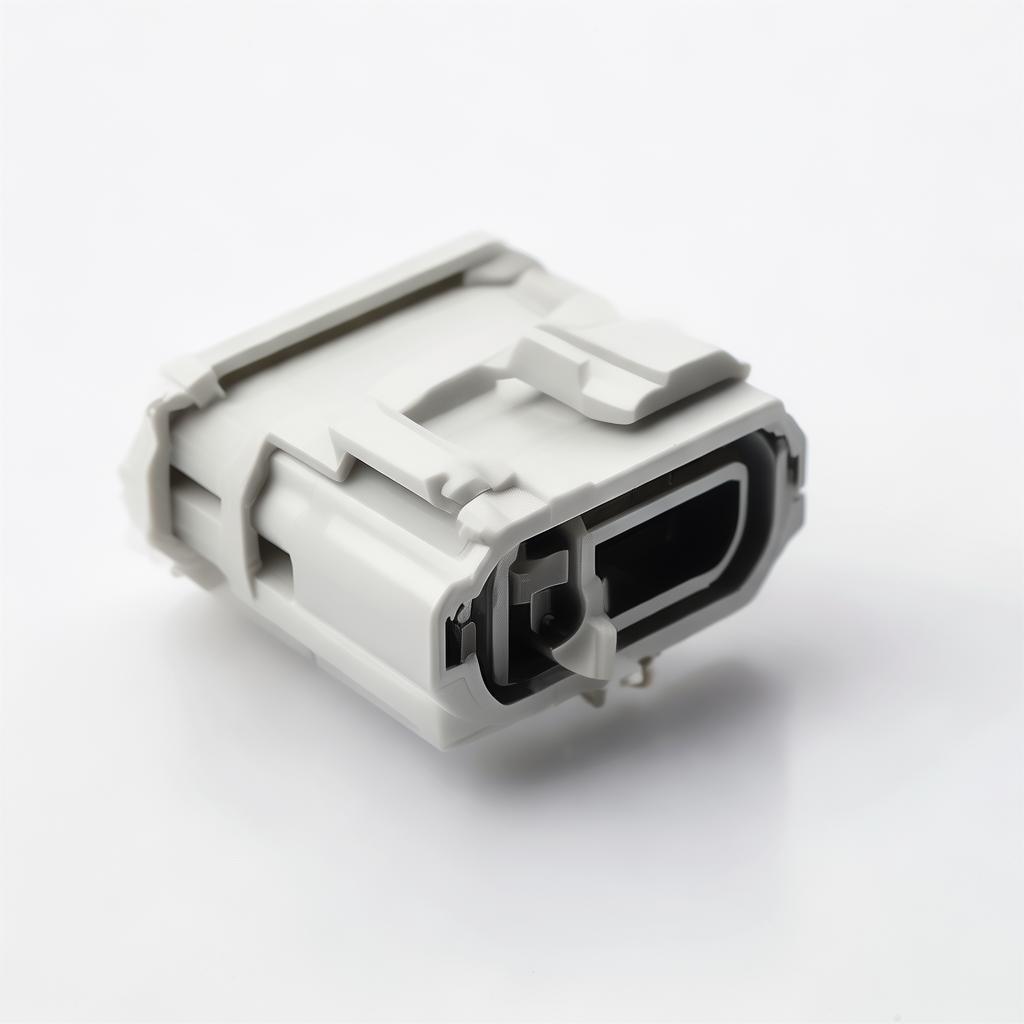
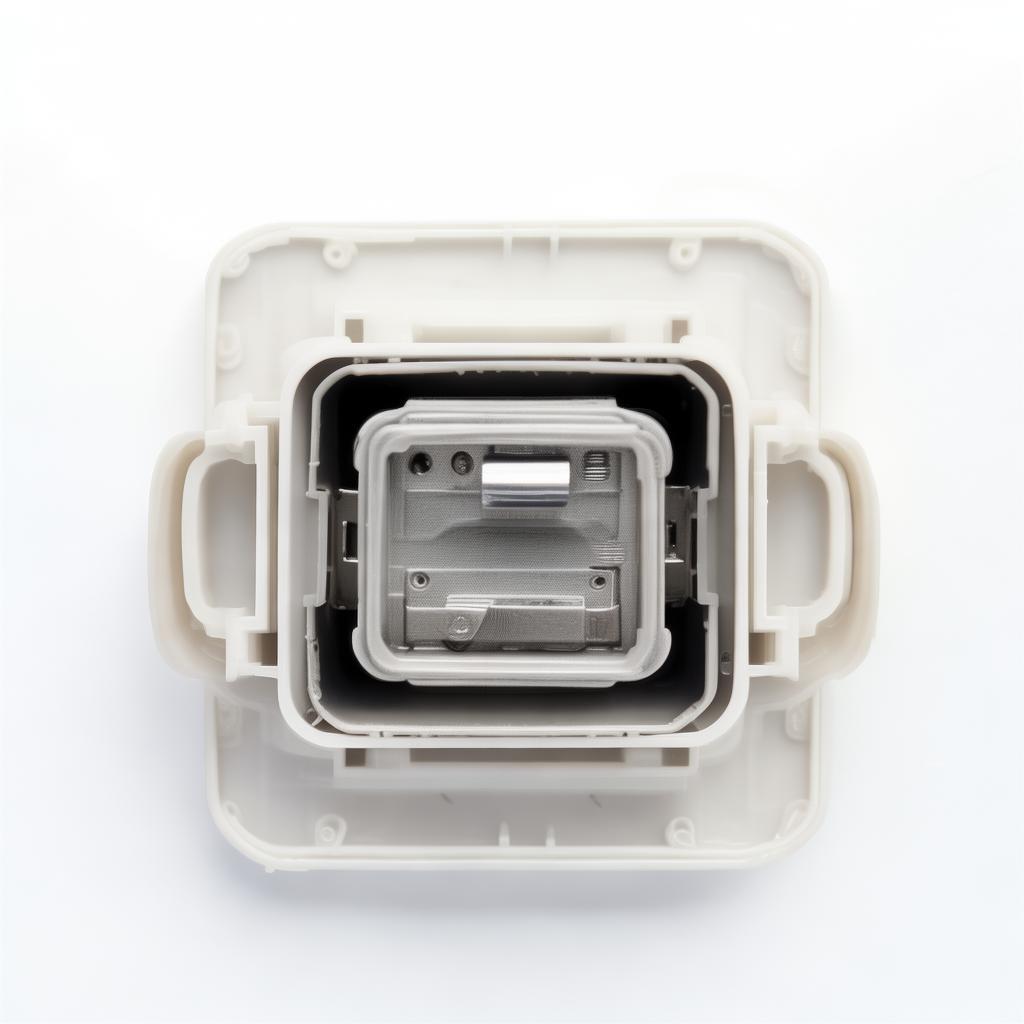
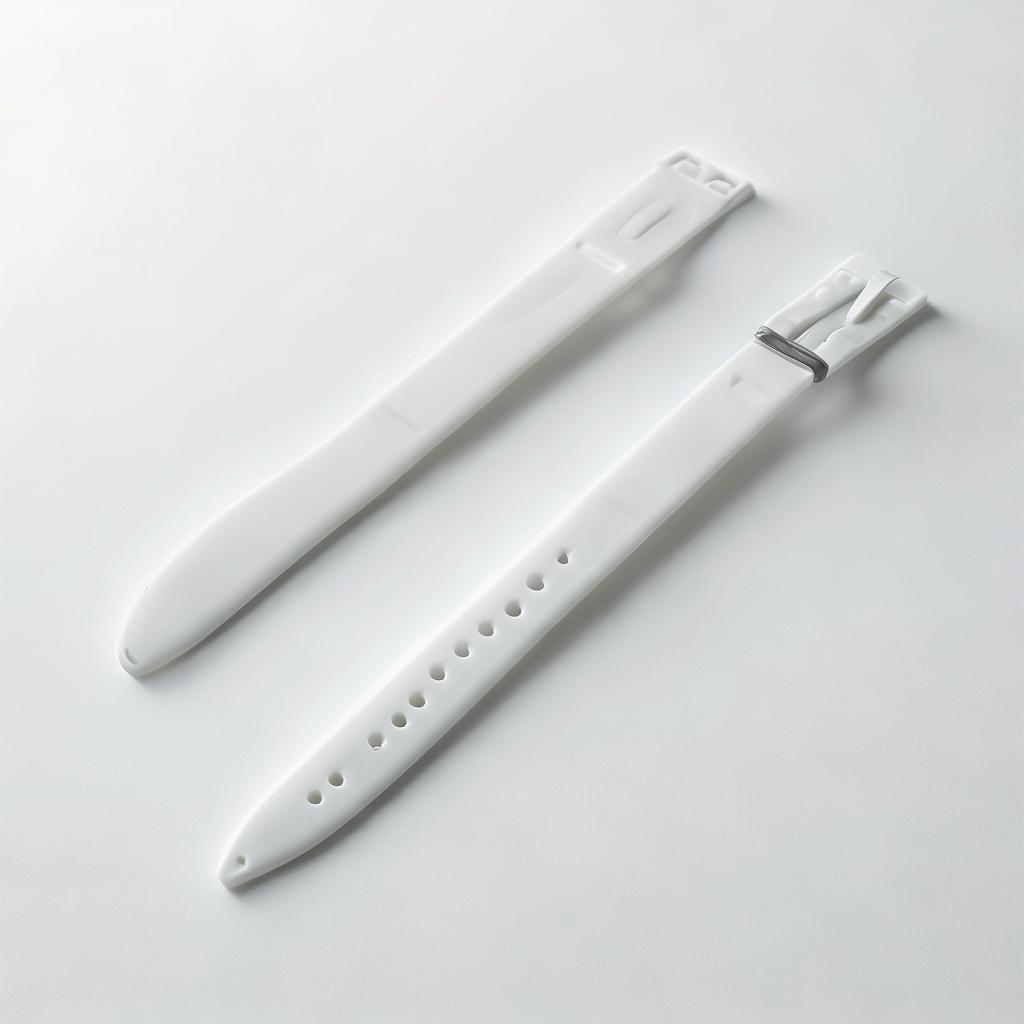
Discover the comprehensive technical advantages and industrial potential of 6/6 nylon , a cornerstone material in manufacturing, textile, automotive, and electrical industries. Backed by decades of expert production insights from Guangdong Yingtai High Precision
Product Details
6/6 Nylon: Reliable High-Performance Engineering Polymer Solutions for Industrial Applications
Discover the comprehensive technical advantages and industrial potential of 6/6 nylon, a cornerstone material in manufacturing, textile, automotive, and electrical industries. Backed by decades of expert production insights from Guangdong Yingtai High Precision Technology Co., Ltd., explore how 6/6 nylon can deliver operational efficiency, durability, and cost-effectiveness for your next project.
Industry Challenges with Polymer Materials
Selecting the right polymer for industrial and manufacturing projects is more than ticking boxes on physical properties. Purchasing managers and technical engineers face challenges balancing material performance with cost, availability, processing compatibility, and long-term durability. Common issues include:
Thermal Stability: Many polymers degrade or lose mechanical properties under elevated temperatures found in automotive or heavy machinery environments.
Moisture Absorption: Polyamides are often hygroscopic, altering dimensional stability over time in humid or aqueous conditions.
Wear Resistance: Continuous friction and mechanical stress may cause premature failure if the chosen material lacks appropriate hardness or fatigue resistance.
Process Compatibility: Injection molding parameters and cycle times depend heavily on material flow and thermal conductivities — misalignments here lead to production inefficiencies.
Supply Chain Risks: Global sourcing can introduce delivery delays, quality inconsistencies, and certification gaps if suppliers lack robust quality systems.
Understanding how these hurdles impact project timelines and end-product quality is essential. For example, engineers often grapple with unexpected warpage or dimensional changes during molding — an issue less common when selecting materials like 6/6 nylon with proven thermal and mechanical reliability.
Technical Profile of 6/6 Nylon
6/6 nylon, or Polyamide 6/6, is a semicrystalline thermoplastic widely regarded for its robust mechanical strength, chemical resistance, and thermal endurance. It’s synthesized from hexamethylenediamine and adipic acid, resulting in a polymer with high melting point (~265°C) and excellent abrasion resistance.
Key material characteristics include:
Tensile Strength: Typically between 70 - 90 MPa in injection molded parts, ensuring durability under mechanical stress.
Water Absorption: Around 2.5% at equilibrium moisture content, balanced by design allowances to maintain dimensional stability.
Thermal Operating Range: Usable continuous service temperatures up to 180°C; peak temperatures during processing up to 280°C.
Impact Resistance: High energy absorption capabilities, suitable for applications with shock or vibration loads.
Chemical Resistance: Effective against hydrocarbons, lubricants, alkalis; however, susceptibility to strong acids requires consideration.
Wear and Fatigue Resistance: Naturally resistant to repeated mechanical motion, reducing downtime related to component degradation.
In injection molding production, 6/6 nylon’s melt viscosity and crystallization rates are well documented, enabling predictable cycle times and consistent product dimensions. These properties make it a favorite for OEM and ODM manufacturers serving automotive connectors, industrial gears, and electrical insulation components.
6/6 nylon stands out in the polymer space as a balance between mechanical strength, thermal resilience, and chemical stability. Major operational benefits include:
Strength and Durability: Ideal for load-bearing components, 6/6 nylon maintains integrity under continuous mechanical stress.
Thermal Resistance: Sustains performance at moderately high temperatures common in automotive engine compartments and electrical housings.
Resistance to Abrasion and Wear: Cuts downtime in maintenance-heavy environments such as conveyors, gears, and factory automation parts.
Dimensional Stability: Despite moisture absorption, its crystallinity helps reduce warpage compared to other polyamides.
Process Versatility: Compatible with injection molding, extrusion, and extrusion blow molding offering diverse production methods.
Cost-to-Performance Balance: Often priced competitively relative to engineering thermoplastics with similar properties, optimizing total lifecycle cost.
Technicians and procurement supervisors will note the fewer rejections and less scrap waste observed during runs with 6/6 nylon compared to less predictable material choices. This reliability translates into shorter lead times and improved supplier relationships.
Operational Insight: Many engineers report notably reduced cycle times and mold fouling when switching to optimized 6/6 nylon grades with controlled viscosity profiles, improving throughput without compromising precision.
Material Comparison: 6/6 Nylon vs. Alternatives
For industrial stakeholders evaluating polymer options, 6/6 nylon compares favorably against other popular engineering plastics. Considerations typically include:
Property
6/6 Nylon
Polypropylene (PP)
Polycarbonate (PC)
Acrylonitrile Butadiene Styrene (ABS)
Tensile Strength
80 - 90 MPa
30 - 40 MPa
60 - 70 MPa
40 - 50 MPa
Heat Deflection Temp.
180 - 200°C
90 - 100°C
130 - 140°C
95 - 105°C
Water Absorption
~2.5%*
< 0.01%
< 0.1%
< 0.5%
Impact Resistance
Good
Moderate
Excellent
Good
Processing Method
Injection molding, extrusion
Injection, blow molding
Injection molding
Injection molding, extrusion
*Water absorption lowered significantly with modified formulations and drying.
In summary, while alternatives like polypropylene offer moisture resistance at low cost, they lack the mechanical toughness of 6/6 nylon. Polycarbonate gives excellent impact resistance but falls short at higher temperatures. ABS is versatile but doesn’t match nylon’s wear properties. Your choice hinges on what balance of properties your application demands.
Procurement and Supplier Evaluation Tips
Engaging the right manufacturers and suppliers for 6/6 nylon components is critical for supply chain stability and product success. As a seasoned procurement consultant, I’ve noticed these key points can help:
Material Certification: Confirm supplier compliance with ISO 1857 for polyamide materials, and check for UL or RoHS certifications if electrical compliance is needed.
Process Capability: Evaluate molding facilities equipped with precision injection machines and validated temperature control zones to minimize warpage and defects.
Material Traceability: Transparent batch records and raw material sourcing histories reduce risk of off-spec inputs and production inconsistencies.
Lead Time Realism: Avoid overpromising vendors by discussing realistic lead times based on current order books and raw material availability; expect 4-8 weeks typical for injection molded large runs.
Sample and Testing: Request pre-production samples for dimensional inspection and mechanical validation, particularly if custom blends or reinforced grades are involved.
OEM/ODM Experience: Partner with suppliers who have proven competencies in custom tooling and design iteration to streamline your product lifecycle.
Always remember, a cheaper quote might lead to hidden costs from rework or delays. Investing upfront in supplier quality audits ensures smoother operations later.
Installation and Maintenance Considerations
Whether 6/6 nylon parts are installed in automotive assemblies, conveyor systems, or consumer appliances, practical field observations show several points improve longevity and reliability:
Proper Drying: Nylon absorbs moisture during storage – drying prior to molding and ensuring low-humidity transport prevents brittle failures and dimensional shifts post-installation.
Temperature Management: Avoid exposing finished parts to temperatures beyond the recommended continuous service threshold (~180°C) to prevent softening or accelerated aging.
Wear Monitoring: Use periodic inspections on high-contact components; replacing components before wear exceeds ~0.1 mm can prevent secondary equipment damage.
Chemical Exposure: Limit contact with strong acids or solvents which may degrade the polymer matrix over time.
Simple preventive maintenance coupled with monitoring and scheduled replacements typically extends service life by 30-50% relative to untreated scenarios. Consider these factors when drafting maintenance workflows.
Logistics & Shipping Insights
Managing cross-border shipment of 6/6 nylon components demands foresight on packaging, customs, and container space optimization:
Anti-Static Packaging: Because nylon can accumulate static charge during handling, using conductive or antistatic packaging materials protects components during transit.
Humidity Control: Desiccants and moisture-resistant wrapping are standard for maintaining dimensional stability on long sea journeys.
Container Loading Efficiency: Nylon parts, while lightweight, often have complex shapes; pay attention to palletization to maximize container cubic utilization and reduce freight costs.
Customs Documentation: Ensure exact chemical composition details and international compliance codes are correctly declared to avoid delays.
Lead Time Buffers: Account for port congestion by adding 7-10 days cushion on delivery schedules when sourcing internationally from China-based factories like Guangdong Yingtai High Precision Technology.
Closer collaboration with your logistics providers and suppliers is advised to streamline import/export workflows and maintain cost visibility.
Frequently Asked Questions
Q: What industries most commonly use 6/6 nylon?
A: Automotive, electrical connectors, industrial machinery, sports equipment, and consumer appliance sectors are among the top users. Its mechanical strength and thermal endurance fit demanding applications.
Q: How does moisture absorption affect 6/6 nylon components?
A: Moisture uptake can cause slight swelling and dimension changes. Proper drying before molding and protective environmental controls in service reduces these effects.
Q: Can 6/6 nylon be reinforced for higher strength?
A: Yes, glass fiber or mineral fillers are commonly blended to enhance stiffness, heat resistance, and dimensional stability. Reinforced grades require adjusted molding parameters.
Q: What should buyers verify in supplier quality systems?
A: Look for documented ISO 9001 or IATF 16949 certifications, traceability of raw materials, in-house testing labs, and capability for first-article inspection reports.
Q: What typical lifespan do 6/6 nylon parts have in industrial use?
A: Lifespan varies by application, but with proper processing and maintenance, the material can perform reliably for 5-10 years or longer in standard industrial environments.
What Our Clients Say
James Roberts, Procurement Manager at Midwest Auto Parts, IL:
"Since switching to Guangdong Yingtai's 6/6 nylon components, we've seen smoother assembly line performance with minimal part failures. Their transparent communication and sample support expedited our validation process."
Get in Touch
If you have any camping barbeque equipment inquiry, please feel free to contact us.