James Miller, Purchasing Manager, Chicago
"Yingtai’s ABS components hold consistent quality across shipment batches, reducing our scrap rate by almost 12%. Their technical advice on molding parameters saved us a week of trial runs."



Industry insights from Guangdong Yingtai High Precision Technology Co., Ltd. | Export Director: Miss Zhang
Industrial plastics like ABS (Acrylonitrile Butadiene Styrene) and polycarbonate remain cornerstones of modern manufacturing across North America and globally. Their widespread application—from automotive parts, consumer electronics housings, to durable machine components—stems from a balanced combination of mechanical strength, thermal resistance, and impact toughness. However, procurement and operational teams are continuously grappling with key pain points:
In response, savvy purchasing managers prioritize suppliers with integrated capabilities—from raw resin sourcing, advanced molding, to stringent quality control—backed by transparent certification and export experience. Guangdong Yingtai High Precision Technology Co., Ltd., with over 20 years in plastic molding and a robust industrial park in Dongguan, stands as a viable partner in this landscape.
Understanding the core material characteristics is essential for aligning technical requirements with operational objectives. Here's a concise breakdown:
| Property | ABS | Polycarbonate (PC) |
|---|---|---|
| Impact Resistance | Moderate; good toughness under stress | High; outstanding impact strength, near shatter resistance |
| Heat Deflection Temp. (HDT) | Around 90–100°C | Higher, about 130–150°C |
| Chemical Resistance | Susceptible to some solvents and hydrocarbons | Better chemical resistance; withstands many oils and greases |
| Transparency | Opaque | Naturally transparent; used for optical and glazing applications |
| Machinability | Easy to machine and thermoform | Requires precise tooling; higher wear on cutting tools |
| Cost | Lower initial cost; widespread availability | Higher priced; justified by performance in demanding environments |
These distinctions underscore polycarbonate’s preference for applications demanding transparency and toughness—like safety lenses—while ABS remains a cost-effective solution for housings and automotive trims. Industrial engineers often recommend process adjustments when switching between materials: for instance, polycarbonate’s higher melt temperature demands more robust injection molding machines and precision temperature control to avoid degradation and warping.
In practice, manufacturing and installation teams face different challenges accessing the full potential of ABS and polycarbonate:
Installation teams often note that polycarbonate components have a higher thermal expansion coefficient than metals, demanding careful allowance in assembly to avoid stress fractures. Similarly, welding or bonding ABS parts requires solvent selection matching chemical resistance parameters to prevent premature failure.
| Criteria | ABS | Polycarbonate (PC) |
|---|---|---|
| Impact Resistance | Good, but brittle under very low temperatures | Excellent; performs well under extremes |
| Heat Resistance | Moderate up to ~100°C | High; up to ~150°C continuous use |
| Cost | Lower; readily available | Higher; niche performance |
| Transparency | Opaque | Transparent; up to 90% light transmission |
| Flame Retardancy | Additives used; varies | Naturally flame resistant, UL 94 V-0 grades available |
| UV Stability | Fair; susceptible to yellowing | Excellent with coatings; preferred for outdoor use |
| Machinability | Easy to drill, mill, and cut | Machining possible but tool wear is a concern |
*Note: For demanding applications, blends like PC/ABS may provide a balanced solution, combining toughness and cost-efficiency.
Decision-makers consistently prioritize suppliers who offer more than just raw materials. Based on real industry experience and frequent buyer pitfalls, consider the following checklist before locking your next bulk order:
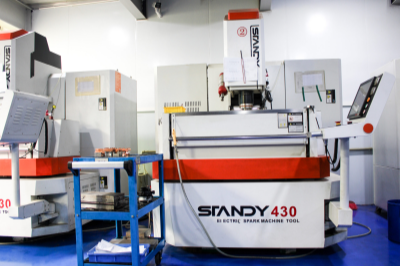
Take Guangdong Yingtai High Precision Technology Co., Ltd. as an example. With a 35,000 sqm industrial park, over 80 injection machines, and a professional team of 500+ experts, they exemplify a supplier bridging technical expertise and international logistics acumen.
Integrating plastics into manufacturing lines requires awareness beyond material specs. Here are operational observations from procurement and technical teams collaborating on ABS and polycarbonate projects:
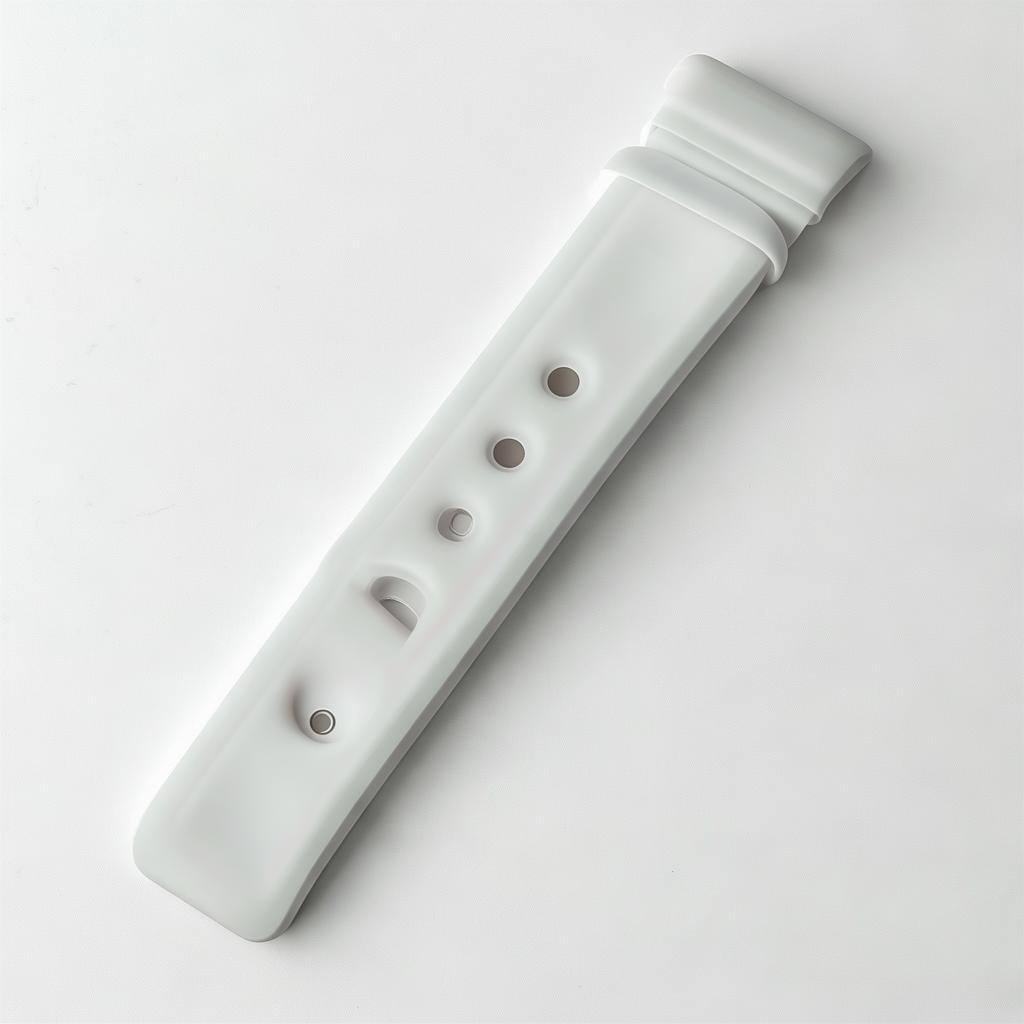
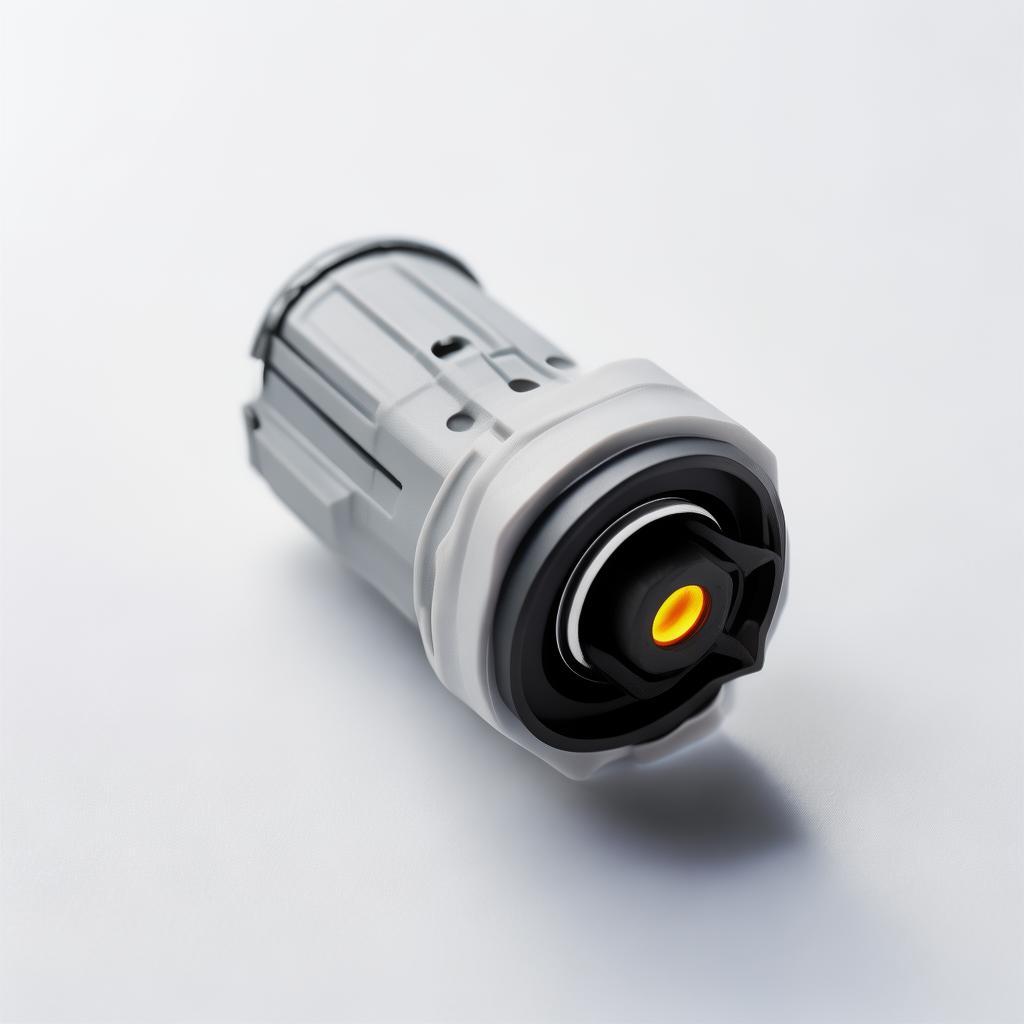
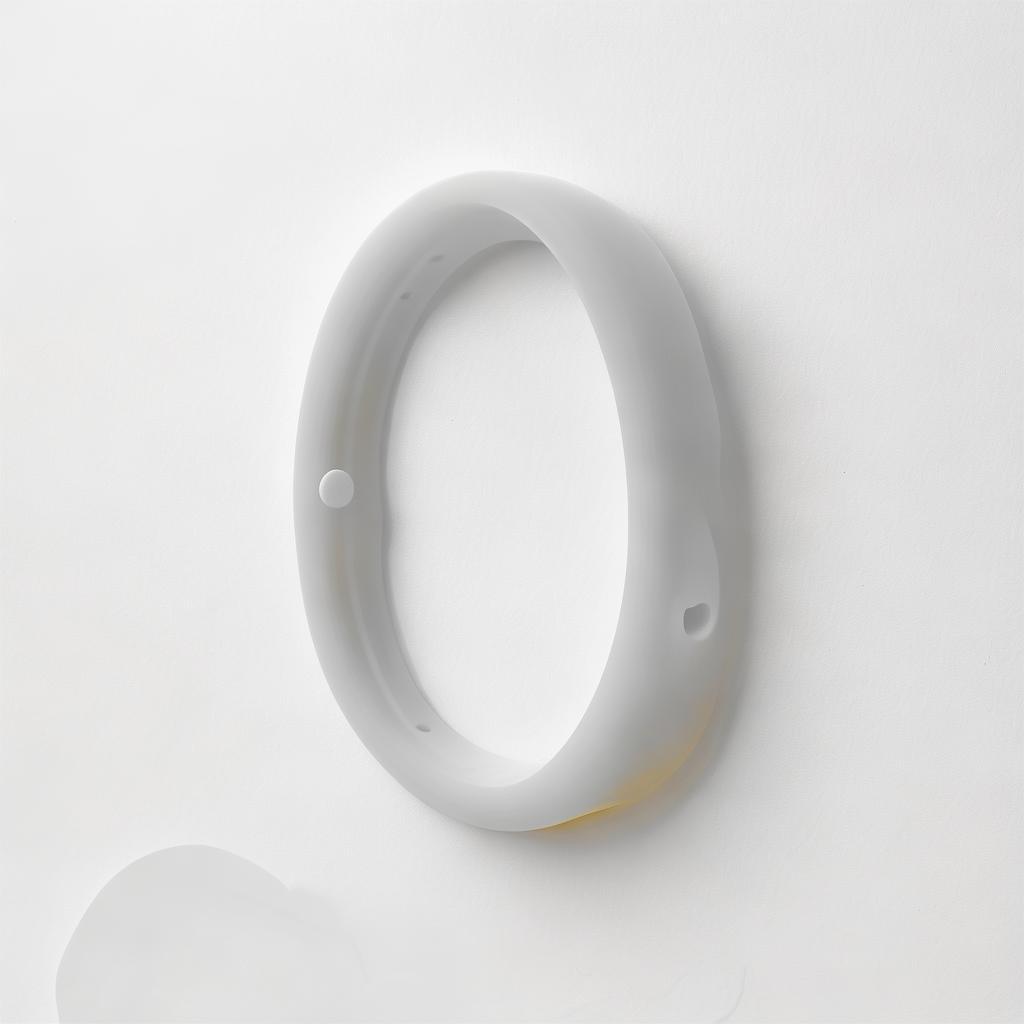
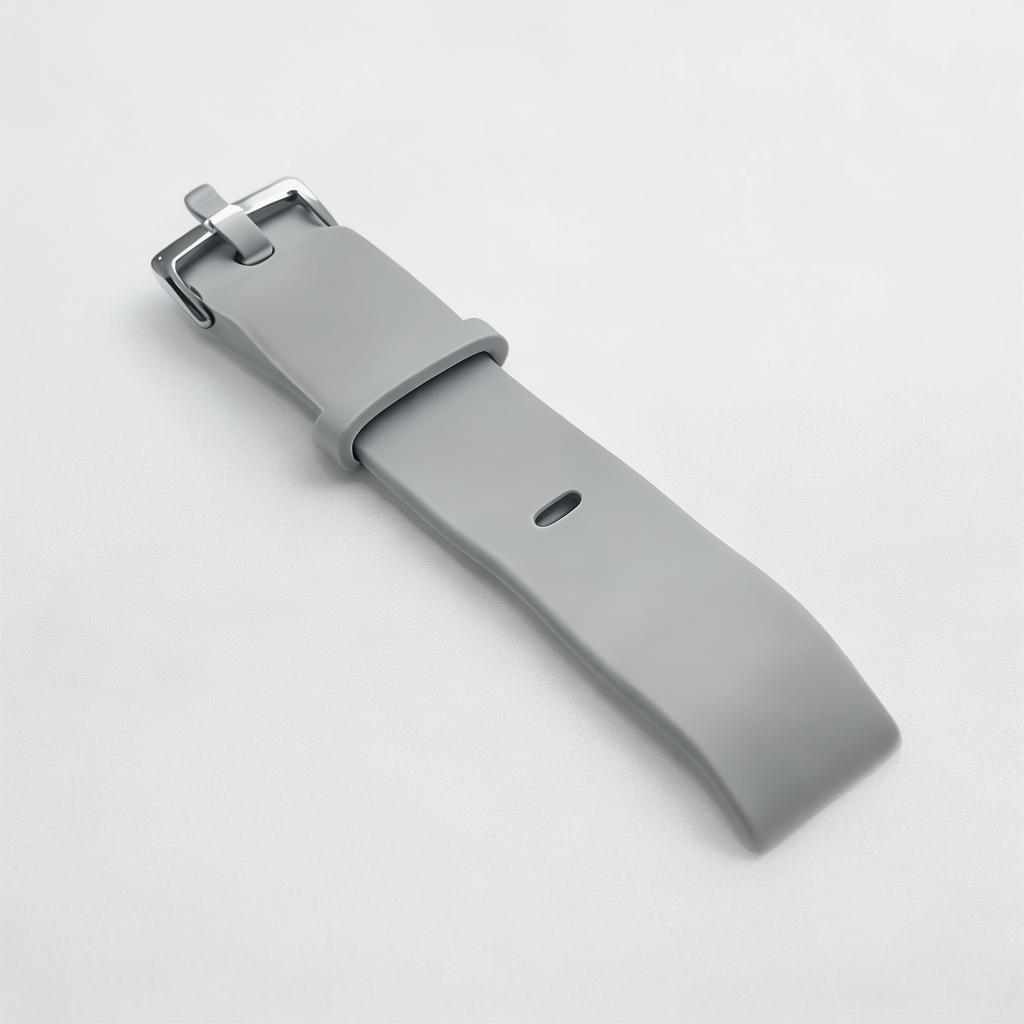
abs material properties what is abs plastic material abs material products
Paying close attention to these seemingly small details saves rework costs and downtime—a common concern reported by experienced procurement directors in the plastics industry.
Compliance certifications are non-negotiable when selecting plastic material suppliers for industrial and consumer applications. Guangdong Yingtai High Precision Technology Co., Ltd. presents:
 ISO 9001 Quality Management System
 RoHS Directive for hazardous substances
 CE Marking for European Standards
 FCC certification for electronic appliances
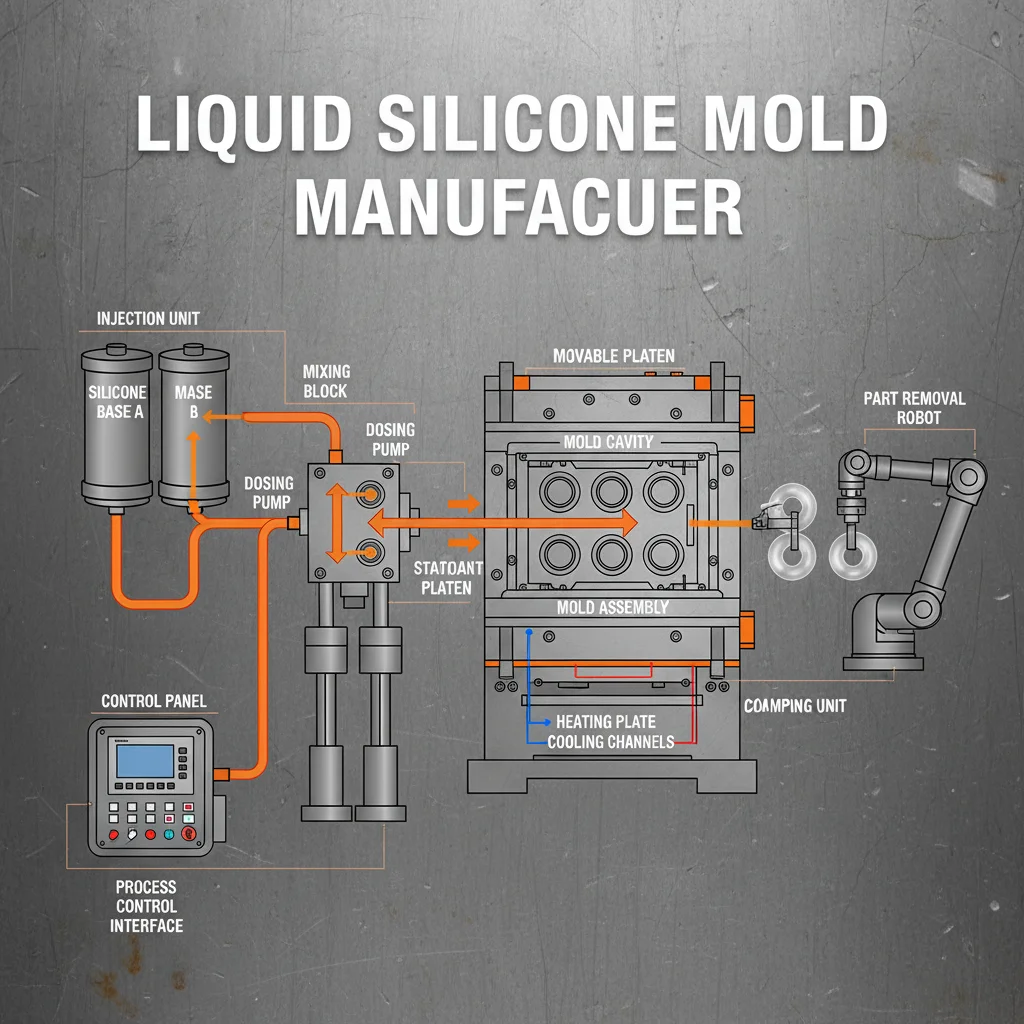
Operating 55 liquid silicone molding and 80 plastic injection machines, the factory offers versatility for OEM and ODM projects ranging from high-precision components to high-volume production. Such capacity accelerates turnaround and ensures supply reliability — advantages procurement consultants prioritize when advising global sourcing strategies.
 James Miller, Purchasing Manager, Chicago