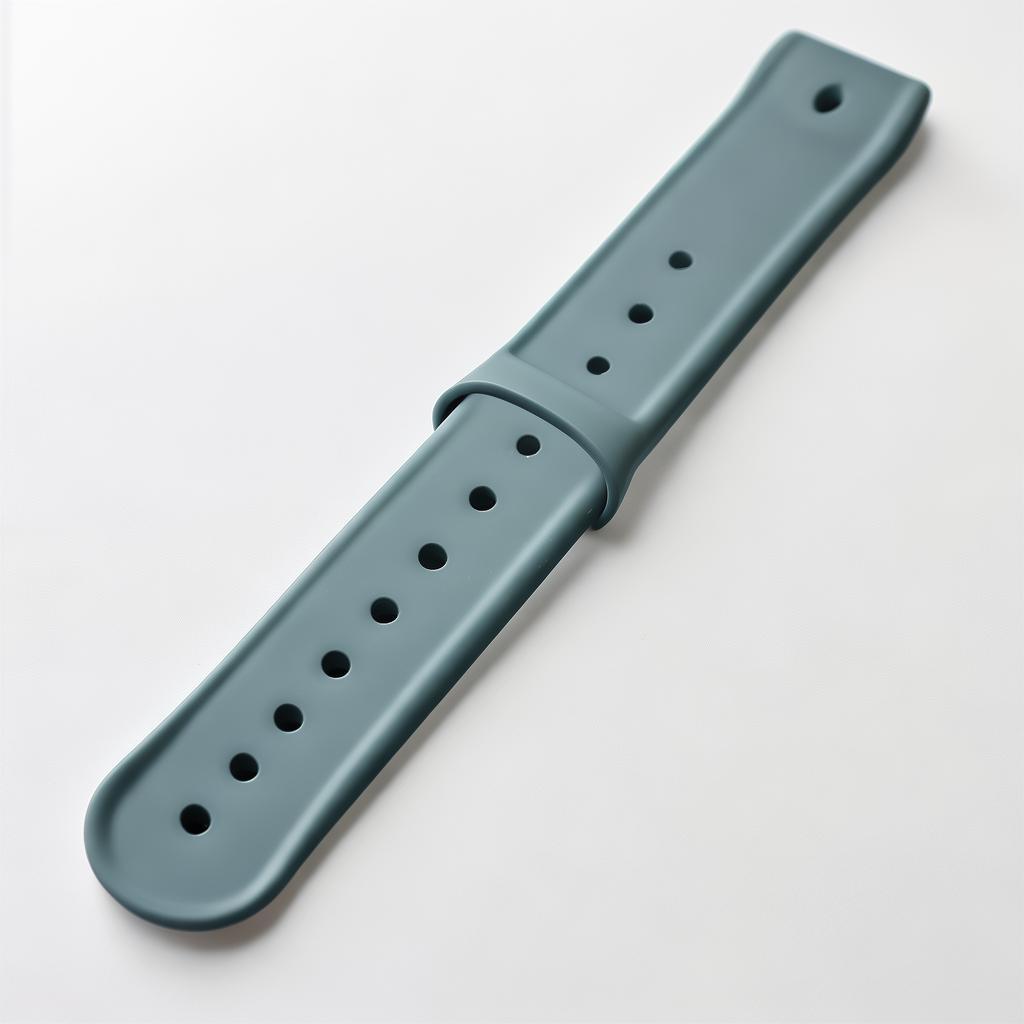
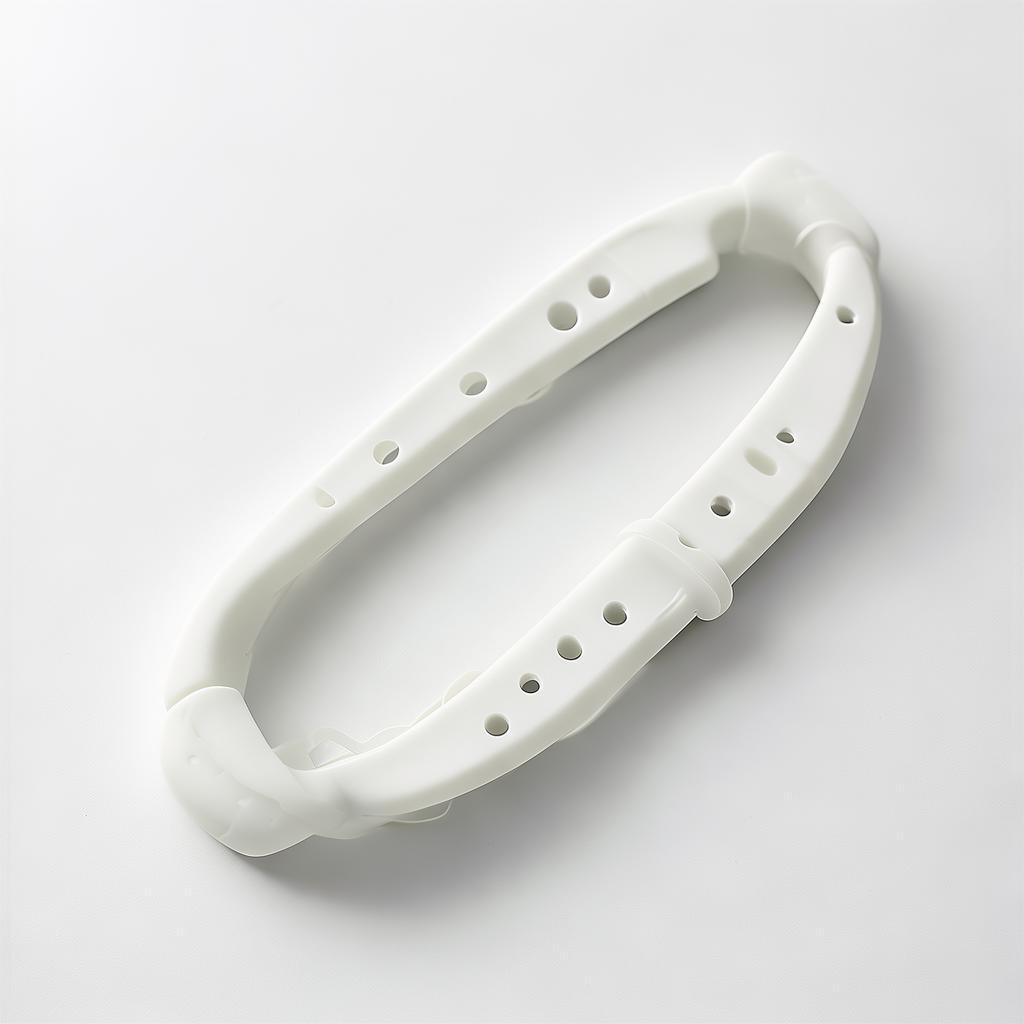
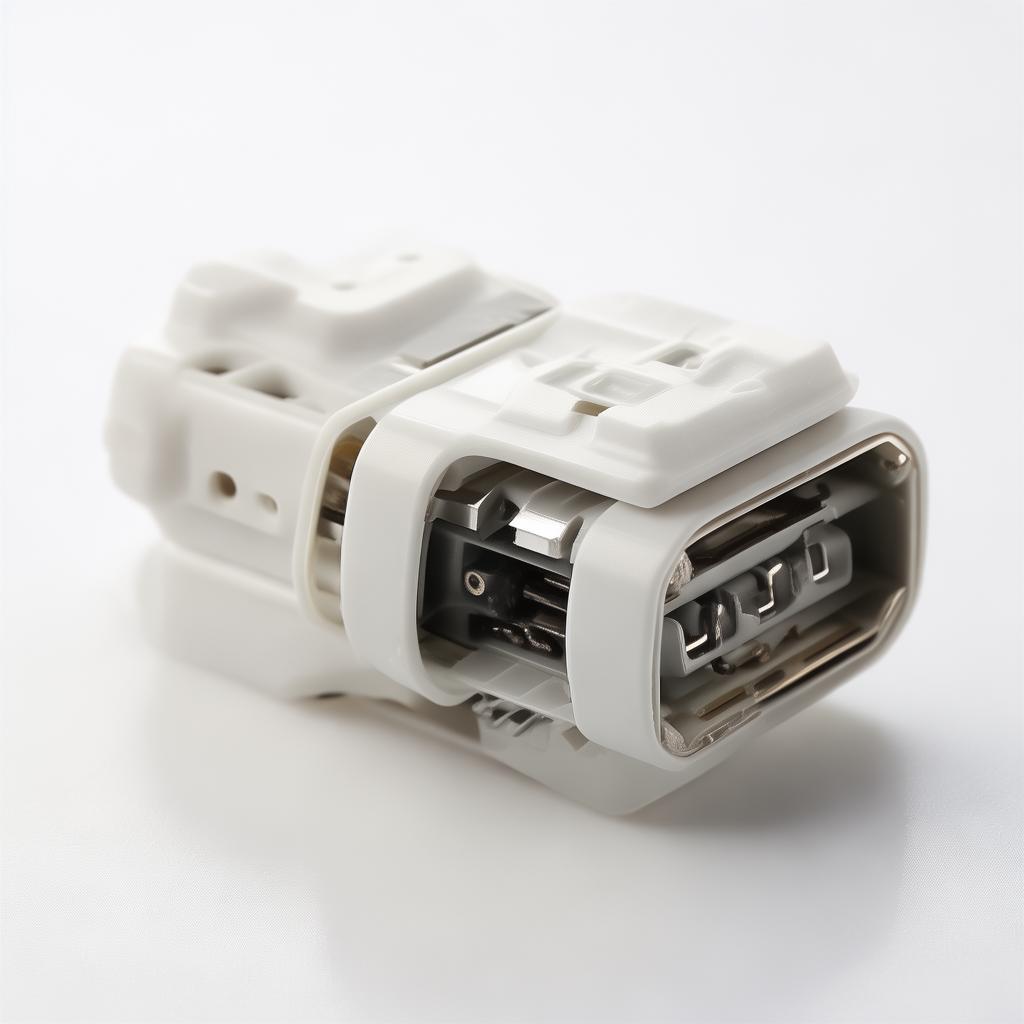
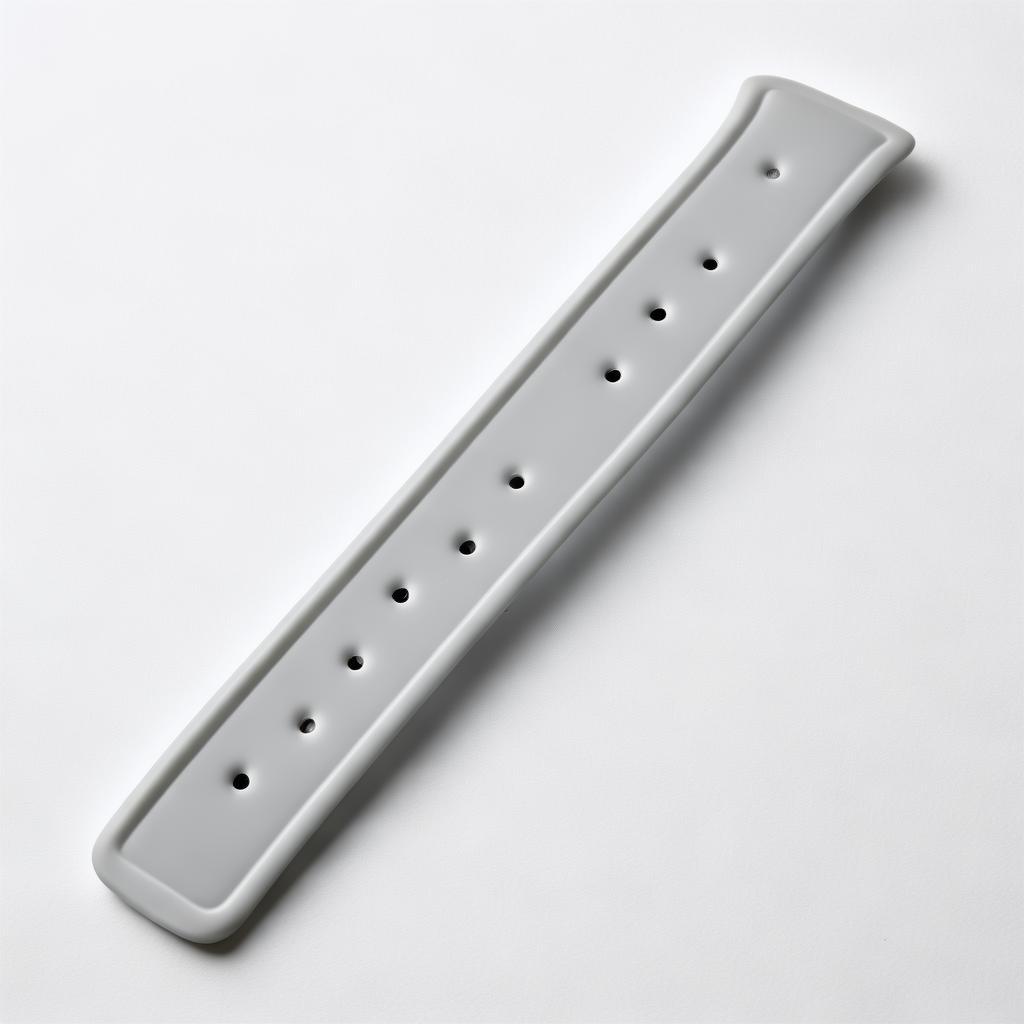
Discover how ABS extrusions play a transformative role in manufacturing and procurement worldwide — offering strength, versatility, and cost-effective industrial-grade profiles tailored to your operational needs. Over the past decade, sourcing ABS extrusion profiles
Product Details
ABS Extrusions: Precision Solutions for Durable Industrial Applications
Discover how ABS extrusions play a transformative role in manufacturing and procurement worldwide — offering strength, versatility, and cost-effective industrial-grade profiles tailored to your operational needs.
Addressing Procurement Pain Points in ABS Extrusions
Over the past decade, sourcing ABS extrusion profiles that combine uniform quality with competitive pricing has become trickier for purchasing managers. The global supply chain volatility, fluctuating raw material costs — notably ABS granules — and inconsistent supplier capabilities are all key pain points.
Technical engineers frequently raise concerns about extrusions exhibiting variations in wall thickness or exhibiting stress cracks during post-processing. This directly impacts assembly line efficiency and long-term durability, increasing maintenance expenses or jeopardizing warranty commitments.
Moreover, importers and operations managers in the USA and broader English-speaking regions often face challenges with shipment delays and customs compliance issues. Incorrectly declared extrusion specs or missing quality certifications such as ISO 9001 or RoHS can disrupt procurement cycles and expose projects to regulatory risks.
As an industry consultant with firsthand experience collaborating with OEMs and ODM factories on multi-continent projects, I can affirm that these recurring procurement hurdles demand carefully balanced supplier partnerships — combining technical competence with proactive communication and transparent pricing.
Understanding ABS Extrusions: Material Science & Production Insights
Acrylonitrile Butadiene Styrene (ABS) is a thermoplastic polymer known for its excellent impact resistance, toughness, and surface quality. The extrusion process involves forcing molten ABS through custom dies to create continuous profiles with complex cross-sectional shapes.
Because ABS is a co-polymer, it undergoes a multiphase melt phase during extrusion, which requires precise temperature control (usually between 210°C - 250°C) to maintain consistent rheological properties. Modern extrusion lines use servo motors and advanced temperature zoned barrels to manage shear and prevent degradation.
Wall thickness uniformity, dimensional stability, and surface finish depend on key parameters including die design, screw type, and cooling rates—often achieved through water bath cooling tailored to extrusion shape.
Notably, ABS extrusion manufacturing workflows observe ISO and ASTM standards (such as ASTM D4810 for ABS resins) to guarantee mechanical properties and chemical resistance — essential for applications spanning from automotive interior trims to electrical housings.
Industrial engineers often recommend selecting UV-stabilized ABS compounds for outdoor components to mitigate yellowing and brittleness. Additionally, flame retardant grades conforming to UL 94 standards are crucial in electrical and consumer electronics sectors.
Table 1: Typical Technical Specifications for Standard ABS Extrusions
The Operational Advantages of ABS Extruded Profiles
Consistent dimensional tolerances: Tight extrusion controls reduce variability even in large batch orders.
Superior impact resistance: Absorbing shocks without cracking or deformation, critical for rugged-use industries.
Easy post-processing:ABS extrusions are compatible with secondary operations like cutting, drilling, printing, and overmolding, enabling complex assemblies.
Customization flexibility:OEM/ODM factories can create intricate cross sections quickly to match client CAD designs.
Long lifecycle performance:UV stabilized and flame retardant materials extend durability and code compliance.
Cost competitiveness: Optimized material usage and energy-efficient extrusion lines lower unit cost, essential in wholesale export.
One procurement director noted: “Choosing a supplier who understands the intricate balance of extrusion parameters and post-extrusion handling saved us weeks on quality validation and reduced scrap.”
Where ABS Extrusions Fit: Most Common Applications
Choosing the right extrusion profile strongly hinges on understanding the end-use environment. ABS extrusions are favored in:
Automotive interior trims:Door seals, dashboards, and decorative moldings that require both durability and aesthetic finish.
Consumer electronics enclosures:Protective frames and housings where flame retardancy and precision are mandatory.
Household appliances:Kitchen panels, refrigerator shelving, and other load-bearing components benefiting from impact resistance.
Industrial protective barriers:Machinery guards and equipment casings needing chemical resistance and dimensional stability.
Construction materials:Window profiles, edge trims, and extrusion channels requiring UV stability and ease of installation.
Industry engineers often point out the importance of specifying whether profiles will experience continuous mechanical stress or temperature cycling during design. This guides suppliers on the optimal choice between standard versus modified ABS grades and any secondary treatments.
Practical Guide to Procuring ABS Extrusions
When evaluating manufacturers and suppliers, procurement managers should consider:
Certification compliance: Confirm availability of ISO 9001, RoHS, UL94 testing data, and any regional building code adherence.
Sample and prototype services: Early testing with sample extrusions helps identify fit, finish, and mechanical performance before committing to mass orders.
Factory capabilities: Suppliers with integrated tooling and extrusion lines achieve tighter control and shorter lead times.
OEM/ODM support: Custom profile design assistance can optimize material usage and reduce secondary machining costs.
Export logistics expertise: Confirm experience in container loading optimization, customs clearance, and freight forwarding to avoid shipment delays.
Based on operational insights, it’s wise to ask suppliers for a clear quality assurance (QA) roadmap and documentation on batch traceability. Material batch variations or tolerance slips can cause critical issues during assembly or certification audits.
Tip for buyers: Request detailed technical datasheets — including shrinkage ranges and mechanical property tests — for each extrusion order to compare supplier performance objectively.
Q1: How does ABS extrusion compare with PVC or polycarbonate extrusions?
ABS offers better impact resistance and ease of machining compared with PVC but may have a lower UV stability than polycarbonate unless specially modified.
Q2: What typical lead times should be expected for ABS extrusion orders?
Lead time depends on order size and complexity but generally ranges from 3-6 weeks, including tooling if custom dies are required.
Q3: Can ABS extrusions be overmolded with silicone or rubber?
Yes, combined molding of ABS with materials like LSR is feasible with proper surface treatments and temperature controls to ensure strong bonding and durability.
Q4: What are the recommended storage practices for ABS extrusion profiles?
Store in a dry environment, away from direct sunlight to avoid warping or discoloration. Avoid stacking heavy loads on thin profiles to prevent deformation.
Q5: How can I reduce shipping damage for long ABS extrusions?
Use custom packaging with anti-slip backing and appropriate padding. Plan logistics to minimize container movement and consider consolidated shipments for better handling.
Voices From Our Clients
"Our OEM production line relies heavily on these ABS extrusions—precise dimensions and consistent quality helped us accelerate assembly by nearly 20%. Procurement was straightforward thanks to transparent pricing." – Brian K., USA Automotive Supplier
Get in Touch
If you have any camping barbeque equipment inquiry, please feel free to contact us.