Lisa M., Procurement Director (Boston, USA):
"Yingtai’s flame retardant ABS parts consistently pass our in-house UL94 testing, which simplifies our approval process. Lead times have been reliable, and their technical team offers practical advice on molding parameters. Trustworthy partner for critical electronics housing."

Abs Flame Retardant
Expert Insights and Technical Guidance by Guangdong Yingtai High Precision Technology Co., Ltd. Acrylonitrile Butadiene Styrene ( ABS ) is a widely used thermoplastic in manufacturing due to its balance of toughness, impact resistance,
Product Details
ABS Flame Retardant Materials: Industrial-grade Solutions for Safety & Performance
Expert Insights and Technical Guidance by Guangdong Yingtai High Precision Technology Co., Ltd.
Understanding ABS Flame Retardant
Acrylonitrile Butadiene Styrene (ABS) is a widely used thermoplastic in manufacturing due to its balance of toughness, impact resistance, and ease of processing. When enhanced with flame retardant additives, ABS flame retardant materials elevate safety performance significantly, reducing flammability and enhancing compliance with strict regulatory standards. These specialized grades are particularly critical in industries requiring strict fire safety compliance, such as consumer electronics, automotive, household appliances, and electrical enclosures.
Flame retardant ABS formulations incorporate chemical additives—typically brominated compounds, phosphorus-based agents, or newer halogen-free solutions—that interfere with combustion processes. The materials maintain ABS’s mechanical integrity while offering improved UL94 V0 or V1 ratings, complying with standards like UL94, IEC 60695, and regional fire safety requirements. This balance between durability and fire resistance is a non-negotiable for procurement directors managing product risk and certification timelines.
From a production standpoint, working with flame retardant ABS demands precise processing parameters. These materials tend to have altered melt flows and thermal stability profiles compared to standard ABS. Injection molding machines require fine-tuned temperature and injection pressure optimizations to avoid defects such as warping, incomplete filling, or poor surface finish. Operational insights from our factory confirm that material drying protocols and moisture control are pivotal—ignoring these can lead to surface burn marks or internal bubbles that compromise both aesthetic and mechanical performance.
In sum, sourcing high-quality ABS flame retardant necessitates understanding these material nuances, testing results, and supply chain reliability. At Guangdong Yingtai High Precision Technology Co., Ltd., we combine over two decades of OEM/ODM expertise with agile production workflows, ensuring that your ABS flame retardant components meet not only fire safety demands but also cost-efficiency and lead-time expectations.
flame retardant abs plastic flame retardant silicone flame retardant cabin interior parts
Industry Challenges & Risks in ABS Flame Retardant Procurement
Many sourcing professionals encounter recurring challenges with flame retardant ABS materials, often related to supplier inconsistency or process sensitivity:
- Inconsistent flame retardancy levels: Variability in additive concentration or dispersion can lead to failed UL or IEC fire tests.
- Mechanical property trade-offs: Overloading additives risks brittleness, causing cracking or dimensional instability in finished parts.
- Processing complications: Flame retardant grades often display modified melt flow indexes, impacting mold filling and cycle times.
- Regulatory compliance complexity: Different global markets (e.g., North America vs Europe) require precise certifications, including RoHS and REACH adherence.
- Lead time and supply chain risk: Dependence on additive manufacturers and raw ABS resin availability can create bottlenecks, affecting project timelines.
Poor supplier evaluation often leads to costly delays or rejections in product testing phases. Procurement directors report that early-stage sample validation coupled with comprehensive supplier audits reduces these risks significantly.
ABS Flame Retardant: Advantages & Technical Specifications
Our ABS flame retardant material portfolio offers:
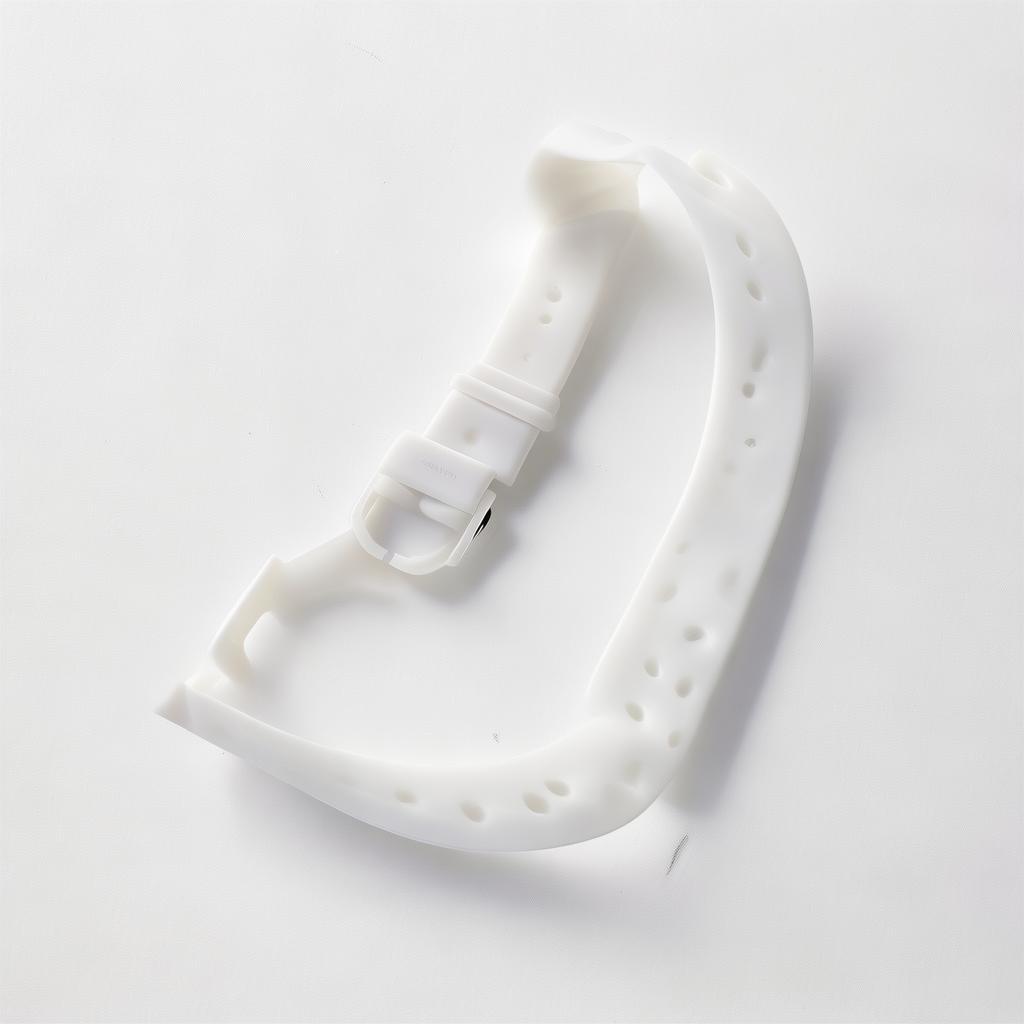
- High flame retardancy: UL94 V0 and V1 certified grades with oxygen index (LOI) ≥28%.
- Excellent mechanical impact resistance: Maintains tensile strength >40 MPa and IZOD impact strength above 20 kJ/m².
- Thermal stability: Heat deflection temperature between 95°C to 105°C suitable for electronic applications.
- Chemical resistance: Suitable against common household solvents and oils.
- Process compatibility: Mold shrinkage controlled between 0.4-0.7% supporting precision parts.
- Color and finish flexibility: Custom masterbatches and surface textures available for OEM branding.
| Property | Typical Value | Test Standard |
|---|---|---|
| Flame Retardancy UL94 | V0 @ 1.5mm thickness | UL94 |
| Tensile Strength | ≥ 40 MPa | ASTM D638 |
| Impact Strength (Notched) | ≥ 20 kJ/m² | ISO 180 |
| Heat Deflection Temperature (HDT) | 95-105°C | ASTM D648 |
| Melt Flow Index (MFI) | 7-9 g/10min (230°C/3.8kg) | ASTM D1238 |
Note: Processing parameters such as drying duration (2-4 hours at 80°C) and melt temperature (220-260°C) should be carefully respected to mitigate degradation and ensure consistent part quality.
Application Scenarios: Where ABS Flame Retardant Excels
The versatility of flame retardant ABS has made it a material of choice in multiple industrial sectors. Its properties support both safety and durability across demanding environments:
- Consumer Electronics: Enclosures for TVs, computers, printers, where UL94 V0 compliance reduces risk of product fire hazards.
- Automotive Interiors: Dashboards, switches, and connectors requiring flame retardancy coupled with thermal resistance.
- Household Appliances: Components such as vacuum cleaner housings, kitchen appliances, and power tools.
- Electrical Equipment: Switchgear housings, connector covers, and insulation parts subject to regulatory fire safety.
- Industrial Equipment: Machine guards and control panels benefiting from abrasion resistance and stop-flame properties.
Users should consider the environment of application carefully; while ABS flame retardants handle moderate heat well, extreme thermal cycling or outdoor UV exposure might require supplementary additives or protective coatings.
Procurement Guidance & Factory Strengths
Selecting a supplier for flame retardant ABS parts is as critical as the material choice itself. Procurement managers should weigh the following factors:
- Material Traceability: Can the supplier provide certification of raw material batch testing including flame retardant additive composition?
- In-House Testing: Availability of UL94, IEC fire test reports, tensile and impact tests on finished parts.
- Manufacturing Scale & Flexibility: Factory’s machine park, capability for multi-cavity molds, and quick changeover times.
- Lead Time Transparency: Typical production lead times vary between 20 and 45 days depending on order size and tool status.
- OEM/ODM Experience: Value in partners who can assist with part design optimization for manufacturability and flame retardancy.
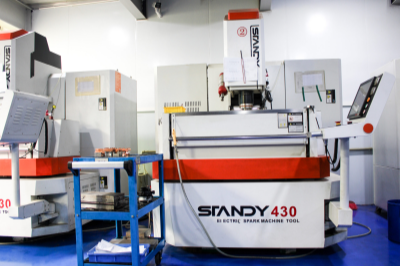
At Guangdong Yingtai, we boast a 35,000 m² industrial park in Dongguan fitted with 80+ automatic injection molding machines, robust quality control labs, and a team of 500+ specialists adept in complex flame retardant ABS production. Our end-to-end capabilities—from mold design, through precision molding, to surface finishing—enable high-volume orders and urgent prototyping requests alike.
Certifications & Compliance
Our ABS flame retardant products comply with multiple industry standards ensuring safety, reliability, and global market access:
- UL94 V0/V1 Flame Test: Underwriters Laboratories certification for plastic materials used in flammable applications.
- RoHS & REACH Compliance: Restriction of hazardous substances and chemical safety according to EU regulations.
- ISO 9001:2015 Certified Manufacturing: Quality management systems to meet international customer expectations.
- CE Marking: Conformity with European health, safety, and environmental requirements in electrical applications.



Frequently Asked Questions
- Q1: How does flame retardant ABS differ from standard ABS?
- Flame retardant ABS contains specialized additives that reduce flammability by interfering with combustion. The base polymer properties are largely retained but the material achieves certifications like UL94 V0 or V1, essential for fire-safe applications.
- Q2: What processing considerations should be made for flame retardant ABS?
- Drying the pellets sufficiently (commonly 2-4 hours at 80°C) avoids moisture-related defects. Processing temperatures need adjustment based on melt flow; often the range is 220-260°C. Molds should be vented correctly to prevent burn marks.
- Q3: Are there eco-friendly flame retardant ABS options?
- Newer halogen-free flame retardants offer reduced environmental impact while maintaining safety performance. Our product line includes options compliant with stringent RoHS and REACH regulations.
Customer Reviews & Feedback
Get in Touch
If you have any camping barbeque equipment inquiry, please feel free to contact us.