A comprehensive guide for purchasing managers, engineers, and importers navigating the complexities of ABS injection molded plastic parts sourcing and production. The landscape of ABS injection molded plastic parts is one built on a
A comprehensive guide for purchasing managers, engineers, and importers navigating the complexities of ABS injection molded plastic parts sourcing and production.
Introduction & Industry Context
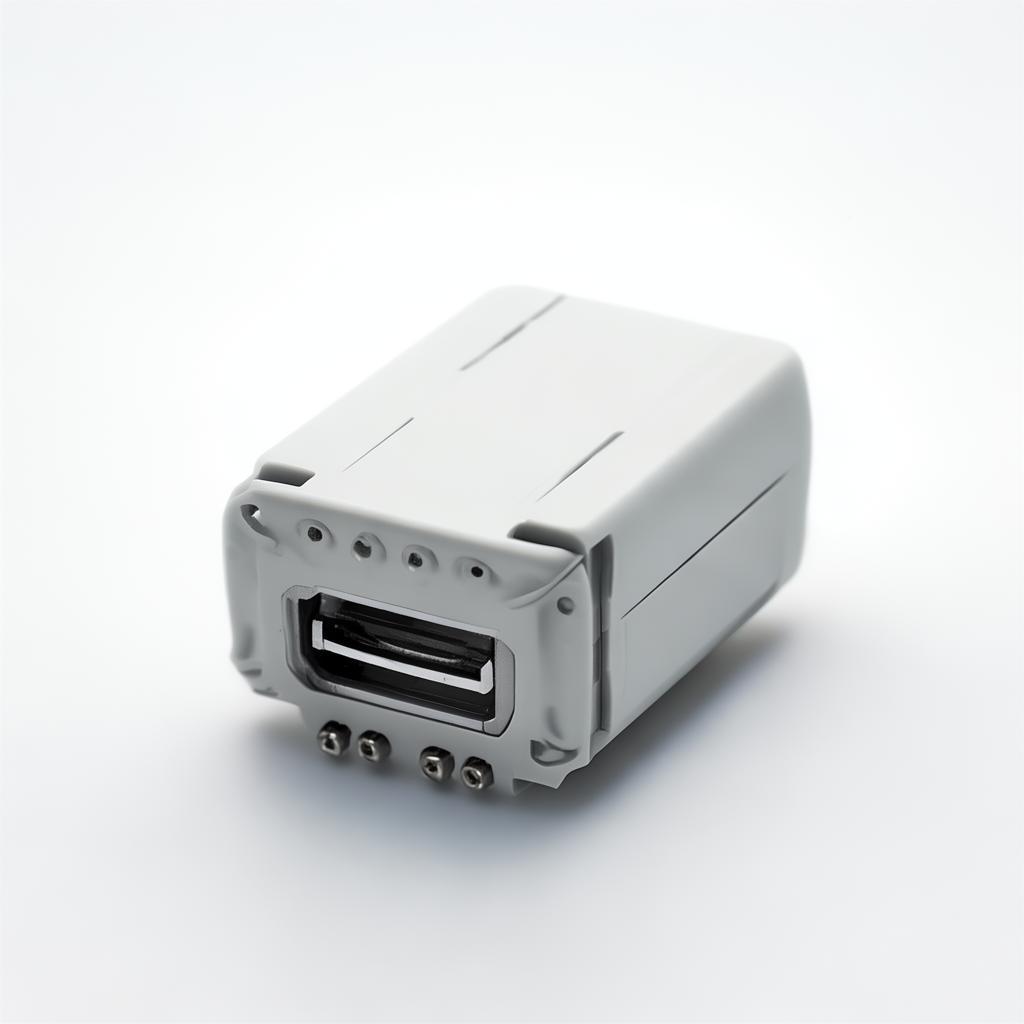
The landscape of ABS injection molded plastic parts is one built on a blend of material science, precision manufacturing, and responsive supply chains. Acrylonitrile Butadiene Styrene (ABS) — a thermoplastic polymer known for its resilience and surface finish — remains a cornerstone in industries ranging from consumer electronics housings to automotive interior components.
Sourcing reliable ABS injection molded components typically requires not only sharp insight into the material's intrinsic properties—like impact resistance, chemical stability, and thermal behavior—but an operational understanding of the molding process parameters, production scalability, and quality standards such as ISO 9001 or UL listing compliance.
For procurement teams, the challenge often centers around balancing cost-efficiency with consistent part performance. Injection molding can offer short cycle times for high volumes but demands exact mold design, temperature management, and tooling quality to avoid defects like warpage, sink marks, or incomplete fills. This balancing act is particularly vital in sectors where part tolerances are tight, such as handheld electronics or automotive dashboard components.
Globally, the trend is toward tuned OEM/ODM partnerships that integrate product development early with capable suppliers — ensuring design for manufacturability (DFM), minimizing lead times, and accelerating time-to-market. Guangdong Yingtai High Precision Technology Co., Ltd., operating from Dongguan with over two decades of expertise and a sophisticated mold-to-part production system, exemplifies this integration.
In this article, we'll unpack procurement pitfalls, material benefits, operational insights, and practical recommendations to help industrial buyers confidently select and collaborate on ABS injection molded plastic parts.
Pro Tip: Early supplier engagement on mold flow analysis and thermal/pressure cycle optimization can prevent costly reworks and shorten production ramp-up.
Key Procurement & Manufacturing Challenges
Material Variability: ABS grades range widely; impact modifiers, flame retardant additives, and UV stabilizers must be matched to application environments.
Mold Tooling Costs & Lead Times: High-precision molds require significant upfront investment (~4-8 weeks typical). Delays reverberate into production schedules.
Defect Management: Avoiding sink marks, warpage, and short shots relies on tightly monitored injection parameters and tool maintenance.
Quality Consistency: Multi-cavity molds can suffer from uneven cavity filling; careful cavity balancing and melt flow analysis is required.
Compliance & Traceability: Meeting FAA, UL, or ISO standards and maintaining batch traceability can be complex when sourcing offshore.
Logistics & Supply Chain Disruptions: Component importers face container loading volume optimization and customs clearance delays impacting inventory planning.
As an operations manager once told us: "Sourcing ABS parts is a dance — you’ve got to sync supplier technical capabilities with your lead times and incoming inspection rigor to get it right."
Technical Deep Dive: ABS & Injection Molding
ABS is a terpolymer synthesized from acrylonitrile, butadiene, and styrene monomers. The composition ratios can be customized to emphasize mechanical strength, surface quality, or impact resistance. This versatility explains why ABS is ubiquitous across industrial sectors.
Injection molding of ABS involves melting the granules at temperatures between 210–250°C and injecting the molten polymer into steel molds shaped precisely for the part geometry. Optimal mold cooling can reduce cycle time without compromising dimensional stability or inducing internal stresses—exactly where advanced temperature regulation systems and cooling channel design shine in modern tooling.
Typical Injection Molding Process Parameters for ABS
Parameter
Typical Range
Operational Notes
Melt Temperature
210–250°C
Avoid overheating to reduce degradation and ash formation
Mold Temperature
50–70°C
Higher mold temps improve surface finish but lengthen cycle time
Injection Pressure
500–1500 bar
Adjust per cavity size to ensure complete filling and reduce flash
Cycle Time
15–60 seconds
Part complexity and cooling requirements govern total cycle time
Precision in these parameters mitigates common defects and improves cavity-filling balance. For extensive multi-cavity layouts, suppliers like Guangdong Yingtai leverage automated process controls for consistent part quality.
Product Advantages & Material Comparison
ABS injection molded parts hold a balance of favorable traits that often outclass competing materials:
Impact Resistance: Superior toughness compared to standard polystyrene makes ABS suitable for products expected to endure rough handling.
Surface Finish: ABS molds with precise steel tools provide glossy, paintable surfaces without extensive post-processing.
Chemical Resistance: Good resistance to acids, alkalis, and alcohol, improving compatibility in industrial applications.
Thermal Stability: Stable up to 85°C continuous service temperature; flame-retardant grades are also available compliant with UL 94 standards.
Ease of Processing: Injection molding compatibility combined with secondary operations such as overmolding, ultrasonic welding, or pad printing.
Medical device casings not in direct sterilization contact
Case Study: A US-based medical electronics firm partnered with Guangdong Yingtai for OEM production of precision ABS frames used in handheld diagnostic devices. Early collaboration on DFM and mold flow simulation minimized tool wear and cycle time while meeting UL compliance.
As a procurement specialist shared: "The supplier’s support on material selection and maintaining rigorous cavity balance saved us from delays amid scale-up."
Such real-world applications underscore the importance of aligning material properties, process capability, and operational foresight in ABS injection molding procurement.
Procurement Guidance & Supplier Evaluation
Define Material Requirements: Specify ABS grade, color, flame retardancy, UV resistance, and mechanical property targets.
Request Detailed Mold Flow Analysis: Insist on simulation data confirming proper cavity filling and identifying potential sink/warp risks.
Evaluate Tooling Capability: Ask suppliers about mold base brands (e.g., HASCO, DME), CNC machine precision, and multi-cavity balancing strategies.
Review Certifications: Verify ISO 9001, UL or other applicable standards documentation.
Order Pre-Production Samples: Confirm dimensional stability, surface finish, and mechanical performance with your engineers.
Assess Communication & Responsiveness: Critical for addressing unforeseen production issues and adjusting process parameters.
Consider Logistics Proficiency: Efficient container loading, customs clearance experience, and export documentation reliability are major risk mitigators.
Note: Delays or ambiguity during initial engagement often predict future project complications. Invest time upfront.
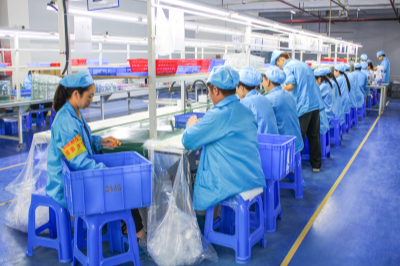
Guangdong Yingtai's 35,000 sqm plant, equipped with 80 automatic plastic injection molding machines and precision tooling capabilities, represents a streamlined partner for reliable offshore ABS injection molding manufacturing.
Buyer FAQs
What is the typical lead time for ABS injection molded parts production?
Lead time usually ranges from 4 to 8 weeks including mold fabrication and trial runs, depending on complexity and quantity. Partnering with a supplier owning in-house tooling speeds up this process.
Can ABS parts be flame retardant?
Yes. ABS formulations can include halogen or non-halogen flame retardants to meet UL 94 V-0 or V-1 standards, essential for electronics enclosures or automotive interiors.
What post-molding processes are commonly applied?
Secondary operations include surface painting, pad printing, ultrasonic welding, chrome plating, and assembly overmolding with silicone or TPE materials.
How can I ensure dimensional stability over volume runs?
It's crucial to maintain tooling maintenance schedules, monitor machine calibration, and consistently record cycle parameters. Suppliers like Yingtai implement ERP and QA checks aligned with ISO 9001 for traceability.
What Our Clients Say
Melissa R., Procurement Manager, California, USA
"We’ve worked with Guangdong Yingtai for over 3 years. Their ABS parts maintain consistent quality, and their engineering team is responsive to design adjustments — critical when managing tight production schedules."
Get in Touch
If you have any camping barbeque equipment inquiry, please feel free to contact us.