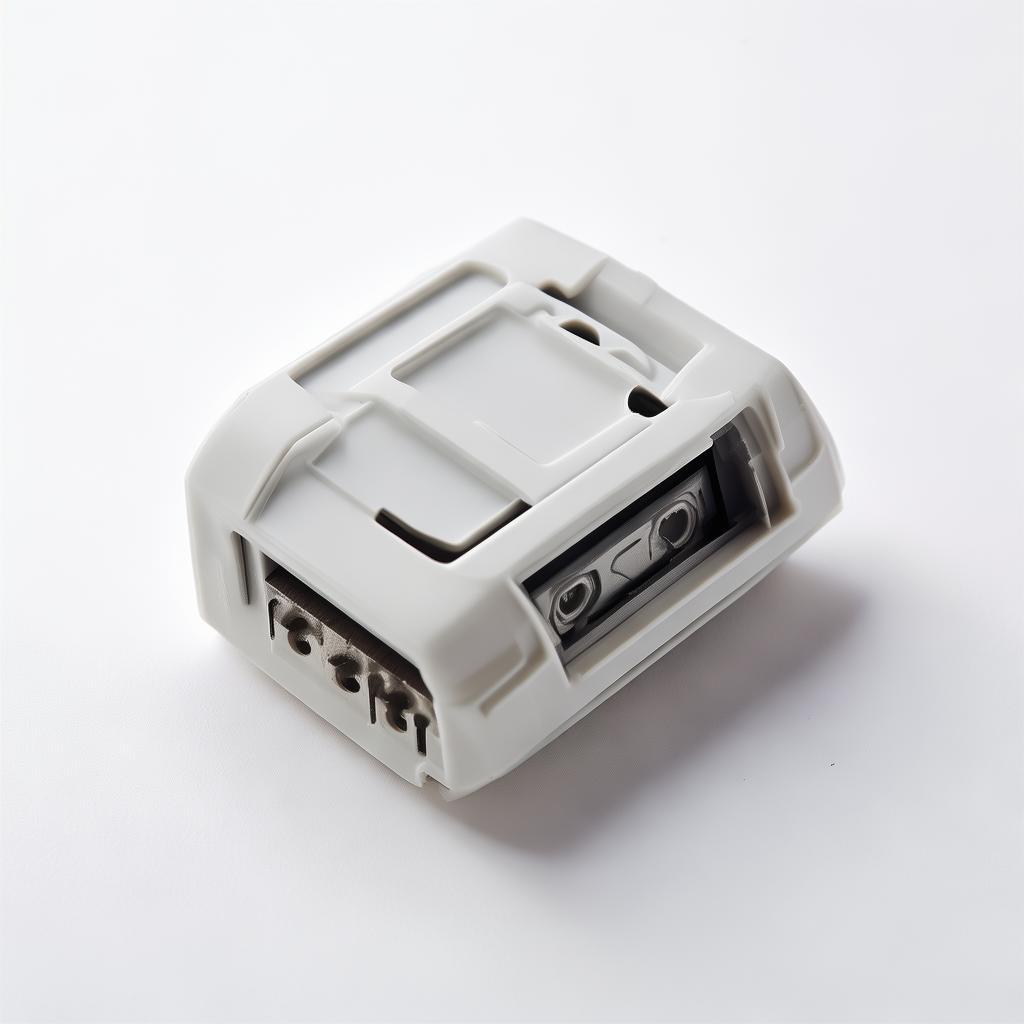
ABS Injection Molding: Precision Solutions for Industrial Manufacturing
Guangdong Yingtai High Precision Technology Co., Ltd. – Your Trusted Manufacturer and Export Partner
Introduction: ABS Injection Molding Deep Dive
ABS (Acrylonitrile Butadiene Styrene) injection molding remains a cornerstone process for manufacturing robust, high-quality parts across industrial and consumer goods sectors worldwide. For procurement directors and operations managers seeking wounds-free supply chains and reliably consistent parts, understanding the nuances behind ABS injection molding is indispensable. This thermoplastic polymer blends impact resistance, chemical resistance, and dimensional stability that allows manufacturers to craft durable housings, automotive components, and consumer electronics assemblies.
With rising global demand for optimized OEM parts, ABS injection molding benefits from decades of technological refinement—combined with enhanced mold design, process automation, and material characterization—to deliver parts meeting increasingly complex industrial standards. Guangdong Yingtai High Precision Technology Co., Ltd., headquartered in Dongguan's manufacturing hub, leverages extensive experience and technical strength managing over 80 automatic plastic injection machines, providing precision-molded ABS parts for export markets.
Operationally, master the interplay between material grade selection, gate design, and mold temperature control if you want to reduce warping, sink marks, and cycle times. Experienced manufacturing engineers observe that early consultation and prototyping can minimize downstream rework and supplier risk — especially in high-volume campaigns. Global supply chains optimize logistics by container loading strategies geared to volume specifications and consistent lead time deliveries that reduce working capital tied in inventory.
Our article addresses key procurement pain points and presents recommendations based on practical fabrication realities for purchasing managers and technical engineers alike. We also include a balanced material comparison between ABS and other common plastics, helping buyers evaluate ROI, adherence to ISO 9001 standards, and compliance with packaging and durability certifications.
Important buyer insight: ABS injection molded components typically see faster tooling-to-production time than high-performance engineering plastics, but must be carefully designed to manage thermal stresses in multi-cavity molds. Factory experience suggests a well-matched process can yield components with impressive surface finish quality and cut labor-intensive post-processing substantially.
This introductory overview sets the framework for deeper dives into the product advantages, technical specs, real-world applications, and buying strategies detailed further below.
Industry Pain Points in ABS Manufacturing
- Inconsistent Part Quality: Variations in molding parameters often cause sink marks, voids, or warpage, impacting functional fit and finish.
- Long Lead Times: Delayed tooling or material supply disrupts project schedules, especially for urgent OEM demands.
- Cost Overruns: Poor mold design or high scrap rates generate unplanned expenses and reduce margin.
- Material Property Misalignment: Selection of incorrect ABS grades can lead to poor UV resistance or insufficient impact strength for outdoor or automotive parts.
- Logistics & Packaging Challenges: Bulky or improperly packed components increase freight costs and risk damage during transit.
Operational feedback from procurement consultants often points to the need for early technical engagement with manufacturers to mitigate these pain points, balancing cost and part performance effectively.
Key Advantages of ABS Injection Molding
ABS remains a go-to choice for industrial applications requiring a compelling balance of toughness, machinability, and aesthetic finish. Here are the core benefits we deliver at Yingtai:
- Impact Resistance: ABS withstands substantial mechanical shocks, making it ideal for protective housings and automotive interior parts.
- Thermoforming Stability: Withstands typical assembly conditions without distortion.
- Surface Finish Versatility: Supports a variety of finishes — matte, gloss, or texture — suiting OEM branding or functional needs.
- Chemical Resistance: Tolerant to mild acids and alkalines common in industrial environments.
- Cost-Effective Production: Injection molding integrates well with rapid cycling molds for mass production.
- Design Flexibility: Enables complex geometries including thin walls with minimal post-processing.
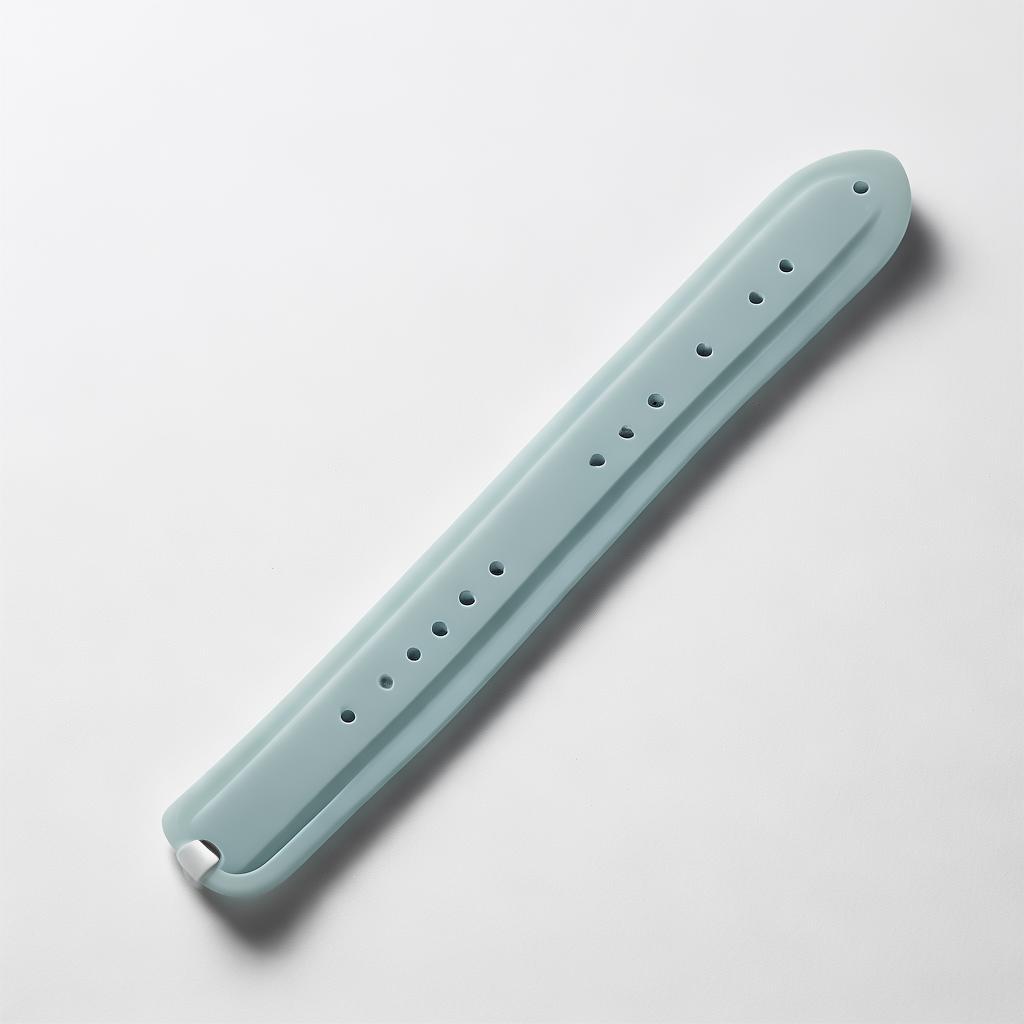
For engineering teams, it’s worth noting that multi-component injection molding combining ABS with liquid silicone rubber (LSR) or polycarbonate materials is an evolving trend, delivering hybrid products with enhanced ergonomics and durability. Prospective buyers should inquire about OEM options when considering product diversification.
Pro Tip: Rhino-based mold flow simulation during early design phases drastically reduces rework by pinpointing packing pressures and gate location decisions.
Technical Specifications & Material Insights
| Property | ABS (Typical Range) | Competitive Materials |
|---|---|---|
| Density | 1.04 - 1.06 g/cm3 | Polypropylene: 0.90 g/cm3 |
| Heat Deflection Temperature (HDT) | 85 - 95 °C (under 1.8 MPa) | Nylon: 110 - 130 °C |
| Tensile Strength | 40 - 55 MPa | Polycarbonate: 60 - 70 MPa |
| Notched Izod Impact | 20 - 30 J/m | ABS blends vary widely |
| UV Resistance | Moderate – Additives recommended for outdoor use | ASA: Improved UV resistance |
| Certification Compliance | ISO 9001, RoHS, REACH compliant grades | Dependent on material and supplier |
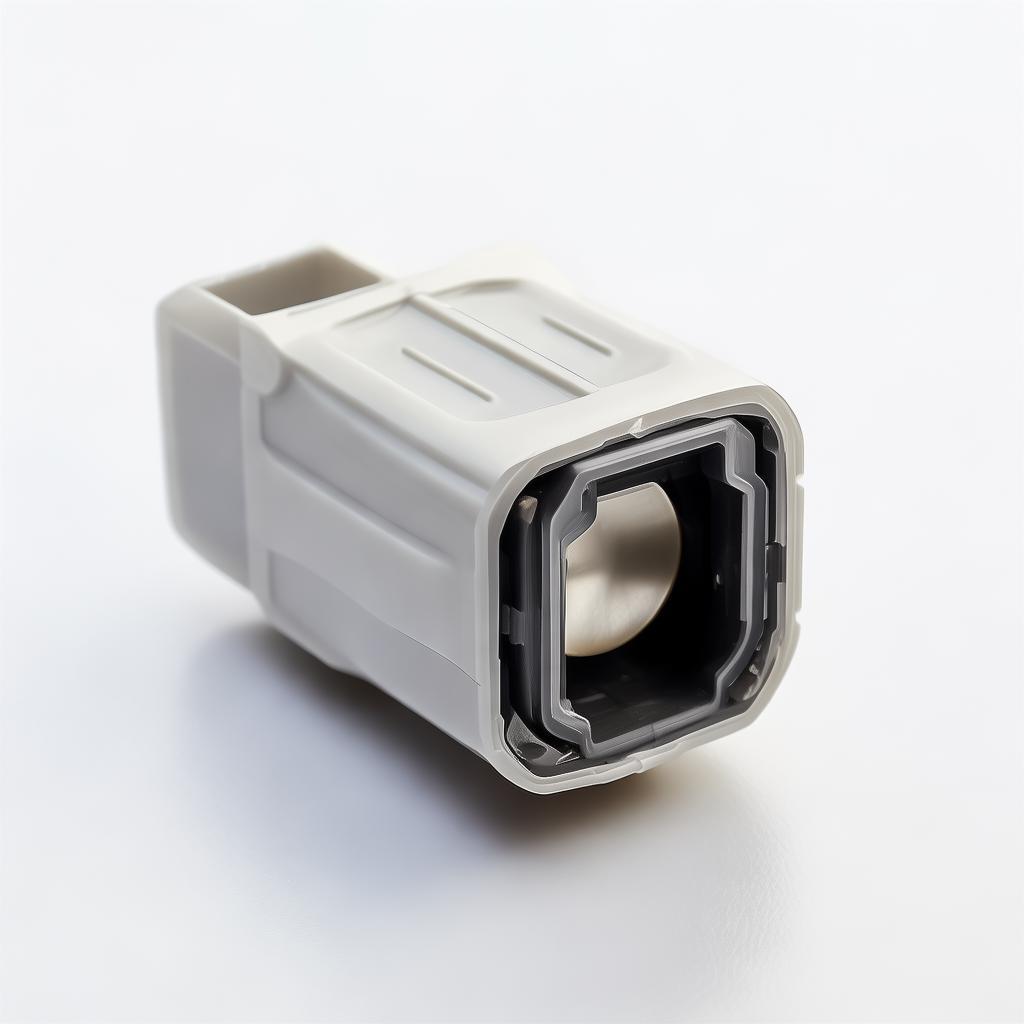
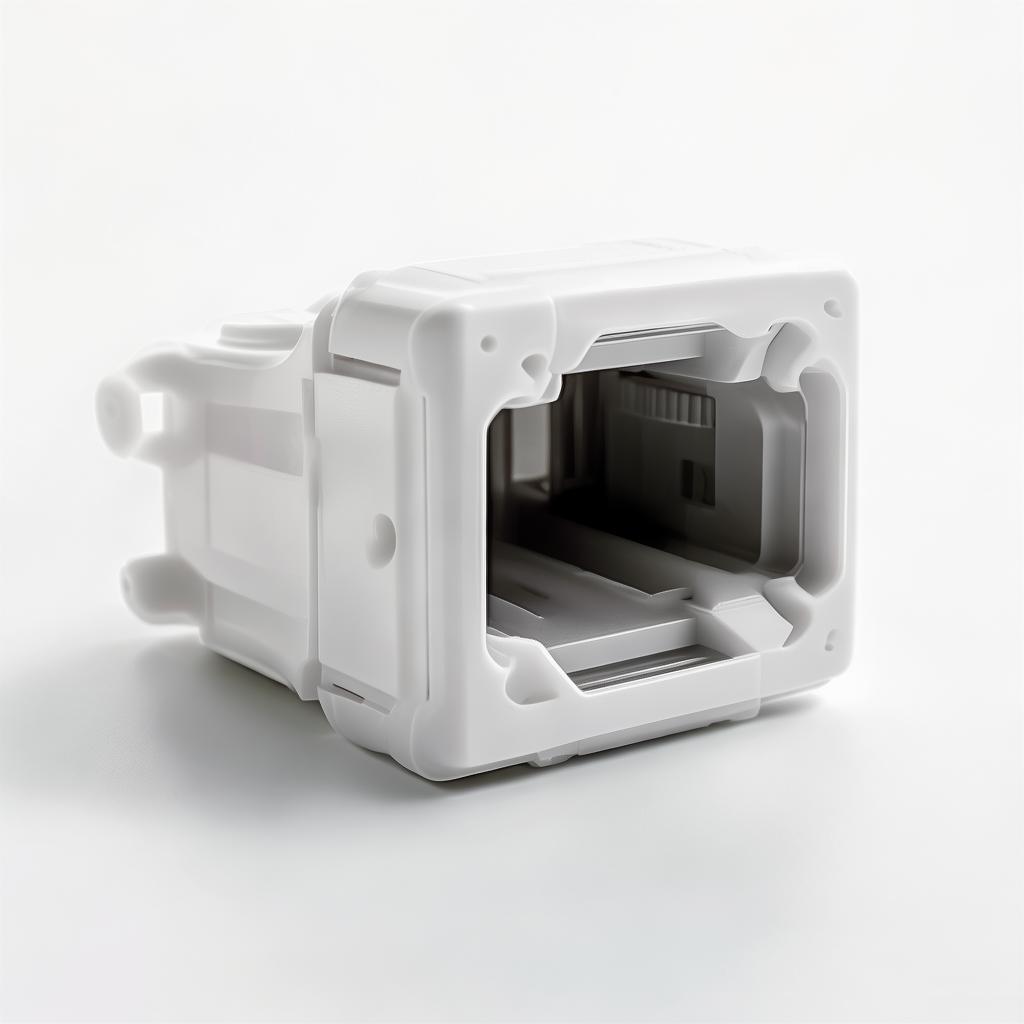
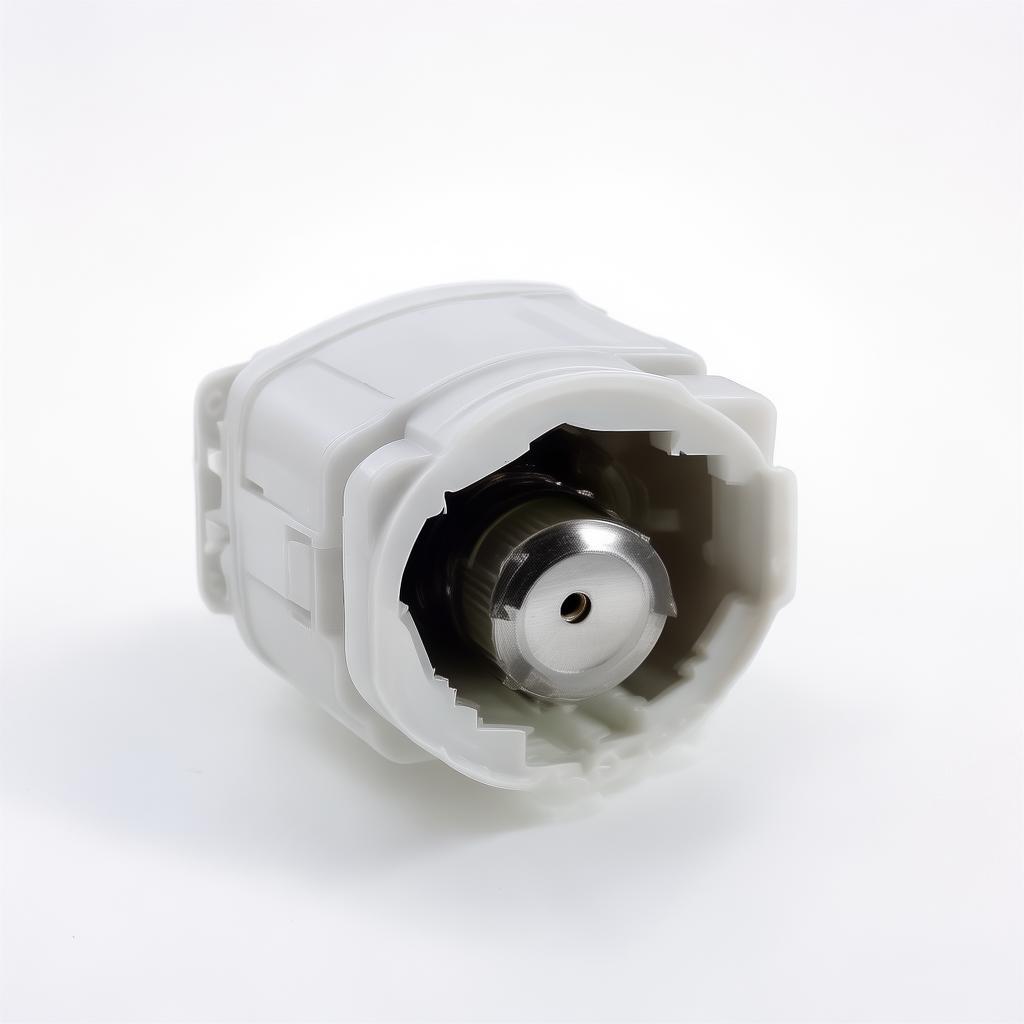
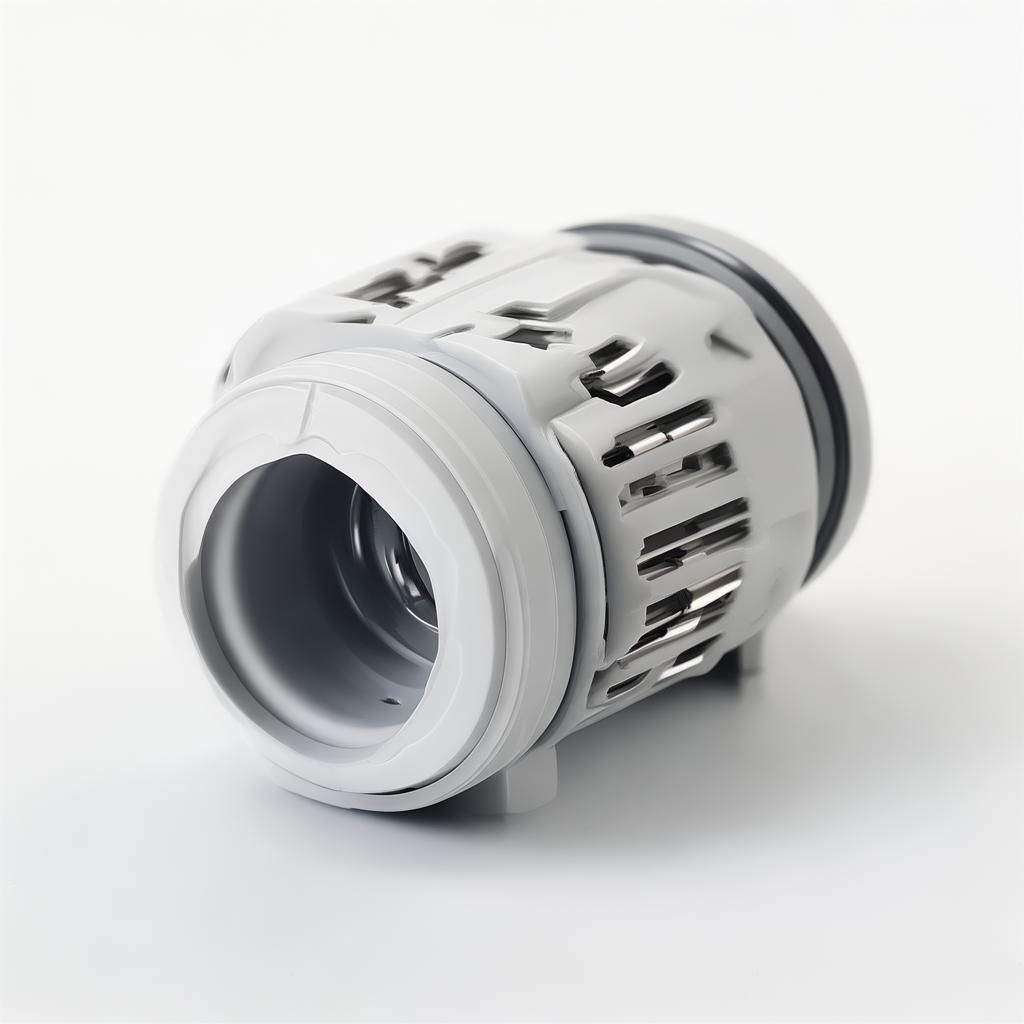
abs injection molding process abs injection molding Product abs injection molding manufacturer
* Note: Selection of ABS grade tailored for OEM requirements is critical — consult with Yingtai engineers for customized impact modifiers or flame-retardant variants.
Application Scenarios & OEM/ODM Solutions
ABS injection molding covers a broad industrial canvas. Here are some typical fields and products we support:
- Industrial & Household Appliance Housings (vacuum cleaners, coffee machines, etc.)
- Automotive Interior Components (dashboard panels, trim pieces)
- Consumer Electronics Cases (gaming consoles, computer peripherals)
- Medical Device Enclosures meeting hygiene standards
- Telecommunication Equipment covers with EMI shielding options
OEM/ODM Expertise: Yingtai’s product development incorporates advanced mold flow analysis, multi-shot injection capabilities (e.g., ABS+LSR overmolding), and quality inspection benchmarks like CE and UL certifications. Our team of over 500 specializes in aligning process engineering with client design intent to accelerate time-to-market while maintaining tight tolerance control.
Procurement Guidance & Supplier Evaluation
Choosing a reliable ABS injection molding supplier influences product launch success, control on costs, and post-sale support levels. Consider these practical factors:
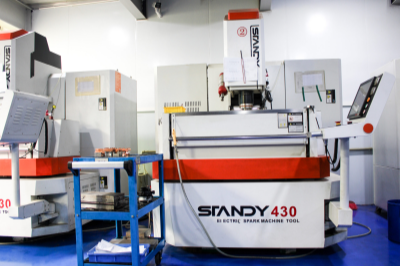
- Capability Verification: Assess factory equipment portfolio – number of injection molding presses, mold making capacity, and automation levels.
- Quality Systems: Confirm certifications such as ISO 9001 and product-specific test reports.
- Material Sourcing: Supplier’s ABS resin origins and access to specialized grades with traceability.
- Lead Time Transparency: Understand typical mold development and batch production cycles to align your project milestones.
- Value-Add Services: Does the factory support multi-component molding, secondary machining, or assembly?
- Logistics & Packaging: Efficient container loading plans and damage-proof packaging reduce supply chain surprises.
Our export managers recommend scheduling a Talk With Our Engineer early for design for manufacturability consultation. Engaged supplier collaboration can significantly reduce unexpected downstream issues.
Frequently Asked Questions
- Q: What are typical lead times for ABS injection molded parts?
- A: Tooling development typically ranges 4-6 weeks, with production cycle times as fast as 20-30 seconds per shot depending on part geometry.
- Q: Can you produce multi-color or multi-material ABS parts?
- A: Yes, Yingtai offers multi-shot injection molding combining ABS with materials like LSR or TPE for hybrid product lines.
- Q: How do you ensure dimensional stability in large ABS parts?
- A: We optimize mold temperature control and cycle parameter programming, combined with simulation and careful shrinkage compensation.
- Q: What packaging methods do you use to minimize shipping damage?
- A: Customized foam inserts, anti-static bags, and sturdy cartons designed for high container loading efficiency protect your shipment.
- Q: Are there environmental concerns with ABS injection molding?
- A: ABS is recyclable under certain conditions, and we emphasize waste reduction strategies through process control to minimize scrap.
Customer Reviews & Operational Feedback

“Yingtai’s ABS injection molding delivered on our tight deadlines and held tight tolerances for our consumer product line. Their technical support helped us optimize tooling design and significantly reduce cycle time.”

“Their multi-shot injection molding combining ABS and LSR created high-performance seals for our automotive interiors. The factory showed impressive mold maintenance discipline and QA consistency.”

“We appreciate Yingtai’s transparency on lead times and responsiveness. Their ability to scale production while maintaining ISO and RoHS compliance helped us meet changing regulatory needs smoothly.”
Get in Touch
For inquiries on ABS injection molding solutions, OEM customization, or logistics planning, connect with our export team. We are ready to provide factory pricing, technical support, and sample requests tailored to your project scale.
- 📞 Phone (Miss Zhang): +86 17722437688
- ✉️ Email: zmm@yingtai168.com / lh@yingtai168.com
- 📠 Fax: +86 0769-83666863
- 💬 Whatsapp: +86 17722437688
- 🏭 Address: No. 359 Chang'an Bubugao Road, Chang'an Town, Dongguan City, Guangdong Province