
John Matthews (Procurement Manager, Midwest Electronics Co.)
"Yingtai’s ABS components have reduced our defect rate on housings drastically. Their proactive QC and tooling support saved us weeks of rework time, which is invaluable."

Abs Injection Molding Manufacturer
Guangdong Yingtai High Precision Technology Co., Ltd. — Your trusted partner in high-performance ABS molded components for industrial, automotive, and consumer applications. Working with ABS injection molded components demands an intricate balance of material
Product Details
ABS Injection Molding Manufacturer | Precision, Reliability, Experience
Guangdong Yingtai High Precision Technology Co., Ltd. — Your trusted partner in high-performance ABS molded components for industrial, automotive, and consumer applications.
Industry Challenges in ABS Injection Molding
Working with ABS injection molded components demands an intricate balance of material properties, manufacturing precision, and supply chain agility. From my experience as an export director navigating international B2B markets, common bottlenecks we encounter include:
- Material inconsistency: Variations in ABS resin batches can impact impact resistance and finish, leading to quality control headaches.
- Dimensional stability: Without precise mold design and temperature control, warpage or shrinkage disrupt assembly lines downstream.
- Production lead times: Asian suppliers often underestimate tooling setup duration, causing delays for importers reliant on just-in-time inventory.
- Surface defects: Flow marks, sink marks, and weld lines reduce cosmetic appeal—critical for consumer electronics parts.
- Logistics volatility: Container loading efficiency for bulky molded parts and customs clearance variability introduce risk for global sourcing managers.
These pain points often result in increased waste, bottlenecked assembly, and strained supplier relationships—issues procurement managers in the U.S., Canada, and Europe frequently flag as priority concerns.
Key Advantages of Our ABS Injection Molding
At Guangdong Yingtai High Precision Technology Co., Ltd., we approach ABS injection molding with a decade-spanning blend of technical expertise and operational know-how. Here's what sets us apart:
- Consistent Material Quality: Sourcing premium-grade ABS resins with tight specifications for impact strength, thermal resistance, and surface finish.
- Advanced Mold Engineering: Utilizing multi-cavity and hot runner molds with ISO 9001:2015 certified tooling processes that minimize cycle time while maximizing dimensional accuracy.
- Process Stability: Automated injection molding machines (80+ units) with precise temperature and pressure controls reduce scrap rates and improve repeatability.
- Quality Assurance: Inline inspection systems coupled with rigorous sampling ensure all parts meet CE and RoHS compliance where applicable.
- Flexible Volume Capability: Accommodating low to high-volume orders with short lead times due to 35,000 sqm factory footprint and integrated supply chain.
- OEM/ODM Support: Comprehensive services from design consultation, prototype development to tooling and final manufacturing—tailored to your specs.
Technical Specifications & Material Insights
ABS (Acrylonitrile Butadiene Styrene) is a versatile thermoplastic polymer favored for its balanced mechanical properties and ease of processing. Here is a typical specification overview:
| Property | Typical Range | Unit |
|---|---|---|
| Tensile Strength | 40 - 48 | MPa |
| Impact Strength (Charpy, notched) | 15 - 25 | kJ/m² |
| Heat Deflection Temperature (0.45 MPa) | 85 - 100 | °C |
| Melt Flow Index (230°C/3.8kg) | 5 - 12 | g/10 min |
| Shrinkage Rate | 0.4% - 0.7% | — |
abs injection molding Product wholesale abs injection molding Product abs injection molding
Our team partners closely with resin suppliers to adjust impact modifiers, UV stabilizers, and color concentrates to meet application-specific requirements, supporting everything from electronics housings demanding federal IEC 61010 electrical compliance to automotive interior trims with strong abrasion resistance.
Typical Applications for ABS Molded Parts
ABS's robust combination of impact resistance, dimensional stability, and surface finish flexibility makes it valuable in diverse sectors. Some popular industries we serve include:
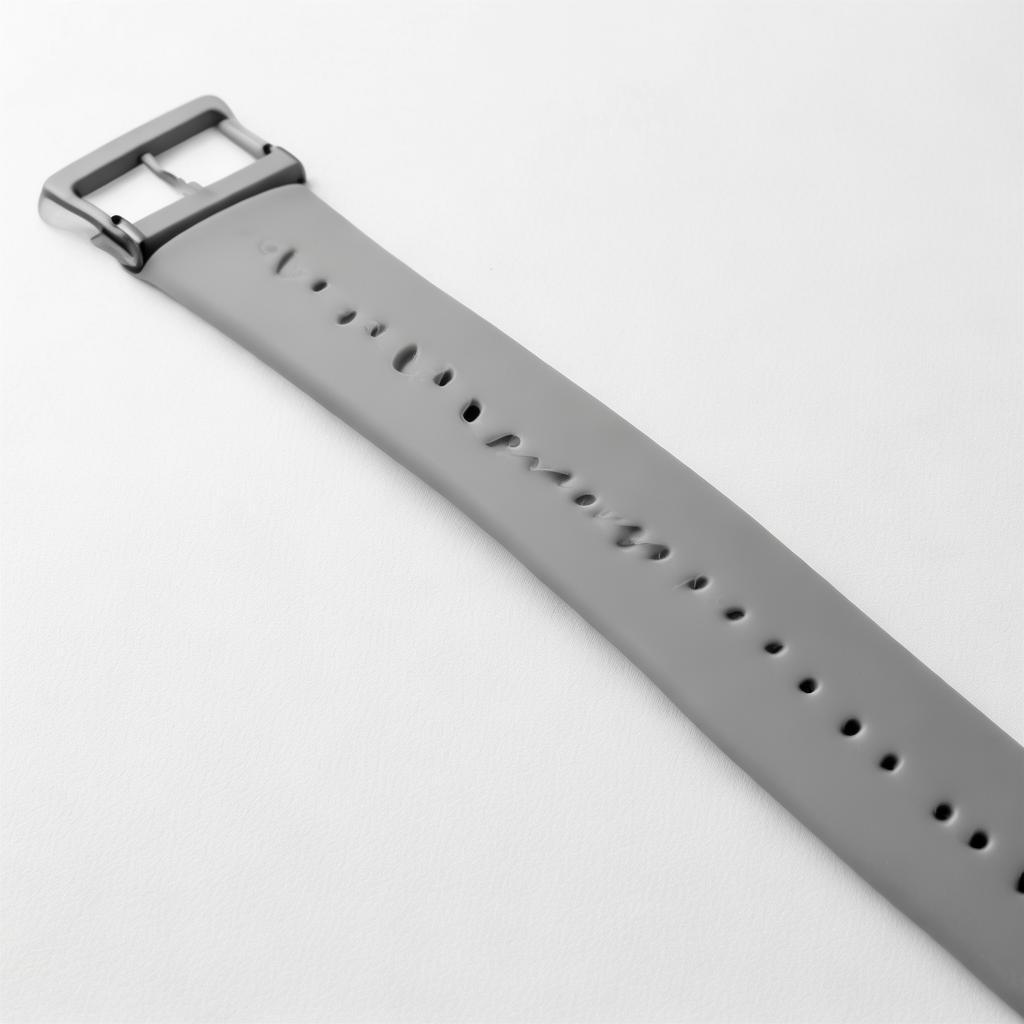
- Consumer Electronics: Housings for routers, set-top boxes, handheld devices, and keypads — requiring precise textures and flame-retardant grades.
- Automotive Interiors: Dashboard components, seat fixtures, air vent grilles, and trim panels emphasizing durability and aesthetic consistency.
- Home Appliances: Washing machine panels, vacuum cleaner drums, and refrigerator internal fittings where long-term mechanical stress occurs.
- Industrial Equipment: Protective casings, tool handles, and control panel covers designed for chemical resistance and dimensional fidelity.
- Medical Device Housings: Non-sterile equipment enclosures where materials must comply with FDA or CE safety standards.
Our ABS injection molded components regularly reach global markets, including Europe and North America, supported by end-to-end logistics optimization that reduces transit times and ensures product integrity.
Procurement Tips & Supplier Evaluation
Selecting an ABS injection molding manufacturer is not just about cost — it's about safeguarding quality, timelines, and compliance, especially for critical components. Here are some practical points procurement managers should weigh:
- Certification and Compliance: Verify ISO 9001 certification, environmental management credentials (ISO 14001), and product safety standards compliance like CE, RoHS, or FDA.
- Material Traceability: Can the supplier provide batch-level resin certificates and test reports? Traceability mitigates risk of raw material substitution.
- Tooling Ownership: Confirm tooling is owned or dedicated to your products rather than shared to reduce variation and tooling contamination.
- Sample & Prototype Support: Seek transparent sample policies with clear timelines and cost structure for mold validation and product qualification.
- Lead Times & Flexibility: Check realistic lead times factoring in tooling, molding, finishing, and shipping. Ask about capacity buffers for urgent orders.
- Logistics Coordination: Scrutinize export capabilities, container loading expertise, and ability to handle customs documentation, especially for bulk or delicate parts.
- OEM/ODM Capability: A proven track record of design collaboration and adaptable manufacturing means fewer iteration cycles and lower project risk.
Many first-time international buyers underestimate post-contract management complexities—frequent communication and clear technical documentation are paramount.
Our Factory & Certifications
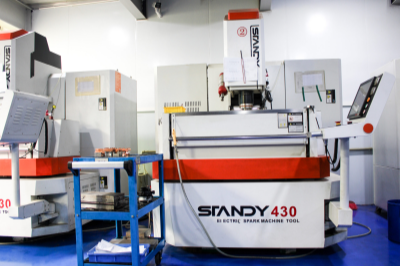
With a sprawling 35,000 sqm industrial park in Dongguan, our facility houses:
- Over 80 automatic injection molding machines geared for thermoplastics including ABS with shot sizes ranging from 50g to 1500g
- A dedicated tooling department employing 30+ precision CNC and EDM units focusing on mould development and maintenance
- Advanced quality control labs featuring coordinate measuring machines (CMM), surface roughness testers, and tensile test rigs
- End-to-end production chain from resin drying, molding, secondary machining, to assembly and packaging
We proudly hold certifications such as:



Frequently Asked Questions
- Q1: What is the typical lead time for ABS injection molded parts?
- It depends on mold readiness. For existing tooling, 2-4 weeks for molding plus 1-2 weeks for inspection and packaging. New mold development can take 6-10 weeks.
- Q2: How do you handle quality control for dimensional accuracy?
- We use regular mold flow analysis upfront, plus inline CMM inspection and statistical process control to maintain tolerances within ±0.1mm typically.
- Q3: Are customized colors and textures possible?
- Yes. We support custom color matching and surface finishing via mold texturing, gloss control, and secondary coatings per client specs.
- Q4: What export logistics support do you offer?
- From container loading optimization to export documentation and customs clearance assistance, we provide a full suite of export services tailored to your destination port requirements.
- Q5: Can you integrate overmolding with ABS?
- We have extensive experience co-molding ABS with soft thermoplastic elastomers (TPE), enhancing grip and sealing features on complex assemblies.
Customer Reviews & Feedback
Get in Touch
If you have any camping barbeque equipment inquiry, please feel free to contact us.