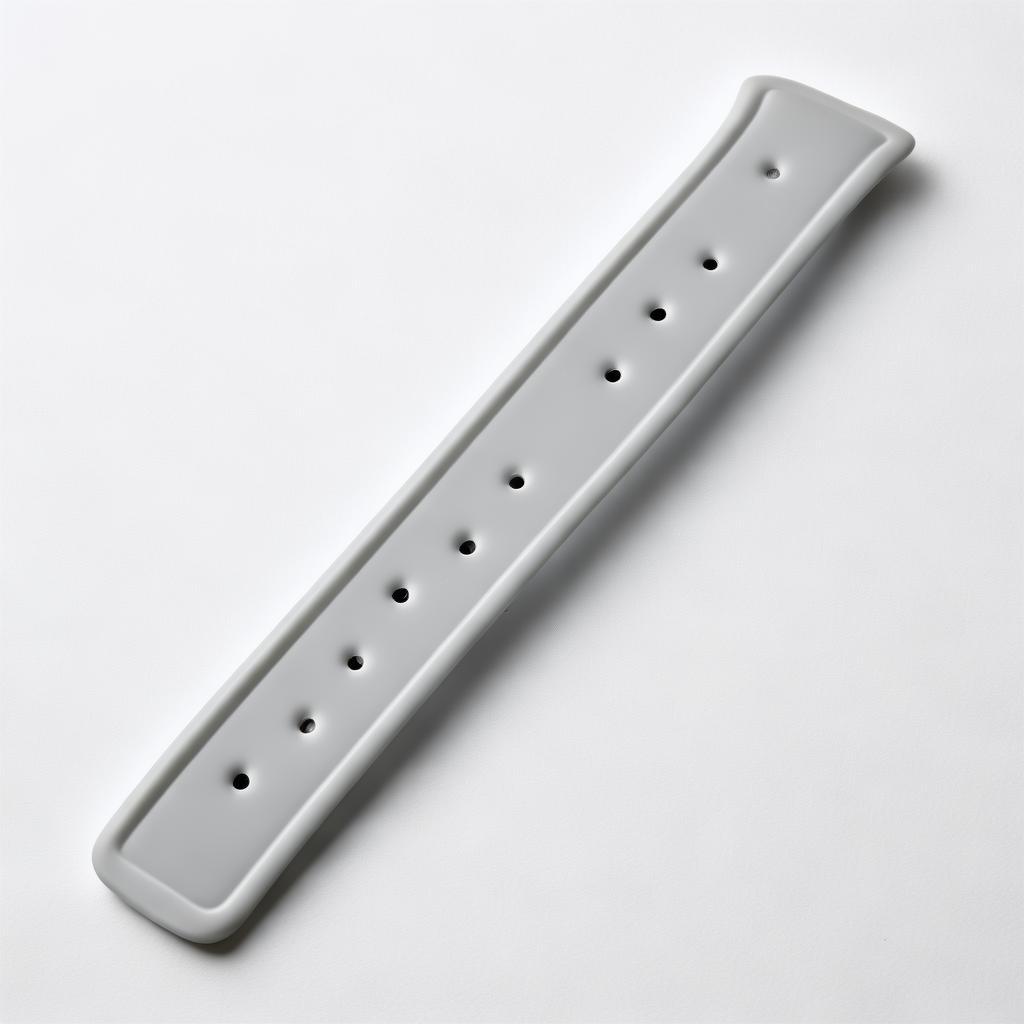
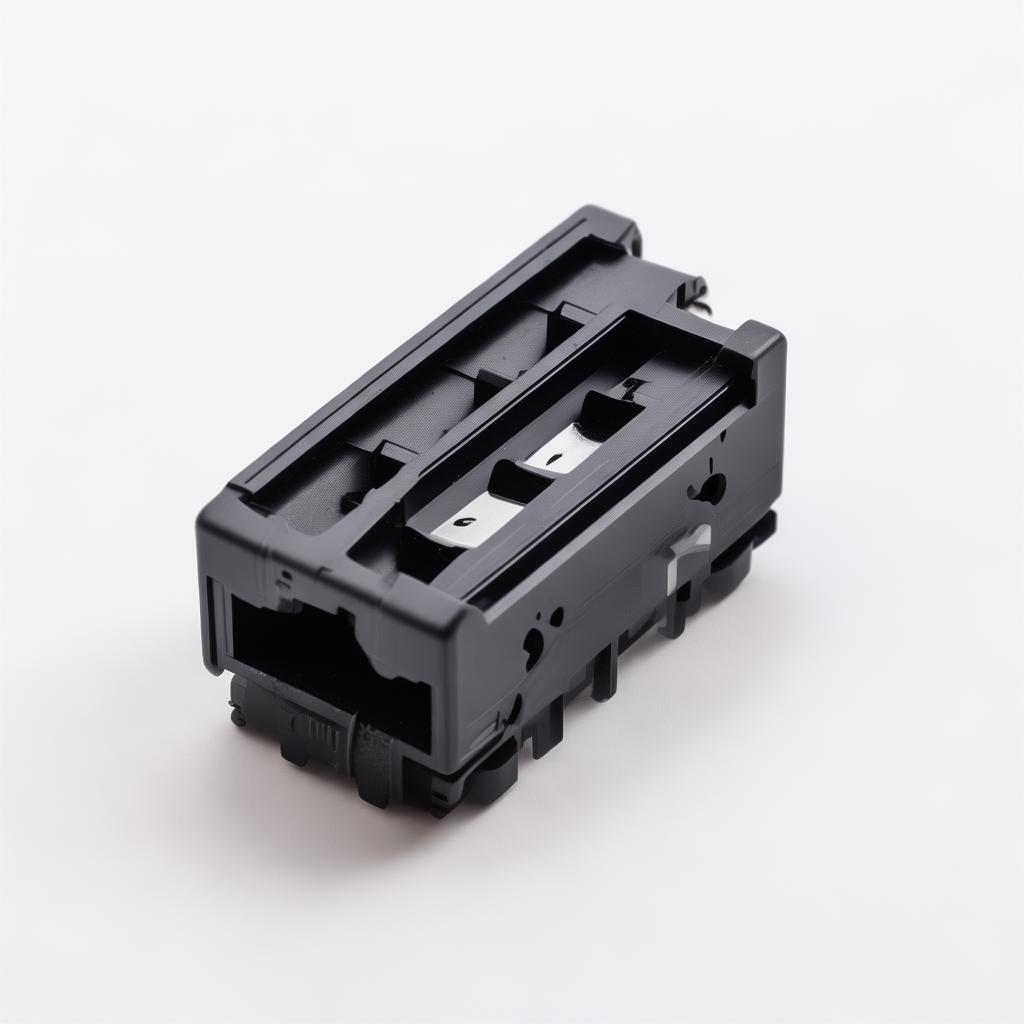
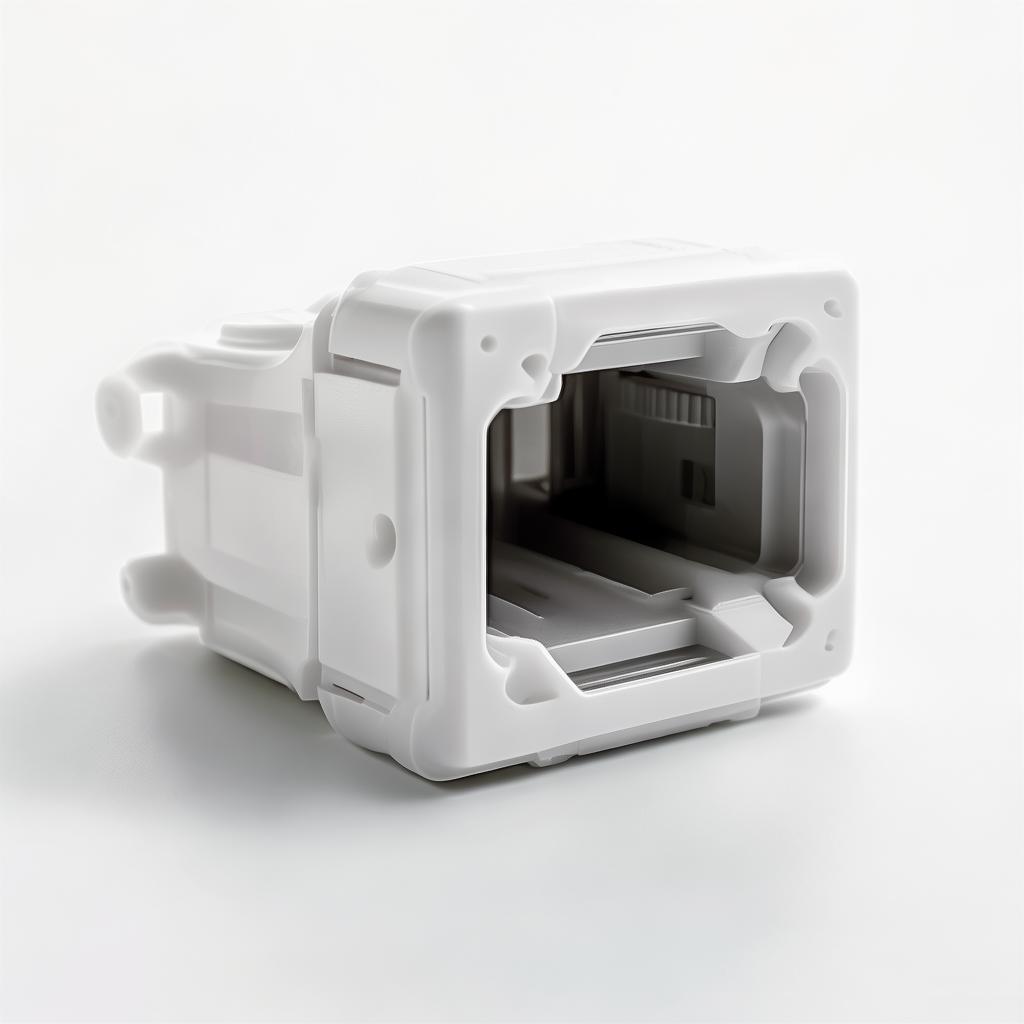
ABS Insert Solutions for Superior Industrial Applications
Precision-engineered ABS inserts tailored for durable, high-performance assembly in OEM manufacturing and industrial manufacturing sectors.
Understanding ABS Inserts: The Backbone of Robust Industrial Assembly
ABS inserts, primarily manufactured using Acrylonitrile Butadiene Styrene (ABS), serve as essential components for component fastening, structural reinforcement, and modular assembly in a wide array of industrial and consumer products. Their blend of mechanical robustness, thermal resistance (up to approximately 105°C), and chemical stability makes them a preferred choice in applications requiring precision fastening combined with cost-efficiency.
In the context of OEM and ODM manufacturing, ABS inserts enable manufacturers to realize consistent quality and flexibility throughout the production cycle. These inserts are often overmolded or press-fit into thermoplastic housings, enhancing product durability and simplifying final assembly processes.
An operational insight: In manufacturing environments where injection molding is the primary fabrication method, the uniformity of ABS inserts impacts overall part reliability. Variations in insert dimensions or surface finish can directly lead to assembly misfits or premature wear, ultimately affecting both production yields and customer satisfaction.
Given the worldwide push for smarter, lighter, yet structurally sound components — especially in electronics, automotive interiors, and appliance assemblies — ABS inserts have become indispensable. This is due in part to their commendable balance between tensile strength (~40 MPa) and impact resistance, enabling them to withstand repeated cycles of mechanical stress without deformation or cracking.
Moreover, integrating ABS inserts aligns well with industry standards such as ISO 9001 quality management and RoHS compliance, ensuring environmental responsibility and traceability — critical factors in global B2B procurement.
Important to note: While ABS inserts deliver strong performance, they are best selected and applied considering operational environment stresses such as UV exposure, chemical contact, and mechanical vibration. Consulting with technical engineers is a prudent step to ensure material compatibility and lifecycle expectations.
Industry Pain Points: What Procurement Managers Often Encounter
- Insertion Failure Rates: Improper insert geometry or surface finishing causing misalignment or stripping during assembly.
- Material Incompatibility: Use of substandard ABS grades leading to brittleness under low temperatures or deformation under excessive heat.
- Supply Chain Disruptions: Fluctuating lead times from overseas factories, especially under current global shipping constraints and customs delays.
- OEM Quality Gaps: Difficulties in sourcing consistent batches meeting exact dimensional and mechanical specifications.
- Installation Challenges: Time-consuming manual insertion increasing labor costs and risk of misfeeds during automated assembly lines.
Addressing these pain points requires not only careful supplier evaluation but also deep integration of technical knowledge into the procurement process, ensuring that material data sheets, tolerance analyses, and testing certifications accompany every batch.
ABS Insert Advantages: Why They Stand Out in Industrial Manufacturing
Having worked with multiple industrial clients, our observation confirms these ABS insert features consistently drive project success:
- Thermal Stability: Exceptional resistance to heat aging, suitable for automotive interiors and appliance housings.
- Impact Resistance: ABS material’s inherent toughness reduces failure risks from mechanical shocks during shipping and installation.
- Customization Potential: OEM/ODM productions enable precise insert geometries adapted for specific screw sizes or press-fit requirements.
- Surface Finish Versatility: Options for knurled, ribbed, or smooth finishes to optimize retention force in various polymer matrices.
- Cost Efficiency: Compared to metal inserts, ABS inserts reduce weight and tool wear, speeding up molding cycles.
- RoHS and REACH Compliance: Supporting environmentally responsible manufacturing and simplified international export clearance.
Material Comparison Insight: While metal inserts provide superior mechanical strength, ABS inserts offer distinct advantages in vibration damping and corrosion resistance, an important consideration in electronics casings or moisture-prone environments.
Technical Specifications Table: ABS Insert Key Parameters
| Specification | Typical Value | Notes |
|---|---|---|
| Material | Acrylonitrile Butadiene Styrene (ABS) | Injection mold grade |
| Tensile Strength | 40–45 MPa | ASTM D638 standard |
| Heat Deflection Temp. | 95–105 °C (at 0.45 MPa) | Precision thermal molding required |
| Surface Finish Options | Knurled, Ribbed, Smooth | Customized per application |
| Standard Sizes | M2 to M8 thread sizes available | Custom sizes upon request |
| Packaging | Bulk in anti-static bags or trays | Optimized for container loading |
injection moulded abs abs injection molding abs injection molded plastic parts
Application Scenarios: ABS Inserts in Action
ABS inserts find wide versatility in diverse industrial sectors. Below are some real-world deployment cases we've witnessed firsthand:
- Consumer Electronics: Fastening components inside smartphone housings, wearables, and remote controls where vibration damping and thermal stability are critical.
- Automotive Interiors: Dashboard modules and trim panels rely on ABS inserts for secure mounting over long product life under temperature fluctuations.
- Household Appliances: Washing machines, coffee makers, and air purifiers use ABS inserts to improve assembly speed and resilience in damp environments.
- Industrial Electrical Components: ABS inserts facilitate modular assembly of junction boxes, sensor housings, and control panels with easy replacement capabilities.
- Furniture Assembly: Lightweight ABS inserts facilitate rapid self-assembly furniture production, enhancing cross-border logistics efficiency.
Operational note: Installation efficiency improves significantly by pre-selecting inserts with optimized finishes and sizing—helping reduce assembly line bottlenecks and scrap rates.
Procurement Guidance and Evaluating ABS Insert Suppliers
Choosing the right supplier affects your manufacturing outcomes more than the raw material alone. Below are actionable tips for procurement managers and operations directors:
- Verify Certifications: ISO 9001, RoHS, and preferably additional industry-specific standards (e.g., IATF 16949 for automotive).
- Assess Factory Capabilities: Machines count, mold development expertise, and in-house quality control labs matter immensely for consistency.
- Sample Testing: Always request pre-production samples. Examine dimensional tolerances, mechanical fit, and surface finish actualities.
- Production Lead Times: Confirm realistic lead times that account for tooling development plus order fulfillment to avoid schedule slips.
- Logistics and Packaging: Confirm packaging standards can protect inserts from electrostatic discharge and moisture during ocean or air shipments.
- OEM/ODM Flexibility: Evaluate suppliers’ technical teams for ability to customize inserts or execute design tweaks rapidly.
- Payment and Warranty Terms: Negotiate terms that reduce upfront risk and ensure quick resolutions for any quality issues or delays.
Consider Guangdong Yingtai High Precision Technology Co., Ltd. as a benchmark supplier, with their advanced tooling and extensive experience in plastic insert manufacturing tailored for international markets.
Frequently Asked Questions
- What distinguishes an ABS insert from a metal insert?
- ABS inserts offer lighter weight, better vibration damping, and corrosion resistance, but metal inserts provide higher mechanical strength and thermal expansion stability.
- Can ABS inserts be customized for unique thread sizes?
- Yes. Most suppliers accommodate custom threading, surface textures, and lengths given sufficient order volume and lead time.
- What are common defects to watch for during ABS insert inspection?
- Typical defects include flash, warpage, incomplete fill, surface cracks, and dimensional variance beyond specified tolerances.
- How long does typical lead time for ABS insert production take?
- Based on industry experience, tooling development takes 3-5 weeks, followed by production runs requiring 2-4 weeks, subject to order size and factory schedules.
What Our Clients Say

James Walker, Procurement Manager, Electronics OEM
"Working with Guangdong Yingtai has streamlined our insert sourcing. The dimensional accuracy and batch consistency helped us reduce assembly errors significantly—true partners in supply chain excellence."

Linda Martinez, Operations Director, Automotive Components
"Their technical team's guidance on material grade selection saved us from costly production halts. ABS inserts from Yingtai hold up well under high-temperature dashboard applications."

Robert Schultz, Technical Engineer, Consumer Appliances
"We appreciated the clear communication and fast adjustments when iterating product specifications. The inserts consistently meet our dimension and surface finish requirements for appliance housing assembly."
Ready To Optimize Your Production?
Request a Free Sample or Talk with Our Engineer Today
Get Factory Pricing & Shipping PlanVisual Insights: Production Communication Samples