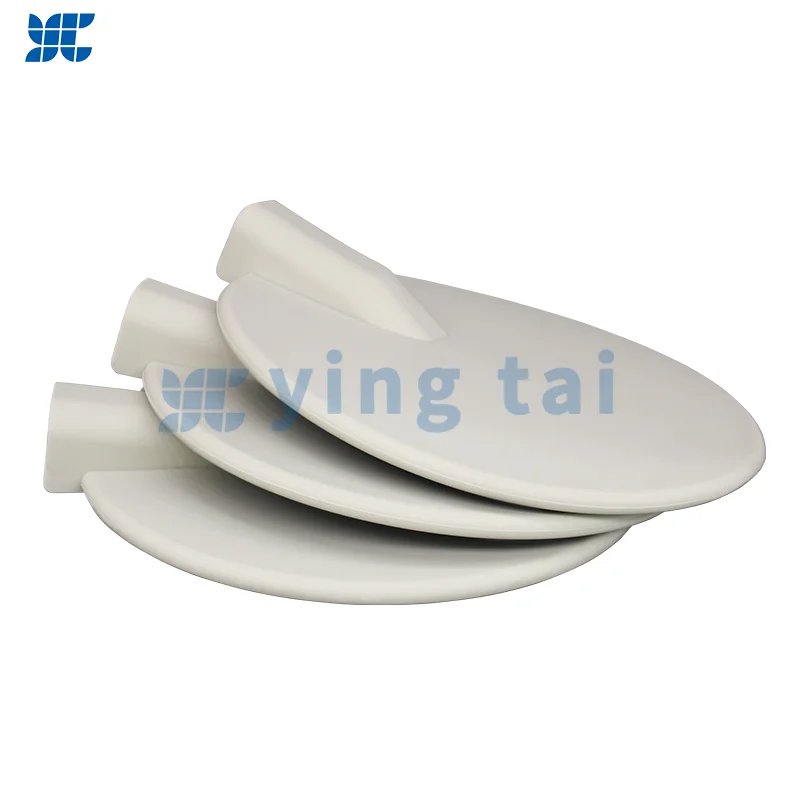
Navigating the B2B procurement landscape for ABS material products requires both technical insight and market savvy. Guangdong Yingtai High Precision Technology Co., Ltd., leveraging over 20 years’ experience in plastic product manufacturing and customization,
Product Details
ABS Material Products: Durable Solutions for Precision Manufacturing & International Trade
Navigating the B2B procurement landscape for ABS material products requires both technical insight and market savvy. Guangdong Yingtai High Precision Technology Co., Ltd., leveraging over 20 years’ experience in plastic product manufacturing and customization, brings a trusted supply chain partner perspective for international purchasing managers, technical engineers, and procurement directors demanding consistent quality and compliance in ABS materials.
Industry Challenges When Working with ABS Materials
For many procurement officers and operations managers sourcing ABS plastic products, challenges arise from fluctuations in raw material quality, inconsistent supply chains, and compatibility requirements for OEM/ODM customization. ABS (Acrylonitrile Butadiene Styrene) boasts desirable toughness and heat resistance, but misuse or inferior grades can lead to surface defects, brittleness under cold conditions, and difficulties in post-processing — all of which risk production downtime or increased scrap rates.
Particularly for manufacturers supplying sensitive electronics casings, automotive components, or consumer appliances, balancing mechanical performance with cost-efficiency is an ongoing puzzle. Environmental compliance such as RoHS and REACH directives for toxic substance limits also influence raw material selection and supplier auditing protocols.
Variability in polymer blend ratios affecting impact strength
Heat distortion temperature limitations impacting design scope
Surface finish inconsistency in large batch runs
Lead times and freight costs complicating international delivery plans
Supplier reliability and downstream OEM certification risks
These operational realities mean purchasers must look beyond attractive price tags and request thorough technical data sheets, sample performance tests, and documented compliance certificates before commitment.
Technical Overview & ABS Material Specifications
ABS is a terpolymer composed of acrylonitrile, butadiene, and styrene, engineered for mechanical resilience, chemical resistance, and thermal stability within a practical cost envelope. Precise formulation and production process define its final performance characteristics.
The table outlines baseline grades widely used in OEM injection molding processes. Advanced ABS formulations may include UV inhibitors or flame retardants tailored for outdoor electronics, automotive interiors, or consumer appliance housings — recognizing the diverse end-use requirements and environmental exposures inherent in global supply chains.
Product Advantages of ABS Material
Strategic procurement decisions lean on a clear-eyed understanding of ABS plastic’s practical benefits — here’s what seasoned purchase professionals and manufacturing engineers highlight:
Excellent Impact Resistance: The butadiene component delivers shock absorption, minimizing brittle failure risks during handling and assembly.
Good Surface Finish: ABS supports smooth, glossy finishes compatible with diverse painting and plating techniques, reducing downstream processing time.
Thermal Stability: Suitable for components subjected to moderate heat up to 100°C, avoiding deformation during usage or standard sterilization.
Wide Processing Window: Injection molding of ABS is forgiving with cycle times and injection pressures, facilitating consistent mass production output.
Recyclability & Cost Effectiveness: Reasonable recyclability and competitive pricing compared with engineering polymers like polycarbonate or nylon enhance supply chain resilience.
However, be wary of excessive UV exposure which can cause surface degradation without additives; and note that ABS is not ideal for high chemical resistance applications where exposure to solvents occurs.
Practical note: Some buyers report that stabilized ABS grades with integrated UV inhibitors dramatically extend lifetime under outdoor lighting conditions, a worthwhile optimization for smart device enclosures.
Common Application Scenarios for ABS Products
ABS plastic remains a pillar in multiple industries due to its versatility and performance balance. Typical applications supplied by Guangdong Yingtai and similar manufacturers include:
Consumer Electronics: Casings for laptops, printers, and smartphones requiring precision molding and OEM-specific cosmetic finishes.
Automotive Interiors: Dashboard components, trim panels, and under-hood parts where thermal stability and impact resistance are prerequisites.
Household Appliance: Durable, lightweight housings for refrigerators, vacuum cleaners, and power tools.
Industrial Equipment: Protective covers and structural components in manufacturing automation and assembly machines.
Prototyping and OEM Parts: Rapid injection molding for customized runs with flexible mold design accommodating design iteration cycles.
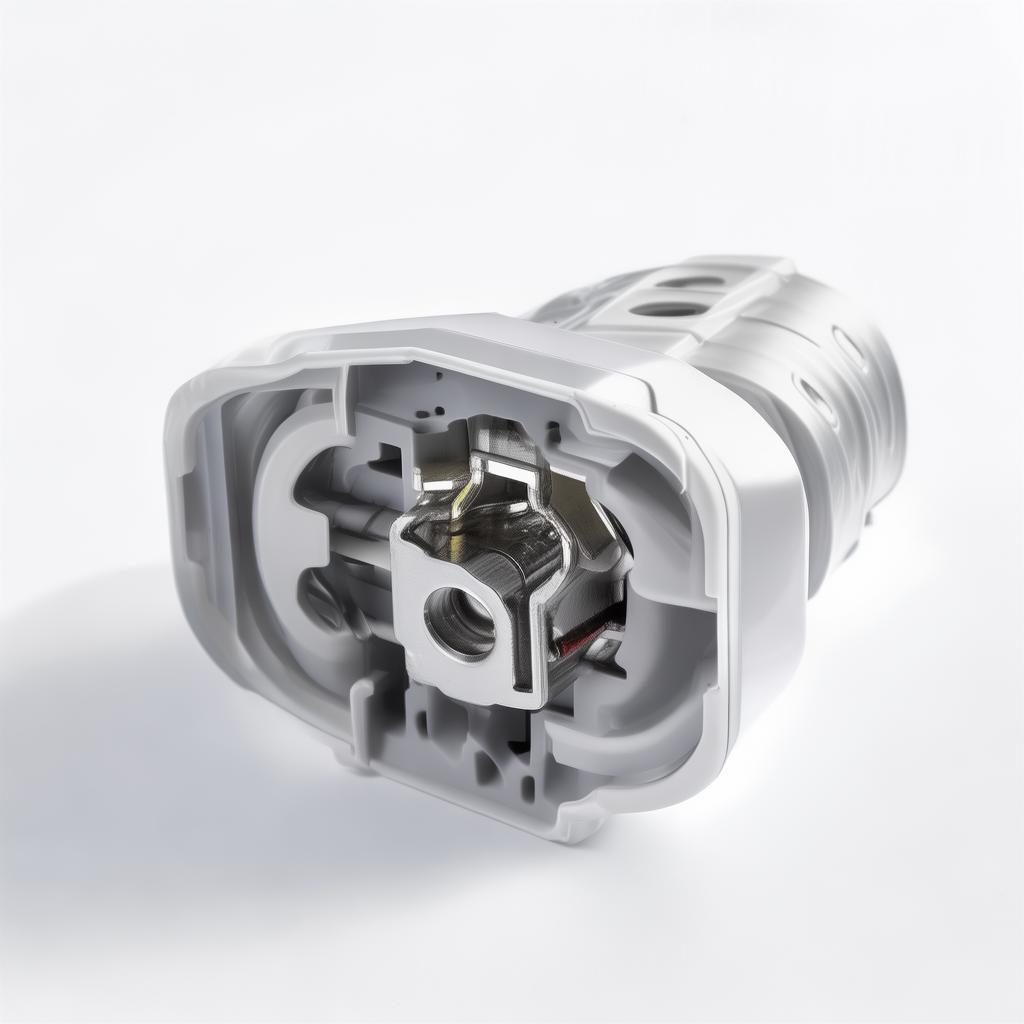
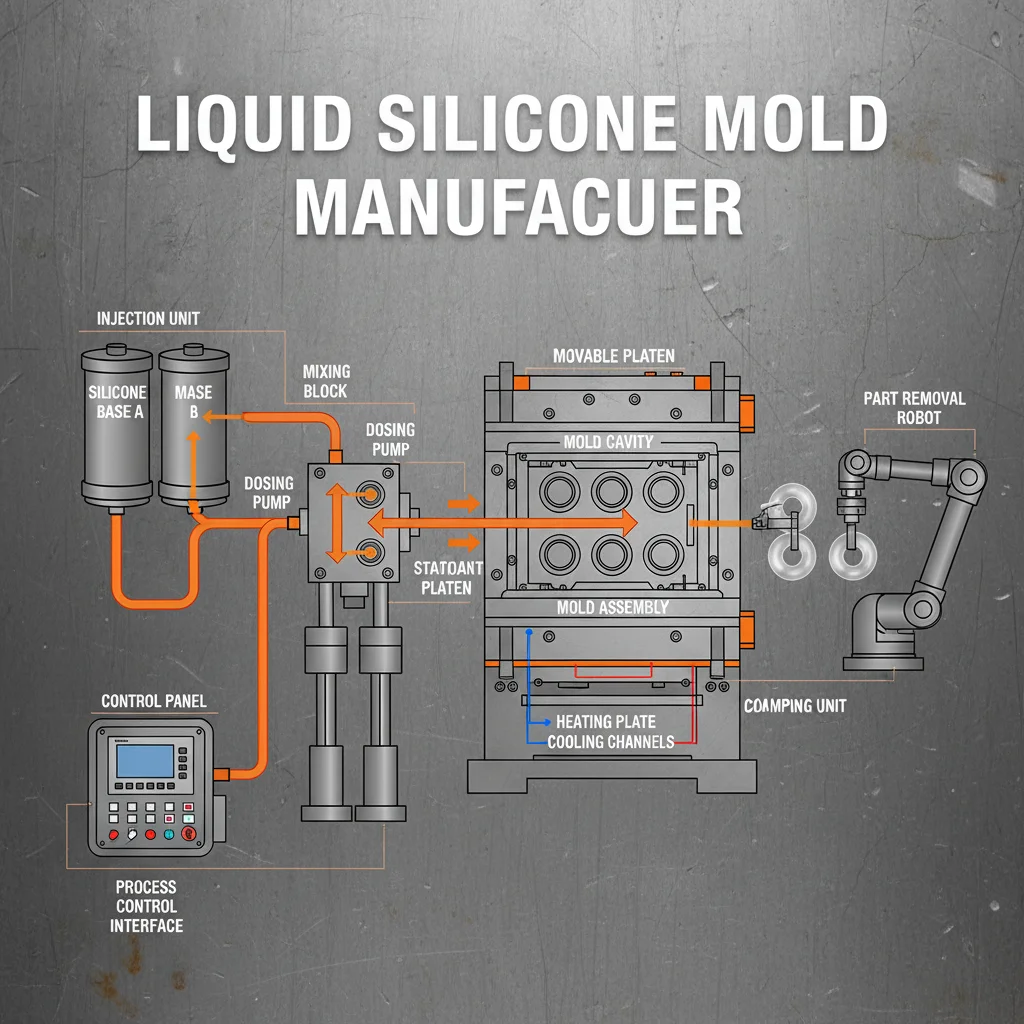
Notably, OEM/ODM manufacturers produce ABS products with enhanced engineering controls, such as multi-shot injection molding combining ABS with liquid silicone rubber seals to improve airtightness and tactile softness in medical and electronics devices (source).
Procurement Guidance & Risk Reduction Strategies
Securing reliable, high-quality ABS material products internationally demands more than sku scanning. Procurement directors should consider:
Sample Testing and Validation: Insist on pre-shipment sample evaluation, ideally in real operational conditions simulating heat, mechanical load, and UV exposure.
Certification Checks: Request copies of ISO 9001 manufacturing audit reports and relevant UL or CE certifications validating fire resistance and chemical safety.
Supply Chain Transparency: Understand material sourcing — OEM grade versus commodity blends — and verify lead times with buffer for logistics unpredictability.
Supplier Audits and Factory Visits: Where feasible, engage local inspection agencies or conduct virtual tours to audit molding facilities and tooling capabilities.
OEM/ODM Custom Manufacturing: Evaluate suppliers’ experience in custom mold development, material formulation tweaking, and capacity for iterative prototyping.
Warning: Some buyers over-focus on unit price and neglect tooling complexity impact on quality and lifecycle, leading to unreliable deliveries or unsatisfactory product durability.
Logistics-wise, discuss container optimization strategies directly with your supplier. ABS products tend to be bulky; efficient packaging and stack loading can reduce your transport costs significantly.
Finally, assess return policies and post-delivery support, ensuring fast resolution in case of material defects or supply interruptions.
Guangdong Yingtai Factory: Excellence in ABS and Plastic Injection Molding
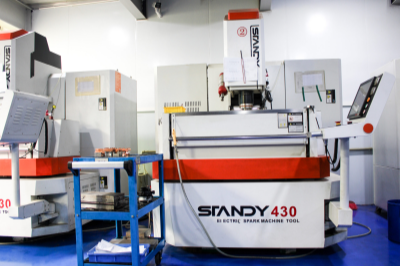
State-of-the-art injection molding lines in Dongguan industrial park
Operating from a 35,000 sqm modern industrial park in Dongguan — a recognized global manufacturing hub — Guangdong Yingtai maintains a comprehensive vertical integration system from mold development to finished ABS products shipment. Over 80 advanced automatic injection machines and precision tooling equipment permit rapid scaling from prototype to high-volume exports.
With a skilled team exceeding 500 workers, robust testing labs, and a proven track record in serving new energy vehicle components, consumer electronics, and heavy household appliances, Yingtai offers:
OEM/ODM flexibility with multi-shot and overmolding capability
Production adherence to ISO 9001 & CE certification standards
Full B2B export experience with streamlined compliance and logistical support
Consistent quality control based on SPC and material traceability
Customized solutions including tailored ABS blends for enhanced chemical and UV resistance
Frequently Asked Questions about ABS Material Products
Q1: What distinguishes ABS from other plastics like polypropylene or polycarbonate?
ABS offers a better balance of impact resistance, surface finish, and dimensional stability for mid-range thermal applications. Polycarbonate delivers higher heat resistance and transparency but at higher cost. Polypropylene is less rigid but excels in chemical resistance and cost-efficiency.
Q2: How do I ensure ABS material meets environmental compliance?
Reputable suppliers should provide detailed material safety data sheets (MSDS) along with RoHS, REACH, and UL certification evidence. Independent 3rd-party testing can further verify compliance for regulated markets.
Q3: Can Guangdong Yingtai customize ABS blends for specific applications?
Yes, Yingtai offers OEM and ODM flexibility, including modified ABS formulations for enhanced UV stability, flame retardance, or color matching to suit OEM requirements.
Q4: What are typical lead times for volume ABS injection molded orders?
Depending on order size and tooling complexity, typical lead times range from 25 to 60 days, factoring in mold development, material procurement, production, and international shipping.
Q5: How should I plan logistics for large ABS shipments?
Optimize container loading by consolidating orders, confirming packaging specs, and collaborating early with suppliers to reserve freight slots. FCL (Full Container Load) often reduces unit cost compared to LCL (Less-than-Container Load), yet LCL offers flexibility for smaller quantities.
Customer Reviews & Real Procurement Feedback
John M., Purchasing Manager, Illinois
“Yingtai’s ABS injection molded parts impressed us with consistent finish and proper dimensional tolerance. Their responsiveness during R&D phase helped reduce our prototype cycles significantly — definitely a reliable partner for our electronics enclosure projects.”
Get in Touch
If you have any camping barbeque equipment inquiry, please feel free to contact us.