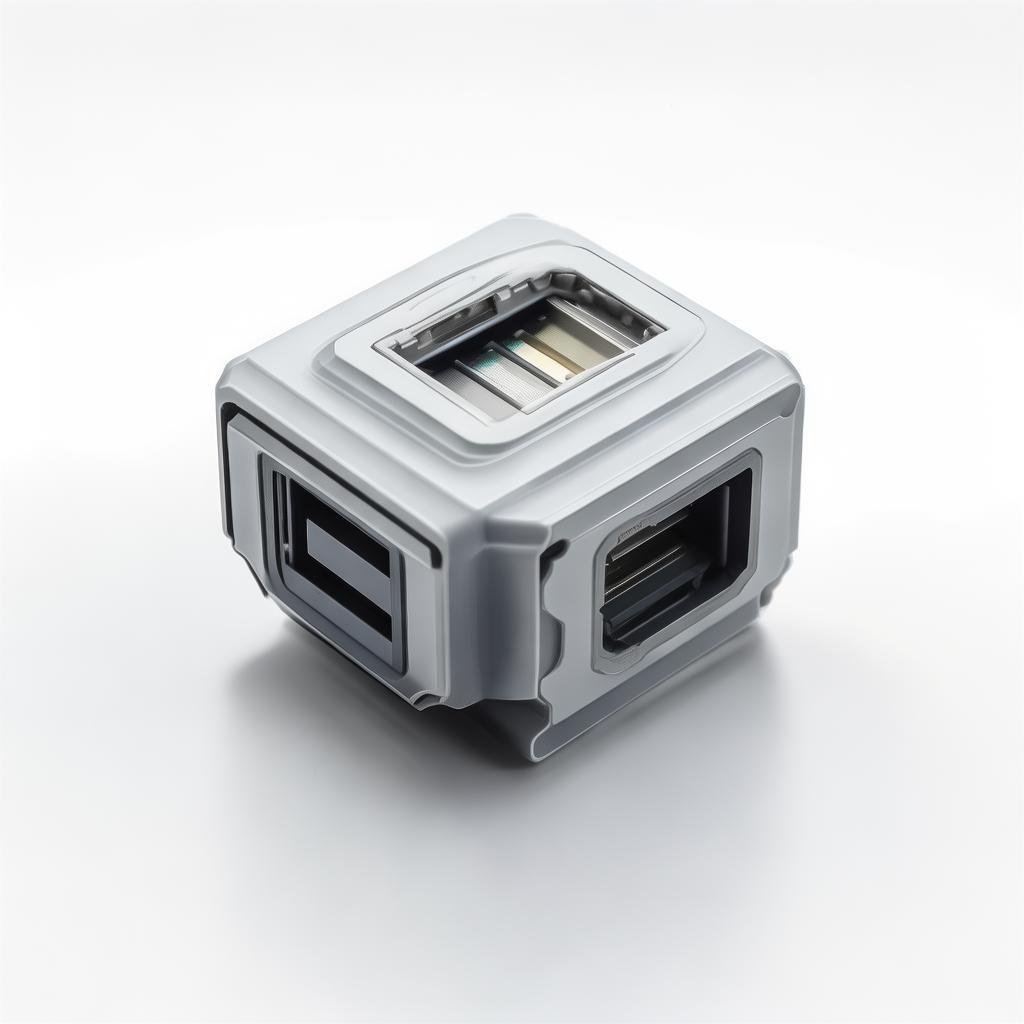
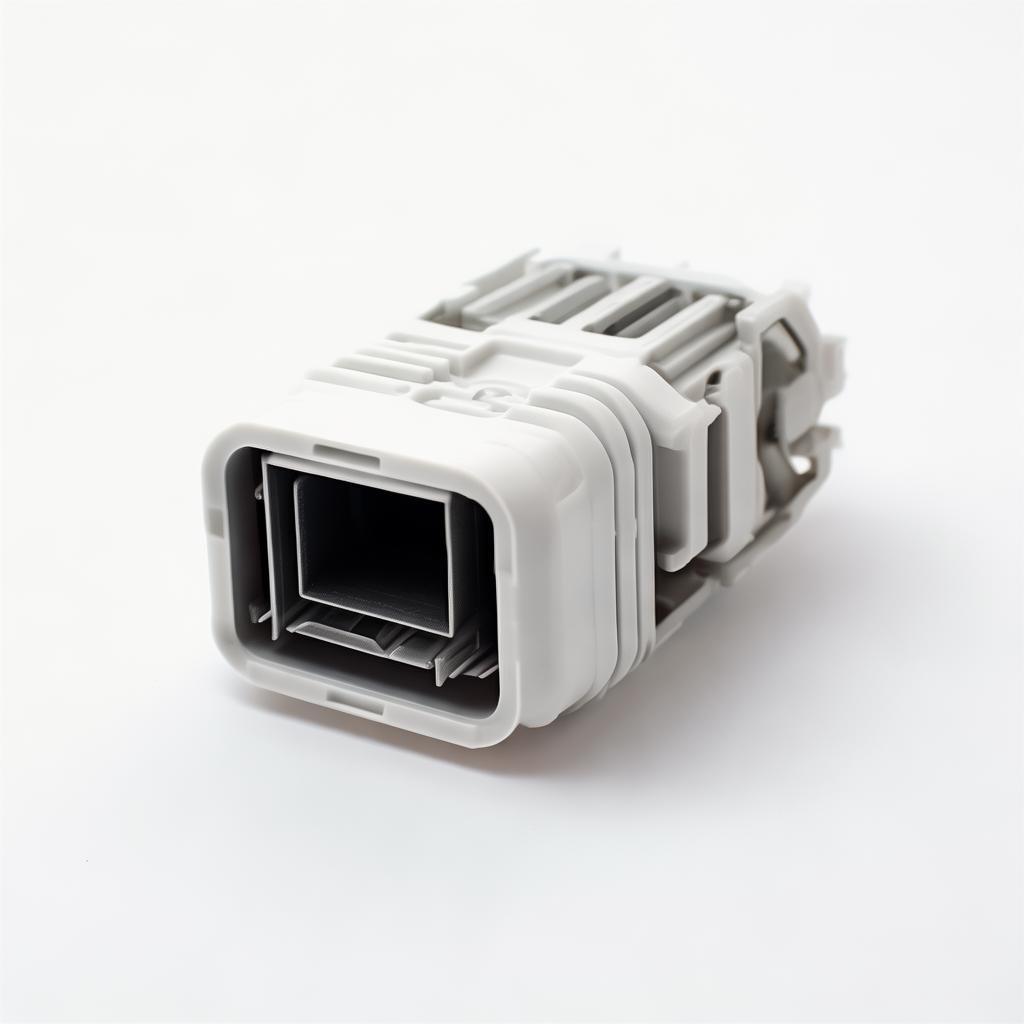
Tailored ABS molding solutions designed for procurement professionals, engineers, and OEMs seeking reliability and efficiency in complex injection molding projects. When sourcing ABS molds for injection molding, procurement managers and technical engineers face a
Product Details
ABS Mold – Precision Manufacturing for Durable Industrial Solutions
Tailored ABS molding solutions designed for procurement professionals, engineers, and OEMs seeking reliability and efficiency in complex injection molding projects.
Navigating Industry Pain Points in ABS Mold Production
When sourcing ABS molds for injection molding, procurement managers and technical engineers face a myriad of challenges—from variable mold quality and inconsistent dimensional tolerances to longer-than-expected lead times that disrupt project timelines.
On the manufacturing floor, subpar mold design or inaccurate material selection can lead to premature tool wear, costly downtime, and degraded end-product performance. The typical issues that frequently disrupt reliable production include:
Material Compatibility Concerns: Choosing the right grade of ABS resin that withstands thermal cycles and mechanical stress without warping or cracking.
Dimensional Instability: Mold shrinkage causing tight tolerance failures, critical for automotive and electronics parts.
Cycle Time Inefficiencies: Mold designs not optimized for rapid thermal management can extend production cycles, affecting throughput.
Logistical Complexities: Overseas suppliers with inconsistent communication and unreliable shipping schedules create procurement risks.
Cost vs. Quality Dilemma: Balancing upfront tooling costs against durability and lifecycle demands, especially for high-volume OEM orders.
Aware of these pitfalls, we emphasize precision engineering, stringent material testing, and proactive supply chain transparency. This insight ultimately protects your production line from avoidable disruptions.
Technical Deep Dive: Understanding ABS Mold Characteristics
ABS (Acrylonitrile Butadiene Styrene) molds serve as the backbone for countless manufacturing applications due to ABS resin's excellent balance of strength, toughness, and thermal stability. Our expertise lies in crafting precision steel molds optimized for the unique flow and cooling properties of ABS.
Critical technical aspects when designing and producing ABS molds include:
Mold Material Selection: Tool steels like H13 or P20 are preferred for their mechanical strength and resistance to thermal fatigue — essential for high-volume ABS molding.
Thermal Management Systems: Incorporating conformal cooling channels ensures even temperature distribution, reducing cycle times and minimizing defects like sink marks and warpage.
Surface Treatment: Applying nitriding or polishing to mold cavities enhances wear resistance and improves part surface finish, especially important for consumer electronics housings and automotive trim.
Gate and Runner Design: Strategically engineered gates optimize flow balance, reduce shear stress, and prevent weld lines, which contributes to part integrity.
Tolerance Control: Addressing ABS shrinkage rates (~0.4-0.7%) through CAE simulation to pre-compensate mold dimensions and ensure reliable part fitment.
Our engineering teams utilize advanced CAD and Mold Flow analysis software to validate designs prior to machining, drastically reducing trial-and-error cycles often encountered with new tooling. This precise approach aligns directly with industry standards such as ISO 9001 and IEC 61508 for quality and safety compliance.
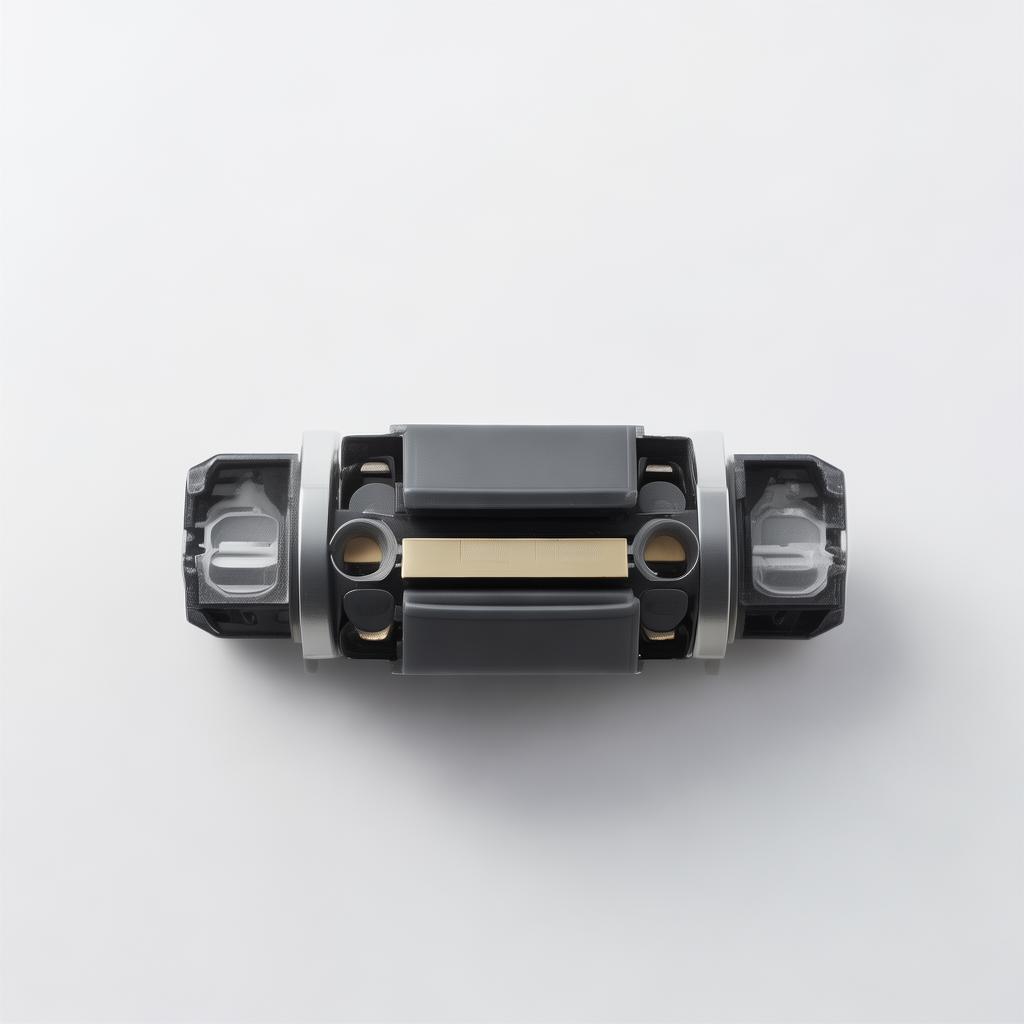
Advanced ABS mold machining at Guangdong Yingtai High Precision Technology Co., Ltd.
Key Advantages of Our ABS Mold Solutions
We deliver customized ABS molds that maximize material performance and ensure sustained production integrity across varied industrial sectors.
Robust Durability: Molds engineered for long-term repetitive runs minimize wear and maintenance downtime, enabling production runs exceeding 1,000,000 cycles under optimized conditions.
Precision Tolerances: Tight control within ±0.01mm ensures consistent part quality for critical components in automotive and consumer electronics.
Optimized Cycle Efficiency: High-performance cooling channels and balanced gating translate directly to reduced injection molding cycle times by an estimated 10–15% versus conventional mold designs.
Versatile Application Compatibility: Designed for ABS resin grades including general purpose, flame retardant, and impact-modified variants.
OEM/ODM Flexibility: Tailored molds built per client blueprints, with options for multi-cavity, family molds, or insert molds allowing rapid tooling adjustments.
Certified Quality: Rigorously inspected to meet or exceed CE and ISO standards, ensuring compliance with regional import regulations and quality benchmarks.
Typical ABS Mold Technical Specifications
Specification
Details
Mold Material
H13 Steel / P20 Steel / S136 Stainless
Cavity Count
Single / Multi-cavity up to 16
Surface Finish
Texture polish, mirror polish, or custom electroplating
Tolerance
±0.01mm to ±0.03mm, depending on product geometry
Cooling Type
Conformal water channels or traditional drilled circuits
Lead Time
45 to 75 days typical, expedited options available
Procurement & Supplier Evaluation: What Buyers Should Know
For purchasing managers navigating the global mold sourcing landscape, understanding key decision points ensures risk mitigation and superior ROI. Here are crucial procurement insights:
Material Traceability: Confirm certifications on steel grade and heat treatment processes. Traceability protects against early mold failures due to substandard steel.
Prototype Validation: Request small-scale pre-production trials or sample mold bases to evaluate fit, finish, and molding cycle performance.
OEM/ODM Flexibility: Preferred suppliers provide engineering consultations for CAD adjustments and integrate quickly with your design team, shortening time to market.
Warranty & After-Sales Service: Understand mold refurbishment policies and lifecycle maintenance schedules. This clarifies long-term operational costs.
Communication & Logistics: Reliable order tracking and open channels with your supplier — ideally bilingual agents — prevent misunderstandings common in international transactions.
Installation Support: Some suppliers offer on-site mold trials and technical staff support during commissioning, reducing costly startup errors.
Beware of overly low-cost quotes that omit important process engineering steps or quality inspections. Low tooling prices often hide expensive downstream impacts like premature wear or inconsistency.
As an industrial procurement consultant with 15+ years of experience in Asia-Pacific manufacturing markets, I often see buyers underestimate the hidden complexity behind ABS mold projects. Partnering early with a supplier transparent about capability limitations avoids costly surprises.
Logistics & Shipping: Ensuring Smooth Delivery of Your ABS Mold
Considering the durable but often bulky nature of ABS molds, careful handling and shipment planning are essential to avoid damages and customs delays.
Key logistics tips include:
Packing Standards: Heavy molds require reinforced crating, often with internal foam supports minimizing vibration damage during transit.
Shipping Modes: Sea freight is cost-effective for high-weight shipments but demands longer lead times — plan 30–45 days from manufacturer to US ports.
Customs Documentation: Ensure complete export paperwork, including steel origin certificates and product classification codes to speed border inspections.
Insurance: Mold tooling is a high-value asset; comprehensive marine cargo insurance covering transit damage losses is recommended.
Onsite Handling: Coordinate fork trucks and trained rigging for mold unloading and installation upon arrival — improper lifting techniques risk tool deformation.
Container Loading: Optimize with space planning; multi-part molds benefit from disassembly and protective repacking to save container space and reduce costs.
Planning like this avoids the pitfalls many first-time importers encounter — delays, unexpected fees, and costly mold repair work that could derail project schedules.
Frequently Asked Questions About ABS Mold Production
What are the common lead times for ABS mold manufacturing?
Typical lead time ranges between 6 to 10 weeks depending on complexity and cavity count. Expedited services may shorten to 4-5 weeks but involve premium charges.
Can I get technical support during mold design?
Yes, our engineering team works closely with your designers, suggesting improvements and performing mold flow analysis to optimize part quality and cycle times.
What inspection standards do your ABS molds meet?
We adhere to ISO 9001 quality management processes with detailed dimensional inspections using CMM and surface finish measurements to ensure premium tooling standards.
How do you handle mold maintenance and repairs?
We offer refurbishment services including polishing, cavity repair, and modification. Preventive maintenance schedules help extend mold life and reduce unexpected downtime.
Are OEM and ODM molds available?
Absolutely. We specialize in both OEM and ODM solutions, building molds strictly per client designs or providing design assistance for custom projects.
What Our Clients Say — Real Feedback from Procurement Professionals
Jeff C., Purchasing Manager, Automotive Supplier (Detroit, USA)
“We’ve worked with Yingtai for over 4 years. Their precision in ABS molds consistently meets our stringent tolerance requirements for auto interior trims. A reliable partner for just-in-time deliveries.”
Get in Touch
If you have any camping barbeque equipment inquiry, please feel free to contact us.