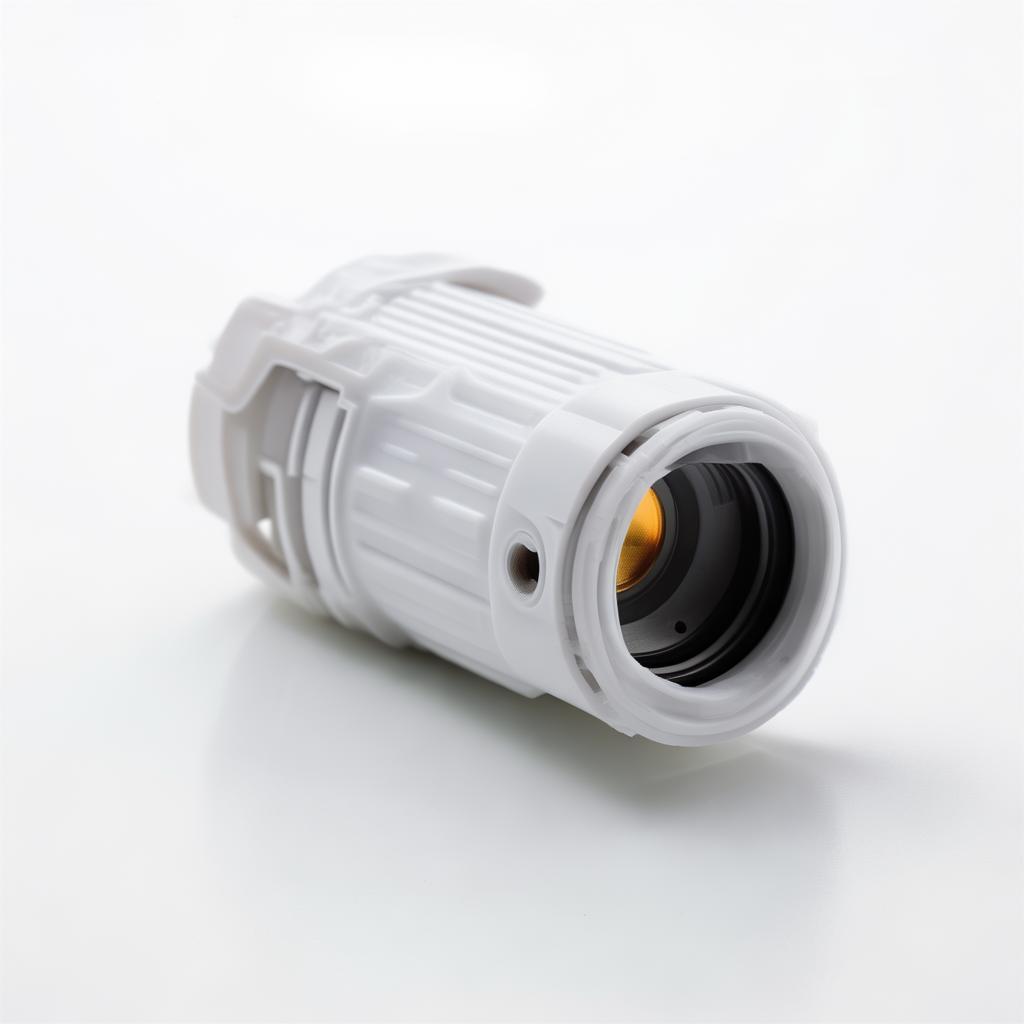
By Michael Chen , Procurement Consultant In the world of industrial plastics, ABS (Acrylonitrile Butadiene Styrene) remains a cornerstone material. Its unique combination of strength, durability, and ease of processing makes it indispensable for
Product Details
ABS Plastic Products: The Industrial Standard for Precision and Durability
By Michael Chen, Procurement Consultant
Why ABS Plastic Products Remain the Go-To Solution for Industrial Manufacturing
In the world of industrial plastics, ABS (Acrylonitrile Butadiene Styrene) remains a cornerstone material. Its unique combination of strength, durability, and ease of processing makes it indispensable for a variety of applications ranging from automotive components to consumer electronics housings. U.S. procurement managers and engineers consistently favor ABS for its robust mechanical properties and predictable performance under diverse environmental conditions.
ABS is a thermoplastic polymer made by polymerizing styrene and acrylonitrile in the presence of polybutadiene. This composition yields a material that balances rigidity with impact resistance, chemical stability, and excellent surface finish. Its capability to be injection molded at high volumes while maintaining tight tolerances positions ABS as a reliable candidate for OEM and ODM factories targeting international markets.
Operationally, ABS plastic products offer favorable lead times and lower defect rates due to mature injection molding technologies and well-established process guidelines. Procurement specialists note that production volumes upwards of tens of thousands of parts benefit from economies of scale with ABS, while still allowing for custom color matching and secondary finishing operations.
Furthermore, with ISO 9001 and RoHS certifications common among leading ABS plastic manufacturers, quality assurance aligns with global import and safety requirements. This factor reduces supply chain risks and streamlines customs clearance, especially relevant in cross-border commerce between China-based factories and North America.
Key Practical Attributes That Drive ABS Plastic Product Selection:
Outstanding impact resistance and toughness at room temperature
Resilience to chemical corrosion and moderate heat (typically service temperature up to 80°C)
Superior dimensional stability during injection molding and machining processes
Excellent adhesion to paints, coatings, and plating used in finishing
Good electrical insulating properties, beneficial for electronic housings
Cost-effective availability in virgin and recycled resin formats
ABS’s performance profile means it is routinely used in safety-critical parts such as automotive dashboards, telecommunications components, and household appliance casings. Handling considerations like moisture sensitivity and post-molding stress relief must be addressed during production and assembly phases, emphasizing the need for suppliers with proven process controls.
In summary, ABS plastic products are not just generic plastic parts — they form a crucial element in modern manufacturing ecosystems where reliability, standards compliance, and scalable production matter.
Industry Pain Points & Procurement Challenges
From a procurement manager’s standpoint, sourcing ABS plastic products internationally introduces challenges beyond mere material selection. Publicly documented issues combined with operational nuances reveal common sticking points in volume plastic product procurement.
Supply chain volatility and inconsistent product quality frequently lead to production delays or budget overruns. Not every factory adheres to the stringent injection molding parameters necessary to fully capitalize on ABS’s mechanical properties.
Notably, process parameters such as melt temperature, injection speed, mold temperature, and cooling cycles directly influence cavity filling quality and resultant mechanical strength. For example, under-injection can cause sink marks or warpage, both unacceptable for precision applications. Buyers must verify that manufacturers maintain robust CNC-machined molds, implement inline quality inspection, and optimize processes based on rheological data.
Inadequate documentation or certification gaps often weaken buyer confidence. Many importers overlook verifying factory certifications such as ISO 9001, CE markings (where applicable), and RoHS compliance, leading to customs hold-ups or product recalls.
Operational Insight: In my experience coordinating with Chinese manufacturers over a decade, clear communication on mold life expectancy, batch traceability, and lead time forecasts reduces wastage and ensures shipment fidelity.
Lastly, product design complexity directly affects manufacturability. Complex geometries with thin walls or intricate undercuts require advanced tooling and secondary finishing that few factories handle well at scale. Early supplier engagement to review prototype samples reduces costly mold rework and shortens time-to-market.
Technical Deep Dive: Material Properties & Standards
Property
Typical Value
Unit
Standard/Test
Tensile Strength
40 - 50
MPa
ASTM D638
Flexural Modulus
2100 - 2400
MPa
ASTM D790
Notched Izod Impact Strength
15 - 20
kJ/m²
ASTM D256
Heat Deflection Temp. (0.45 MPa)
90 - 100
°C
ASTM D648
Melt Flow Index (230°C/3.8 kg)
4 - 12
g/10min
ASTM D1238
These values represent general ABS grades suitable for injection molding of industrial parts. Variations exist depending on the ratio of acrylonitrile, butadiene, and styrene in specific formulations. Higher butadiene content confers better impact resistance but may affect heat resistance. This dynamic relationship demands that performance requirements be clearly communicated to suppliers.
Considering international standards, most quality ABS resin suppliers and fabricators comply with:
ISO 9001: Quality Management System to ensure process control and product consistency
RoHS compliance: Restriction of hazardous substances for electronics and consumer goods
UL94 HB flammability ratings: For parts requiring fire resistance
REACH compliance: Chemical safety regulation adherence
Injection molding factories specializing in ABS usually utilize advanced mold temperature control systems and digital process monitoring to manage cycle times and minimize warpage. A common practice is the use of conformal cooling channels within steel molds to optimize thermal balance, accelerating throughput without compromising part integrity.
Applications: Where ABS Plastic Products Excel
ABS plastic finds wide application across sectors that demand a blend of durability, aesthetic qualities, and reliable performance. Here’s a snapshot of key fields and notable operational concerns for procurement experts:
Automotive Industry: Instrument panels, bumper covers, grilles with demand for improved UV resistance and impact tolerance.
Consumer Electronics: Enclosures for laptops, printers, telecommunication devices requiring precise dimensions and EMI shielding compatibility.
Household Appliances: Vacuum cleaner bodies, blender housings needing good heat deflection and scratch resistance.
Industrial Equipment: Protective covers, tool housings, and electrical connectors benefiting from chemical resistance and dimensional stability.
Toys & Sporting Goods: Durable components with glossy finishes and ergonomic shapes.
3D Printing Filaments: ABS filaments for prototyping and durable part fabrication, balancing cost and finish quality.
Most of these applications demand thorough testing protocols: impact resistance (ISO 6603), dimensional accuracy (using CMM), and surface finish inspections. ABS’s ability to marry toughness with formability means that many industries invest in quality ABS resins blended for specialized needs like flame retardance or color stability.
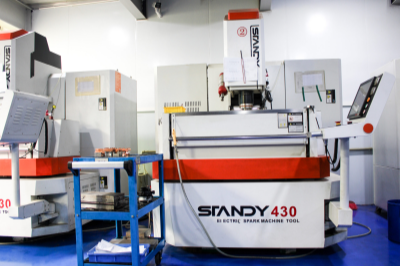
High-precision ABS injection molding equipment ensuring consistent part quality and fast cycle times.
Common Pitfall Alert: Some buyers fail to coordinate early-stage mold trials and physical sample inspections, leading to downstream production issues. Prototyping phases should include dimensional and functionality checks before moving to mass runs.
Since Yingtai factory brings over 20 years of experience in plastic injection molding and sophisticated mold manufacturing, partnering with them offers streamlined processes and vast experience in handling complex OEM and ODM projects. Their in-house tooling workshop and quality labs reduce dependency on third-party vendors, accelerating product iterations.
Frequently Asked Questions (FAQ) About ABS Plastic Products
Q1: What is the average lead time for ABS plastic product orders?
Standard production lead times range from 15 to 30 days after mold approval, depending on order volume and mold complexity.
Q2: Can ABS be combined with other materials in multi-shots or overmolding?
Yes, ABS is often paired with materials like TPU or PC in multi-shot injection molding to achieve functionality such as soft-touch handles or enhanced toughness.
Q3: How does temperature affect ABS mechanical properties?
ABS performs well up to approx. 80–100°C. Above that, its impact resistance diminishes, and dimensional stability might degrade.
Q4: What should we consider for shipping and packaging?
ABS parts require protection from moisture and UV exposure during transit. Anti-static packaging and edge protection are recommended, especially for precision electronics enclosures.
Q5: Does Yingtai support custom colors and surface finishes?
Absolutely. Options include custom pigmentation, glossy or matte finishes, and electronic plating. Early consultation on color standards is advised.
Customer Feedback
Jonathan M., Purchasing Manager, TechParts Inc.
“Focused communication on tooling details with Yingtai helped us cut our prototyping turnaround from 4 weeks to just under 2 weeks. The ABS housings met our tight dimensional tolerances, and the RoHS certification greatly eased our compliance documentation.”
Get in Touch
If you have any camping barbeque equipment inquiry, please feel free to contact us.