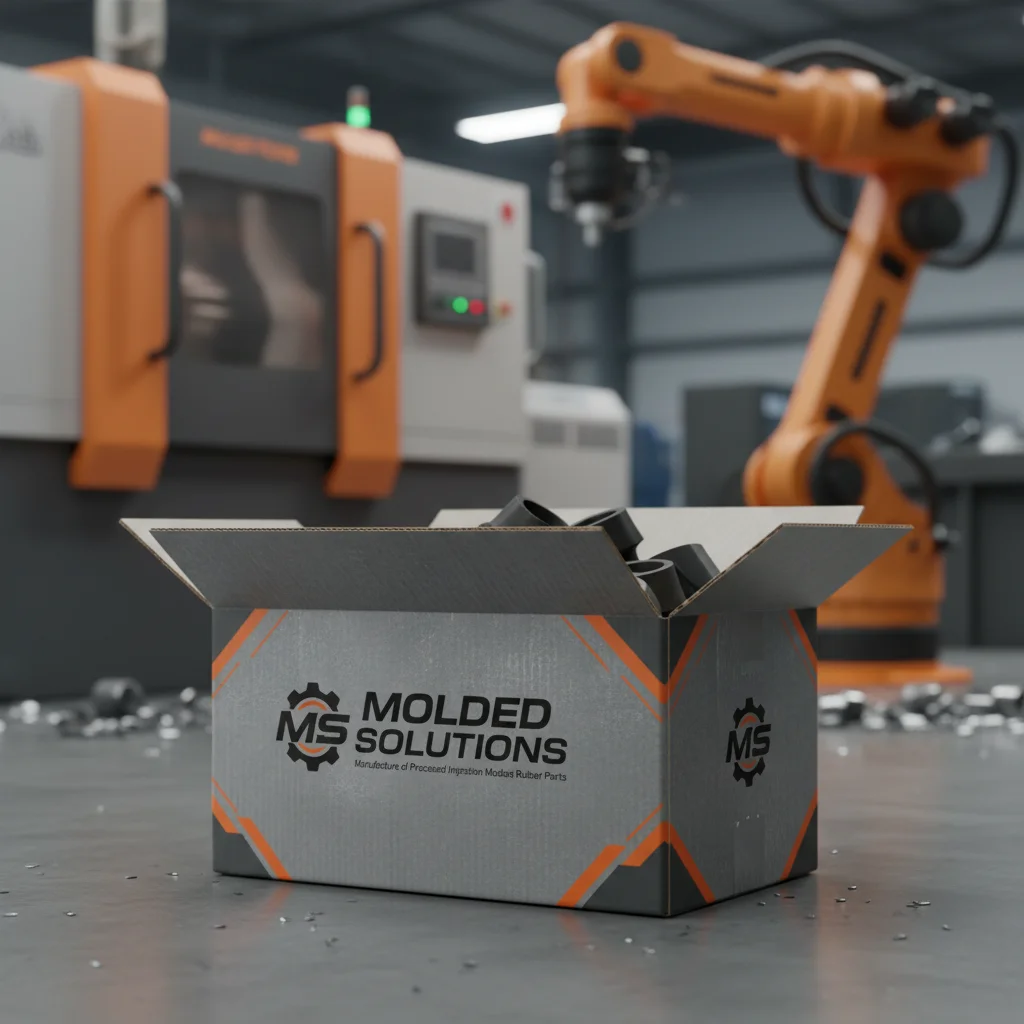
Guangdong Yingtai High Precision Technology Co., Ltd. – Your Experienced Partner in ABS Thermoplastic Manufacturing & OEM Solutions ABS (Acrylonitrile Butadiene Styrene) thermoplastic stands as a pillar of versatility within the plastics manufacturing sector.
Product Details
ABS Thermoplastic: Durable Performance Meets Precision in Industrial Applications
Guangdong Yingtai High Precision Technology Co., Ltd. – Your Experienced Partner in ABS Thermoplastic Manufacturing & OEM Solutions
Understanding ABS Thermoplastic: Material Overview & Industry Relevance
ABS (Acrylonitrile Butadiene Styrene) thermoplastic stands as a pillar of versatility within the plastics manufacturing sector. Known for combining toughness, impact resistance, and thermal stability, ABS consistently proves its value across demanding industrial environments. From automotive components to consumer electronics housings, ABS bridges functionality with reliability.
Originating from styrene and acrylonitrile copolymers with butadiene rubber, ABS features a complex molecular architecture that endows it with ruggedness without sacrificing processability. This balance establishes ABS as a go-to solution where durable but lightweight parts are paramount. With a glass transition temperature typically between 105-110°C, ABS parts endure everyday stresses from heat cycling, mechanical loads, and chemical exposure common in assembly lines and end-use applications.
Procurement managers frequently look to ABS when seeking materials compatible with high-volume injection molding due to its dimensional stability and surface finish quality. Additionally, ABS exhibits excellent adhesion properties enabling multi-material assemblies and overmolding—a process relevant for applications combining rigid support and elastic seals.
Despite its broad acceptance, selecting the appropriate ABS grade requires grasping distinct factors: impact modifiers, flame retardants, UV stabilizers, and processing parameters. Sourcing from a technically capable manufacturer like Guangdong Yingtai High Precision Technology Co., Ltd., which specializes in plastics processing and OEM customization, assures material integrity and conformity to critical ISO and CE standards.
Challenges We Solve in ABS Thermoplastic Procurement & Manufacturing
Inconsistent Material Quality: Subpar ABS batches lead to dimensional variances and mechanical failures, complicating assembly and warranties.
Surface Finish Defects: Issues like sink marks, warpage, or flow lines interrupt production timelines and elevate reject rates.
Extended Lead Times: Overseas suppliers lacking streamlined supply chains result in delayed deliveries impacting project schedules.
Compliance Uncertainties: Non-compliance with industry standards such as UL94 flammability ratings or FDA food-contact requirements restricts application scope.
OEM Customization Complexity: Many suppliers cannot accommodate precise color matching, custom blends, or multi-shot molding—hindering product differentiation.
Why Choose Our ABS Thermoplastic Material?
Sourcing ABS from an experienced international industrial manufacturer brings several operational advantages:
Reliable Material Consistency: Each batch undergoes strict quality control verifying mechanical strength and melt flow index, ensuring predictable molding results.
Tailored Formulations: Customized ABS grades with UV resistance, flame retardancy, or enhanced impact modifiers match specific end-use demands.
Optimized for Injection Molding: ABS supplied is designed to reduce cycle times and minimize defects like sink marks via proprietary compounding and drying protocols.
Compliance & Certification: Products meet or exceed ISO 9001, RoHS, and UL94 V-0 flame retardant standards, suitable for demanding regulatory environments.
OEM & ODM Manufacturing Support: Our integrated mold design and plastic injection capabilities allow for streamlined custom tooling and small-to-large batch production runs.
Note: Transparent communication regarding processing temperature ranges and recommended drying cycles prevents common molding issues in ABS production.
Technical Specifications of Our ABS Thermoplastic
Property
Typical Value
Test Method
Melt Flow Index (230°C, 3.8kg)
6 - 14 g/10 min
ISO 1133
Tensile Strength
45 - 52 MPa
ISO 527
Impact Strength (Notched Izod)
15 - 30 kJ/m²
ISO 180/1A
Heat Deflection Temperature (0.45 MPa)
90 - 100°C
ISO 75
Flammability Rating
UL94 V-0 (Optional)
UL 94
Core Applications Where ABS Thermoplastic Excels
Through decades of operational experience, we’ve seen ABS thermoplastic thrive in a variety of sectors demanding precision and durability:
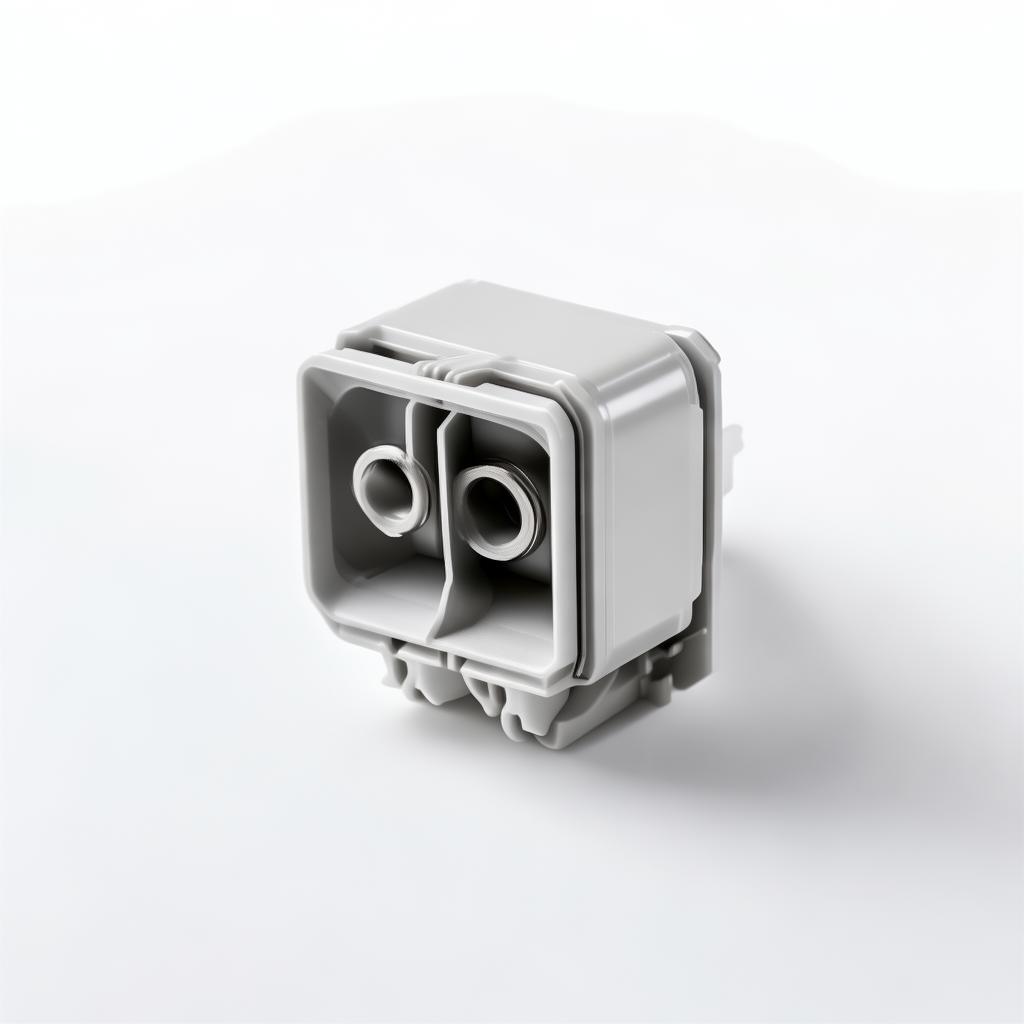
Automotive Interiors & Components: Dashboard panels, air vents, and protective housings leveraging ABS's impact resistance and surface finish.
Consumer Electronics: Durable casings for computers, printers, and household appliances featuring ABS’s dimensional stability.
Industrial Equipment: Structural components requiring chemical resistance, including machine covers and control panels.
3D Printing & Rapid Prototyping: ABS filaments used for functional prototypes and small series production benefiting from melt flow characteristics.
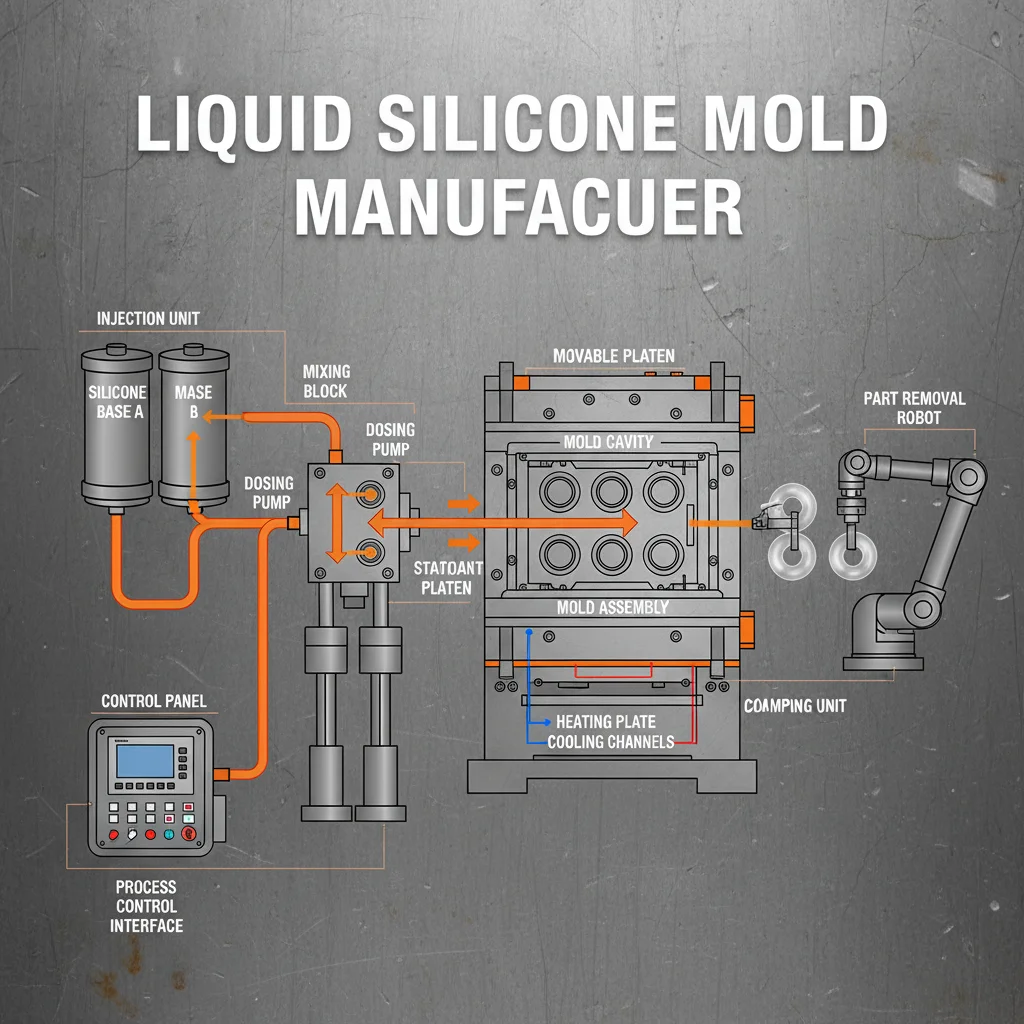
Overmolding Applications: Combining ABS with liquid silicone or thermoplastic elastomers to deliver ergonomic grips and sealing solutions.
In each application, precise molding conditions and post-processing are necessary to maximize component performance. Our consulting engineers can assist in design for manufacturability discussing these considerations upfront.
Procurement Insights & Supplier Evaluation Tips
Securing the right ABS thermoplastic supplier is not just about price. Experienced purchasing professionals advise:
Verify Certificates & Compliance: Request ISO 9001, UL94, RoHS, and REACH compliance documentation to ensure regulatory fit.
Request Material Test Reports: Confirm mechanical and thermal properties, paying close attention to batch variance tolerances.
Inspect Manufacturing Facilities: Suppliers with modern injection molding machines (50+ units) and in-house tooling capabilities offer better quality control.
Assess Logistics & Lead Times: Optimize supply chain by clarifying container loading capacities, export documentation expertise, and delivery timelines.
Evaluate OEM/ODM Service Quality: Look for providers with product development engineering support to shorten time-to-market for new designs or multi-component parts.
Frequently Asked Questions about ABS Thermoplastic
Q: What processing methods are compatible with ABS?
Injection molding is the dominant processing technique for ABS, favored for its ability to produce complex geometries with tight tolerances. Extrusion and thermoforming are also used for sheets and profiles.
Q: How does ABS compare with other thermoplastics like polypropylene or polycarbonate?
ABS offers superior impact resistance relative to polypropylene and better processability at moderate temperatures compared to polycarbonate. However, PC may surpass ABS in heat resistance and UV stability for outdoor parts.
Q: Can ABS be used in food-contact applications?
Standard ABS is generally not recommended for food-contact use. Special FDA-approved grades may be procured for limited applications, but consultation with suppliers about compliance is essential.
Q: What are common issues during ABS injection molding?
Warpage, sink marks, and flow lines are typical defects caused by inconsistent cooling, incorrect mold design, or improper drying. Optimizing mold temperature and injection parameters typically mitigates these problems.
Q: How to ensure color consistency in ABS parts?
Utilizing masterbatches from reliable pigment suppliers and applying thorough mixing during compounding promote uniform coloration. Batch-to-batch color matching protocols are vital for assembly line consistency.
What Our Customers Say: Verified ABS Thermoplastic Users’ Feedback
John M., Procurement Director, USA Electronics Manufacturer
“We switched to Guangdong Yingtai for their ABS supply after multiple quality issues elsewhere. Their batch consistency and quick responsiveness on technical questions saved us valuable downtime. The integration with their OEM molding service made our product redesign smooth and cost-efficient.”
Get in Touch
If you have any camping barbeque equipment inquiry, please feel free to contact us.