By Michael Stevens , Industrial Engineer Acrylonitrile Butadiene Styrene (ABS) remains a preferred polymer in industrial manufacturing for its excellent balance of strength, toughness, and processability. Yet, ABS warping — the unwanted distortion or
Product Details
ABS Warping in Industrial Manufacturing: Causes, Solutions & Procurement Insights
By Michael Stevens, Industrial Engineer
Understanding ABS Warping: What Every Procurement Director Must Know
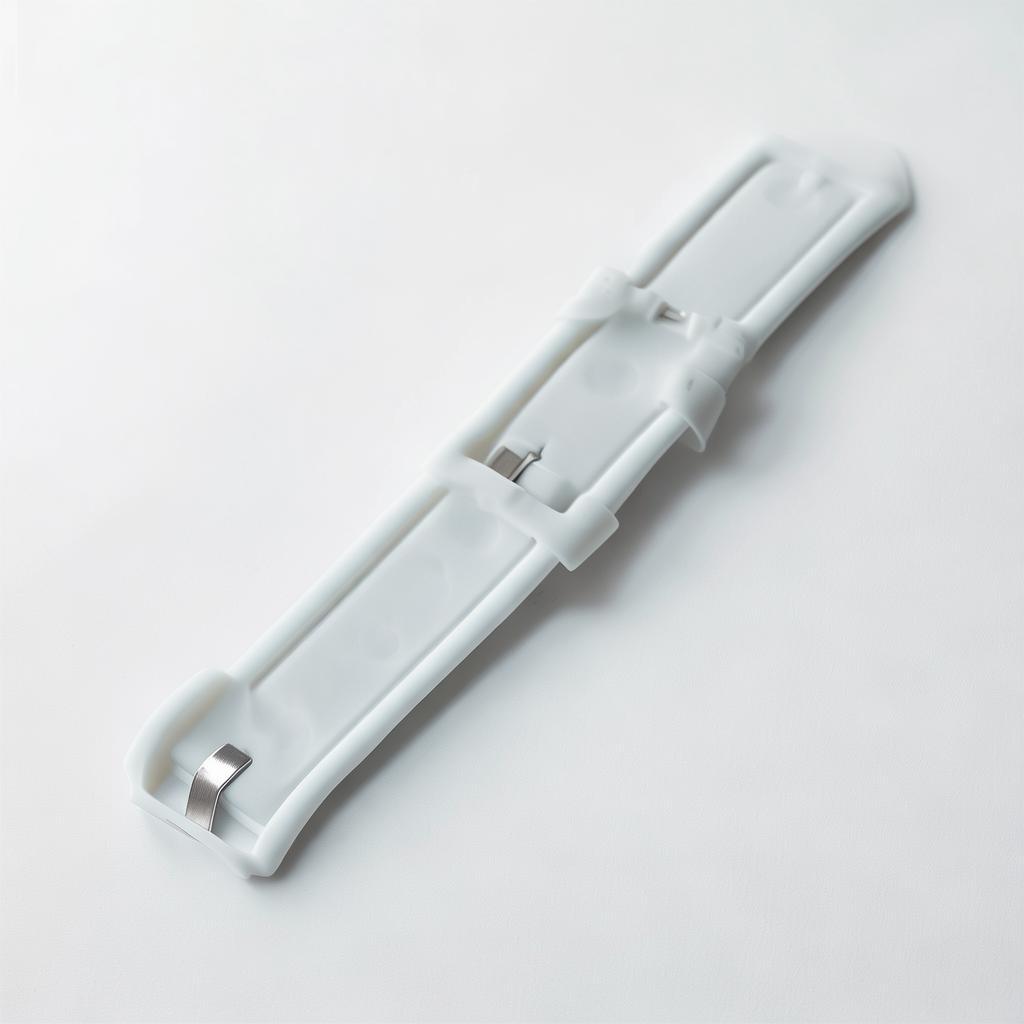
Acrylonitrile Butadiene Styrene (ABS) remains a preferred polymer in industrial manufacturing for its excellent balance of strength, toughness, and processability. Yet, ABS warping — the unwanted distortion or deformation of parts during or after injection molding — persists as a significant challenge for production and quality control teams worldwide.
Warpage in ABS components typically manifests as edge lifting, twisting, or surface curvature, causing dimensional inaccuracies, fitment issues, and in severe cases, outright product rejection. Its economic impact is notable: rework cycles, increased scrap ratios, and delays disrupt supply chains and inflate costs. When sourcing ABS molded parts from overseas suppliers, particularly in medium to large productions, understanding the nuances of warping can substantially improve procurement outcomes.
Unlike some thermoplastics, ABS has a high tendency to shrink unevenly due to its molecular structure and thermal behavior under injection molding stresses. Variations in cooling rates, mold temperatures, and gate designs directly influence warpage severity. Equipment calibration and processing parameters—not just material grade—play pivotal roles here.
On the procurement front, many importers undervalue warping risks, focusing solely on unit price or lead time. However, early collaboration with experienced manufacturers that employ precise simulation tools (such as Moldflow, CAE) and adhere to ISO 9001 and IATF 16949 standards can mitigate warping through optimized tooling and process design. Key procurement considerations must include material certifications, factory quality inspections, and post-molding dimensional testing regimes.
Drawing from over two decades of industrial observation, warping is not merely a processing inconvenience but a complex product reliability factor that influences warranty claims and brand reputation downstream, especially in automotive, electronics housing, and consumer goods sectors that demand strict dimensional consistency.
This comprehensive guide explores the technical roots of ABS warping, compares mitigation strategies, and delivers procurement insights calibrated to operations managers and sourcing professionals focusing on long-term ROI rather than quick fixes. It blends practical manufacturing experience with data-backed research to strengthen decision-making in ABS part selection and supplier evaluation.
Industry Pain Points & Operational Challenges
Inconsistent Part Dimensions: Tolerances often exceed acceptable limits, requiring secondary machining or scrap salvage.
Increased Rejection Rates: Warping causes assembly problems, leading to product delays and customer dissatisfaction.
Complex Process Adjustment: Trial-and-error parameter tweaking raises labor costs and extends production cycles.
Supplier Communication Gaps: Overseas manufacturers may lack transparency on mold design or process validation.
Logistics and Storage Issues: Warped components can complicate packaging, container loading, and increase damage risk.
Material Quality Variability: Differences in ABS resin batches or improper drying can intensify warping effects.
Observation: Procurement managers emphasize the need for suppliers who integrate warpage simulation and offer clear post-molding inspection data to preempt these issues.
Technical Causes Behind ABS Warping
Warping in ABS injection molding is multifaceted. A few key technical aspects stem from inherent polymer physics and process variables:
Uneven Cooling Rates: ABS cools at different speeds in thick vs. thin sections, generating internal stresses and differential shrinkage.
Inadequate Mold Design: Poorly positioned gates or insufficient cooling channels can promote asymmetric cooling.
Material Drying Failure: ABS is hygroscopic; residual moisture can lead to bubbles or irregular shrinkage impacting dimensional stability.
Injection Parameters: High injection speeds and pressures may introduce residual stresses that intensify warpage after ejection.
Thermal Gradient Effects: Temperature gradients during solidification create polymer chain orientation in directions causing distortion.
Absence of Stress Relieving Steps: Quick mold release without appropriate annealing or conditioning may lock in stresses.
Manufacturers leveraging advanced CAE simulation tools can predict warpage patterns, test potential solutions before committing to expensive mold tooling, and refine process parameters to optimize part flatness and dimensional integrity.
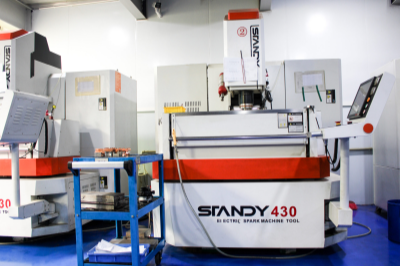
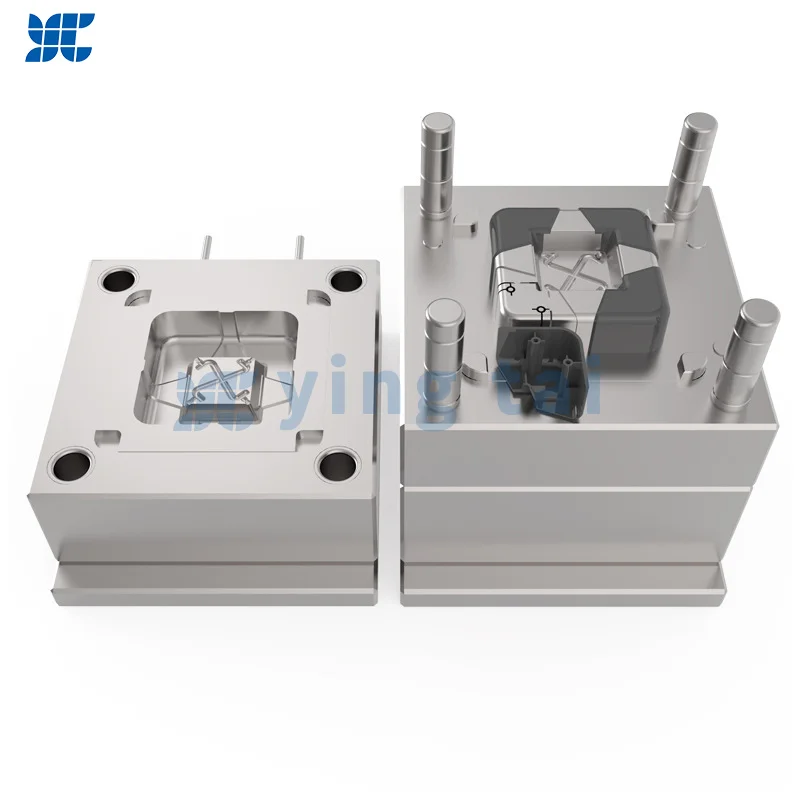
Precision molding equipment at Guangdong Yingtai factory with automated cooling controls.
Proven Product Solutions & Material Comparisons
Mitigating ABS warping requires a holistic approach combining material science, mold engineering, and process control. Some effective strategies include:
Employing ABS Grades with Controlled Shrinkage: Specialty ABS resins with engineered additives minimize differential shrinkage.
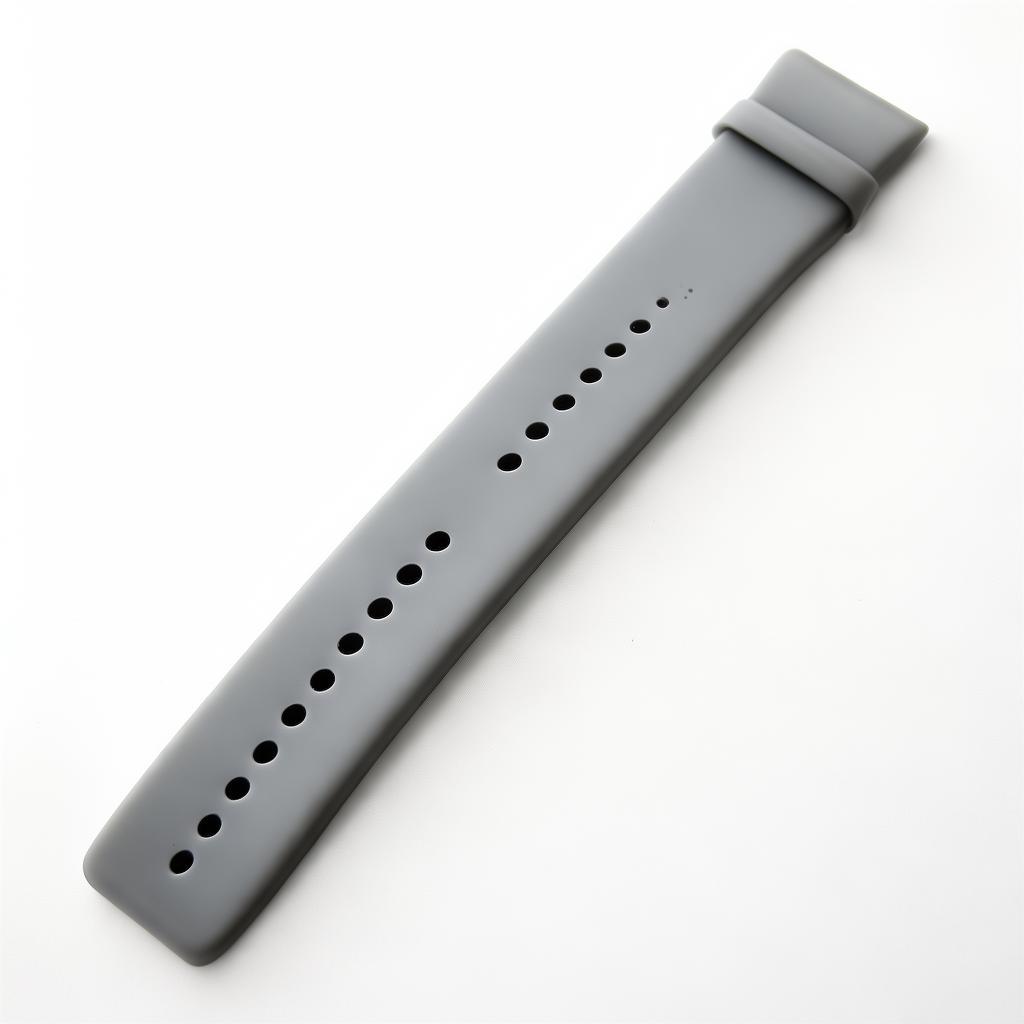
Multi-Material Overmolding: Combining ABS with liquid silicone rubber (LSR) as a soft-touch overmold can reduce warping by distributing stresses (refer to MC Injection Molding with LSR and ABS).
Controlled Drying Protocols: Protecting ABS from moisture prevents processing defects linked to warpage.
Process Parameter Fine-Tuning: Slower cooling rates, optimized melt temperatures, and stepped injection speeds help alleviate residual stresses.
Note: Combining ABS with LSR via multi-shot injection molding can effectively balance rigidity with reduced warpage, an approach gaining traction in medical devices and automotive industries (see external research MC Injection Molding with Liquid Silicone Rubber).
Procurement Guide: What Buyers Should Know When Sourcing ABS Molded Parts
Buyers navigating the global market for ABS molded components face several procurement-specific risks directly impacting warping outcomes:
Insufficient Supplier Quality Controls: Check for certifications like ISO 9001, IATF 16949, and documented QC protocols targeting warpage reduction.
Lack of Process Transparency: Prioritize factories offering mold flow analysis reports and real-time process monitoring data.
Unverified Material Vendors: Confirm resin supplier credentials along with batch traceability to ensure consistency.
Inflexible Order Quantities: Smaller batch pilots help verify warpage tolerances before scaling production.
Poor Communication Channels: Establish direct contact with technical engineers or export directors to clarify technical specifications early.
A strategic approach might involve:
Requesting Samples: Insist on functional samples with dimensional reports under real-world assembly conditions.
Visiting Supplier Facilities: When feasible, on-site audits clarify manufacturing capabilities and warpage controls.
Setting Performance KPIs: Define maximum allowable warpage in procurement contracts supported by acceptance criteria.
Engaging Engineering Support: Use supplier engineers to optimize mold and process designs collaboratively before production release.
Interactive discussion emphasizing transparent communication with factory technical teams.
Installation Considerations & Logistics
Warped ABS parts rarely just pivot out at the manufacturing line; installation teams face downstream challenges that procurement must anticipate:
Assembly Tolerances: Skewed parts can cause tooling jams, extend cycle times, or require manual force fitting — adding labor costs.
Packaging Constraints: Warpage leads to inefficient stacking and higher void space in containers, increasing shipping costs per unit.
Material Handling: Fragile distorted sections risk cracking when subjected to normal handling stresses.
Environmental Sensitivity: ABS parts exposed to prolonged heat or humidity during transit may warp further without appropriate conditioning.
Best practice involves combining Quality Inspection Before Shipment with Packaging Design for Dimensional Stability. Discuss with your supplier early on about layer protection, fixture supports, or using vacuum-packed shipping for critical parts.
Detailed logistics coordination between procurement and factory ensures minimal warpage degradation.
With over 20 years of industry experience, Yingtai combines full production chain maturity with advanced precision molds and injection molding systems tailored for polymers like ABS and liquid silicone rubber. Located in Dongguan’s industrial hub, their modern 35,000 square meter facility houses:
55 liquid silicone molding machines
80 automatic plastic injection molding machines
20 solid silicone hydraulic presses
30 precision mold processing units
20+ advanced testing instruments dedicated to warpage control and material certification
Yingtai is certified with ISO 9001 and IATF 16949, ensuring comprehensive quality management frameworks specific to automotive and electronics ABS components. Their in-house CAE simulation capabilities minimize warpage risk prior to tooling. The factory’s experienced workforce of 500+ professionals includes molding engineers, QC analysts, and logistics coordinators aligned with global standards.
Notable international customers from the new energy vehicle and consumer electronics sectors endorse Yingtai’s capability to consistently deliver low-warpage parts that integrate seamlessly in demanding assembly lines.
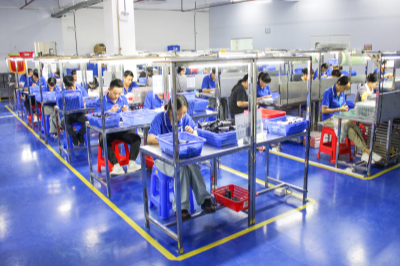
State-of-the-art injection molding and mold processing center at Guangdong Yingtai.
OEM & ODM Options: Yingtai offers tailored OEM and ODM services for complex ABS applications, including multi-material hybrid molding and advanced warpage mitigation consulting.
Frequently Asked Questions (FAQ) About ABS Warping
Q1: How does ABS warping affect part assembly?
Warped parts may no longer meet designed tolerances, causing issues such as poor fit, uneven sealing surfaces, or alignment problems, which in complex assemblies might lead to operational failures.
Q2: Can warping be totally eliminated?
Total elimination is challenging but can be minimized through precise tooling, controlled processing, and material selection. Expect low warpage levels rather than zero distortion as industry best practice.
Q3: How important is material drying before molding?
Very important. Moisture trapped in ABS causes bubble formation and uneven shrinkage, significantly increasing warpage risk.
Q4: What tests confirm warpage tolerance?
Dimensional inspection using CMM (coordinate measuring machines) and flatness gauges, coupled with moldflow simulation reports and visual warping assessments during inspection will verify compliance.
Q5: Are there alternative materials with less warping than ABS?
Yes, materials like Polycarbonate (PC) or PBT typically show less warping but at higher cost and different mechanical properties. For hybrid parts, LSR overmolding combined with ABS reduces overall distortion.
Customer Reviews & Procurement Success Stories
John Bellamy, Operations Manager, Detroit Electronic Assembly: "Switching to Yingtai’s ABS molds drastically cut our warpage-related rejections. Their team helped optimize gate locations and cooling circuits, which shortened our production downtime noticeably."
Get in Touch
If you have any camping barbeque equipment inquiry, please feel free to contact us.