

Acid Pickling Stainless Steel
Understanding Acid Pickling for Stainless Steel: Enhancing Surface Quality, Corrosion Resistance, and Preparation for Manufacturing Applications
Navigating Stainless Steel Surface Treatment Challenges
Stainless steel is a staple across a diverse range of industries—from automotive to medical, construction to consumer appliances. Despite its inherent corrosion resistance, raw stainless steel still requires surface preparation to optimize performance. This is where acid pickling comes into play. Yet, procuring and specifying effective acid pickling services or products often trips up purchasing managers and engineers alike.
Common issues include residual surface contaminants like mill scale, rust, or heat tint left from welding and mechanical processing. Without proper pickling, these imperfections can become corrosion initiation points, undermining the metal’s lifespan and aesthetic. However, improperly controlled acid concentrations and treatment times can lead to uneven etching or hydrogen embrittlement—compromising the very integrity pickling should protect.
Operations managers often wrestle with finding the right balance between cleaning efficacy and maintaining dimensional tolerances when scaling to large batches. Logistics managers note risks in handling, storing, and shipping aggressive pickling acids safely at industrial volumes. Additionally, procurement directors seek suppliers who demonstrate stringent quality controls, certification compliance (say, ISO 9001 or ASTM A967/ A380 standards), and supply chain transparency to shield against delays or non-conformance.
In practice, a meticulous process chain—from acid formulation to post-pickling passivation—makes measurable differences. Selecting a partner with deep industrial expertise in acid pickling stainless steel is crucial for controlling cycle times, reducing waste acid disposal costs, and assuring end-use reliability. Avoiding costly field failures due to incomplete scale removal or surface contamination demands clear communication and technical alignment with your pickling supplier.
Understanding the Technical Fundamentals of Acid Pickling Stainless Steel
Acid pickling is essentially a chemical cleaning process designed to remove surface oxides, scale, and embedded impurities from stainless steel products. The process typically employs a mix of hydrochloric acid (HCl) and sometimes nitric acid (HNO₃), or proprietary blends tailored to specific grades of stainless steel such as 304 and 316.
The core reaction dissolves the thick iron oxide scale formed on hot-rolled or welded stainless surfaces. This treatment restores the characteristic passive chromium oxide film, which is critical for corrosion resistance.
It’s worth noting the difference between passivation and pickling: passivation enhances the chromium oxide layer post-pickling using nitric acid baths, whereas pickling actively removes the underlying scale.
Standard Process Flow Overview
- Degreasing and cleaning to remove oils and dirt
- Immersion in acid pickling bath or spray application
- Rinse with water to remove residual acid
- Passivation treatment to restore chromium oxide layer
- Final rinsing and drying for shipping or further processing
Industrial facilities increasingly leverage automated acid concentration control and advanced monitoring—pH, temperature, and contamination sensors—to reduce waste and maintain consistent surface quality. Safety protocols, including acid-neutralizing stations and VOC controls, are paramount in large-scale operations.
Practical Applications & Material Benefits
Acid pickled stainless steel finds essential use in multiple sectors requiring durable, corrosion-resistant components with pristine surfaces. Some prominent applications include:
| Sector | Component Examples | Key Benefits of Pickling |
|---|---|---|
| Oil & Gas | Pipes, valves, heat exchangers | Removal of scale from welding; improved corrosion resistance in harsh environments |
| Food Processing | Storage tanks, conveyors, mixers | Smooth hygienic surfaces; reduced contamination risks |
| Construction | Architectural panels, fasteners | Enhanced aesthetic finish; prevention of rust staining |
Enhancing corrosion resistance and creating uniform, clean stainless steel surfaces also facilitate subsequent fabrication steps like electroplating or powder coating.
Procurement Considerations & Risk Mitigation
Sourcing acid pickled stainless steel or pickling services demands more than price negotiation. Buyers must undertake thorough evaluation:
- Process Certification: Verify compliance with ASTM A380 for cleaning and passivation or equivalent ISO standards.
- Material Traceability: Ensure batch-level metallurgical documentation to correlate pickling quality with stainless steel grade and heat treatment histories.
- Surface Quality Audits: Require supplier reports including roughness metrics (Ra values), photographic evidence of scale removal, and residual acid levels.
- Safety Compliance: Confirm that chemical handling meets OSHA guidelines and environmental discharge permits are properly maintained.
- Logistical Coordination: Plan for acid pickled parts drying and packaging to avoid oxidation during transit; suitable container loading methods to optimize space and reduce handling damage.
Technical Specifications & Industry Standards
Below is a summary table highlighting important parameters and reference specifications to consider when specifying acid pickling stainless steel products or services:
| Parameter | Typical Range/Value | Reference Standard |
|---|---|---|
| HCl Concentration | 10% to 20% by weight | ASTM A967-17 |
| Treatment Temperature | 20°C to 40°C (ambient to warm) | ISO 15731:2016 |
| Pickling Time | 30 seconds to 5 minutes | Referenced in ASTM A380 |
| Passivation Treatment | Nitric acid bath, 20% concentration, 30 mins | AMS 2700 |
Consistently hitting these parameters ensures uniform corrosion resistance and surface finish quality. Suppliers investing in periodic metallographic inspections and electrochemical testing show stronger EEAT — a critical buying signal.
Selecting a Trusted Acid Pickling Stainless Steel Supplier
Working with an experienced manufacturer or service provider can accelerate your surface treatment workflow with minimal risk. Guangdong Yingtai High Precision Technology Co., Ltd., rooted in Dongguan’s major manufacturing hub, exemplifies industrial reliability. With a sprawling 35,000 m² industrial park and strong certifications—including ISO 9001 and compliance with ASTM standards for stainless steel treatment—Yingtai specializes in advanced chemical processing and precision manufacturing.
Their expertise covers OEM/ODM provisions, allowing tailored acid pickling processes to fit complex specifications with robust quality control workflows.
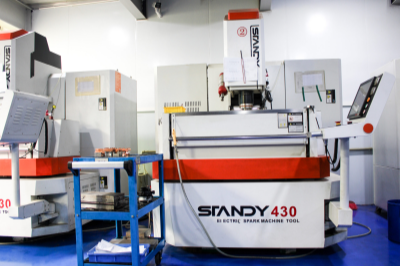
Capacity-wise, Yingtai’s scale assures short lead times while deploying over 30 process control instruments, including acid concentration monitors and surface profiling gauges. Their export logistics teams are practiced in container loading techniques minimizing acid tracking risk and maximizing payload optimization.
Sample & Pricing Requests
Interested buyers can request free samples and detailed factory pricing to validate quality ahead of commitment. Consulting their technical engineers early facilitates custom formulation adjustments crucial for specialized applications.
alloy steel products 5 types of stainless steel galling aluminum
Frequently Asked Questions
- Q: Can acid pickling damage stainless steel if overapplied?
- Yes. Excessive acid exposure may cause intergranular attack or pitting, especially if parameters are not tightly controlled. Experienced suppliers monitor bath chemistry and timing to avoid this.
- Q: What safety precautions should we consider when handling pickled materials?
- After pickling, the stainless steel must be thoroughly rinsed and dried to prevent flash rust. Also, acidic residues should be neutralized. During transportation, avoid packaging materials that can corrode or trap moisture.
- Q: How does acid pickling differ from mechanical cleaning?
- Mechanical cleaning (like grinding or blasting) may alter dimensions and surface texture, often creating micro-scratches. Acid pickling cleans chemically and smoothens surfaces without mechanical abrasion.
- Q: Is acid pickling necessary for all stainless steel grades?
- While common for 304 and 316 stainless, some highly alloyed or passivated grades require modified treatments. Discuss material-grade suitability with suppliers to optimize pickling.
- Q: How does pickled stainless steel affect subsequent coating adhesion?
- Pickling removes surface contaminants and creates a chemically receptive surface, often improving paint, powder coat, and plating adhesion significantly.
Real-World Feedback

John M., Procurement Manager, Houston TX: "Partnering with Yingtai for acid pickling stainless steel has noticeably reduced our rejects. Their quality control and technical support help us keep projects on schedule with predictable results."

Claire R., Industrial Engineer, San Francisco CA: "The precision pickling process preserved our tight tolerances perfectly and significantly improved downstream passivation performance. The OEM customization options gave us exactly what our client needed."

Mark L., Operations Manager, New York: "We appreciated the logistics advice from Yingtai's team ensuring safe shipping. Minimizing acid residue-related corrosion during transit saved us a lot of rework."
Consult with Our Experts Today
Whether you're specifying new stainless steel parts or upgrading your chemical treatment processes, Guangdong Yingtai High Precision Technology Co., Ltd provides technical engineering insights and customizable OEM/ODM solutions tailored to your application challenges and compliance standards.
Request Product Specs